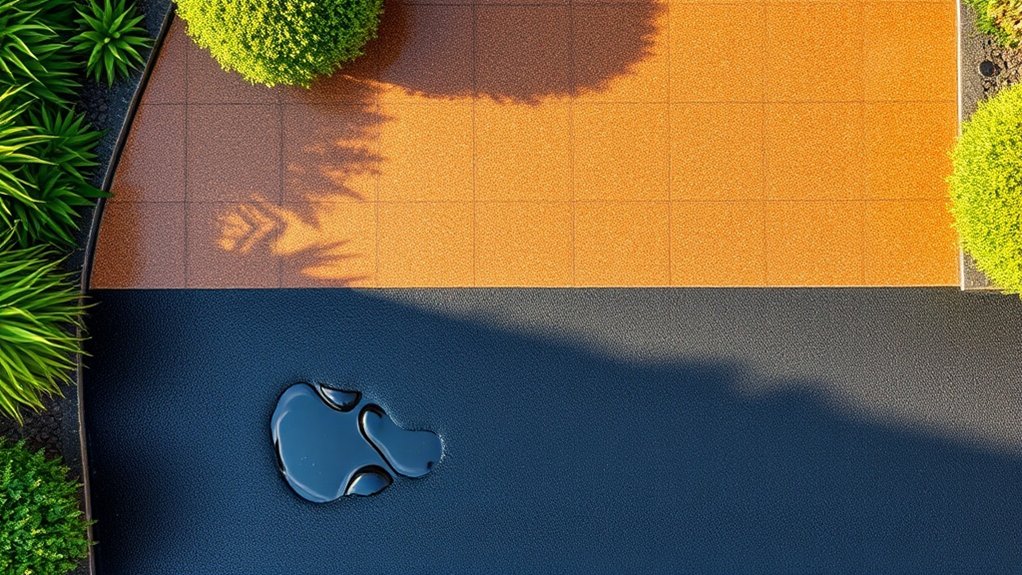
What’s Better for Drainage Resin or Tarmac in Nottinghamshire?
For effective drainage in Nottinghamshire, resin surfaces are the superior option. They offer up to 95% permeability, significantly reducing surface runoff and helping to prevent puddles and ice formation. On the other hand, tarmac has poor drainage capabilities and often requires additional measures to manage water flow. Although resin may come with a higher upfront cost, its lower maintenance requirements and longer lifespan make it a more cost-effective choice in the long run. For a deeper understanding of these materials and their performance, consider exploring more about their benefits and drawbacks.
Key Takeaways
- Resin surfaces offer up to 95% permeability, significantly reducing surface runoff when compared to tarmac, which struggles with drainage.
- Given Nottinghamshire’s unpredictable weather, resin withstands freeze-thaw cycles better than tarmac, making it more durable and longer-lasting.
- Resin needs less maintenance than tarmac, which often requires regular sealing and repairs due to its wear and tear.
- With a lower carbon footprint, resin promotes sustainable drainage and aids groundwater recharge, aligning with environmental objectives.
- Tarmac can increase runoff and overwhelm local drainage systems, making resin the superior option for effective drainage management.
Understanding Permeability in Driveway Materials
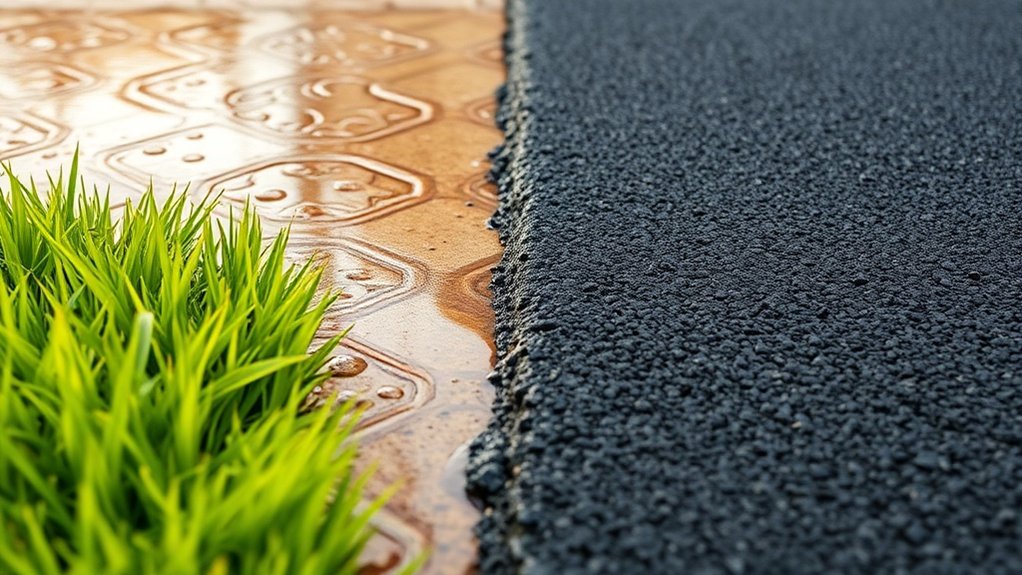
When choosing materials for your driveway, it’s essential to consider permeability, as it affects water drainage and safety.
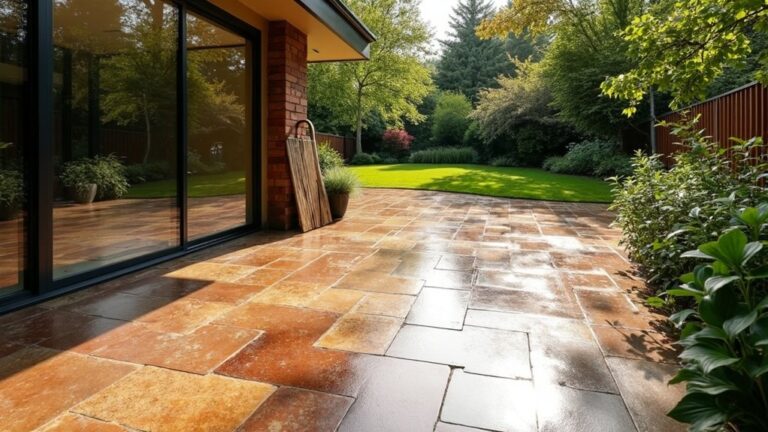
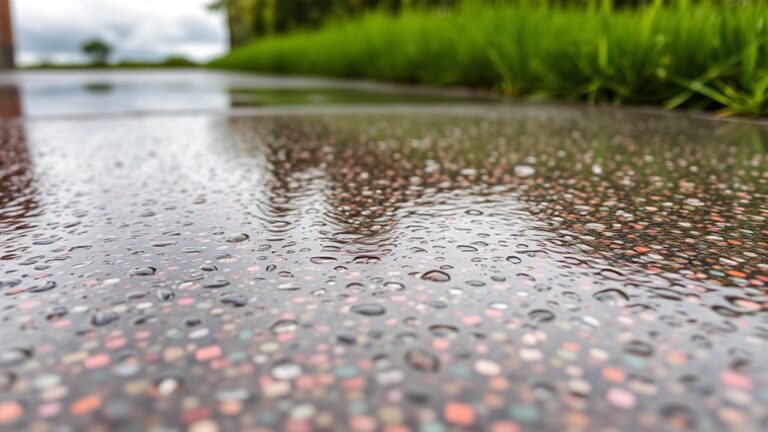
Permeable surfaces allow water to flow through, reducing surface runoff and improving drainage. For example, resin-bound driveways can offer up to 95% permeability, which helps prevent puddles and ice formation, making them safer in colder weather. Additionally, resin surfaces are less prone to weed growth due to their permeability. This high level of permeability also ensures compliance with Sustainable Urban Drainage Systems (SuDS) regulations, promoting effective water management.
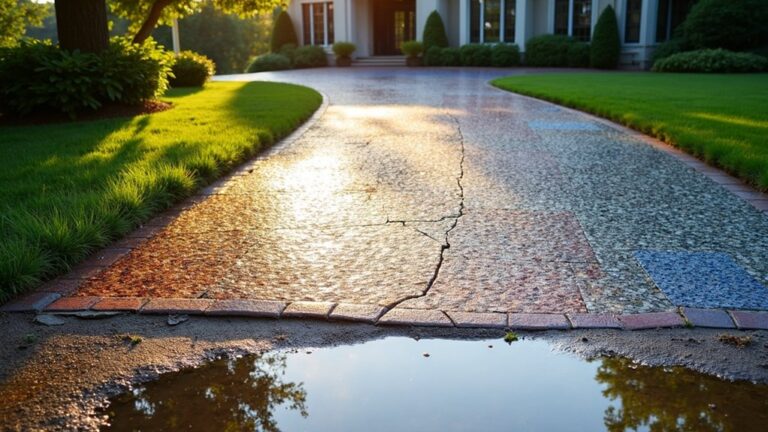
On the other hand, standard tarmac is non-permeable and often requires extra drainage solutions. While porous tarmac meets some permeability standards, it can become clogged over time, which reduces its effectiveness.
Therefore, opting for materials like resin-bound surfaces not only ensures better drainage but also helps comply with sustainable urban drainage systems (SuDS) regulations.
Comparing Durability: Resin vs. Tarmac

When it comes to driveways, resin and tarmac each have their strengths in terms of durability.
Tarmac stands out for its load-bearing capacity, making it suitable for heavy vehicles and busy areas. In contrast, while resin is generally robust for everyday use, it may crack under substantial weight. Additionally, tarmac is known for robustness against heavy traffic and harsh weather, which enhances its appeal for high-traffic locations. Moreover, resin driveways are designed to endure Nottinghamshire’s variable weather, providing effective drainage that enhances safety.
Tarmac can last longer with regular maintenance, while resin typically has a lifespan of 15 to 25 years, which can decrease with frequent heavy use.
In terms of weather resistance, resin is better at withstanding UV rays, whereas tarmac is more effective against freeze-thaw damage.
Repairing tarmac is usually simpler and more affordable than fixing resin, which often needs specialist attention after damage.
Maintenance Requirements for Resin and Tarmac

When it comes to maintaining resin surfaces, an annual professional clean is a must, particularly in challenging weather conditions. Additionally, regular cleaning not only enhances the driveway’s appearance but also preserves its integrity. Furthermore, implementing proper drainage is crucial to prevent water pooling, which can lead to moss growth and compromise the surface. On the other hand, tarmac needs more regular repairs and ongoing sealing to prevent cracking and deterioration.
Upkeep of Resin Surfaces
To keep your resin surfaces looking good and lasting longer, follow these simple maintenance steps.
Start with weekly sweeping to clear away debris and give them a rinse once a month to remove dust. A thorough deep clean should be done 1–2 times a year using medium to low-pressure water.
If you notice any oil stains, deal with them straight away using absorbent cloths and a mild detergent to avoid lasting damage.
To protect the surface, re-seal every 1–3 years with UV-stable sealants to prevent yellowing.
Avoid placing heavy items on the surface to prevent wear, and consider installing edge restraints to manage water drainage.
Regularly check for any issues like loss of aggregate, so your resin surface stays functional and attractive.
Tarmac Maintenance Challenges
Tarmac surfaces encounter specific maintenance challenges due to environmental conditions and usage patterns, making regular upkeep vital for their longevity.
Freeze-thaw cycles can worsen cracking, so annual inspections and timely crack-filling are essential to prevent potholes. Heavy rainfall can lead to drainage issues, speeding up binder loss and surface deformation, requiring consistent grading and repairs after wet seasons.
UV exposure causes oxidation, necessitating rejuvenation treatments every 3 to 7 years. The use of winter de-icing chemicals can also break down the binder, making immediate repairs after winter crucial.
Furthermore, high traffic volumes can intensify rutting and fatigue, which shortens maintenance intervals. To address these problems, implement quarterly inspections and prompt repairs to ensure your tarmac remains functional and safe, ultimately extending its lifespan.
Analyzing Costs: Initial vs. Long-term Investments
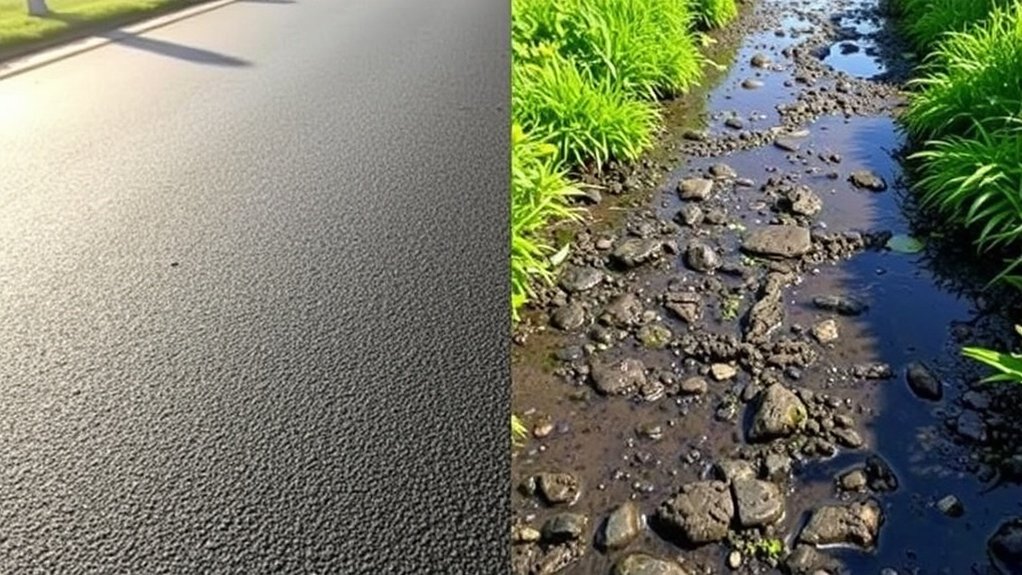
When considering drainage options, it’s crucial to compare initial costs with long-term investments.
A simple financial breakdown highlights key differences between resin and tarmac:
- Initial Costs: Resin typically costs around £120/m² installed, whereas tarmac is about £90/m².
- Maintenance: Resin generally requires less frequent maintenance, leading to lower short-term costs. Tarmac, on the other hand, often needs resealing, which can add to ongoing expenses.
- Lifespan: Resin lasts between 15 to 25 years, while tarmac lasts around 10 to 20 years, potentially resulting in extra replacement costs for tarmac.
- Repair Frequency: Tarmac might require repairs more often, which can increase overall costs over time.
Installation Processes: Time and Complexity
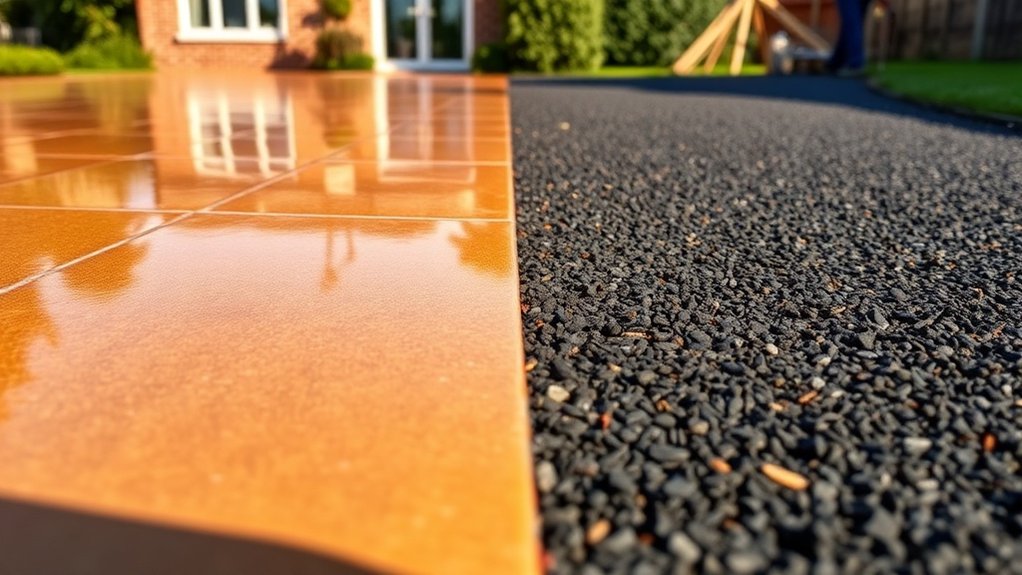
When comparing the installation processes for resin and tarmac, there are notable differences in both time and complexity. A small resin driveway usually takes between 1 to 3 days to complete, from groundwork to a surface ready for curing.
On the other hand, small to medium tarmac installations can often be finished in a single day, although preparation work might extend this timeframe.
Resin installation is generally more complex, requiring skilled professionals to accurately mix materials and distribute aggregates.
Tarmac, while simpler, still demands training in handling hot-mix materials and using compaction techniques.
Access to the site also plays a crucial role; resin installations can be done with smaller equipment, making them suitable for tight spaces, whereas tarmac requires heavier machinery.
Additionally, weather conditions can affect the feasibility of installation for both materials, impacting timelines and overall complexity.
Environmental Impact of Driveway Choices

When choosing driveway materials, it’s important to consider their environmental impact. Here are four key factors to keep in mind:
- Carbon Footprint: Resin surfaces often have a lower carbon footprint than tarmac, especially when made with locally sourced aggregates.
- Water Management: Resin-bound surfaces are permeable, improving drainage and reducing stormwater runoff compared to solid tarmac.
- Ecological Benefits: Permeable resin supports local ecosystems by maintaining natural water cycles and mitigating urban heat effects.
- Maintenance and Waste: Resin driveways typically require less maintenance, producing less waste over time compared to tarmac, which needs more frequent repairs.
Choosing the right material can make a real difference to the environment.
Performance in Nottinghamshire’s Climate
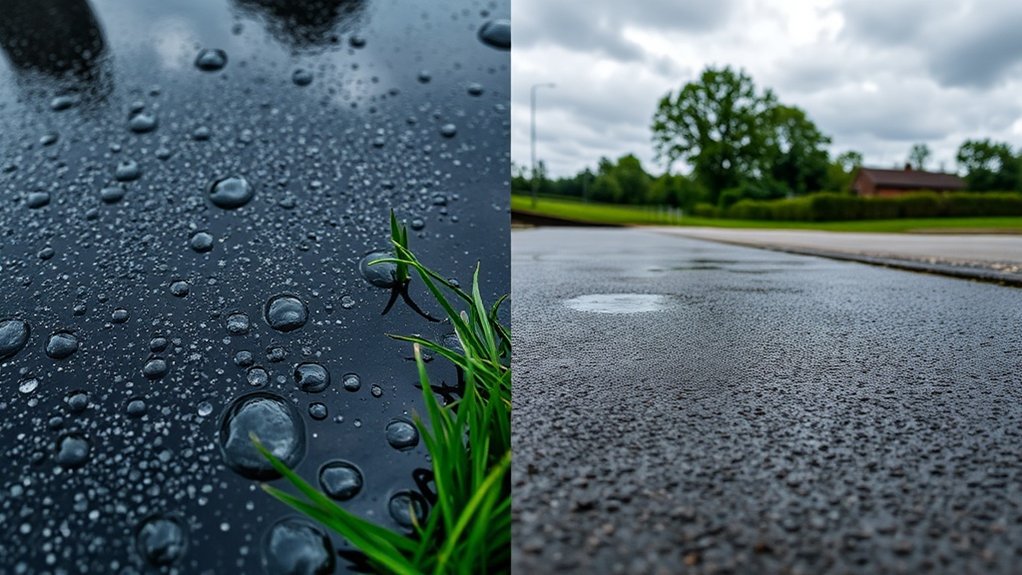
Given Nottinghamshire’s climate, characterised by regular rainfall and chilly winters, choosing the right driveway material is crucial for optimal performance. It’s important to consider climate adaptability and drainage efficiency for long-term durability and reduced maintenance.
| Material Type | Climate Adaptability | Drainage Efficiency |
|---|---|---|
| Resin-Bound | High | Excellent permeability |
| Tarmac (Dense) | Low | Poor without drainage aids |
| Porous Asphalt | Moderate | Good, but requires upkeep |
| Permeable Paving | High | Superior, reduces runoff |
Resin surfaces are particularly effective at managing water and resisting freeze-thaw damage, ensuring they last longer. In contrast, tarmac can trap water, leading to ponding issues during heavy rain. By understanding these factors, you can make a more informed choice for your driveway.
Making the Right Choice for Your Property

When deciding between resin and tarmac for your property, it’s important to think about long-term costs and environmental effects.
Resin might require a larger initial outlay, but it tends to have lower maintenance costs and is more environmentally friendly due to its permeable design.
On the other hand, tarmac is cheaper to install, but you may face extra costs for drainage solutions and ongoing maintenance, which can add up over time.
For instance, if you live in an area prone to heavy rainfall, the need for proper drainage with tarmac could lead to higher expenses in the long run.
Long-Term Cost Efficiency
When deciding between resin and tarmac for your driveway, it’s essential to consider long-term cost efficiency. Here’s a straightforward comparison:
- Initial Costs: Resin typically costs £40-£78 per m², while tarmac ranges from £44-£107.
- Maintenance: Resin needs very little maintenance, whereas tarmac requires resealing every few years, which can add to your expenses.
- Longevity: Resin can last over 20 years with minimal repairs. Tarmac, while sturdy, often suffers from cracks and potholes that require frequent attention.
- Overall Value: Although resin has a higher initial cost, its lower lifetime maintenance makes it the more cost-effective option over time.
Environmental Considerations
When considering your driveway options, it’s important to think about the environment.
Resin bound surfaces are a sustainable choice because they allow rainwater to drain through, which helps prevent urban flooding and supports eco-friendly practices. Unlike impermeable tarmac, resin meets UK regulations for sustainable drainage systems (SuDS), so you won’t need extra drainage infrastructure.
Resin also naturally filters pollutants, safeguarding local water sources from contamination. By promoting groundwater recharge and preventing erosion, it positively impacts local ecosystems.
On the other hand, tarmac can cause runoff that overwhelms drainage systems and introduces harmful chemicals into waterways.
Choosing resin not only benefits the environment but also enhances your property’s resilience to environmental challenges.
Frequently Asked Questions
How Does Resin Affect Local Wildlife Compared to Tarmac?
Resin is beneficial for local wildlife because it allows water to permeate the surface, helping to prevent flooding and maintain a balanced ecosystem. In contrast, tarmac is non-permeable, leading to increased chemical runoff that can harm local habitats. The pollutants from tarmac can further threaten wildlife, making resin a more eco-friendly choice for surfaces.
Can Resin Driveways Be Installed in Winter Conditions?
Yes, you can install resin driveways in winter, but there are some challenges to consider. Professionals ensure proper installation by checking the temperature and humidity levels. They may use winter-grade materials to tackle issues like longer curing times and moisture problems. For instance, if it’s particularly cold or damp, the curing process may take longer than usual, which could delay the completion of your driveway.
What Colors and Styles Are Available for Resin Driveways?
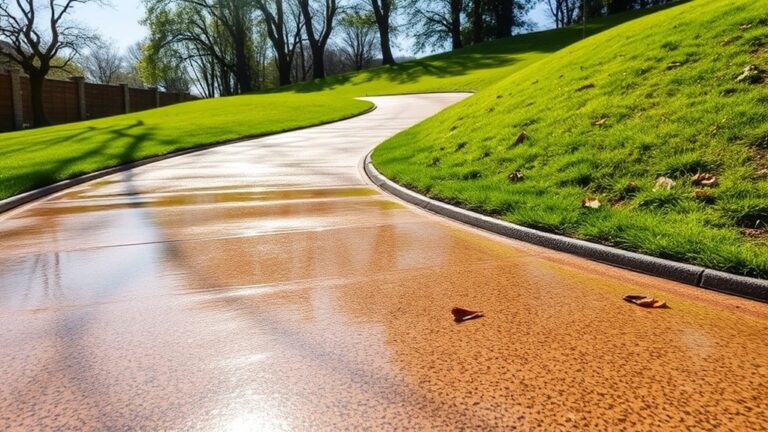
Resin driveways come in a range of colours, such as neutral greys and earthy reds. You can choose from simple finishes or more intricate patterned designs, allowing you to customise your driveway to suit your home’s style.
Are There Any Warranties for Resin and Tarmac Driveways?
Resin driveways usually come with robust warranty coverage, often lasting up to 10 years. In contrast, tarmac warranties are less commonly highlighted. Both types of driveways require maintenance to ensure they last, but resin warranties typically provide greater peace of mind.
How Do Resin and Tarmac Handle Extreme Temperature Fluctuations?
Resin is highly resilient to temperature changes, managing extreme fluctuations without cracking or warping. In contrast, tarmac tends to soften in heat and can deform, leading to quicker wear from ongoing freeze-thaw cycles and thermal stress. For instance, after a hot summer, you might notice tarmac surfaces becoming rutted or uneven, while resin remains intact and durable.
Conclusion
When deciding between resin and tarmac for drainage in Nottinghamshire, it really depends on your individual needs. If you’re after a permeable surface that looks good, resin could be your best bet. Conversely, if you prioritise durability and want something more cost-effective, tarmac might suit you better. Don’t forget that Nottinghamshire’s weather can affect your choice, so consider all factors carefully. Ultimately, the right option will improve both the functionality and appearance of your property.

Compare resin and concrete driveways to discover which option provides superior durability and value, but the answer may surprise you.

The rise of resin-bound driveways is transforming outdoor aesthetics, but what hidden advantages might make them the perfect choice for Read more

Maximize your project's efficiency by understanding the installation times of resin-bound and resin-bonded systems, but which one truly suits your Read more