
Is Resin a Sustainable Driveway Solution?
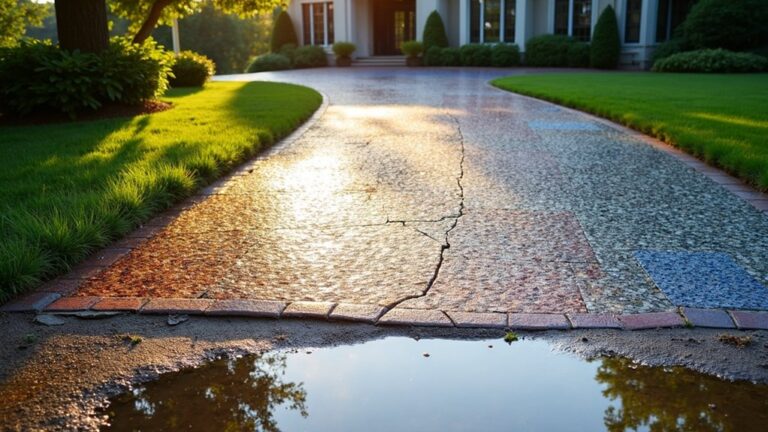
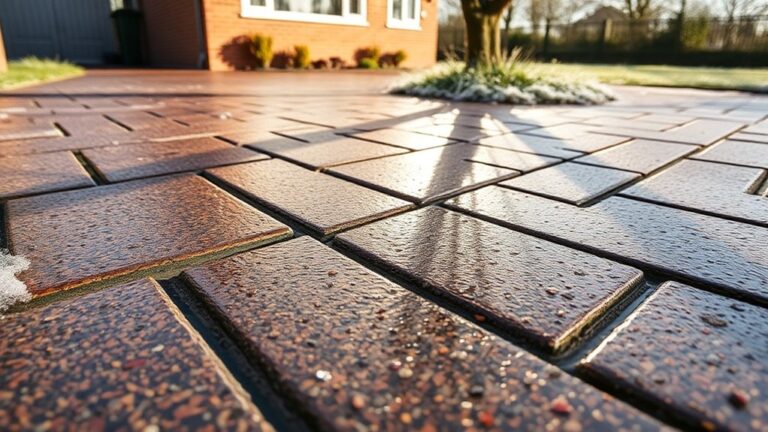
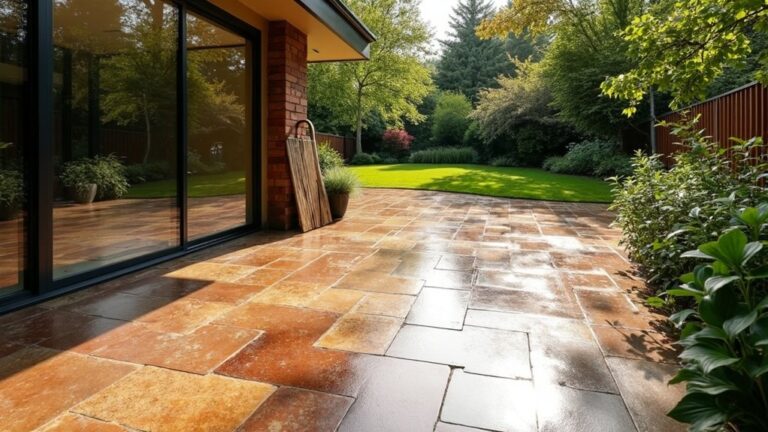
Yes, resin driveways are a sustainable choice. They have a lower carbon footprint during installation and their quick application process saves energy. Their permeable nature effectively manages water, reducing runoff and aiding groundwater recharge. Plus, they last between 15 to 25 years, which helps minimise waste. Eco-friendly materials are used in production, further lowering environmental impact. If you’re interested in the benefits and features of resin driveways, there’s plenty more to discover.
Key Takeaways
- Resin driveways have a lower carbon footprint during installation compared to traditional materials like concrete and tarmac.
- They absorb water effectively, reducing urban runoff and improving drainage, which helps with sustainable water management.
- With a lifespan of 15 to 25 years, resin surfaces need replacing less often, which cuts down on waste and environmental impact.
- The use of non-toxic, eco-friendly materials in resin systems promotes a healthier environment once set.
- Resin driveways not only boost property value and curb appeal but also offer a unique look that complements landscaping well.
Environmental Impact and Sustainability of Resin Driveways

When choosing a driveway, it’s important to consider the environmental impact and sustainability of resin driveways. These surfaces generally have a lower carbon footprint during installation compared to concrete or asphalt, mainly because they can be applied more quickly and require less machinery. The production of resin uses less energy, which leads to lower CO2 emissions. However, it’s crucial to look into the sourcing of materials, as resin is derived from plastic-based components, and their environmental costs can vary. A lifecycle analysis indicates that resin driveways are durable and long-lasting, reducing the need for frequent replacements and the waste that comes with them. While the industry is working on reducing packaging waste, there’s still a need for improved recycling methods to enhance sustainability further. Additionally, opting for resin bound driveways ensures compliance with Sustainable Urban Drainage Systems (SuDS), further supporting environmental protection. The permeable nature of resin driveways also helps in improving local water quality by filtering pollutants.
Benefits of Permeability and Water Management
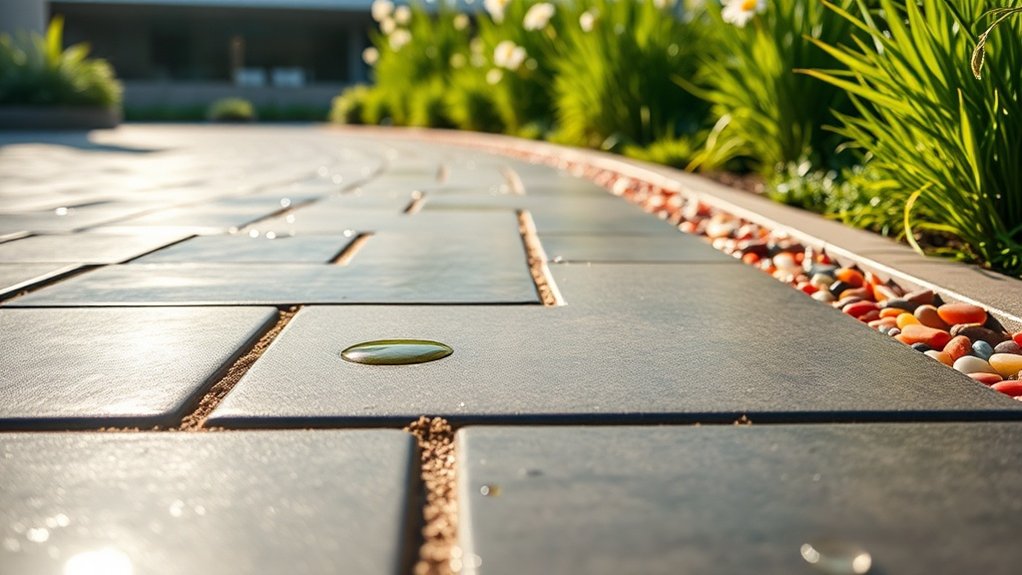
When considering the environmental benefits of resin driveways, their permeability and water management features stand out.
Resin bound surfaces effectively absorb water, preventing pooling and improving drainage in flood-prone areas. The unique design allows water to flow through the gaps created by the aggregate, which helps mitigate flooding. This permeability not only reduces surface runoff but also supports groundwater recharge, aiding natural water cycles. Well-installed resin driveways maintain excellent drainage even in heavy rainfall, reducing risks such as puddles and ice. Moreover, they comply with Sustainable Drainage Systems (SuDS) regulations, making them a smart choice for managing stormwater in residential areas. Additionally, high-quality resin systems can handle 850-1000 litres of water per square metre per hour, ensuring efficient water management. Furthermore, proper installation is crucial for optimal performance, as it significantly affects the longevity and effectiveness of the driveway.
Durability and Longevity of Resin Surfaces
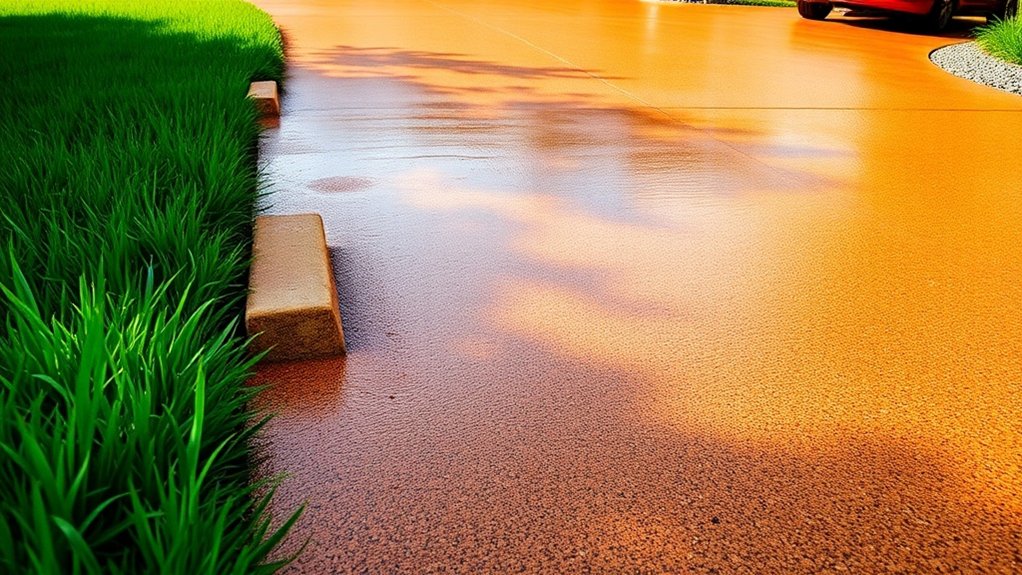
When considering the durability and longevity of resin surfaces, you’ll find they typically last between 15 to 25 years with proper maintenance. Their low upkeep requirements and flexibility help prevent cracking, making resin driveways a sensible option for many homeowners. Additionally, the porous nature of resin surfaces resists wear in various weather conditions, further enhancing their long-lasting appeal. These features make it easier to weigh the benefits of resin against your specific requirements. Furthermore, using high-quality materials during installation can significantly enhance the overall lifespan and durability of your resin driveway.
Exceptional Lifespan Advantages
Resin driveways are known for their impressive lifespan, typically lasting between 15 to 25 years when installed and maintained properly. This durability not only boosts your property’s value but also makes resin a superior option compared to traditional materials. The quality of materials and the skill of the installation team are key to achieving these long-lasting results.
| Factors Influencing Lifespan | Impact on Longevity |
|---|---|
| High-quality resin | Prevents fading |
| Proper mixing ratios | Increases strength |
| Expert installation | Reduces degradation |
| Natural stone aggregates | Enhances durability |
| Environmental exposure | Affects lifespan |
With a smooth, flexible surface that’s resistant to environmental stress, resin driveways offer a remarkable lifespan that justifies the initial investment.
Low Maintenance Requirements
Many driveway options require a lot of upkeep, but resin surfaces are a breath of fresh air with their low maintenance needs.
To keep your driveway looking its best, simply sweep it once a month to prevent dirt and debris from building up. A gentle pressure wash once or twice a year will refresh the surface without causing damage.
Any stains from spills can be easily cleaned with mild detergent, and weed growth is minimal, requiring just the occasional manual removal.
Regular checks every few months help you spot minor issues early. These straightforward practices ensure your resin driveway remains functional and attractive with minimal effort over the years.
Flexibility Against Cracking
Resin driveways are popular due to their low maintenance and impressive flexibility against cracking. The high-quality resin acts as a flexible binding agent, allowing for slight movement in the ground without cracking.
This flexibility helps absorb stress, distributing vehicle weight evenly and reducing pressure points. Unlike rigid materials, resin can adapt to ground movement and temperature changes, minimising the risk of damage.
Additionally, the seamless installation eliminates weak points common in traditional paving, enhancing resistance to cracks.
With proper installation, resin-bound surfaces can last between 15 to 25 years, significantly outlasting asphalt and concrete, making them a solid choice for a sustainable driveway.
Installation Carbon Footprint Considerations
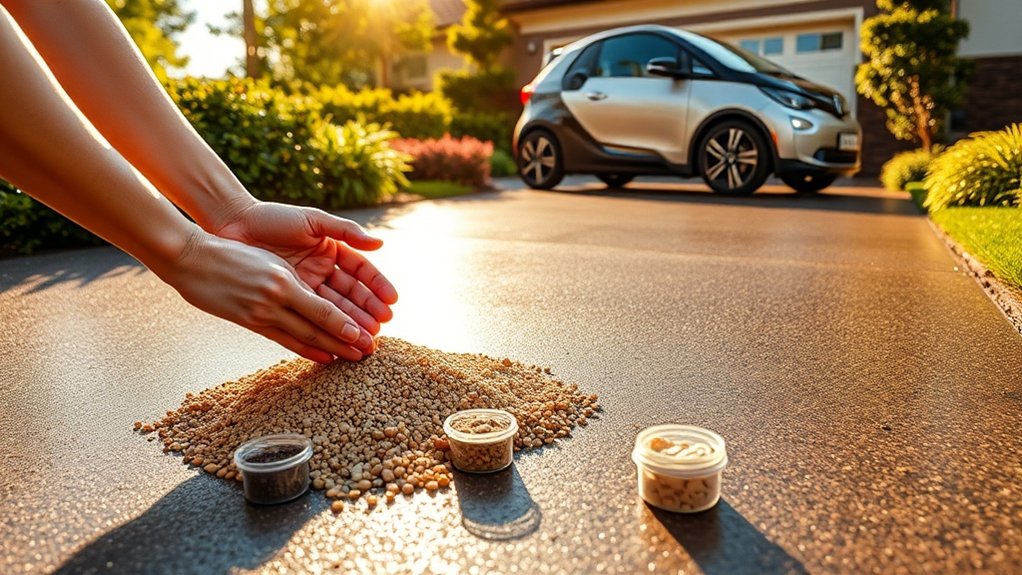
When considering the carbon footprint of installing a driveway, resin-bound systems offer several benefits over traditional paving methods.
Here are the key points:
- Energy Efficiency: The quicker application process means less energy is used overall.
- Cold-Mixing Techniques: Mixing materials on-site reduces the energy required for preparation, helping to lower carbon emissions.
- Reduced Machinery Use: Using less heavy equipment means lower fuel consumption and a smaller carbon footprint.
- Advanced Equipment: Tools like EcoBatcher optimise the mixing process, which helps cut down transport-related emissions.
Material Composition and Waste Reduction Strategies

The material composition of resin-bound driveways significantly impacts their sustainability and waste reduction potential.
These driveways feature natural aggregates like marble, gravel, and quartz, mixed with UV-resistant polyurethane resin. You can personalise the aggregate to achieve your preferred colour and texture, and some mixes incorporate recycled materials, such as crushed glass, which enhance both appearance and safety.
The mixing process is done on-site, reducing packaging waste and eliminating the need for energy-intensive heating. Furthermore, any leftover material can often be reused for repairs, which minimises construction waste and promotes a more sustainable installation.
Ecological and Aesthetic Advantages of Resin Driveways

When considering a resin driveway, you’ll discover it offers notable ecological and aesthetic benefits.
It helps maintain local biodiversity by preserving existing plants, and its eco-friendly materials enhance the surrounding area.
Plus, the variety of designs lets you create a visually appealing space that complements your garden beautifully.
Promotes Local Biodiversity
While many driveway options focus on looks or durability, resin driveways uniquely promote local biodiversity. Their permeable surface not only ensures effective water drainage but also supports wildlife habitats.
Here are some key benefits:
- Supports biodiversity corridors, linking fragmented green spaces.
- Enhances habitats for insects and pollinators by allowing vegetation to thrive along the driveway edges.
- Encourages groundwater recharge, helping maintain soil moisture vital for local ecosystems.
- Reduces urban runoff, which improves water quality and cuts down erosion in nearby habitats.
Enhances Landscape Aesthetics
Resin driveways are an excellent choice for improving the appearance of your landscape. They offer a wide range of colour options, allowing you to match your driveway to your home’s architectural style.
The texture can resemble natural stones like marble and granite, providing a sophisticated look without the maintenance hassles. You can also opt for unique multi-tone blends that add character and boost your property’s curb appeal.
Plus, resin can seamlessly integrate with other landscaping features, creating a harmonious overall aesthetic. With UV-stable resins, the vibrant colours will last, ensuring your driveway looks great for years to come.
Non-Toxic, Eco-Friendly Materials
Resin driveways not only look great but also prioritise sustainability with their use of non-toxic, eco-friendly materials. Here are some key benefits:
- Sustainable sourcing: Many resin systems incorporate recycled materials like crushed glass and rubber, which helps reduce the need for new resources.
- Low-impact materials: The polyurethane resins used are non-toxic once cured, meaning they’ve minimal environmental impact during installation.
- Energy efficiency: Producing and installing resin requires less energy compared to traditional paving, resulting in lower carbon emissions.
- Waste reduction: Their durability leads to fewer repairs and less waste, contributing to a reduced carbon footprint over time.
In short, resin driveways are an attractive and environmentally friendly choice for any home.
Frequently Asked Questions
How Do Resin Driveways Compare to Traditional Driveways in Cost?
Resin driveways typically have higher installation costs, ranging from £10 to £18 per square foot. However, they can last 15 to 20 years with minimal maintenance, which may balance out the initial expense when compared to traditional driveways like concrete and asphalt that often require more upkeep.
Can Resin Driveways Be Installed Over Existing Surfaces?
Yes, you can install resin driveways over existing surfaces. The key is proper surface preparation; ensure your base is solid and clean. This improves adhesion and ensures a durable driveway. For example, if you have a concrete or tarmac surface, a resin driveway can provide a fresh, attractive finish without the need for complete removal.
What Colors and Designs Are Available for Resin Driveways?
Resin driveways come in a variety of colour options, from natural shades to vibrant hues and greys. You can choose from simple geometric patterns to custom designs, allowing you to personalise your driveway to match your style. For example, a warm terracotta can give a rustic feel, while a sleek charcoal grey offers a modern touch.
Are Resin Driveways Safe for Pets and Children?
Yes, resin driveways are safe for pets and children. Their non-toxic materials and smooth surfaces help prevent slips and falls. Plus, they’re easy to clean, reducing the risk of ingestion or skin irritation. This makes them a great choice for families looking to create a safe outdoor space for play.
How Do Temperature Changes Affect Resin Driveway Performance?
Temperature fluctuations can affect the stability of resin driveways, as the material expands and contracts slightly without causing damage. For instance, during hot summer days, the surface may soften a bit, while in colder months, it hardens. To ensure your driveway withstands these thermal changes, proper installation and regular maintenance are crucial. This will enhance its durability throughout the seasons, allowing it to perform well year-round.
Conclusion
When considering resin driveways, it’s important to balance appearance with environmental impact. Resin driveways are known for their durability and permeability, but it’s crucial to consider the carbon footprint associated with their installation and the materials used. Think of it like choosing between different gardening methods – some may look good but could harm the environment. If you adopt eco-friendly practices and make informed choices, resin driveways can indeed be a sustainable option that aligns with your environmental values.

Compare resin and concrete driveways to discover which option provides superior durability and value, but the answer may surprise you.

The rise of resin-bound driveways is transforming outdoor aesthetics, but what hidden advantages might make them the perfect choice for Read more

Get the facts on resin vs. concrete driveways and discover which option could save you money in the long run. Read more