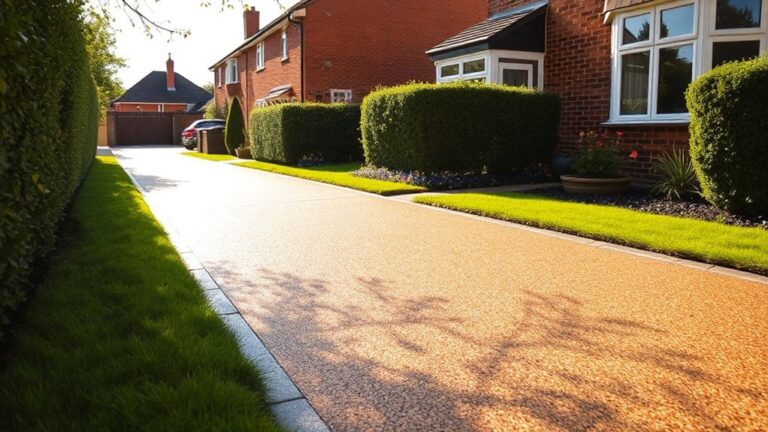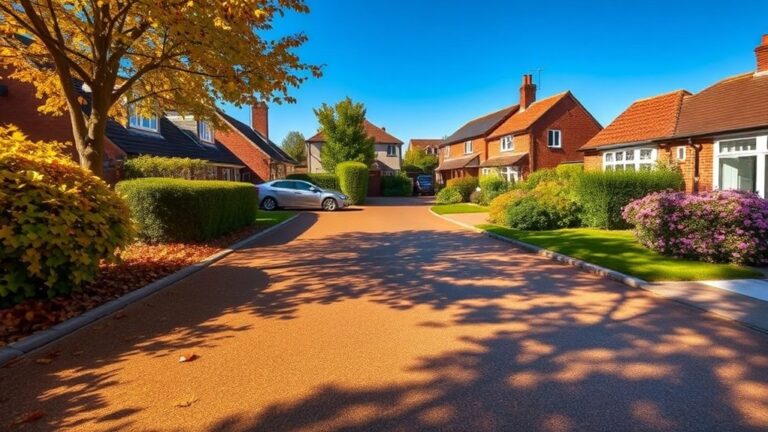
What Are Nottinghamshire Council Rules for Resin Driveways?
Nottinghamshire Council requires planning permission for resin-bonded driveways that exceed 5m² due to drainage issues. However, permeable resin-bound surfaces typically do not need permission. If your driveway is in a conservation area or a listed building, you’ll need to obtain specific consents and use suitable materials to preserve the area’s historical character. Regular maintenance is essential for the longevity of your driveway, and adhering to local regulations is crucial for effective flood management. Learn more about how to stay compliant and the advantages of resin driveways for your home.
Key Takeaways
- Resin-bound driveways typically don’t need planning permission unless the area is larger than 5 square metres.
- It’s wise to check with your local council for specific drainage and installation requirements.
- If your property is a listed building, you’ll need to obtain Listed Building Consent from Nottinghamshire County Council’s Conservation Officer before installing a driveway.
- In conservation areas, ensure that the materials you choose match the historical context in terms of colour and texture.
- Always opt for a certified installer who understands local regulations and Sustainable Drainage Systems (SUDS) compliance.
Planning Permission for Resin Driveways in Nottinghamshire
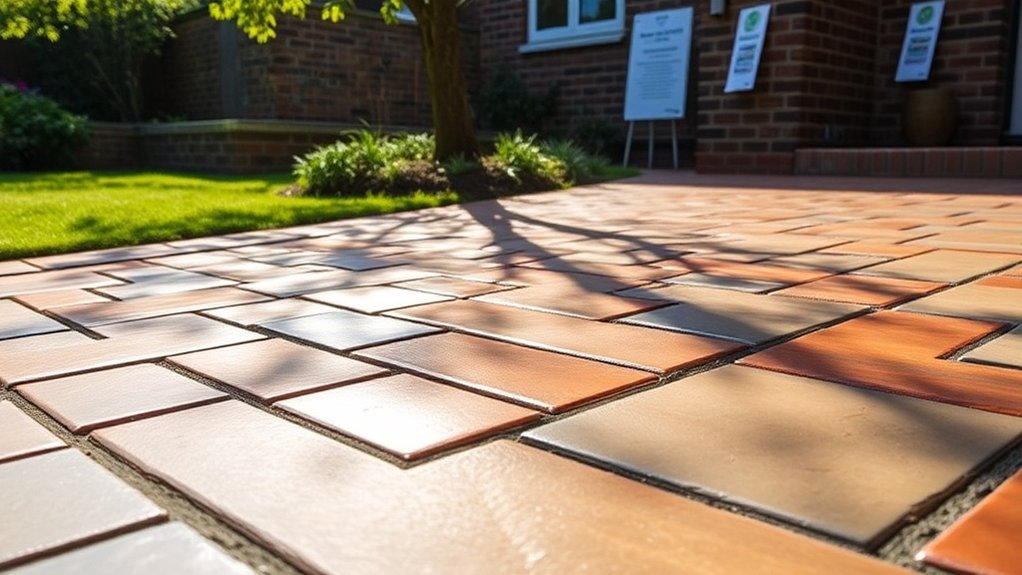
If you’re thinking about installing a resin driveway in Nottinghamshire, it’s important to know the planning permission rules involved.
Generally, if you opt for a permeable resin-bound surface, you won’t need planning permission, no matter how large it is. Additionally, permeable surfaces like resin-bound driveways allow for flexible design options, which can enhance the aesthetic appeal of your property. Furthermore, adhering to Sustainable Drainage Systems regulations ensures that water runoff is effectively managed, promoting environmental sustainability.
On the other hand, if you’re considering a resin-bonded driveway that’s over 5 square metres, you’ll need to obtain planning permission due to concerns over surface water drainage and potential flooding, especially for impermeable surfaces in front gardens.
If you live in a flat or a converted house, you may face additional challenges, as these properties often require specific checks from the local authority.
Before you begin, make sure your contractor is compliant with council regulations. This is particularly important if you want to enjoy the low maintenance and aesthetic benefits that resin driveways offer.
Permeability and Drainage Requirements
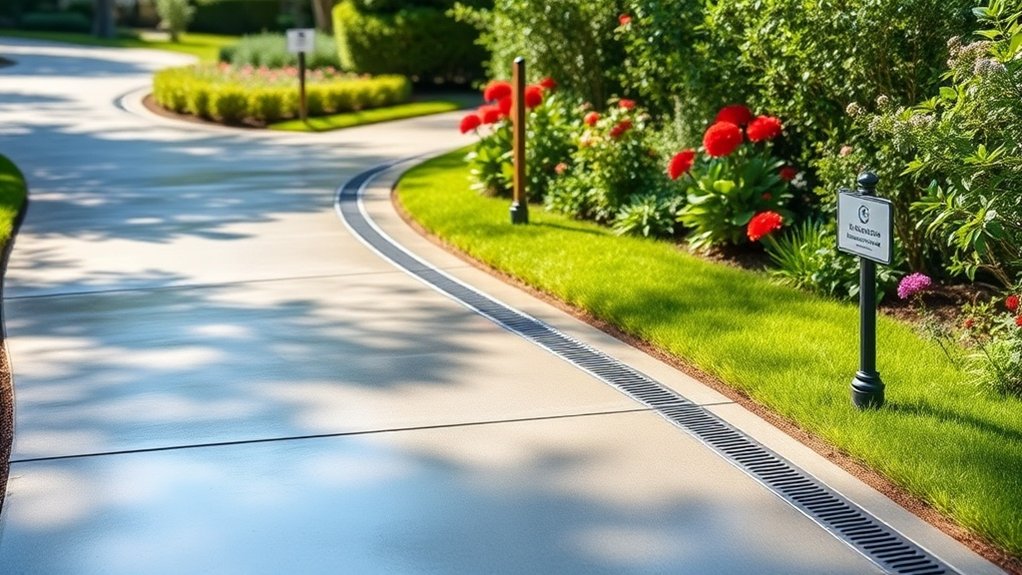
Understanding permeability and drainage is essential when considering a resin driveway in Nottinghamshire.
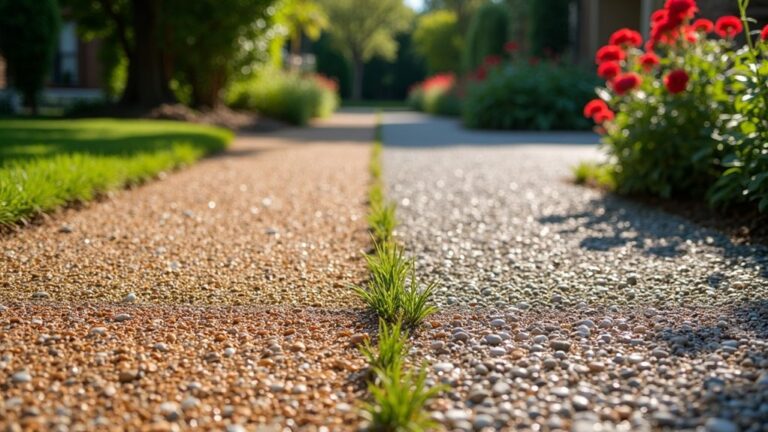
Resin-bound driveways allow water to filter through, reducing surface water runoff and helping to prevent flooding. On the other hand, resin-bonded driveways are non-permeable, which means you’ll need additional drainage solutions to meet regulations.
UK guidelines promote permeable surfaces to help manage flood risks and comply with Sustainable Drainage Systems (SUDS). The installation of permeable tarmac can also be a viable alternative that enhances drainage capabilities.
Good drainage is crucial to prevent water build-up and avoid straining public drainage systems. Choosing a resin-bound driveway can often eliminate the need for planning permission, making your project simpler.
Always check with your local authority to ensure your driveway meets drainage standards and is environmentally friendly.
Special Considerations for Listed Buildings and Conservation Areas

If you’re planning to install a resin driveway for a listed building or in a conservation area, you need to secure the proper permissions first. This is crucial to avoid any legal complications. Make sure to provide detailed information about the materials and design, as even minor changes can affect the building’s character or the area’s appearance. Expect thorough examination from conservation officers, who’ll check that your proposal meets historical and architectural standards. Additionally, using a resin bound driveway can enhance the aesthetic appeal while ensuring compliance with regulations.
Listed Building Permissions
If you’re thinking about installing a resin driveway on a listed building, it’s crucial to understand that you’ll need specific permissions in addition to standard planning approval.
Here’s what you need to know to ensure you preserve the historic character of your property:
- Get Listed Building Consent: Apply through Nottinghamshire County Council’s Conservation Officer or planning department before making any changes.
- Choose the Right Materials: The resin should match the historic surroundings in colour and texture. Avoid non-permeable options to minimise flood risks.
- Ensure Reversibility: Your plan must demonstrate that the driveway can be removed without causing permanent damage to the building or its setting.
Undertaking work without the necessary permissions can lead to legal issues, so make sure you comply with these guidelines for your resin driveway project.
Conservation Area Regulations
Conservation area regulations are crucial for preserving the historical and architectural character of properties in Nottinghamshire, especially when installing a resin driveway.
If your property is within a conservation area, you must ensure that your driveway meets specific guidelines. These rules aim to maintain historical integrity and visual harmony, often requiring permeable surfaces to manage surface water runoff effectively. It’s important to use materials that are stable and in keeping with the area’s character. For larger resin installations, you may need to seek planning permission, so it’s wise to consult with the Nottinghamshire council planning officers beforehand. Following these regulations not only protects local heritage but also allows for modern upgrades. Additionally, permeable materials are recommended for effective drainage compliance in conservation areas.
Maintenance and Durability of Resin Driveways
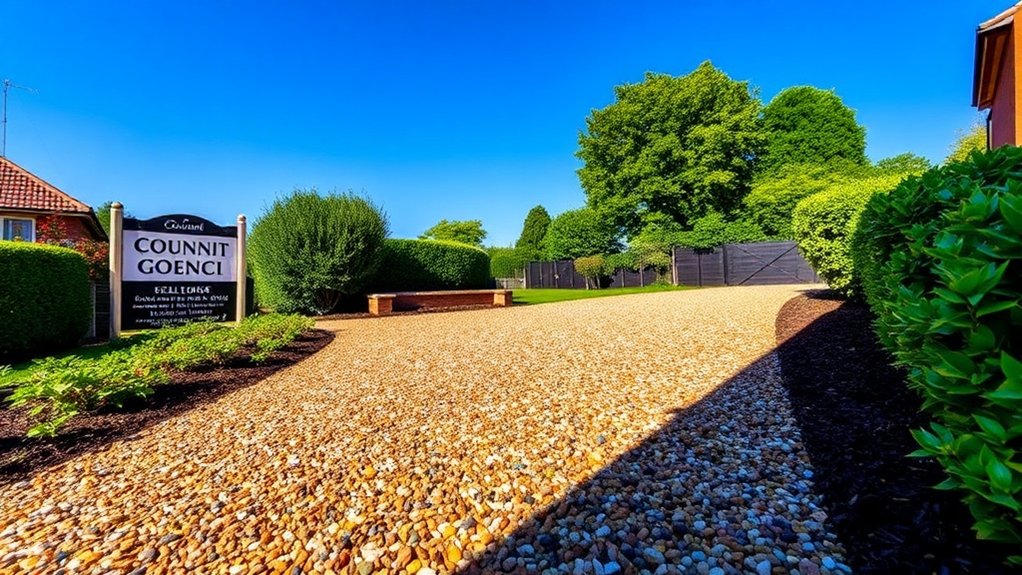
Maintaining your resin driveway is simple. Just clean it regularly and check for any issues now and then to ensure it lasts.
With proper care, these driveways can last between 15 to 25 years, making them a solid option for your home. Their low maintenance requirements, along with good drainage and resistance to chemicals, help them perform well over time.
Low Maintenance Requirements
While traditional surfaces often require regular upkeep, resin driveways are known for their low maintenance needs. Keeping your driveway in good shape is simple and infrequent.
Here are the main tasks you’ll need to carry out:
- Routine Cleaning: A quick sweep and occasional rinse with water or a mild detergent will keep the surface clean.
- Stain Management: Clean up any oil, grease, or chemical stains promptly to prevent absorption, though the surface is generally resistant to stains.
- Visual Inspections: After severe weather, a brief check ensures everything remains intact.
With various design and colour options available, you can enjoy an attractive driveway without the hassle of constant repairs or maintenance.
Longevity and Durability
Understanding the longevity and durability of resin driveways depends on several key factors, including the quality of the materials, installation methods, and environmental influences. The lifespan of the surface can vary significantly based on these aspects.
| Factor | Impact on Durability |
|---|---|
| Material Quality | High-quality resins can last over 15 years |
| Installation Techniques | Proper mixing prevents delamination |
| Traffic Volume | Light traffic promotes longevity |
| Environmental Conditions | UV exposure can cause fading |
| Maintenance | Regular cleaning helps maintain durability |
Using certified installation techniques and UV-stable materials will improve your driveway’s durability. Routine maintenance, such as cleaning up spills and debris, is essential for minimising wear and ensuring your resin driveway remains functional and attractive for years to come.
Compliance With Local Regulations and SUDS
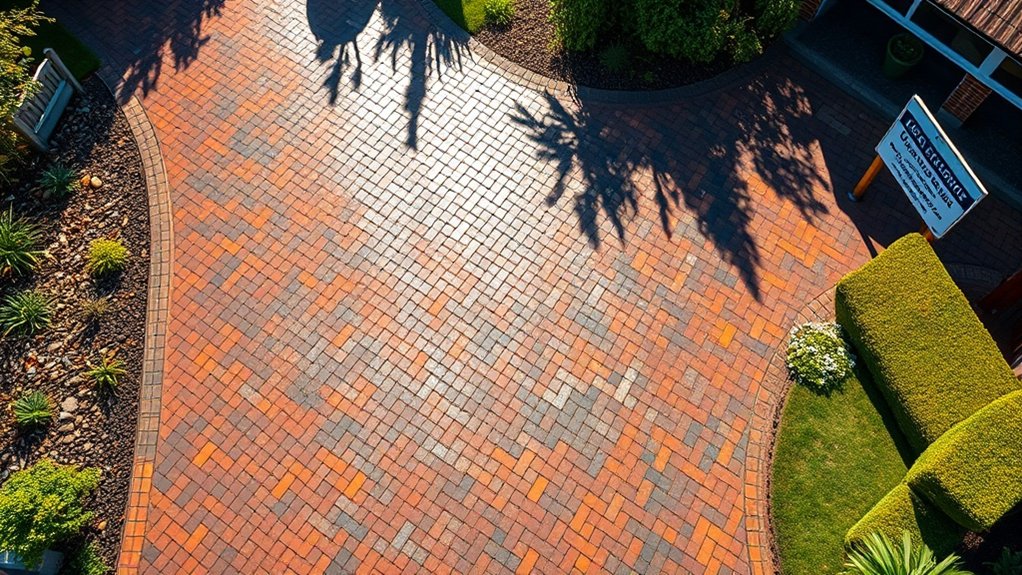
When installing resin driveways in Nottinghamshire, it’s crucial to comply with local regulations and Sustainable Urban Drainage Systems (SUDS).
Here are some key points to keep in mind:
- Opt for permeable materials, such as resin bound systems, which allow rainwater to seep through and meet SUDS standards.
- If you choose non-permeable materials that cover an area greater than 5m², you’ll need to apply for planning permission due to concerns about surface water runoff.
- Always consult with local authorities and certified installers to ensure your installation methods are compliant and effectively manage drainage.
Environmental Impact of Resin Driveways
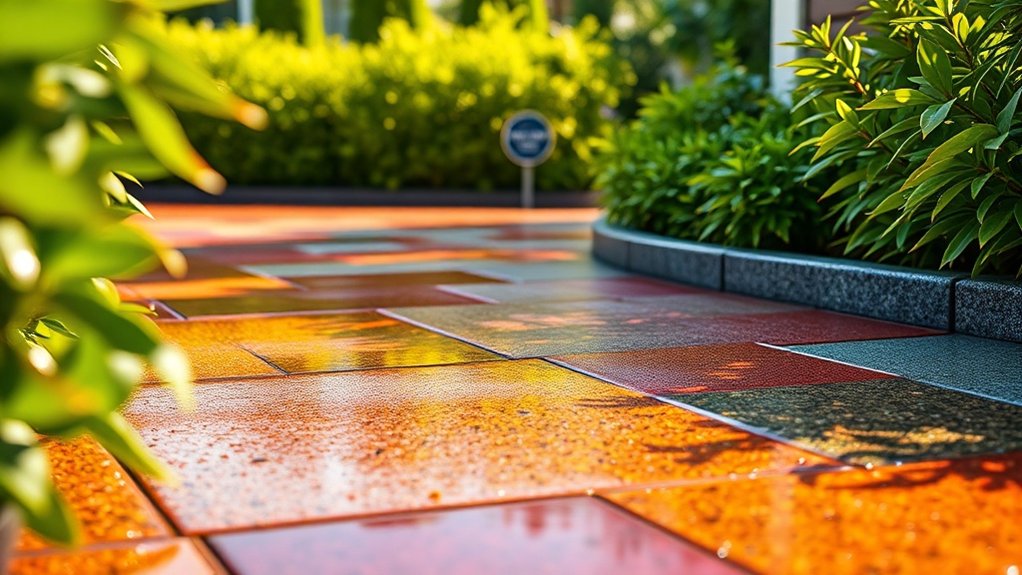
Resin driveways not only comply with local regulations and drainage requirements but also provide notable environmental advantages. Their permeability allows rainwater to seep through, replenishing groundwater and reducing surface runoff, which helps to minimise flooding risks. Made from eco-friendly materials and sustainably sourced components, resin systems offer sustainability benefits that traditional driveways simply do not.
| Feature | Benefit |
|---|---|
| Permeability | Reduces flooding and supports groundwater |
| Eco-Friendly Materials | Cuts down on waste and pollution |
| Low Carbon Footprint | Installation requires fewer resources |
| Aesthetic Appeal | Flexible designs improve property appearance |
In short, choosing a resin driveway is a smart, environmentally friendly option for your property.
Choosing a Certified Installer in Nottinghamshire

When choosing a certified installer for your driveway in Nottinghamshire, it’s crucial to consider their qualifications and experience.
Ensure the installer has:
- Verified Certifications: Look for memberships in relevant trade associations, such as the Resin Bonded Surfacing Association, which demonstrate their commitment to industry standards.
- Proven Experience: Review their portfolio for completed projects in Nottinghamshire. This shows they understand local regulations and installation methods.
- Insurance and Compliance: Make sure they’ve public liability insurance and can prove compliance with SUDS (Sustainable Urban Drainage Systems) for resin-bound surfaces.
Taking these steps will help you find a reliable installer for your driveway project.
Frequently Asked Questions
What Is the Average Cost of Installing a Resin Driveway in Nottinghamshire?
A resin driveway in Nottinghamshire generally costs between £70 and £100 per square metre. Factors such as size, design complexity, and the type of aggregate used can affect the overall price. It’s important to hire a professional for installation to ensure compliance and longevity.
How Long Does a Resin Driveway Typically Last?
A resin driveway usually lasts between 15 to 25 years, depending on the quality of the resin and how well it’s maintained. Regular cleaning and resealing can significantly prolong its life, helping you get the most from your investment. For example, think of it like taking care of your car; a bit of regular upkeep goes a long way in keeping it running smoothly.
Can I Install a Resin Driveway Myself?
Installing a resin driveway yourself is not advisable due to the technical complexities involved and the specialised tools required. It’s best to hire certified installers who can ensure compliance with regulations and prepare the surface correctly. This way, you’ll end up with a durable, long-lasting driveway that looks great.
Are There Specific Color Options Available for Resin Driveways?
Yes, there’s a wide range of resin colour options for your driveway. You can choose from natural shades to bold colours, allowing you to personalise your driveway while adhering to local design regulations. For instance, if you live in a period property, you might opt for earthy tones to complement the architecture.
How Long Does It Take to Install a Resin Driveway?
Installing a resin driveway usually takes between 1 to 3 days, depending on its size and the weather conditions. To ensure the best results, it’s important to follow maintenance tips during the installation. This will help guarantee proper curing and extend the lifespan of your new surface.
Conclusion
Navigating Nottinghamshire’s council rules for resin driveways involves more than just laying a surface; it’s about making responsible choices. You need to consider planning permissions, drainage requirements, and local regulations to ensure your project meets environmental standards.
When selecting a certified installer, remember that your choices impact your property’s future. For example, ensuring proper drainage can prevent water pooling and flooding, which are common issues in the area. By investing in quality and compliance, your driveway can be a lasting testament to your commitment to both aesthetics and environmental responsibility.

How do city and rural driveway regulations differ, and what key factors can you prioritize to ensure compliance and enhance Read more

Compare resin and concrete driveways to discover which option provides superior durability and value, but the answer may surprise you.

Know the essential legal requirements for driveways in Nottingham to ensure compliance and avoid penalties—discover the steps you need to Read more