
Resin vs. Concrete Driveways: Which One Offers the Best Value
Picture a driveway that not only enhances your home's curb appeal but also stands the test of time. When considering resin versus concrete driveways, you might find yourself weighing the initial costs against long-term benefits. Each material has its merits, but the ultimate choice hinges on factors like durability, maintenance, and environmental impact. So, which option truly offers the best value for your investment?
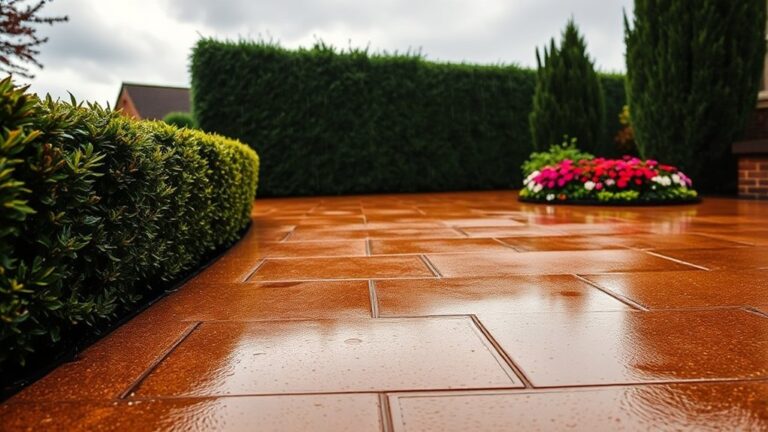
Aesthetic Appeal: Customization and Design Options
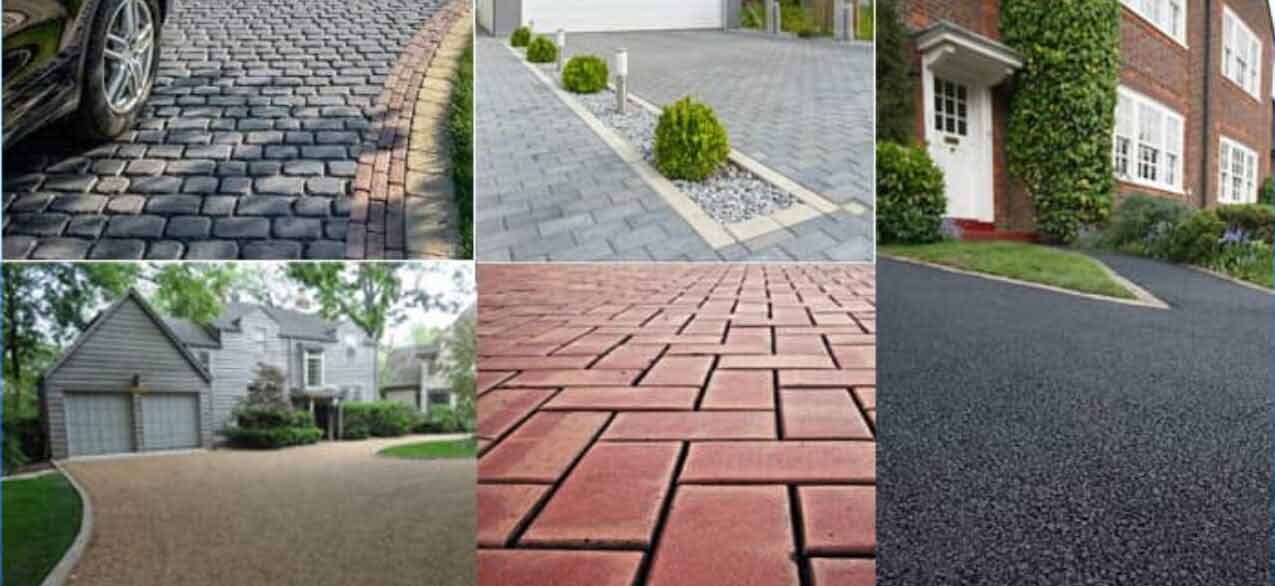
When considering the aesthetic appeal of driveways, you'll find that resin offers unparalleled customization and design options compared to concrete.
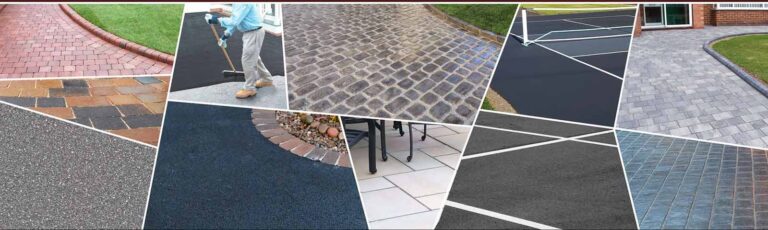
The color variety in resin driveways guarantees you can select hues that enhance your property's charm, while its design patterns enable unique aesthetics tailored to your taste.
Resin driveways offer a stunning array of colors and design patterns, allowing for personalized aesthetics that elevate your property's appeal.
Unlike concrete, which often requires staining for color, resin allows for a seamless blend of textures and finishes, incorporating aggregates that add depth and interest.
This versatility caters to both modern and traditional styles, guaranteeing visual harmony with your home's architecture.
With UV-resistant properties, resin maintains vibrant colors over time, making it a practical choice for achieving a stunning driveway that stands out in your neighborhood. Additionally, the customizable aggregates and colors in resin bound paving further enhance its appeal, allowing homeowners to create personalized designs that reflect their individual style.
Durability and Maintenance Requirements
The impressive aesthetic appeal of resin driveways comes with considerations of durability and maintenance that can greatly impact their long-term value.
Resin driveways typically last 15 to 25 years, while concrete can extend to 30 years, depending on installation quality and environmental conditions.
Resin surfaces resist cracking and require minimal upkeep, as they're easy to clean and naturally deter weed growth.
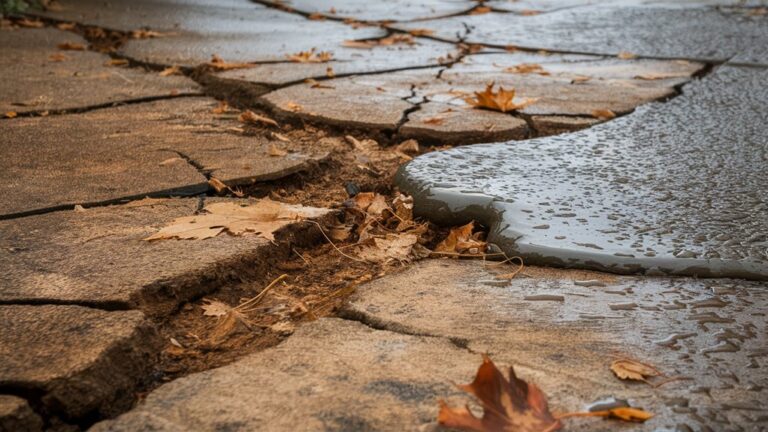
In contrast, concrete drives may develop cracks and necessitate regular sealing and repairs, which can be complex and costly.
Although resin driveways may have higher initial costs, their lower maintenance requirements and durability can lead to long-term savings, making them a valuable investment compared to traditional concrete options. Additionally, the porous nature of resin driveways allows for effective drainage, enhancing their longevity and performance.
Installation Time and Process Comparison
Although both resin and concrete driveways offer durable options, their installation processes and timelines differ considerably.
Resin driveways typically take just 1-3 days for installation, depending largely on factors like size and design complexity. Weather conditions and contractor expertise can also impact this timeframe, as resin applications cure quickly compared to concrete.
Resin driveways can be installed in just 1-3 days, influenced by size, design, and weather conditions.
On the other hand, concrete involves pouring and finishing, which includes labor-intensive shaping and smoothing before it sets, leading to longer installation times. Concrete driveways can last up to 30 years with proper maintenance, making them a worthwhile investment.
Both materials require thorough surface preparation, but resin's installation challenges are often greater due to its sensitivity to extreme conditions.
Understanding these curing processes and installation nuances is essential for making an informed choice between the two options.
Cost Analysis: Initial Investment vs. Long-Term Expenses
Understanding the cost dynamics between resin and concrete driveways is essential for making an informed decision. Your initial investment for a resin driveway typically ranges from £120 to £130 per m², which is higher than concrete's $5 to $18 per square foot.
However, resin's minimal maintenance needs can lead to lower long-term expenses, as it remains durable and requires fewer repairs. Concrete, while offering a more economical upfront cost, may incur higher repair costs over time due to potential cracking. Ultimately, while both materials provide long-term value, resin's lower maintenance requirements may offset its initial investment, making it a compelling choice for cost-conscious homeowners prioritizing durability and reduced upkeep. Additionally, well-installed resin driveways can last over 20 years, providing excellent value for the initial cost.
Environmental Impact of Driveway Materials

When considering driveway materials, evaluating their environmental impact is essential for making a responsible choice.
Resin driveways excel in sustainability practices, featuring permeable surfaces that allow water drainage, reducing flooding risks and supporting sustainable urban drainage systems (SuDS). They often incorporate recycled materials, which minimizes resource consumption and lowers ecological footprints.
In contrast, concrete driveways are non-permeable, leading to runoff and a greater carbon footprint due to their resource-intensive production. While both materials are durable, resin's longevity means fewer replacements, further reducing environmental strain.
However, note that most resin types are non-biodegradable, derived from non-renewable sources. Permeable paving materials can also offer significant environmental benefits by allowing for stormwater management and groundwater recharge.
Ultimately, considering these factors can guide you toward a more environmentally responsible decision.
Performance and Load Capacity Considerations
As you evaluate driveway materials, performance and load capacity are critical factors that can greatly influence your decision.
Resin driveways offer impressive durability and cracking resistance, making them suitable for moderate traffic. However, their load capacity may not match concrete's, particularly in high-traffic areas.
Concrete driveways excel in load-bearing capacity, providing stability for heavy vehicles and continuous use.
Both materials require a strong sub-base to support their performance; resin relies on flexible components, while concrete demands consistent cement quality. Additionally, concrete's durability ensures it can withstand various weather conditions and heavy loads over an extended period.
Ultimately, a performance comparison reveals that if you expect heavy traffic, concrete might be your best bet, whereas resin offers an aesthetically pleasing option with decent load tolerance for lighter use.
Frequently Asked Questions
How Do Weather Conditions Affect Resin and Concrete Driveways?
Weather conditions greatly impact both resin and concrete driveways. Temperature effects influence flexibility and durability; resin's sensitivity to moisture during installation contrasts with concrete's resilience, making both materials perform differently under various weather scenarios.
Can Resin Driveways Be Repaired if Damaged?
Yes, you can repair resin driveways if damaged. Regular driveway maintenance includes addressing cracks and loose stones. With the right tools and materials, effective resin repairs can restore your driveway's appearance and longevity.
Are There Specific Care Instructions for Resin and Concrete Driveways?
While both driveways need care, your maintenance frequency differs. For resin, sweep and rinse regularly. Concrete requires sealing and crack repair. Follow these care tips to prolong durability and enhance aesthetic value for both surfaces.
What Are the Best Uses for Resin vs. Concrete Driveways?
When considering best uses, you'll find resin advantages in residential areas for aesthetics and permeability, while concrete durability excels in heavy-duty applications. Assess your space requirements to choose the most suitable option for your needs.
How Do Installation Techniques Differ for Resin and Concrete Driveways?
Think of a well-orchestrated symphony; the installation process for resin and concrete driveways varies markedly. Surface preparation for resin focuses on a clean, stable base, while concrete demands excavation and a solid sub-base for structural integrity.
Conclusion
In the grand scheme of driveway options, resin emerges as a sophisticated choice, marrying longevity with minimal upkeep. While the initial investment may seem elevated, the long-term savings and aesthetic versatility it affords make it a prudent selection for discerning homeowners. Concrete, with its propensity for wear, may not withstand the test of time quite as gracefully. Ultimately, choosing resin not only enhances your property's allure but also reflects a commitment to enduring quality and sustainable design.

The Dilemma of Homeowners One of the most common and frustrating issues that homeowners face is driveway cracks. These cracks Read more

We all have an idea of how we want our driveways to look; whether it's the feel of a smooth Read more
We all know that the driveway is one of the most important features of any home. It sets the tone Read more