
What Is Better For A Driveway Concrete Or Asphalt?
We all have an idea of how we want our driveways to look; whether it’s the feel of a smooth asphalt or the texture of concrete, it’s a decision that often presents a dilemma.
When faced with choosing between concrete and asphalt for a driveway, it’s important to consider all aspects of the job. From cost to maintenance to weather resistance, the differences between the two materials can be vast.
In this article, we will explore the differences between concrete and asphalt driveways, so that you can make an informed decision on which material is best for your home. We will discuss the cost considerations, maintenance requirements, weather resistance, and aesthetics of each material to give you a better understanding of how they compare.
By the end of this article, you will have a better understanding of which material is best for your driveway.
Cost Considerations
Depending on your budget, you may want to weigh the costs of either option to decide which one is right for you.
Concrete is typically more expensive than asphalt, especially when it comes to installation fees, as it requires more labour and materials to install.
However, concrete has a longer lifespan and can last up to 30 years or longer, making it a better option for longevity benefits.
On the other hand, asphalt has a lifespan of around 15-20 years, so it may be more cost-effective in the short-term.
However, it will need to be replaced more often than concrete, so its long-term benefits may not be as good.
With that said, both options require regular maintenance to ensure their longevity, so maintenance requirements should be taken into consideration when deciding which one is right for you.
Maintenance Requirements
Investigating the truth of the theory that one requires less maintenance than the other, it’s clear that neither option is completely maintenance-free. Both concrete and asphalt driveways require regular upkeep to ensure safety and to prevent damage.
Here are the main points of consideration when it comes to maintenance:
- Cleaning: Both materials require regular cleaning to prevent staining and discolouration. For concrete driveways, a power washer is recommended to remove dirt, debris, and oil stains. Asphalt driveways should be swept to remove debris and then cleaned with a detergent solution.
- Sealing: Sealing concrete and asphalt driveways is often recommended to help protect the surface from the elements. Sealing also helps to prevent water damage and to reduce cracking.
- Repair: When it comes to repairs, concrete driveways may require patching or resurfacing, while asphalt driveways can be sealed or resurfaced. Regardless of the material, any repairs should be done promptly to prevent further damage.
Considering both the installation process and the maintenance requirements, safety concerns should be addressed with both materials. With proper care and maintenance, both asphalt and concrete can provide durable, long-lasting driveways.
As we move forward, it’s important to consider the weather resistance of both materials.
Weather Resistance
You need to consider the weather resistance of both materials when deciding which is right for you. Concrete is known for its durability and longevity, which is particularly beneficial in climates that experience extreme temperatures, such as freezing cold winters and scorching hot summers. The material is not as susceptible to cracks and potholes, which are common problems for asphalt driveways due to the material’s sensitivity to temperature fluctuations.
Asphalt driveways typically require more frequent maintenance in order to keep them looking good, while concrete is more resistant to the elements and therefore requires less upkeep. However, asphalt can still be a viable choice for homeowners who want a driveway that is easier to repair and replace when needed.
It’s important to consider the weather resistance of both materials when making your decision. Although concrete is more resistant to temperature fluctuations, it may require more frequent sealing to keep it looking its best. On the other hand, asphalt will often require more frequent maintenance and repairs, but can be easier to repair or replace if necessary.
Ultimately, it comes down to a matter of aesthetics and budget, so it’s important to weigh your options carefully before making a decision.
Aesthetics
When it comes to aesthetics, it’s really a matter of personal preference – so it’s worth considering which material will look best for your home.
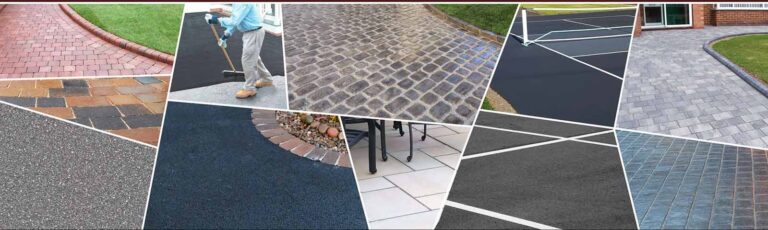
Concrete driveways are often seen as a more classic choice, with design options ranging from standard grey slabs to more intricate stained or stamped surfaces. The installation process can also affect the overall look of the driveway. Concrete slabs are poured individually, allowing for more customisation than asphalt, which is poured in one continuous sheet.
On the other hand, asphalt driveways are generally considered more modern, and come in a range of colours and textures. Both materials can also be sealed to protect them from the elements and enhance their look.
Ultimately, it’s up to you to decide which material best fits your home’s aesthetic.
Frequently Asked Questions
How long does it take to install concrete or asphalt?
We know you’re here to find out the time it takes to install either asphalt or concrete for your driveway. And we can tell you that it’s not a quick job – you’ll be in for a bit of a wait.
With asphalt, you can expect installation to take around one to two days – but the costs vary depending on the material. Asphalt is cheaper than concrete to install, but the material costs can be high.
Concrete, on the other hand, usually takes two to three days to install and the costs will depend on a variety of factors, including material costs.
So, if you’re looking for a quicker solution, asphalt might be the way to go – but it all depends on your budget.
Are there any environmental regulations I should be aware of?
When considering an asphalt or concrete driveway, it’s important to be aware of environmental regulations.
Air pollution and carbon footprints are two important factors to take into account.
Asphalt releases volatile organic compounds (VOCs) into the atmosphere when it’s installed, which can contribute to air pollution.
Concrete, on the other hand, produces more carbon dioxide emissions during production but doesn’t contribute to air pollution when being installed.
It’s also important to consider the energy efficiency of each material.
Asphalt is typically more energy efficient than concrete, as it requires less energy to produce and install.
However, energy efficiency should be weighed against the environmental impact of the materials.
What kinds of tools do I need for installation?
We’ve all had to make the tough decision of whether to choose concrete or asphalt for our driveway – and let’s face it, it’s a hard one to make. But before you can even start to think about what type of material is best for your driveway, you need to know what kinds of tools you’ll need for installation.
Cost comparison and maintenance requirements are two key points to consider, and it’s important to have the right tools for the job. Whether you’re a professional contractor or a DIY homeowner, you’ll need certain tools to install concrete or asphalt correctly.
For concrete, you’ll need a concrete mixer, wheelbarrow, shovel, trowel, and float. For asphalt, you’ll need an asphalt spreader, rake, and tamper. Depending on the size of the job, you may need additional tools and equipment to get the job done right.
Are there any safety considerations I should be aware of?
We should consider safety when deciding between concrete and asphalt for our driveway.
Concrete and asphalt both offer slip resistance, but concrete may be more expensive than asphalt initially. However, it’s important to consider long-term costs as well, since asphalt may require more maintenance over time.
When making the decision, it’s also important to factor in the surrounding environment. Concrete may be better suited for areas with colder climates.
Overall, it’s important to weigh all factors before making a decision and to prioritise safety.
Are there any alternative materials that could be used for a driveway?
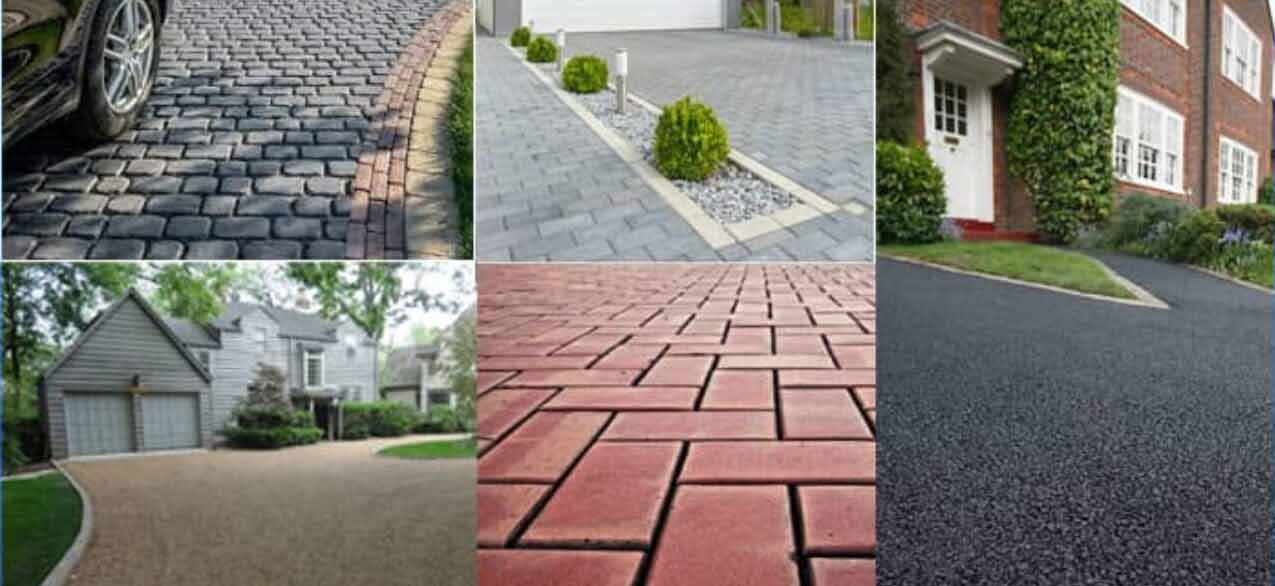
We’ve found that there are several alternative materials that could be used for a driveway. Some of the cost comparison and installation methods for these materials include using gravel, pavers, and permeable materials such as grass or wood chips.
Gravel is an inexpensive material that is easy to install, while pavers can provide a more attractive finish and require more labour to install. Permeable materials are a great choice for sustainability, as they allow rainwater to pass through them and help reduce runoff.
The type of material you choose will depend on your budget, the look you’re trying to achieve, and the amount of labour involved.
Conclusion
We’ve come to the conclusion that there’s no one-size-fits-all answer when it comes to driveways. Both concrete and asphalt have their own advantages and disadvantages. However, if you’re looking for an incredibly durable and long-lasting solution, you can’t go wrong with tarmac asphalt.
For more information you can visit our website and contact us today on 07595 510190 to receive a free quote.

The Dilemma of Homeowners One of the most common and frustrating issues that homeowners face is driveway cracks. These cracks Read more
We all know that the driveway is one of the most important features of any home. It sets the tone Read more

As a homeowner, you may have considered widening your driveway entrance, but aren't sure if it requires planning permission. In Read more