
Can I Put Asphalt Over Gravel
Yes, you can put asphalt over gravel, but you’ll need to guarantee the gravel is well-compacted and stable first. Start by evaluating the quality and depth of your gravel base, then plan for adequate drainage to prevent water accumulation under the asphalt. It’s essential to stabilize the gravel by adding necessary materials and achieving uniform compaction. Choose hot-laid asphalt for better adhesion and durability. Remember, if the gravel isn’t properly prepared, you might face issues like surface instability and drainage problems. By exploring further, you’ll discover more on how to enhance your project’s success.
Understanding Asphalt Over Gravel
When considering paving a driveway or road, opting for asphalt over gravel can greatly enhance durability and functionality. You must understand how gravel stability and asphalt adhesion interplay to guarantee a successful application. Here’s what you need to know.
Gravel, typically used as a base layer, must be properly compacted and stable before asphalt application. If the gravel layer lacks stability, it can lead to uneven asphalt surfaces, which may crack or deform over time. Consequently, verifying that the gravel is well-compacted and moisture-free is vital. This involves grading the gravel to achieve a uniform surface that slopes for adequate drainage.
Asphalt adhesion refers to the asphalt’s ability to bind with the gravel base. For peak adhesion, the asphalt must be hot-laid at a temperature typically between 275°F to 300°F. This heat allows the asphalt to fully coat and interlock with the gravel particles, creating a strong, cohesive layer. Cold mix asphalt, while convenient, often doesn’t provide the same level of adhesion and durability.
Furthermore, compared to tarmac, asphalt might require more meticulous preparation of the gravel to guarantee longevity and performance.
In applying asphalt over gravel, the thickness of the asphalt layer also plays a significant role. A layer too thin mightn’t withstand traffic wear and tear, while a too-thick layer can be cost-prohibitive and unnecessary.
Benefits of This Approach
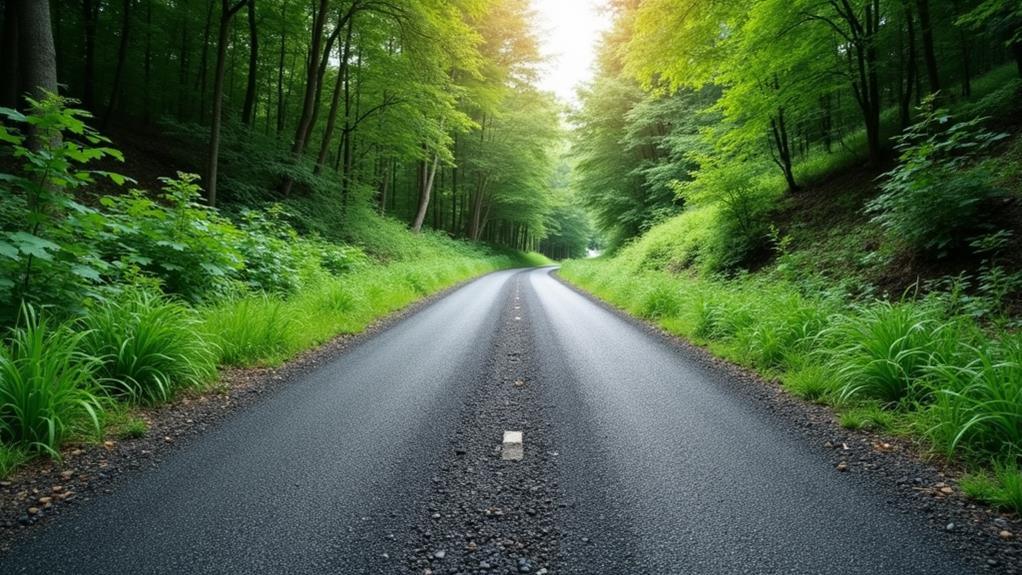
By choosing asphalt over gravel, you gain several significant advantages. The foremost is cost efficiency. Laying asphalt over an existing gravel base reduces initial expenses as it uses the pre-existing gravel as a foundation, eliminating the need for extensive groundwork and new materials. This approach not only saves on material costs but also on labour and time, making it a budget-friendly option for paving large areas.
Another critical benefit is the environmental impact. Asphalt provides a smoother surface which reduces rolling resistance compared to gravel roads. This reduction leads to lower fuel consumption and decreased emissions from vehicles, contributing positively to environmental sustainability.
In addition, asphalt is 100% recyclable. When asphalt pavements reach their end of life, they can be milled and reused, minimizing waste and the demand for virgin raw materials.
Additionally, asphalt surfaces offer improved durability and require less maintenance than gravel roads. This durability translates to fewer repairs and a longer lifespan, which further enhances cost efficiency over time.
The smoother surface also improves safety by reducing the likelihood of skidding and controlling dust emissions, ensuring a healthier environment and safer travel conditions.
Key Preparation Steps
Understanding the benefits of asphalt over gravel sets the stage for proper preparation, which is fundamental to achieving these advantages. You’ll need to start with a thorough site assessment. This step is critical to identify any underlying issues that could affect the stability and longevity of your asphalt surface. Assess the existing gravel base for its depth and composition. If it’s insufficient, additional material may be needed to guarantee a solid foundation.
Drainage considerations are also paramount. Poor drainage can undermine the asphalt, leading to premature failure. Confirm that the site allows for adequate water runoff, and if necessary, incorporate a sub-surface drainage system.
Here’s a structured approach to help you get started:
| Step | Details |
|---|---|
| 1. Site Assessment | Evaluate soil, gravel quality, and depth. |
| 2. Drainage Plan | Design for ideal water evacuation. |
| 3. Material Addition | Adjust gravel base as needed. |
| 4. Compaction | Confirm the base is uniformly compacted. |
Potential Drawbacks
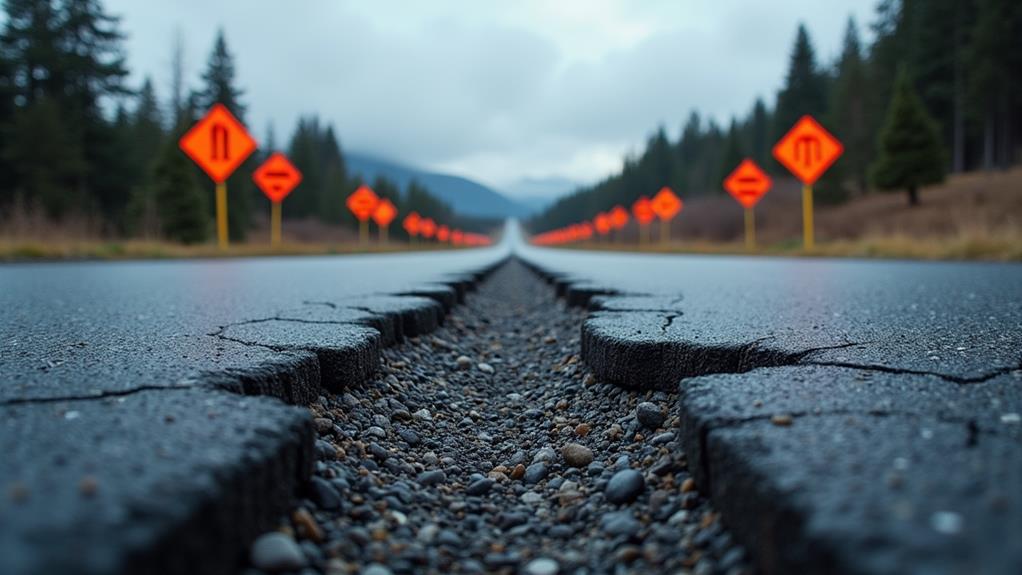
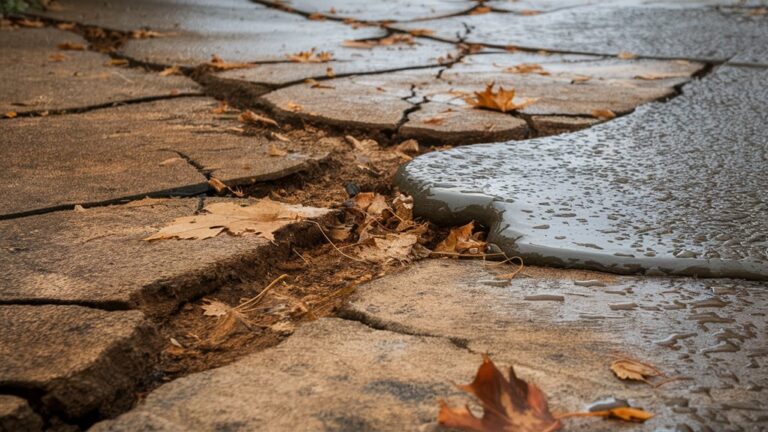
While choosing asphalt over gravel offers many benefits, it’s important to recognize the potential drawbacks that may arise. One significant concern is surface stability. When you’re layering asphalt directly over gravel, the base may not be as stable as you’d hope. If the gravel isn’t compacted sufficiently, the asphalt layer can develop cracks and potholes over time as the gravel shifts underneath.
This instability can lead to accelerated wear and tear, compromising the longevity of your asphalt surface. Additionally, considering the costs of ongoing maintenance and repair for asphalt surfaces, this method might result in higher long-term expenses.
Another vital issue is drainage. Gravel naturally allows water to permeate and drain through, reducing standing water and the associated risks of water damage. However, asphalt is impermeable, meaning it can block this natural drainage if not properly designed.
Without adequate drainage solutions, water can accumulate on the asphalt surface, potentially leading to water infiltration and weakening of the base layer. This can again accelerate surface degradation and may require more frequent repairs or replacements.
To mitigate these issues, it’s essential to verify that the gravel base is well-compacted and the asphalt installation includes appropriate drainage systems. This preparation can help maintain the integrity of your asphalt surface and extend its lifespan despite these potential drawbacks.
Long-Term Maintenance Requirements
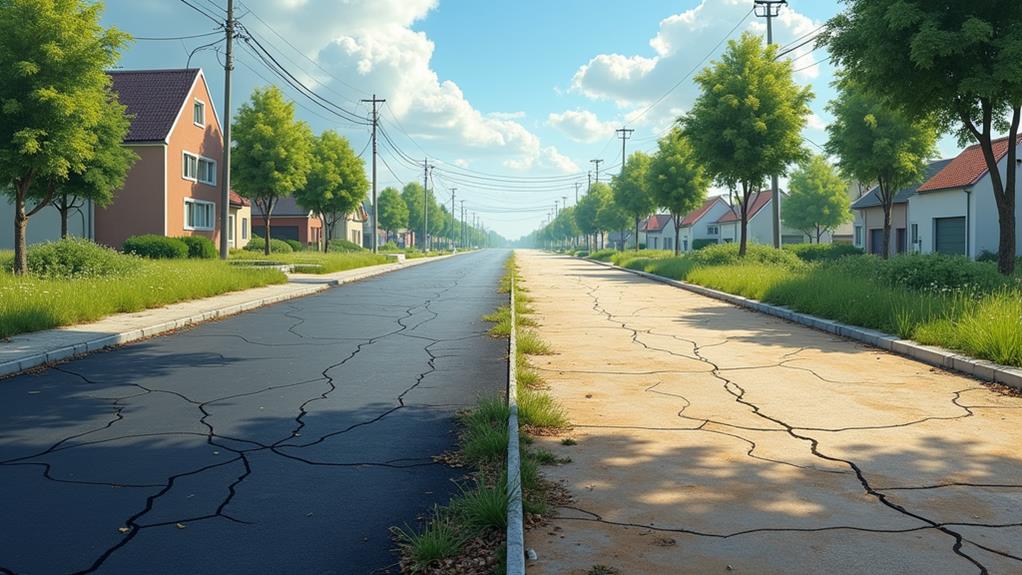
Addressing the long-term maintenance requirements of an asphalt-over-gravel surface is crucial for preserving its condition and functionality.
You’ll need to tackle several important tasks to guarantee that your pavement remains in top shape and continues to perform as expected.
Here’s a focused list to help you keep on top of maintenance:
- Regular Surface Inspections: Check for any signs of wear and tear such as cracks or potholes. Early detection makes repairs simpler and less costly.
- Drainage Management: Proper drainage is critical to avoid water accumulation that can undermine the asphalt layer and affect the underlying gravel and soil stability. Confirm that drainage systems are clear and functioning correctly.
- Sealcoating: Apply a sealcoat every few years to protect the asphalt surface from weather elements and to prevent water penetration. This also helps to maintain the aesthetic appeal of your pavement.
- Soil Stability Monitoring: Periodically assess the condition of the underlying soil and gravel. Compaction tests can help determine if additional material or stabilization is needed to support the asphalt layer.
Additionally, considering the use of tarmac overlays can enhance the durability and visual appeal, thereby reducing the frequency of intensive maintenance.
Alternative Paving Options
Exploring alternative paving options offers you the flexibility to choose materials and methods that better suit your specific needs and environmental conditions.
Among these alternatives, permeable paving stands out as a remarkable choice, particularly for managing stormwater and reducing runoff. This method allows water to pass through the surface into a layered sub-base, gradually filtering it into the soil below. It’s not only effective but also eco-friendly since it helps replenish groundwater and prevents the transport of pollutants into water systems.
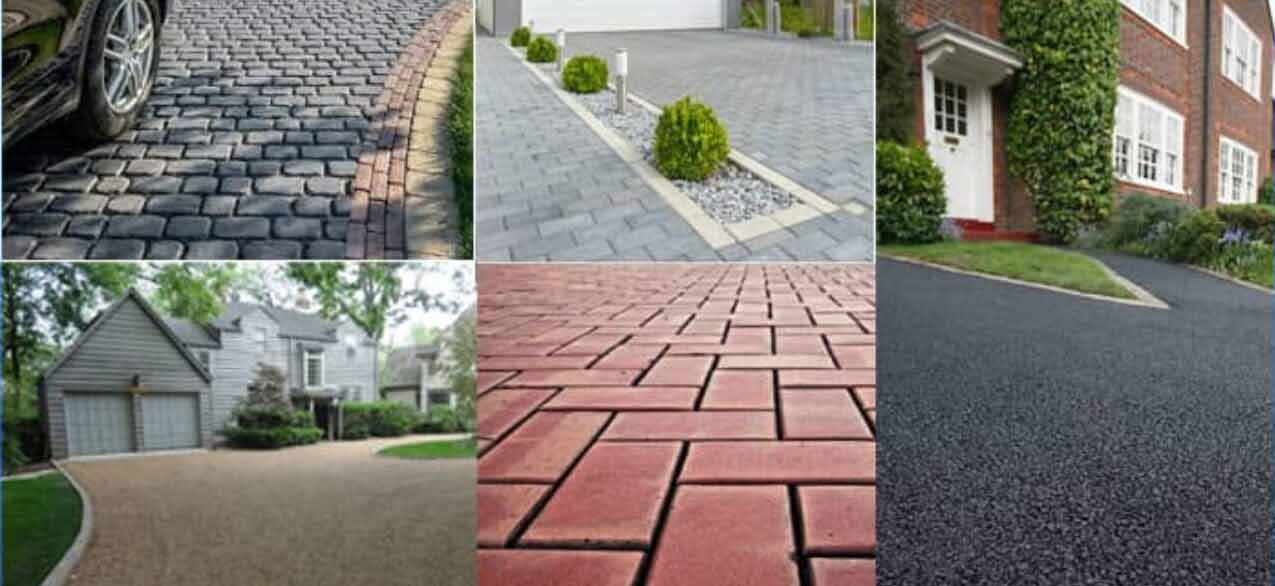
Permeable paving materials include pervious concrete, porous asphalt, and interlocking pavers, each with distinct benefits. Pervious concrete, for instance, is highly porous and can handle large amounts of water, making it ideal for heavy rainfall areas.
Porous asphalt, while similar in functionality, offers a smoother finish and is quicker to install. Interlocking pavers are versatile and aesthetically pleasing, making them suitable for both residential and commercial applications.
When selecting from these eco-friendly materials, consider your local climate, soil type, and traffic load. Each factor can greatly impact the performance and longevity of the installed surface.
Choosing the right option guarantees durability, sustainability, and cost-effectiveness, aligning with both your environmental values and practical needs.
Conclusion
Ready to upgrade your gravel driveway with asphalt? Remember, thorough preparation is essential to guarantee longevity. While asphalt offers a smoother, more durable surface, don’t overlook the potential drawbacks and ongoing maintenance it demands. Have you considered how this investment aligns with your long-term property goals? If done correctly, paving over gravel can provide a significant improvement, but weigh all alternatives to guarantee it’s the best choice for your needs.

The Dilemma of Homeowners One of the most common and frustrating issues that homeowners face is driveway cracks. These cracks Read more

We all have an idea of how we want our driveways to look; whether it's the feel of a smooth Read more
We all know that the driveway is one of the most important features of any home. It sets the tone Read more