How Weather Impacts Driveway Cracks and Repairs
You might not realize that the temperature fluctuations throughout the seasons can be just as detrimental to your driveway as heavy traffic. When the heat causes concrete to expand, it can create cracks that may worsen with colder temperatures. These cracks can then fill with water, leading to even more significant damage. Understanding how weather conditions play an essential role in the integrity of your driveway is key to effective maintenance. So, what steps can you take to protect your investment and guarantee its longevity?
Effects of Extreme Heat
Extreme heat can considerably affect both concrete and asphalt driveways, leading to various forms of damage that require immediate attention.
With concrete, you'll notice issues arising from concrete expansion; as temperatures rise, the material expands, often resulting in cracks and surface damage. To manage this, control joints are essential, allowing for expansion without compromising structural integrity. Additionally, the high temperatures can cause surface brittleness, which further increases the risk of cracking. Applying epoxy resin fillers can also help mitigate damage in these conditions.
Regular inspections and sealing of minor cracks are important to prevent further deterioration, especially since rapid curing due to low moisture can exacerbate cracking.
On the asphalt side, asphalt softening is a significant concern. High temperatures render asphalt pliable, making it susceptible to ruts and indentations from vehicle weight.
To mitigate this, parking in varied locations can help distribute weight evenly. Additionally, small cracks can expand with moisture infiltration, so sealcoating at the start of summer can protect against UV radiation and seal existing cracks.
In both cases, applying protective sealants and maintaining moisture levels during curing can extend the lifespan of your driveway.
Fostering a proactive maintenance routine is essential to avoid severe damage and maintain aesthetic appeal in extreme heat conditions.
Consequences of Cold Temperatures
Cold temperatures significantly impact driveway integrity, leading to a host of issues that can compromise both concrete and asphalt surfaces. The process of ice expansion occurs as water within cracks freezes, increasing pressure and resulting in cracks. When temperatures rise and ice melts, the material contracts, causing these cracks to widen and weaken the driveway's structure. Repeated freeze-thaw cycles further accelerate this process, leading to more extensive damage over time. Proper knowledge of crack types can help homeowners understand these issues better.
Asphalt is particularly vulnerable; it contracts in cold weather, leading to various crack formations, including transverse, longitudinal, and alligator cracks, due to the loss of flexibility. The freeze-thaw cycle allows water to infiltrate existing cracks, exacerbating the freeze damage and causing further deterioration.
Here's a concise overview of the consequences:
| Issue | Description |
|---|---|
| Ice Expansion | Water freezes in cracks, causing pressure buildup. |
| Crack Growth | Melting ice leads to further expansion of cracks. |
| Asphalt Contraction | Cold causes asphalt to shrink, weakening its structure. |
| Freeze-Thaw Cycle | Repeated cycles exacerbate damage over time. |
| Deicer Damage | Harmful chemicals can further deteriorate surfaces. |
Impact of Precipitation
While cold temperatures can lead to considerable driveway damage, precipitation also plays a critical role in compromising the structural integrity of both concrete and asphalt surfaces.
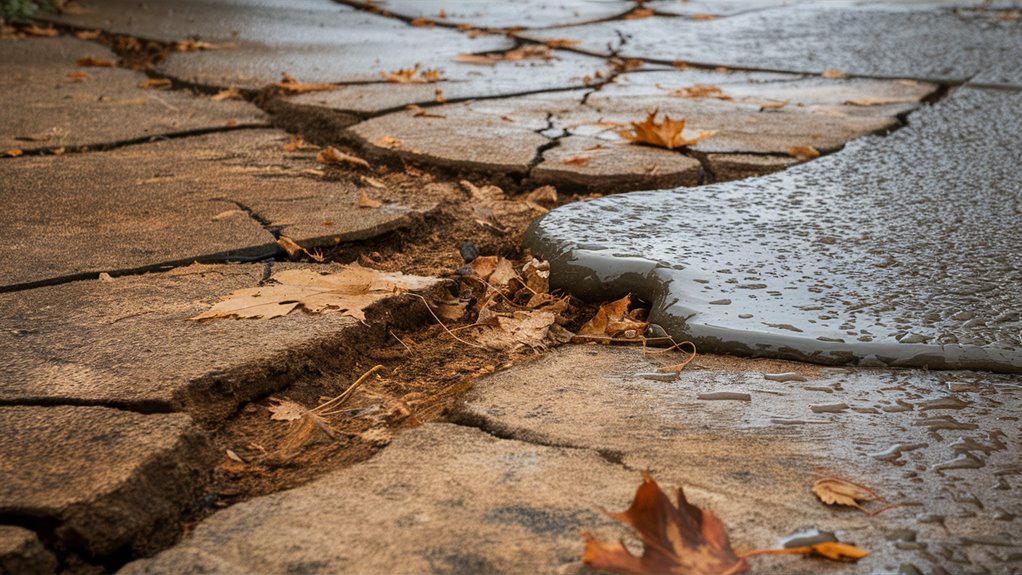
When rainwater infiltrates cracks, it can expand upon freezing, causing those cracks to widen. Prolonged exposure to water weakens the underlying soil, leading to erosion and structural instability. Water pooling on your driveway can create small puddles that contribute to larger fissures and potholes over time. Extreme heat can also cause asphalt to soften, making it more vulnerable to the effects of heavy rain. Regular maintenance, including early repairs, can significantly mitigate the damage caused by these environmental factors.
Heavy rainfall exacerbates these issues, as it can wash away debris but also lead to inadequate drainage. Poor drainage systems increase the risk of water accumulation, which not only damages the surface but also erodes the surrounding soil, leading to uneven settling. As water flows and collects near the driveway, the likelihood of cracks increases.
To mitigate these risks, implementing effective erosion control measures is essential. This includes ensuring proper drainage through sloping surfaces and installing drainage mechanisms to prevent water pooling.
Regularly monitoring your driveway for signs of water infiltration and addressing any cracks promptly can also help maintain its integrity. By taking these steps, you can considerably reduce the impact of precipitation on your driveway.
Maintenance and Preventive Measures
To keep your driveway in ideal condition, it's crucial to implement effective maintenance and preventive measures.
Start with preventive maintenance by applying a high-quality sealant to your driveway before winter. Sealants like siloxane or acrylic help protect against moisture, salt, and chemicals, reducing the risk of expansion and contraction in cold weather. Verify the surface is clean before application and allow the sealant to cure fully. Proper protection methods can significantly reduce the impact of freeze-thaw cycles on your driveway, as regular sealing enhances driveway lifespan.
Conduct seasonal inspections to identify any cracks or damage early. Address existing cracks promptly by using quality fillers to prevent water infiltration, which can lead to further issues during freeze-thaw cycles.
Maintain proper drainage around the driveway by managing gutters and downspouts, and clear debris regularly to avoid moisture buildup.
When snow and ice accumulate, remove them promptly with a plastic shovel to avoid surface damage. Skip de-icing chemicals, especially those containing chloride, as they can harm the concrete. Instead, consider less corrosive alternatives or use sand for traction.
Considerations for Repairs
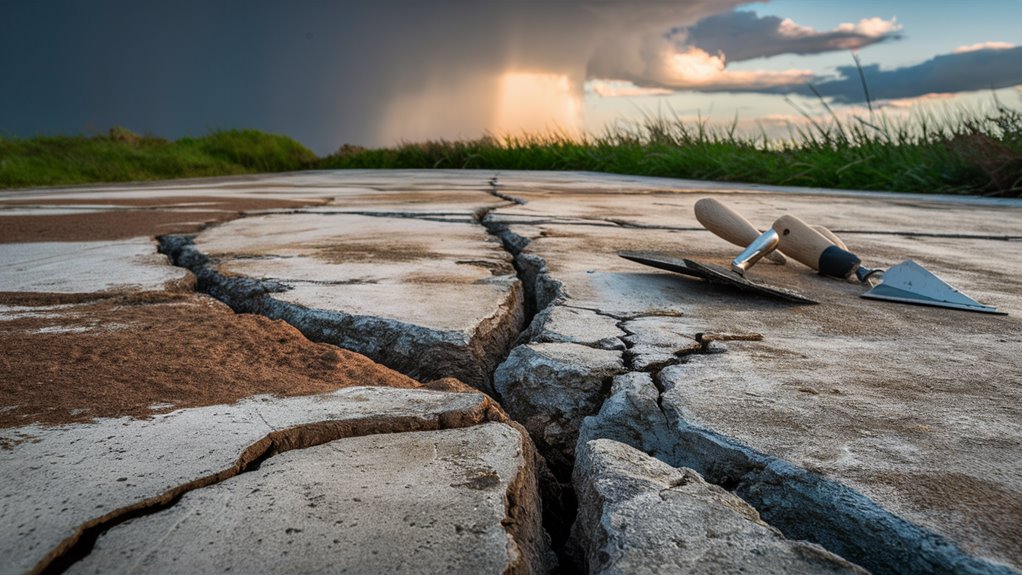
When evaluating driveway damage, it's crucial to determine the size and depth of any cracks. For small cracks, typically ¼-inch wide, you can use concrete filler or masonry crack elastomeric filler.
Larger cracks, over ½-inch, necessitate more thorough repair techniques, such as patching or even concrete replacement. If cracks are deep, this might indicate structural issues that require specialized repairs. Analyzing the type of damage—whether cosmetic or structural—will guide your material selection. Regular inspections can help you monitor for any new cracks that may develop over time.
For hairline cracks, simple crack fillers or sealants are often sufficient. Larger cracks may benefit from patching compounds or epoxy/polyurethane injection.
Before you begin repairs, ascertain you address any underlying issues, such as drainage, which could exacerbate the damage.
Prepare for repairs by gathering the necessary tools, including safety gear like gloves and goggles. Cleaning the driveway thoroughly is crucial; use a broom or power washer to remove debris.
When applying fillers, utilize flexible formulations to accommodate freeze-thaw cycles, and work them into the cracks with a pointing trowel.
Long-Term Consequences of Damage
Long-term damage to driveways can have significant structural consequences, especially when neglecting minor cracks and surface deterioration.
Seasonal variations expose your driveway to extreme heat and cold, leading to thermal expansion and contraction. This process causes microscopic changes in the material, which accumulate over time, resulting in macroscopic movement and visible cracks.
Prolonged exposure to high temperatures softens asphalt, making it prone to rutting and warping. When cracks form, water penetrates, exacerbating damage and accelerating deterioration.
Conversely, extreme cold renders asphalt brittle, allowing water from snowmelt to seep into cracks. The freeze-thaw cycle expands these voids, leading to larger cracks and potential potholes.
Both conditions compromise the structural integrity of your driveway, decreasing its longevity and increasing repair costs over time.
Regular maintenance is essential; however, it can't completely prevent the long-term impacts of weather-induced damage. Understanding these consequences allows you to make informed decisions about repairs and preventative measures, ultimately preserving the structural integrity of your driveway and extending its lifespan.
Conclusion
In the dance between the elements and your driveway, weather plays a pivotal role in its wear and tear. The sun's relentless heat stretches cracks while winter's chill deepens them, and rain seeps in, turning tiny fissures into gaping wounds. By routinely inspecting and maintaining your driveway, you can shield it from nature's whims, ensuring it remains sturdy and inviting. Think of it as a protective embrace against the storm, preserving both its functionality and aesthetic charm for years to come.

The Dilemma of Homeowners One of the most common and frustrating issues that homeowners face is driveway cracks. These cracks Read more

We all have an idea of how we want our driveways to look; whether it's the feel of a smooth Read more
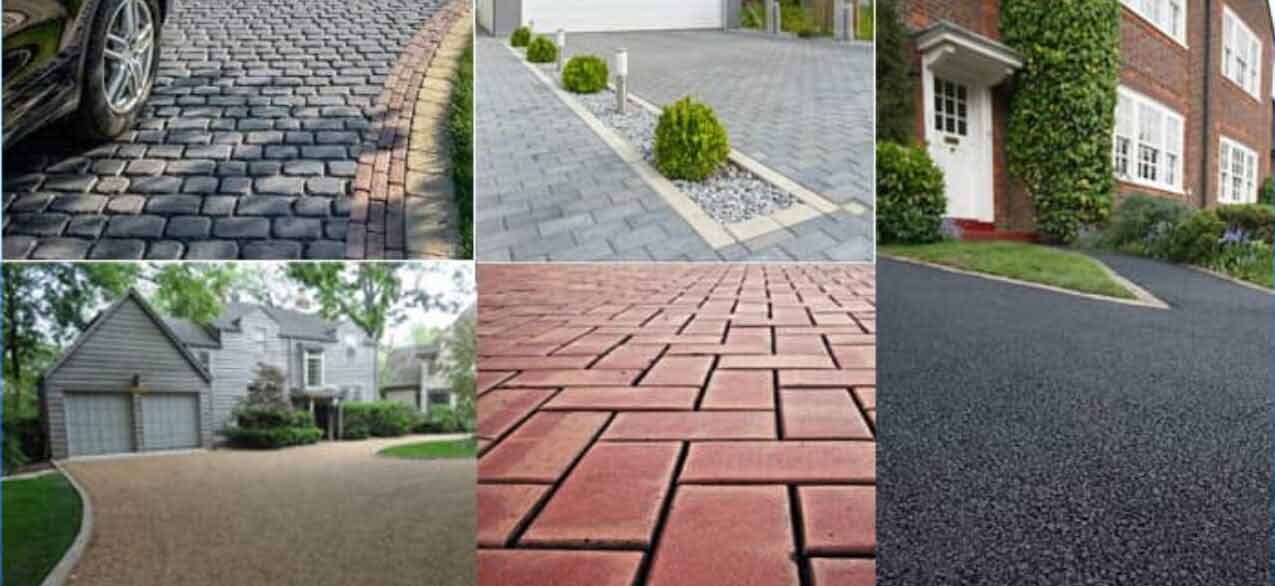
We all know that the driveway is one of the most important features of any home. It sets the tone Read more