Driveway Crack Repair
Driveway Crack Repair
From the moment your driveway is installed, it’s exposed to a number of environmental conditions. Rain and temperatures swings can cause surface cracks that weaken its structure over time. If left unchecked, these cracks can expand or even form potholes – leaving you with an unsafe and unsightly driveway! As a driveway repair specialist, I know how important it is to fix those pesky cracks before they become major problems. So in this article, I’m gonna tell ya exactly what you need to know about repairing cracks in your driveway – including which materials work best and when to call in a pro for help.
Your driveway says a lot about who you are as a homeowner. Cracks don’t just make your property look uninviting; they also reduce its value, create potential hazards for pedestrians, and could eventually lead to more costly repairs down the line if not treated properly.
Table of Contents
ToggleWith proper maintenance and crack repair techniques, however, you’ll be able to keep yours looking great while avoiding expensive damage.
So let’s get started exploring all there is to know about fixing up those pesky driveways once and for all!
We’ll cover everything from why crack repair matters so much to which products work best for different types of surfaces.
I promise that by the end of this article you’ll have all the knowledge needed to maintain your driveways for years to come – allowing everyone around you experience that same sense of pride in ownership we all strive for!

Definition Of Cracks In Driveways
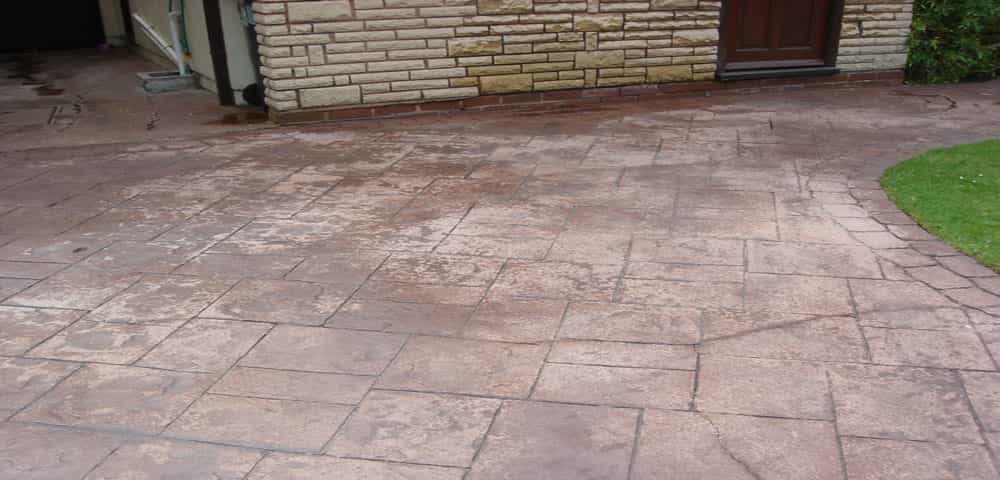
It is an accepted theory that all driveways, whether they are concrete or asphalt, will develop cracks over time. But does this mean you must simply accept it as a fact and live with the damage? Not necessarily! Let’s take a closer look at what exactly causes driveway cracking to determine if there is something you can do about it.
Concrete and asphalt driveways both tend to crack due to exposure to extreme temperatures, heavy loads (like vehicles), ground shifting, and water pooling around the edges of your driveway. These conditions cause weakened spots in the pavement which then expand into larger cracks when subjected to further stress from traffic or environmental factors.
Knowing how these elements contribute to driveway deterioration can help us identify ways we might be able to better protect our drives and prevent future cracking. Now let’s explore some of the most common causes of damage to driveways.
Causes Of Damage To Driveways
Driveway damage can be caused by a variety of reasons. Extreme weather, heavy foot traffic and even bad installation can cause driveway cracks to appear over time. The most common causes of driveway cracking are freezing temperatures, shifting soils, tree roots and large vehicles driving over the surface.
While all these factors contribute to the inevitable cracking of your driveway, there are ways to prevent it that don’t involve replacing or resurfacing the entire drive. Applying an epoxy resin filler or textured concrete repair product will help protect against further damage while also filling in existing cracks and making them less noticeable.
Repairing with either method is relatively inexpensive and easy compared to other solutions like complete replacement or repaving. With some simple prevention tricks such as regular maintenance checks for signs of wear and tear, you should be able to delay any major repairs on your driveway for many years to come.
Identifying which type of crack appears in your driveway can tell you what kind of problem you’re dealing with so you can begin planning out how best to fix it.
Identification Of Cracks
Once the cause of damage to a driveway has been identified, it is important for homeowners to identify cracks in their driveways. Cracks come in different shapes and sizes – some may be hairline cracks while others can crack along entire blocks or sections of pavement.
It is also important to note that some materials used for driveways are more prone to cracking than others; block paving and tarmac driveways are particularly susceptible due to their individual characteristics when exposed to weathering over time. Homeowners should inspect their driveways regularly by looking at each section closely, as well as taking pictures if necessary.
This will allow them to accurately assess any changes over time so that they can plan ahead with remediation steps before the problem worsens. Additionally, keeping track of any previous repairs may help determine what kind of maintenance schedule would work best for the specific driveway – this could save homeowners time and money in the long run!
Remediation Steps
Cracks in driveway surfaces can be a source of frustration for homeowners. But don’t worry, there are ways to repair the issue and restore your decorative driveways back to their former glory! The first step is to clean out any debris from the crack using a pressure washer or wire brush. This removes dirt, dust, and other particles that may impede the repair process.
Next, you’ll need to fill the crack with an epoxy-based concrete patching compound – this will provide a strong seal and prevent water damage down the line. Make sure you follow all safety precautions when working with these materials as they can be hazardous if not handled correctly. Finally, after allowing enough time for the patching compound to dry and cure properly, it’s time to start sealing the crack so it won’t return anytime soon.
Sealing The Crack
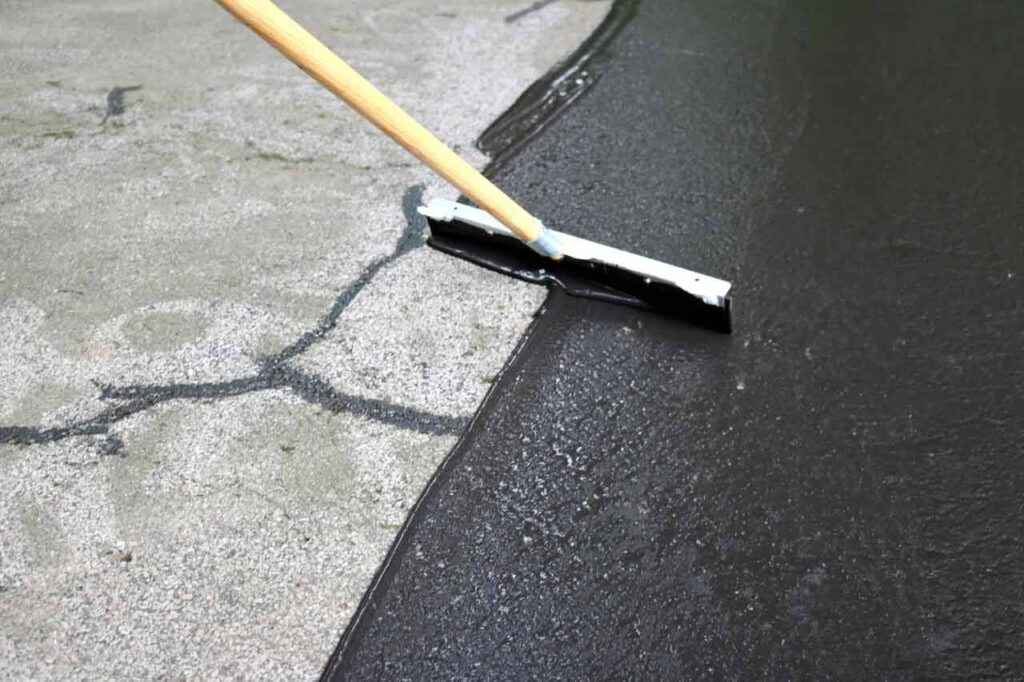
Once the crack has been fully cleaned, it’s time to seal the crack. This is a crucial step in preventing water from further damaging the driveway and will help keep it looking good for years to come.
The best way to seal a crack depends on its size and location. If you’re dealing with an asphalt driveway, hot rubberized asphalt sealing is recommended as it creates a strong bond between the patch and existing pavement. For smaller cracks or those located near concrete borders of your driveway, cold patching may be sufficient. Cold patching involves filling the gap with cold mix asphalt that can then be tamped down into place.
No matter which method you choose, make sure to thoroughly clean out all debris before applying any sealant material. Failing to do so could lead to more damage down the line due to trapped moisture causing further cracking and heaving of the surface area.
With proper care, sealing a cracked driveway doesn’t need to be difficult – just remember that preparation is key! Now we’ve gone through how to properly repair your damaged driveway; next up we’ll discuss whether DIY or professional help might be right for you.
Diy Or Professional Help?
Deciding between DIY or professional help to repair your driveway cracks can be tricky. Fortunately, there are many factors you can consider when making this decision.
If you have the time and confidence to take charge of the project yourself, then go for it! Make sure to get all the materials needed before starting any repairs – you don’t want to waste time running back and forth from the store. You should also research online tutorials so you know exactly what steps need to be taken in order for a successful completion of the job.
If after researching, you realize that tackling this project on your own is not within reach, then hiring a professional is recommended. Professionals will have access to better tools and supplies, plus they’ll do an excellent job since they are experts at this kind of work.
No matter which route you decide to go with, just remember that doing regular maintenance checks on your driveways is important for avoiding future issues down the road.
Maintenance Suggestions
Regardless of whether you DIY or hire a professional for crack repair, there are several maintenance suggestions you should follow to keep your driveway in good shape. Here are four key tips:
- Clean regularly and remove debris – Leaves, dirt, sticks, and other materials can accumulate over time on your driveway and cause damage if not removed quickly. Remove any debris as soon as possible to avoid further wear-and-tear.
- Sealcoat every few years – Sealing coat helps protect the asphalt from UV rays, oil spills, water intrusion, and more that leads to deterioration. It’s best to sealcoat every two to three years depending on how much traffic your driveway receives.
- Make repairs immediately – Not all cracks will require a full repair job; some may only need sealing with a filler material such as caulk or patching compound. However, it is important to repair any visible signs of damage right away in order to prevent further issues down the line.
- Regrade when necessary – If water begins pooling in certain areas of your driveway due to uneven grading or sinking soil underneath then you should have it regraded by a professional so that the surface remains even throughout rainstorms and snowfall events.
No matter which option you choose for repairing your driveway crack(s), following these simple steps can save you money in the long run by avoiding costly repairs due to neglectful upkeep over time. Now lets move onto discussing some advantages of professional repairs compared to DIY approaches…
Advantages Of Professional Repairs
When it comes to driveway crack repair, there are numerous advantages that come with professional repairs.
First and foremost, a professional will be able to identify the cause of the cracks in order to provide an effective solution.
For instance, if the cracks were caused by tree roots growing underneath the surface or water seeping through the asphalt, these issues can be addressed and fixed properly.
A professional contractor will also have access to specialized tools and equipment that allow them to accurately assess and fix any damage quickly and safely.
In addition, professionals use high-quality materials designed specifically for driveway maintenance projects. This ensures long lasting results as opposed to DIY approaches which often leave homeowners unsatisfied with their results due to inferior products being used.
Plus, since most contractors offer warranties on all labor performed, you’ll never have to worry about problems arising from poor quality workmanship. Professional driveway crack repairs are definitely worth investing in!
Conclusion
In conclusion, driveway crack repair is an important process that should not be taken lightly. It’s essential to identify the cause of the cracks and take appropriate remediation steps, such as sealing and patching the damaged area. Although some homeowners may choose a DIY approach, it’s best to hire a professional for more serious repairs if possible.
Those who opt for professional help can rest assured knowing their driveways will last longer with fewer issues down the road – after all, ‘an ounce of prevention is worth a pound of cure.’ I also recommend performing regular maintenance in order to keep your driveway free from future damage. This includes inspecting it every few months and addressing any new problems right away.
I hope this article has been helpful in learning about driveway crack repair. If you have any questions or need assistance with repairs, don’t hesitate to reach out to me or another experienced professional!
For more information you can visit our website and contact us today on 07595 510190 to receive a free quote.
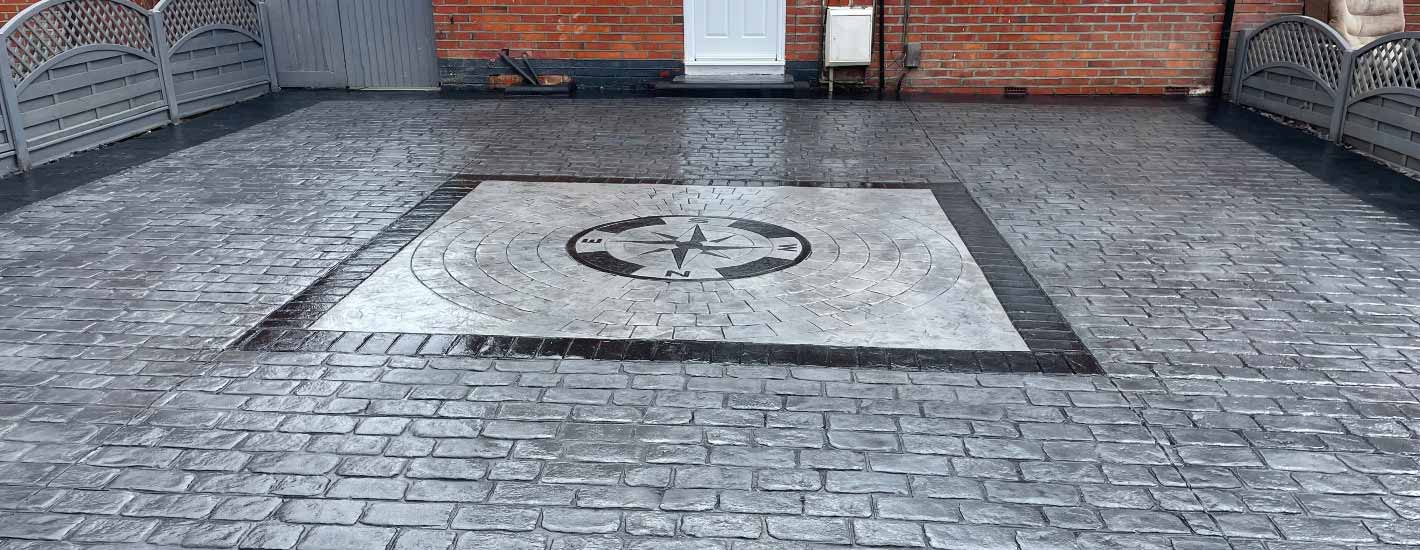
{Why is imprinted concrete a great choice for paving in Nottingham?|Why Imprinted Concrete is a great option for pavers in Read more
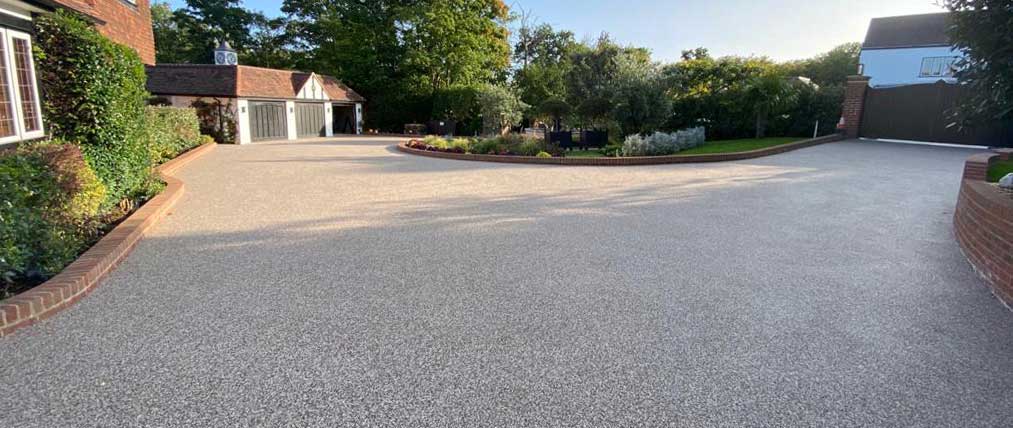
{What is the Average Life Expectancy of a Resin Bound Driveway in Nottingham?|How long does a resin bound driveway last Read more

{How do you choose the driveway that best suits your needs in Nottingham?|How do I choose a driveway that meets Read more