The Green Pavement: Exploring Innovative Green Paving Solutions

Are you tired of the conventional and environmentally damaging methods of driveway construction? Have you ever wondered if there are greener and more sustainable alternatives available? Well, it’s time to unveil the secrets of green pavement solutions that can revolutionise the driveway industry.
At Nottinghamshire Driveways, we believe in the power of innovation and sustainability. That’s why we’re excited to introduce you to the world of eco-friendly paving solutions. Imagine a driveway that not only enhances the beauty of your home but also contributes to a greener environment.
In this article, we will explore the wonders of permeable pavement, recycled asphalt, and rubberised asphalt. These innovative green paving technologies offer numerous environmental and economic benefits. They are paving the way for a greener and more sustainable future.
So, are you ready to embark on a journey to discover the transformational potential of green pavement? Let’s dive in and explore the environmental benefits, economic advantages, and the impact of sustainable pavement infrastructure on our urban landscape.
Eco-Friendly Paving Solutions
When it comes to choosing the right paving material for your driveway, sustainability should be a top priority. Fortunately, there are several eco-friendly options available in the market that not only contribute to a greener environment but also offer long-lasting and cost-effective solutions. In this section, we will explore three environmentally-conscious paving solutions that are gaining popularity among homeowners and driveways contractors: permeable pavement, recycled asphalt, and rubberised asphalt.
Permeable Pavement: Reducing Runoff and Improving Water Quality
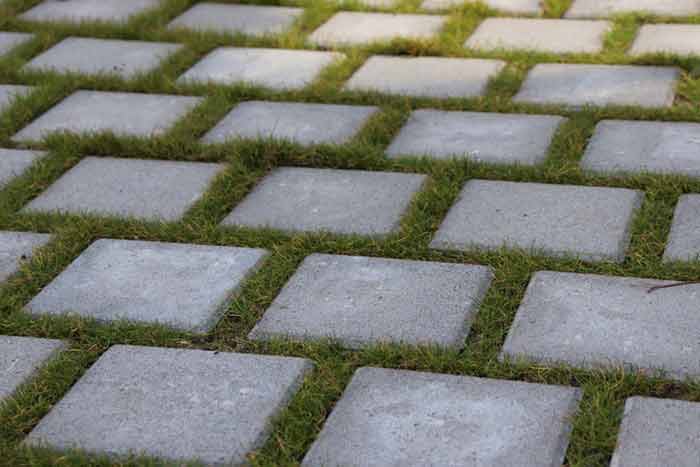
Permeable pavement is a practical and eco-friendly choice for driveways. It is designed to allow water to penetrate its surface, allowing it to flow through the pavement layer and into the underlying soil. This unique permeability promotes natural drainage, reducing stormwater runoff and preventing flooding. At the same time, it helps filter pollutants and improve water quality.
Not only does permeable pavement help minimise the strain on existing stormwater management systems, but it also provides a sustainable solution that allows rainwater to recharge the soil, replenishing underground water sources. With its functionality and environmental benefits, permeable pavement is an ideal choice for those looking to create sustainable, water-wise driveways.
Recycled Asphalt: A Sustainable Alternative
Recycled asphalt, as the name suggests, involves reusing old asphalt pavement to create new surfaces. This process helps reduce waste and conserve natural resources, making it an environmentally-friendly option. The performance of recycled asphalt is comparable to traditional asphalt, providing durability and strength for driveways.
By choosing recycled asphalt, you not only contribute to waste reduction but also support a more circular economy. It reduces the dependency on new materials and decreases the carbon footprint associated with new asphalt production.
Additionally, recycled asphalt can be cost-effective, saving both money and resources during driveway installation or resurfacing projects.
Rubberised Asphalt: Enhanced Durability and Noise Reduction
Rubberised asphalt is an innovative paving solution that incorporates crumb rubber from recycled tires into the asphalt binder. This blending process creates a durable and flexible pavement material that offers numerous benefits. Rubberised asphalt reduces noise levels, making it an excellent choice for driveways adjacent to busy streets or properties where noise reduction is a priority.
Furthermore, rubberised asphalt enhances pavement durability and longevity, extending the lifespan of your driveway. By utilising recycled rubber, this eco-friendly solution also reduces the number of waste tires in landfills, supporting sustainable waste management practices.
These eco-friendly paving solutions – permeable pavement, recycled asphalt, and rubberised asphalt – offer sustainable alternatives to traditional driveway materials. Whether you prioritise minimising stormwater runoff, conserving natural resources, or reducing noise levels, these environmentally-conscious options provide a balance between functionality, longevity, and sustainability. By choosing eco-friendly paving materials for your driveway, you are not only making a positive environmental impact but also investing in a greener and more sustainable future.
Environmental and Economic Benefits
Sustainable pavement infrastructure offers several environmental benefits that contribute to a greener and more sustainable driveway. One such benefit is the reduced stormwater runoff associated with permeable pavement. By allowing water to penetrate the surface and flow through the pavement layer into the underlying soil, permeable pavement helps to reduce flooding and erosion. This not only protects your driveway but also prevents water from overwhelming local drainage systems.
Another eco-friendly alternative, recycled asphalt, offers several advantages. By reusing old asphalt pavement, it conserves resources and reduces the need for new materials. This leads to a significant decrease in carbon emissions associated with asphalt production. Additionally, using recycled asphalt can also impact the economics of driveway construction. By reducing the need for new materials, it can help lower the cost of asphalt binder.
Similarly, rubberised asphalt offers both environmental and economic benefits. This innovative paving material incorporates crumb rubber from recycled tires, providing a beneficial use for these otherwise discarded products.

By using rubberised asphalt, you contribute to reducing waste and conserving natural resources.
Furthermore, this paving solution improves pavement durability, resulting in reduced maintenance costs over time.
Overall, adopting green paving technologies for driveways provides a range of environmental and economic benefits.
These include reduced stormwater runoff, improved water quality, decreased carbon emissions, cost savings in construction and maintenance, and a more sustainable approach to driveway infrastructure.
Choosing sustainable pavement solutions is not only environmentally responsible but also economically advantageous in the long run.
Conclusion
Embracing innovative green paving strategies is essential for creating sustainable and environmentally-friendly driveways. Nottinghamshire Driveways, a leader in sustainable pavement infrastructure, understands the importance of green paving in urban sustainability and environmental stewardship. By utilising permeable pavement, recycled asphalt, and rubberised asphalt, they can significantly reduce the environmental impact of driveways while improving water quality and minimising stormwater runoff.
Choosing green paving options not only benefits the environment but also offers cost savings in the long run. Nottinghamshire Driveways believes in the power of sustainable solutions to create a greener and more resilient urban environment. By incorporating green paving into your driveway design, you contribute to a sustainable future and support the vision of urban sustainability.
Contact Nottinghamshire Driveways at 07595 510190 or visit nottinghamshire-driveways.co.uk to learn more about their commitment to sustainable pavement infrastructure and green paving. Together, we can build a more sustainable world, one driveway at a time.
Source Links
- https://www.linkedin.com/pulse/
sustainable-pavement-infrastructure
-exploring-benefits-ehsan-ashouri - https://nowsourcing.com/2023/10/17/
innovative-paving-solutions-for
-successful-businesses/ - https://www.naturalstonecarpets.com.au/
blog/green-paving-solutions.html

'Home is where the heart is,'and a driveway serves as the welcoming path to that cherished abode. As homeowners, we Read more

Are you tired of driving over potholes and uneven surfaces every time you enter your driveway? It's time to pave Read more

Imagine driving down a smooth, pristine road, your tires gliding effortlessly along the pavement. Now, picture the jarring experience of Read more