
Can A Cracked Driveway Be Repaired?
Imagine driving down a smooth, pristine road, your tires gliding effortlessly along the pavement. Now, picture the jarring experience of hitting a pothole or feeling the unsettling rumble of a cracked driveway beneath your wheels. It’s a harsh reminder that even the most well-maintained surfaces can succumb to wear and tear over time.
But fear not, for there is hope for your damaged driveway. In this article, we will delve into the question that plagues homeowners everywhere: can a cracked driveway be repaired? We will explore the various causes of cracked driveways, assess the severity of the damage, and discuss the repair options available to you.
Additionally, we will provide you with maintenance tips to prevent future cracks from forming. So, buckle up and get ready to discover how you can restore your driveway to its former glory.
Identifying the Causes of Cracked Driveways
There are several root causes that can lead to driveway cracks.
One of the most common causes is the natural settling of the ground beneath the driveway, which can create stress on the surface and result in cracks.
Another common cause is the use of substandard materials during the initial construction of the driveway, such as low-quality concrete or improper installation techniques.
Additionally, extreme weather conditions, such as freezing temperatures or intense heat, can also contribute to the development of cracks.
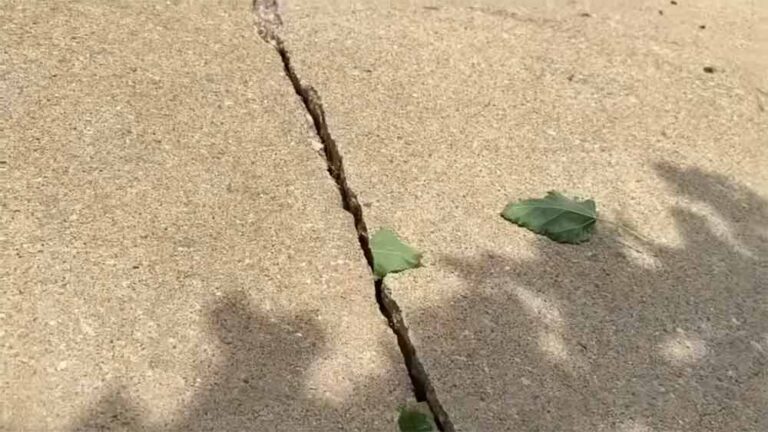
To identify if your driveway has cracks, look out for common signs such as visible cracks, uneven surfaces, or water pooling in certain areas.

Understanding the causes and signs can help you determine the best course of action for repairing your cracked driveway.

Assessing the Severity of the Damage
Determining the extent of the damage is crucial when evaluating whether a fix is worth pursuing. When assessing the severity of a cracked driveway, it is important to consider both the cost and the timeline for repair.
Evaluating the cost involves estimating the expenses required for materials, labour, and any additional equipment needed. This will give you an idea of how much you are willing to invest in the repair.
Determining the timeline involves understanding how long the repair process will take and how it will impact your daily activities. Factors such as weather conditions, availability of contractors, and the complexity of the repair will affect the duration of the project.
By evaluating the cost and determining the timeline, you can make an informed decision on whether to proceed with repairing your cracked driveway.
Repair Options for Cracked Driveways
One option for fixing a cracked driveway is to consider using alternative repair methods. These methods can include resurfacing options that are cost-effective repairs for your driveway. Resurfacing is a process that involves applying a new layer of material over the existing cracked surface. This can help to hide the cracks and provide a smooth and attractive finish. There are different resurfacing options available, such as concrete overlays, asphalt overlays, and polymer-based overlays. Each option has its own advantages and disadvantages, and the choice depends on factors like the severity of the cracks, the desired appearance, and the budget. What Is The Most Popular Driveway?
To help you understand the different resurfacing options, here is a table outlining their key features:
| Resurfacing Option | Advantages | Disadvantages |
|---|---|---|
| Concrete Overlay | Durable and long-lasting | Requires proper preparation and installation |
| Asphalt Overlay | Quick and easy installation | Can deteriorate over time |
| Polymer-based Overlay | Flexible and resistant to cracking | May require more maintenance |
Considering these options can help you make an informed decision on the best way to repair your cracked driveway while keeping costs in check.
Maintenance Tips to Prevent Future Cracks
To ensure the longevity of your driveway, regular maintenance is crucial in preventing future cracks from forming. By implementing preventive measures, you can minimise the chances of cracks appearing and keep your driveway in optimal condition for the long term.
One important step is to regularly clean your driveway, removing any debris or dirt that can contribute to cracks. Additionally, applying a sealant every few years can help protect the surface from the elements and prevent water infiltration, which is a common cause of cracks.
It is also important to avoid heavy loads and sharp objects on the driveway, as they can cause damage and lead to cracks. Lastly, consider installing expansion joints or control joints to allow for movement and reduce stress on the concrete, further preventing cracks.
Following these maintenance tips will help you maintain a crack-free driveway for years to come.
For more information you can visit our website and contact us today on 07595 510190 to receive a free quote.

'Home is where the heart is,'and a driveway serves as the welcoming path to that cherished abode. As homeowners, we Read more

Are you tired of driving over potholes and uneven surfaces every time you enter your driveway? It's time to pave Read more

When considering the best driveway surface for your home, it's important to take various factors into account. The right choice Read more