
How Often Do Resin Driveways Need Replacing in Nottinghamshire?
Resin driveways in Nottinghamshire generally last between 15 to 25 years, depending on factors like installation quality, the local climate, and how well they are maintained. Weather conditions, heavy vehicle traffic, and accumulated debris can wear them down more quickly. To help extend their lifespan, it’s important to clean your driveway regularly and reseal it every 2 to 3 years. If you start seeing cracks, chips, or persistent stains, it could be time for a replacement. By staying on top of these maintenance tasks, you can ensure your driveway remains in good condition for longer.
Key Takeaways
Resin driveways in Nottinghamshire generally have a lifespan of 15 to 25 years if installed and maintained correctly. However, harsh weather, particularly freeze-thaw cycles, can wear them down faster, leading to the need for earlier replacement.
To prolong the life of your resin driveway, regular maintenance is essential. This includes cleaning and sealing every 2 to 3 years. If you notice visible damage like cracks or flaking, it may be time to consider replacement or significant repairs.
Replacement costs typically range from £3,000 to £6,000, depending on the level of damage and the repairs needed.
Lifespan of Resin Bound Driveways

To ensure longevity, it’s essential to use high-quality materials and prepare the sub-base carefully. UV-stable resins help prevent discolouration, keeping your driveway looking good. Additionally, a well-installed resin bound driveway is designed to meet Sustainable Drainage Systems (SUDS) standards, enhancing its durability against weather conditions.
Getting the right thickness and applying the resin correctly improves both drainage and strength, making your driveway more resistant to wear and tear. Regular cleaning and sealing every 2-3 years will help maintain the surface, and steering clear of harsh chemicals is vital for preserving the resin.
Considering Nottinghamshire’s varied weather, it’s important to adjust your maintenance routine accordingly.
Factors Affecting Replacement Frequency

The lifespan of your resin bound driveway depends on several key factors that influence how often it might need to be replaced.
In Nottinghamshire, weather conditions like UV exposure and freeze-thaw cycles can accelerate wear, affecting both the appearance and performance of the resin. Regular maintenance and cleaning practices are essential to prolonging the driveway’s lifespan. Heavy vehicle traffic and constant parking in the same spots can also lead to quicker deterioration. Environmental aspects, such as being near trees or having debris build up, can further damage the surface. To maintain your driveway’s integrity, regular maintenance is crucial. This includes annual cleaning and resealing service every few years. Without proper care, you may find yourself needing a replacement sooner than expected, which can impact both functionality and visual appeal.
Quality of Installation and Its Impact

When it comes to resin driveways, the quality of installation is crucial for both durability and appearance. Skilled installers use precise methods for ground preparation, significantly extending the driveway’s lifespan and improving its resistance to the elements. Hiring experienced professionals not only ensures a flawless finish but also reduces the likelihood of future maintenance and repair costs. For example, a well-installed resin driveway can withstand heavy rain and temperature fluctuations better than one that’s poorly laid. This is particularly important because a well-prepared sub-base can enhance the driveway’s average lifespan of resin driveways. Additionally, understanding the types of resin materials used can further contribute to the longevity and performance of your driveway.
Installation Techniques Importance
Proper installation techniques are vital for ensuring the longevity and effectiveness of your resin driveway. Poor installation can lead to serious problems such as cracking and surface wear, often due to mistakes made during the process. Following the manufacturer’s guidelines and using the correct mixing ratios of resin and aggregate is essential for durability.
| Key Factors | Impact on Driveway |
|---|---|
| Stable Sub-Base | Prevents shifting and cracking |
| Correct Mixing Ratios | Ensures structural integrity |
| Adequate Curing Time | Achieves full strength |
For example, a stable sub-base might involve compacting the ground to prevent any movement, which can save you costly repairs down the line. Making sure the mixing ratios are accurate is like following a recipe; too much of one ingredient can spoil the final result. Lastly, allowing the resin to cure properly is akin to letting a cake cool before icing it—rushing this step can compromise the overall quality.
Expertise of Installers
The expertise of your installer is vital for the quality and longevity of your resin driveway. The installer’s training and experience significantly influence durability.
Poor workmanship, such as incorrect mixing or inadequate sub-base preparation, can result in issues like cracking and wear. Professional installers ensure a robust, level finish that can endure traffic and weather conditions, giving driveways a lifespan of over 20 years.
They choose high-quality, UV-resistant materials suitable for Nottinghamshire’s climate, boosting durability.
Skilled installers also apply sealants every 2-3 years for added protection. Their know-how directly impacts resistance to common problems, which reduces maintenance and extends lifespan.
Investing in quality installation ultimately saves you from premature replacement.
Weather Conditions in Nottinghamshire

Understanding the weather conditions in Nottinghamshire is crucial for preserving the quality of resin driveways. The area experiences diverse temperatures, humidity, and rainfall, all of which can affect the longevity of your driveway.
| Weather Factor | Impact on Resin Driveways | Recommendations |
|---|---|---|
| Temperature Fluctuations | Leads to expansion and contraction | Opt for high-quality resin |
| High Humidity | Encourages moss and algae growth | Ensure proper drainage |
| Frequent Rainfall | Heightens erosion risk | Maintain regular cleaning |
Maintenance Requirements to Extend Lifespan

To prolong the life of your resin driveway, regular cleaning and prompt sealing are crucial.
Aim to clean the surface once a year and apply a sealant every 2 to 5 years to guard against wear and UV damage.
Additionally, carry out yearly inspections to spot early signs of damage, which will help prevent bigger issues down the line, keeping your driveway in excellent condition.
Regular Cleaning Practices
Regular cleaning is crucial for maintaining your resin driveway and extending its lifespan. Aim to clean it lightly every 1-2 months to keep debris at bay.
Weekly sweeping with a soft brush is effective, particularly in autumn when leaves are a problem. A thorough deep clean every 3-6 months with mild detergent and low-pressure washing is also recommended.
Always rinse thoroughly to eliminate soap residues. After bad weather, check for any damage and clean up quickly to prevent stains.
Sealing Frequency Recommendations
Regular cleaning is essential for maintaining your resin driveway, but knowing how often to reseal it’s just as crucial for its longevity.
It’s advisable to reseal your driveway every 2 to 3 years, though this can depend on factors like how much traffic it sees, the local weather conditions, and the quality of the installation.
For instance, if your driveway is subjected to a lot of heavy use or intense sunlight, you may need to reseal it more frequently.
A new sealant layer not only extends the lifespan of the driveway but also protects it from stains, weathering, and UV damage.
Hiring a professional for resealing ensures the job is done correctly, providing an effective barrier against environmental wear.
Early Damage Detection
Early detection of damage is crucial for keeping your resin driveway looking its best and maintaining its durability. Conduct regular visual inspections, ideally every week or two, to catch early signs such as cracks, discolouration, or loose stones.
Make a habit of seasonal checks, especially after winter, to look for frost-related damage, and ensure the surface remains clean with regular pressure washing.
Be alert for signs like weed growth or pooling water, which may indicate deeper problems. Take note of any cracks or damage to track their development and plan repairs.
Regular Cleaning and Inspection Practices

To keep your resin driveway looking its best and ensure it lasts longer, regular cleaning and inspection are crucial. Here are some straightforward practices to follow:
- Sweep away debris every 1-2 weeks to stop organic matter from building up and causing stains.
- Clean up spills straight away with a mild detergent to prevent any permanent marks.
- Pressure wash your driveway once or twice a year on a low setting to clear away dirt without causing damage.
- Check for damage every 3-6 months, looking out for cracks or loose stones.
- Control weeds and moss by regularly cleaning and manually removing them to keep the surface in good shape.
Following these simple steps will help maintain your driveway’s appearance and longevity.
Sealing Recommendations for Longevity

To maintain the look and durability of your resin driveway, it’s important to reseal it regularly. Aim to do this every 2 to 3 years, although frequency may vary depending on usage and local weather conditions.
Resealing offers vital protection against UV rays, moisture, and stains, helping to extend the life of your driveway.
When selecting a sealant, consider using polyurethane for a longer-lasting finish or acrylics if you’re looking for a more budget-friendly option.
Ensure that the sealant you choose is compatible with your original resin mix to prevent peeling.
Comparison With Alternative Driveway Surfaces
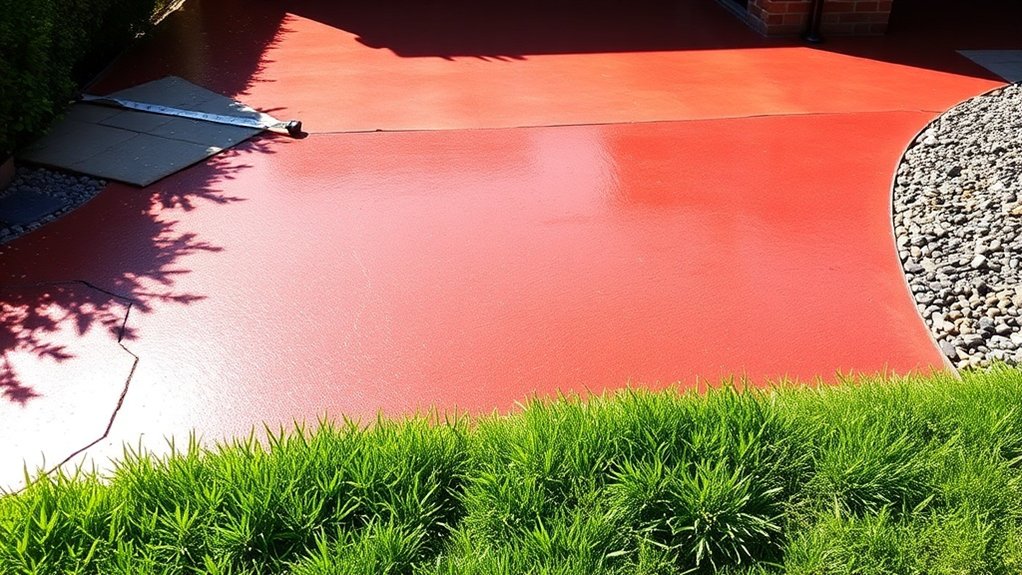
When comparing resin driveways to other surfaces, there are notable differences in durability, maintenance, and visual appeal. Here are some key considerations:
- Lifespan: Resin driveways can last between 15-25 years, which is longer than tarmac (10-15 years) and often rivals concrete (20-30 years).
- Maintenance: Resin requires minimal upkeep—just a wash and seal every 2-3 years. In contrast, tarmac and block paving need more frequent repairs and maintenance.
- Aesthetic Appeal: Resin comes in a wide range of colours and seamless finishes, significantly boosting curb appeal, while tarmac offers limited choices.
- Cracking Resistance: The flexibility of resin makes it less prone to cracking compared to concrete, ensuring better durability in changing weather conditions.
- Environmental Benefits: Resin can be permeable, allowing for better drainage. This is an advantage over tarmac and concrete, which are generally impermeable.
These benefits make resin driveways an attractive option for your home.
Environmental Considerations for Driveway Durability

Resin driveways provide both aesthetic and maintenance benefits, along with important environmental advantages that boost their durability. By using sustainable materials like recycled aggregates, you reduce the environmental impact linked to extracting new resources.
With an average lifespan of 15-25 years, resin driveways require fewer replacements, which cuts down on waste.
Permeable resin options are particularly effective for managing water runoff, helping to maintain local water levels and mitigate flooding risks. High-quality resin is also built to withstand harsh UK weather, which further prolongs its life.
Regular maintenance, such as cleaning and sealing, not only keeps your driveway looking good but also enhances its sustainability, ensuring minimal environmental disruption over time.
Traffic Considerations in Nottinghamshire

When planning your resin driveway in Nottinghamshire, it’s important to consider the types of vehicles and the volume of traffic it will face.
In urban areas, heavier vehicles can cause significant wear over time. For example, if you frequently have delivery vans or larger cars using your driveway, this can accelerate deterioration.
Vehicle Type Impact
Understanding how different vehicle types affect resin driveways is crucial for homeowners and businesses in Nottinghamshire. The type and weight of traffic can significantly impact your driveway’s lifespan.
Here are some key points to consider:
- Heavier vehicles, such as HGVs, can cause faster wear and surface deformation.
- Light commercial vehicles tend to wear down resin more than standard cars due to higher axle loads.
- The type of resin used matters; polyurethane resins are better suited for handling weight stress compared to epoxy.
- A mix of vehicle types can affect the rate of resin degradation, necessitating customised formulations.
- For areas with heavy traffic, it’s advisable to use reinforced resin and thicker base layers.
Traffic Volume Effects
As traffic volume rises in Nottinghamshire, the effects on resin driveways become more pronounced. Increased congestion causes repetitive loading and vehicle wear, leading to faster driveway deterioration. During peak hours, slow-moving vehicles exert prolonged pressure on the surface, further accelerating wear.
Here’s a simple overview of how traffic conditions impact resin driveways:
| Traffic Condition | Impact on Resin Driveway |
|---|---|
| High Congestion | Increased wear and stress |
| Peak Hours | Prolonged surface contact |
| Low-Speed Traffic | Accumulation of micro-damage |
| Frequent Use | Thicker resin layer needed |
| Seasonal Variability | Regular maintenance required |
To extend your driveway’s lifespan, consider adjusting the resin thickness and sticking to a strict cleaning routine, particularly in high-traffic areas.
Signs Your Resin Driveway Needs Replacement

Signs Your Resin Driveway Needs Replacement
If you spot visible damage on your resin driveway, it may be time to consider a replacement. Here are key signs to look for:
- Cracks, chips, or flaking that suggest structural issues.
- Uneven or loose patches indicating poor adhesion or installation problems.
- Stubborn stains that cleaning won’t shift, signalling surface deterioration.
- Fading or discolouration from UV exposure, showing signs of wear.
- Peeling or bubbling surfaces caused by moisture getting underneath.
Addressing these problems promptly can prevent more costly repairs later on.
Regular checks will help you monitor the condition of your driveway and decide if it’s nearing the end of its life.
Cost Considerations for Replacement and Maintenance

When looking at the costs of replacing or maintaining a resin driveway in Nottinghamshire, several key factors will affect your budget.
Installation usually costs between £60 and £90 per square metre, depending on the quality of the resin and the groundwork needed.
For maintenance, plan for regular cleaning and resealing every 2 to 3 years to keep it in good condition.
If you need a full replacement, expect to pay between £3,000 and £6,000, but smaller issues like cracks can often be repaired at a lower cost.
Cutting corners on the initial groundwork can lead to bigger expenses later, so always get multiple quotes to ensure you’re making a wise investment.
Frequently Asked Questions
Can I Install a Resin Driveway Myself?
You can try installing a resin driveway yourself, but be aware of the complexities involved. It’s crucial to prepare the surface properly and maintain it well to avoid early failure and ensure it lasts for years. For instance, if you don’t clean the base thoroughly, the resin might not bond correctly, leading to a bumpy finish.
What Colors and Finishes Are Available for Resin Driveways?
Resin driveways come in a variety of colours, ranging from natural stone tones to bright shades. You can choose from different finishes too, including smooth, textured, or polished surfaces. This variety allows you to personalise your driveway to suit your style and enhance your home’s curb appeal.
Are Resin Driveways Eco-Friendly Options?
Yes, resin driveways are eco-friendly options. Their permeable technology helps reduce surface runoff and enhances drainage, which is beneficial for the environment. Additionally, they often incorporate recycled materials, making them a more sustainable choice for homeowners in the UK.
How Does Resin Driveway Installation Impact Property Value?
Installing a resin driveway is akin to discovering a hidden gem for property investment; it enhances resale value and elevates curb appeal. Homebuyers appreciate the low maintenance and contemporary look, ensuring your property stands out in a competitive market. For instance, a well-installed resin driveway can create a striking first impression, making your home more attractive to potential buyers.
Can I Drive Heavy Vehicles on My Resin Driveway?
You can drive heavy vehicles on your resin driveway, but be aware of weight limits. Regular heavy use could damage the surface. It’s wise to look into reinforcement options and seek advice from professionals to ensure it can support the weight and last longer.
Conclusion
In Nottinghamshire, resin driveways generally last between 10 to 15 years, though their lifespan can vary due to several factors. Regular maintenance can significantly extend this period, potentially adding up to 50% more years. To get the most out of your driveway, ensure it’s properly installed and take care of any weather-related damage promptly. Watch for signs like cracks or discolouration, which could indicate that a replacement is on the horizon. By investing in proper upkeep now, you could save yourself a lot of time and money later on.

How to effectively repair cracks in your concrete driveway hinges on understanding the right techniques; discover the essential steps to Read more
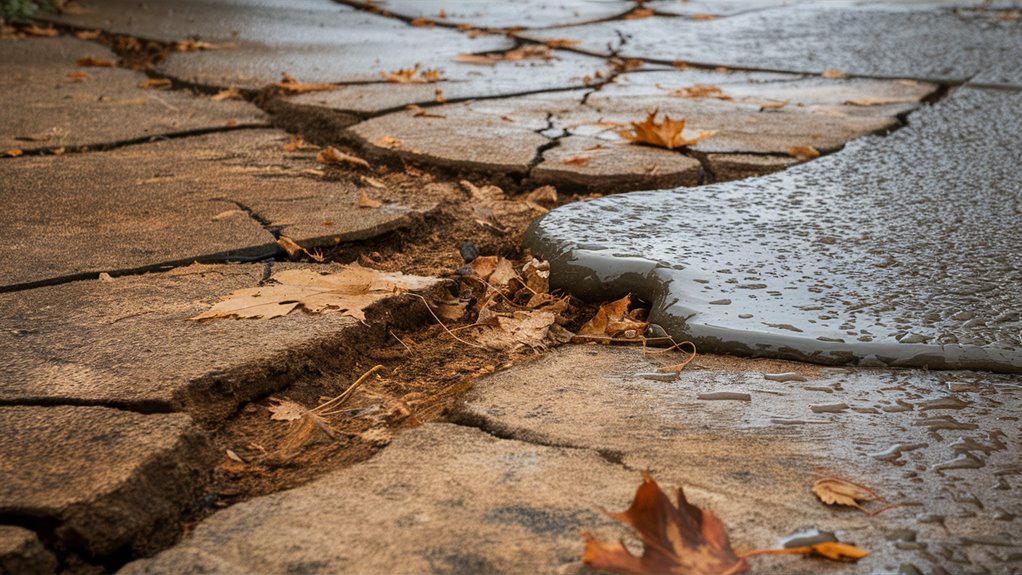
Over time, weather can severely damage your driveway; discover essential tips to prevent costly repairs and maintain its integrity.

With strategic planning and smart materials, you can significantly cut maintenance costs on commercial driveways—discover the secrets to maximizing your Read more