
Best Practices for Resin Driveway Maintenance
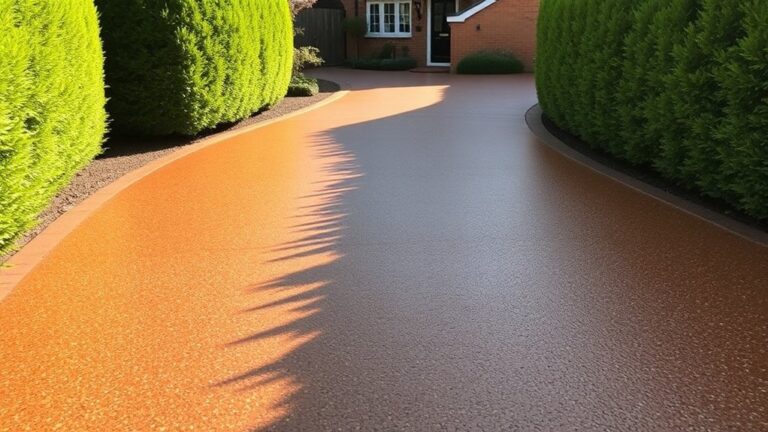
To maintain your resin driveway, set up a regular cleaning routine. Sweep it weekly to prevent dirt accumulation. Use a mild detergent for seasonal washes and address stains quickly with the right methods. To keep weeds at bay, ensure a weed membrane is installed and keep drainage channels clear. Avoid heavy vehicles to protect against damage, and use plastic shovels for snow removal. By following these practices, you’ll enhance the durability of your driveway and keep it looking its best.
Key Takeaways
- Establish a regular cleaning routine by sweeping weekly to prevent dirt build-up and keep your driveway looking its best.
- For stain removal, use a stiff-bristled brush with a mild detergent. Avoid harsh chemicals, as they can damage the resin.
- Apply UV-resistant sealants every 3-5 years to improve durability and protect against the weather.
- Ensure proper drainage by keeping channels clear to prevent water pooling, which can harm the surface.
- Address oil stains promptly with absorbents and degreasers to avoid long-term damage to the resin.
Regular Cleaning Practices

To keep your resin driveway in top condition, regular cleaning is vital. Establish a cleaning routine that suits your surroundings; weekly sweeping helps remove loose debris such as leaves and small stones, which can lead to dirt build-up and staining.
Use a stiff-bristled broom and sweep in circular motions for effective results. In autumn, increase your sweeping frequency to deal with fallen leaves promptly. Additionally, maintaining a clean surface contributes to the longevity of your driveway, ensuring it lasts for years to come.
Rinse the driveway with a garden hose at moderate pressure to remove dust and dirt, but avoid high-pressure washers as they can damage the resin. Aim to wash the surface with warm water and mild detergent at least 3-4 times a year. Regularly clearing debris not only enhances the appearance but also prevents scratches, keeping your driveway looking great. Additionally, maintaining permeability is crucial to prevent flooding and puddles, ensuring your driveway remains functional and visually appealing.
Stain Removal Techniques

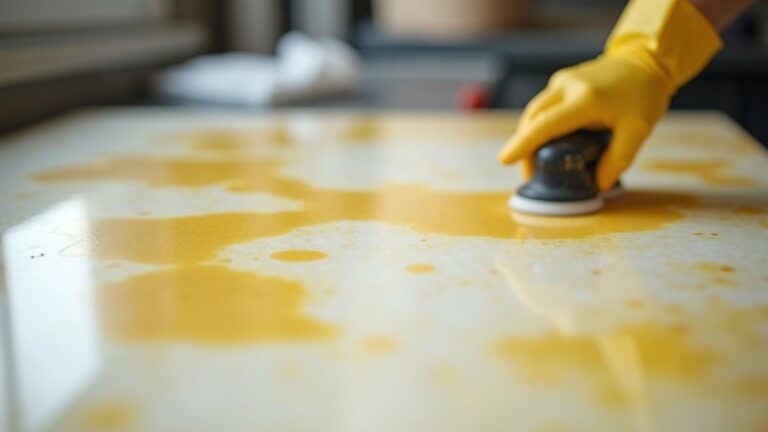
Stains on your resin driveway can be quite unsightly and, if not dealt with promptly, may result in permanent discolouration. Start by identifying the stain type—whether it’s oil, tyre marks, or organic residues. For oil stains, soak up any excess oil straight away and use a degreaser, scrubbing gently. Tyre marks can be treated with warm soapy water; for persistent marks, white spirit can be effective. Organic stains, such as moss or algae, require immediate attention—use a diluted detergent to treat them. It’s essential to establish a regular cleaning routine to prevent staining issues from arising, as the permeable surface of resin driveways can trap dirt and debris. It’s best to clean stains as soon as they appear to prevent buildup. Always rinse thoroughly after treatment and steer clear of harsh chemicals that could harm the resin. With regular care, your driveway can stay looking its best.
Weed and Moss Prevention

While a resin driveway is visually appealing and durable, it can still attract weeds and moss if not maintained properly.
To prevent this, ensure a weed membrane is installed during the initial setup to block soil seeds. Regularly sweeping the surface will help remove organic matter that encourages weed growth. Using a leaf blower can efficiently clear away wind-blown seeds, and gentle jet washing every few months can tackle stubborn spores. For edges, consider using mild herbicides designed for resin surfaces to create a protective barrier against weeds. Additionally, keeping borders clean and managing moisture will significantly reduce the chances of moss and algae developing, helping to maintain your driveway’s pristine appearance. This is particularly important as resin-bound driveways are generally weed-resistant but not completely immune to growth. Furthermore, using eco-friendly materials in your driveway can enhance its overall sustainability while minimizing the environmental impact.
Seasonal Maintenance Guidelines

As the seasons change, so should your approach to maintaining your resin driveway.
In winter, it’s essential to prevent damage from snow and ice. Use a snow shovel rather than a metal one to avoid scratching the surface, and consider applying a suitable de-icing agent.
In summer, regular cleaning is key; a simple wash with soapy water will help remove dirt and prevent UV damage.
Winter Care Tips
As winter sets in, it’s crucial to look after your resin driveway to ensure it stays in good shape and looks appealing.
Start with a thorough clean to avoid moisture build-up; a stiff broom or a pressure washer will do the trick, and make sure drainage is clear to prevent freezing.
When clearing snow, use plastic shovels and soft-bristled brooms to avoid damaging the surface.
For ice, choose resin-safe de-icing agents like calcium chloride, steering clear of regular salt as it can harm the resin binders.
Regularly check for any cracks and repair them promptly with suitable resin kits.
Lastly, keep drainage channels clear and ensure a proper slope to direct water away, which helps prevent frost damage.
Following these straightforward winter care tips will keep your driveway looking great, even in challenging conditions.
Summer Maintenance Suggestions
With the warmer months on the horizon, it’s crucial to maintain your resin driveway to ensure its durability and appearance. The summer heat and UV exposure can damage the resin, so regular cleaning is key.
Start by sweeping away any dirt and debris, then use a hose or a pressure washer on a low setting for a deeper clean. Avoid using harsh chemicals that could harm the surface.
To protect against UV rays, consider applying a UV-resistant sealant and try to keep the driveway shaded whenever possible.
Regularly check for signs of wear or stains; if you spot any oil stains, clean them up quickly with gentle cleaning products.
Finally, make sure to inspect for any drainage blockages to ensure water flows freely through the permeable surface. Following these steps will help keep your driveway looking its best all summer long.
Protection From Physical and Environmental Damage

To protect your resin driveway from physical and environmental damage, avoid parking heavy vehicles on it, as they can damage its structure.
Use plastic shovels for snow removal to prevent scratches and abrasions.
Ensure proper drainage to avoid water pooling, which can cause significant deterioration over time.
Avoid Heavy Vehicles
While resin driveways can handle some weight, it’s important to recognise their limitations to avoid damage.
To protect the surface, it’s best to restrict heavy vehicles. Excessive weight, particularly when stationary, can cause cracking and surface stress. Avoid parking heavy machinery or lorries on resin driveways for long periods.
If necessary, use protective pads under jacks or stands to distribute the weight. Be mindful that sharp turns and dragging items can also lead to significant damage.
Regularly check high-traffic areas for signs of wear. This way, you’ll help maintain your driveway’s integrity and keep it looking good for years.
Use Proper Tools
To keep your resin driveway in good shape, it’s essential to use the right tools for cleaning and repairs.
For regular maintenance, a broom or stiff brush works well to sweep away debris. For deeper cleaning, a pressure washer on a cold setting will effectively remove stubborn stains without harming the surface.
Always wear protective gloves and safety gear when handling resin or cleaning products to protect your health.
Be cautious with your tools to prevent accidental drops that could chip the resin.
Lastly, keep your equipment clean; using solvents like white spirit can help prevent resin build-up on your trowels and brushes.
Ensure Drainage Maintenance
Proper drainage maintenance is crucial for safeguarding your resin driveway from physical and environmental harm. Regular inspections help you spot blockages from leaves, dirt, or debris.
Make it a priority to clear debris using tools like leaf blowers or brooms to ensure water flows freely through drainage channels.
For areas prone to water pooling, consider enhancing drainage to promote efficient runoff and prevent saturation. Avoid placing heavy loads near drainage channels to prevent cracking of the resin, and opt for non-metallic tools when clearing snow.
After winter, conduct inspections to check for any frost-related damage.
Lastly, manage runoff effectively by keeping surfaces permeable to reduce water buildup and improve overall drainage efficiency. By attending to these aspects, you can keep your driveway in excellent condition.
Recommended Cleaning Tools and Materials

To keep your resin driveway in excellent condition, it’s important to use the right cleaning tools and materials. Start with a soft-bristled broom or a leaf blower to remove loose debris gently, ensuring you don’t cause any damage.
For tougher stains, a stiff-bristled brush paired with a mild detergent or a cleaner specifically designed for resin works effectively. Don’t forget to have buckets and spray nozzles on hand for mixing cleaning solutions and rinsing the surface properly.
If necessary, a pressure washer on a low setting can be useful, but remember to maintain your tools by cleaning them regularly with white spirit or eco-friendly alternatives.
Finally, always wear protective gloves and eye protection when handling cleaning chemicals. With the right approach, your driveway will remain clean and welcoming!
Handling Oil Stains Effectively

Oil stains can be tricky, but acting quickly can save your resin driveway from long-term damage. Start by using absorbents like baking soda, cat litter, or sawdust to soak up fresh spills. Leave them in place for a few hours or overnight for best results, then sweep or vacuum the area to clear away any residue.
Next, apply a suitable degreaser—either a commercial product or a homemade solution of dish soap and warm water. Allow it to sit for about 10 minutes, then gently scrub with a soft brush.
For tougher stains, look for specialised cleaning products made specifically for resin surfaces. Remember, the sooner you address oil stains, the easier they’ll be to remove, keeping your driveway looking its best.
Maintaining Drainage and Surface Integrity

To keep your resin driveway in good condition and ensure proper drainage, regular maintenance is key.
Sweep the surface weekly, paying particular attention to the drainage channels to prevent blockages.
Use a pressure washer on a low setting three to four times a year to clear away stubborn dirt and maintain permeability.
Check the drainage systems regularly and remove any debris to prevent puddles and ensure efficient runoff.
If you notice any cracks or chips, fix them promptly with a resin repair kit.
Make sure these repairs are level to avoid water pooling, and consider additional drainage solutions for low areas.
Lastly, keep the perimeter edging in good shape to direct water away from the driveway, which will help extend its lifespan and keep it safe.
Enhancing Durability With Sealants

Enhancing the durability of your resin driveway is crucial for maintaining its performance and appearance over time. The right sealants not only protect against UV damage but also improve resistance to extreme weather. Here’s a quick overview of sealant types and application techniques:
| Sealant Types | Application Techniques |
|---|---|
| Polyurethane-based sealants | Clean the surface thoroughly before sealing |
| Asphalt emulsion sealers | Apply evenly using brushes or sprayers |
| Petroleum resin sealers | Ensure the surface is dry for proper adhesion |
| Commercial-grade sealants | Adhere to the manufacturer’s guidelines |
Choose sealants that are compatible with your specific resin type for optimal performance. Regular inspections and reapplication every 3-5 years can help extend your driveway’s lifespan, enhancing both its appearance and value.
Frequently Asked Questions
How Often Should I Seal My Resin Driveway?
You should seal your resin driveway every 2 to 5 years, depending on the amount of traffic and weather conditions. Regularly check for signs of wear and follow maintenance tips to help determine the best sealing schedule. This will keep your driveway protected and looking good.
Can I Use a Pressure Washer for Cleaning?
Picture a homeowner bringing their driveway back to life. You can use a pressure washer for cleaning, but ensure you set the pressure correctly. Use gentle techniques to prevent any damage to your resin surface.
What Colors Are Available for Resin Driveways?
Resin driveways come in a variety of colours to suit your home’s style. You can choose from vibrant options like Emerald Green or more subtle shades like Light Grey. Each colour adds its own unique touch, enhancing the overall look of your outdoor space.
How Long Does a Resin Driveway Last?
A resin driveway usually lasts between 15 and 25 years. Its lifespan depends on several factors, including the quality of materials used, how well it’s installed, regular maintenance, and the local climate. For example, a driveway in a shaded area may wear differently compared to one exposed to direct sunlight. By taking care of your driveway, you can make the most of your investment.
Are Resin Driveways Eco-Friendly?
Picture a family enjoying their garden, free from harmful chemicals. Resin driveways are eco-friendly, offering a sustainable, permeable surface that promotes healthy ecosystems. They last for decades with minimal maintenance, making them a smart choice for homeowners.
Conclusion
Maintaining a resin driveway is much like looking after a garden. Regular cleaning and protective measures help prevent wear and tear, ensuring your driveway remains in good condition. By following these best practices, you’re not just keeping it looking great; you’re also enhancing its durability. A well-maintained driveway can withstand the elements and daily use, making it a welcoming entrance for guests. Keep it clean and cared for, and it will serve you well for years to come.

How to effectively repair cracks in your concrete driveway hinges on understanding the right techniques; discover the essential steps to Read more

Should you choose a stamped concrete driveway? Discover the benefits and drawbacks that could shape your home's future appeal.

The rise of resin-bound driveways is transforming outdoor aesthetics, but what hidden advantages might make them the perfect choice for Read more