Factors That Affect Resin Driveway Lifespan
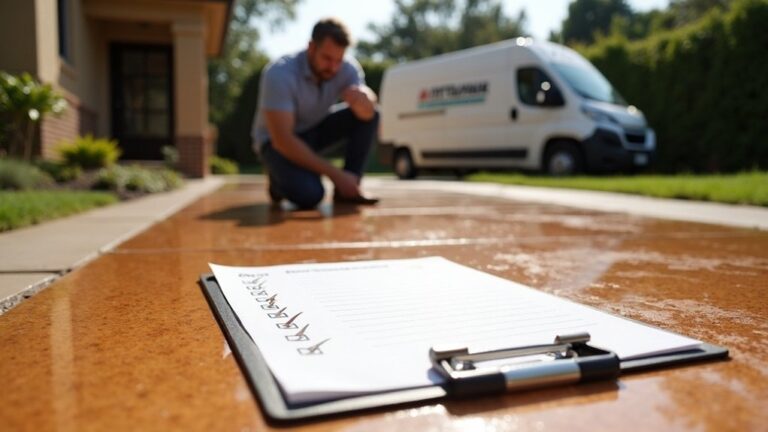
Several factors influence the lifespan of your resin driveway. Firstly, the quality of installation is crucial; this includes proper surface preparation and the expertise of the contractor. Using high-quality materials will enhance durability. Weather conditions, such as UV exposure and temperature changes, can also cause damage over time. Additionally, the type and frequency of vehicles using the driveway can contribute to wear and tear. Regular maintenance, like inspections and prompt repairs, is essential for longevity. Understanding how these factors interact will help you achieve the best performance from your driveway.
Key Takeaways
- Proper installation and surface preparation are key to the durability and longevity of resin driveways.
- Using high-quality materials, such as UV-stable resins and robust aggregates, can significantly extend the lifespan of your driveway.
- Environmental factors, like changing temperatures and moisture levels, can cause cracking and damage if not properly managed.
- The type and frequency of vehicle use—particularly heavy or off-road vehicles—can greatly affect how well the driveway holds up over time.
- Regular maintenance is crucial; this includes cleaning, checking for cracks, and making timely repairs to prolong the life of your driveway.
Installation Quality
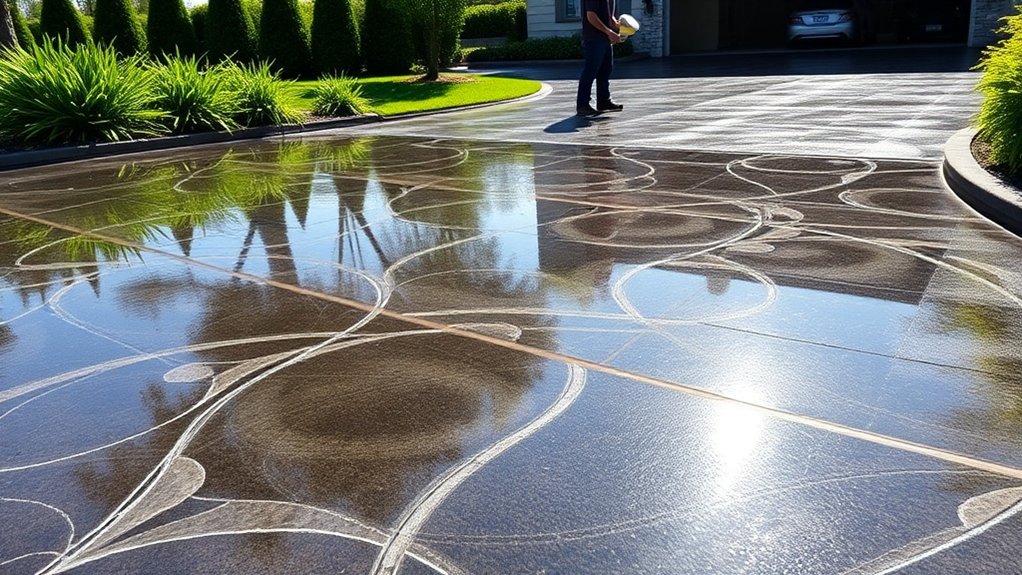
When investing in a resin driveway, the quality of installation is essential for its durability. Proper surface preparation is vital; ensure the subbase is stable, clean, and well compacted to prevent cracking.
Experienced contractors use effective techniques, like uniformly priming the surface to improve resin adhesion. It’s also crucial to mix the resin and aggregate in the right ratios to avoid soft or brittle surfaces. A well-executed installation contributes to the longevity of the driveway, significantly enhancing its lifespan.
Skilled contractors, typically with 5 to 10 years of experience, follow manufacturer guidelines closely to ensure performance standards are met. They also keep an eye on environmental conditions during installation to avoid issues like uneven curing. Additionally, proper depth measurement is critical for both durability and aesthetic appeal.
Quality of Materials

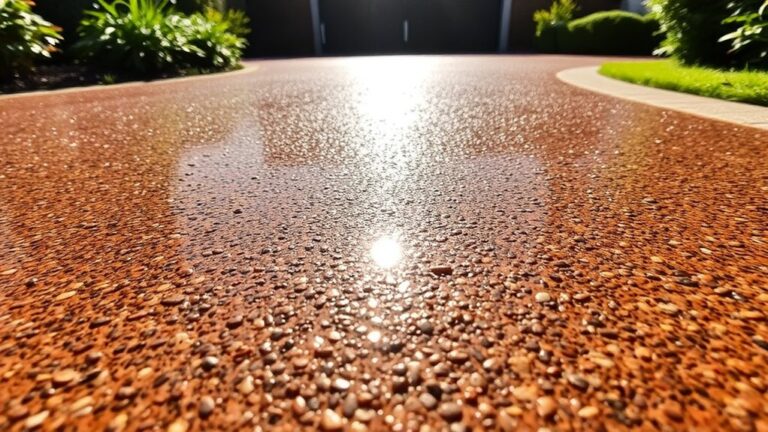
The quality of materials significantly affects the lifespan of your resin driveway, especially the durability of the resin used. Opting for high-performance resins that suit your local climate ensures they can withstand environmental challenges without breaking down. Additionally, using high-quality resin and aggregates can enhance the overall durability of the driveway. Choosing sustainable alternatives, such as eco-friendly materials, can further contribute to the longevity and environmental impact of your driveway.
Durable Resin Formulas
Durable resin formulas are essential for the longevity and performance of resin driveways. They combine high-quality, UV-stable polyurethane resin with natural aggregates, enhancing both strength and appearance. The process of polymerisation creates robust molecular cross-links, which significantly boost impact resistance and prevent material wear. Additionally, using high-quality materials contributes to the overall durability and longevity of the driveway.
- Resistant to chemical penetration: Cross-linked polymers guard against acids and environmental pollutants.
- Flexibility under stress: The resin adapts to ground movements, minimising the risk of cracks.
- UV and weatherproof: Quality resins preserve their look and strength, even in harsh weather conditions. Additionally, these resin surfaces maintain structural integrity under heavy traffic, supporting weights up to 400 tonnes per cm², outperforming traditional materials.
Climate Compatibility Considerations
Resin driveways are known for their durability, but their lifespan is significantly influenced by climate compatibility and the quality of materials used.
It’s vital that the resin withstands thermal stress and extreme weather conditions. For example, in areas prone to freeze-thaw cycles, using specially formulated resins can help prevent cracking.
Ensuring proper drainage and sealing is also essential to avoid water damage. Installation should take place under suitable conditions, as high humidity or extreme temperatures can affect curing, leading to issues like loose aggregate.
Choosing the right resin mixes and adding components for UV stability and thermal resistance is crucial for ensuring your driveway endures local weather patterns.
Weather and Environmental Conditions
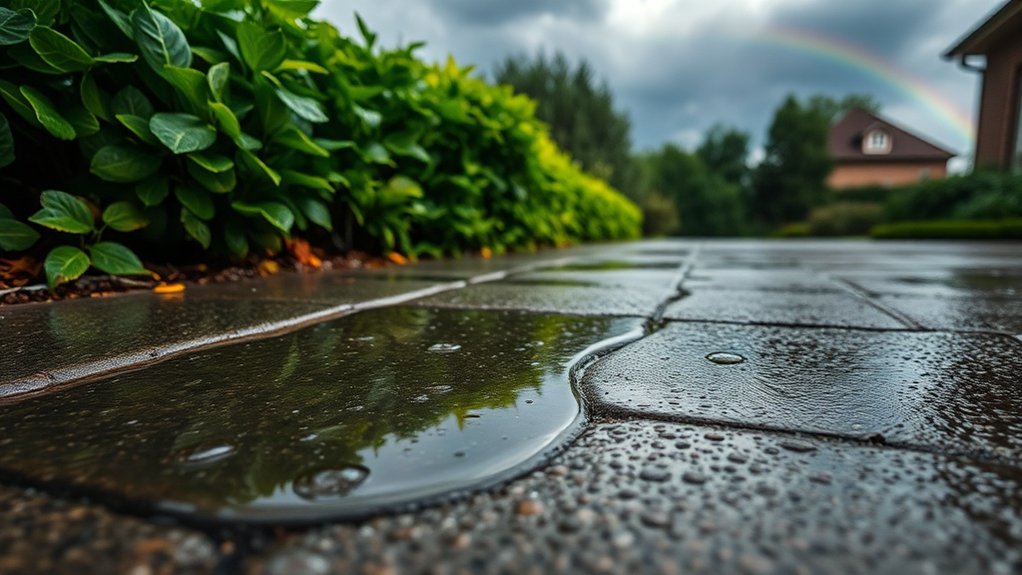
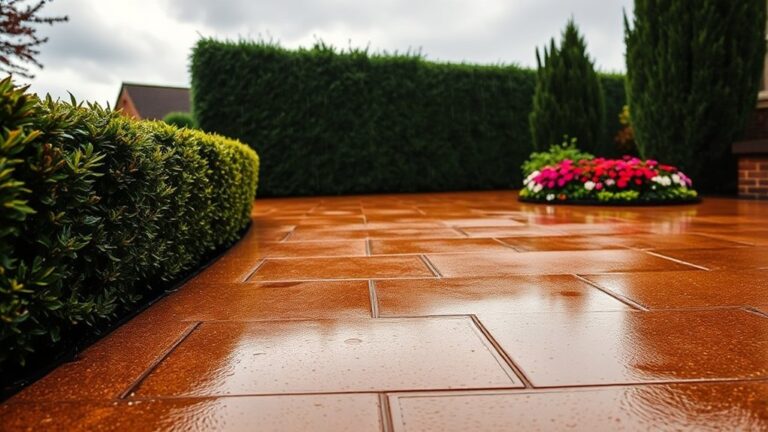
Extreme weather can significantly affect the lifespan of your resin driveway, leading to wear and damage over time.
It’s important to understand the benefits of UV resistance, as this helps prevent fading and degradation from sunlight.
Effective drainage is also crucial; it helps avoid moisture-related problems that could undermine the integrity of your driveway.
Extreme Weather Impacts
Temperature fluctuations can significantly affect resin driveways, so it’s important to understand how these changes can impact their longevity.
Resin is sensitive to temperature, expanding and contracting which may lead to cracking if not properly managed. Extreme weather, especially freeze-thaw cycles, can worsen these issues.
To ensure your driveway stays durable, keep these points in mind:
- Adequate drainage helps prevent water build-up, reducing the risk of freeze-thaw damage.
- Heat-resistant resin mixes can cope better with rising temperatures during warmer months.
- Regular maintenance and inspections allow you to identify and address minor problems before they worsen.
UV Resistance Benefits
UV exposure can seriously damage resin driveways, making the choice of UV-stabilised resins crucial for their durability and appearance.
These specially formulated resins resist degradation from sunlight, preventing brittleness and breakdown. Without UV protection, you could see significant yellowing in just 12 months, which affects both the look and strength of your driveway.
High UV exposure can also lead to increased brittleness, raising the risk of cracks. By selecting UV-stabilised materials, you improve flexibility and guard against surface discolouration, which helps maintain curb appeal.
Good UV resistance can extend your driveway’s lifespan to 20–25 years, making it essential for both functionality and aesthetics. Regular maintenance will further enhance this UV protection.
Drainage Importance Explained
While UV resistance is important for keeping your resin driveway looking good, effective drainage is crucial for its longevity and performance.
Good drainage solutions help manage rainwater, allowing it to soak into the ground rather than pool on the surface. This prevents erosion and helps maintain the driveway’s structural integrity.
- Efficient drainage reduces water retention, which can extend the driveway’s lifespan.
- Proper water management lowers maintenance needs and helps the driveway look its best.
- A well-designed drainage system can also ensure compliance with environmental regulations.
In areas with heavy rainfall, consider additional drainage options to prevent overwhelming the permeable surface.
Usage and Traffic Load
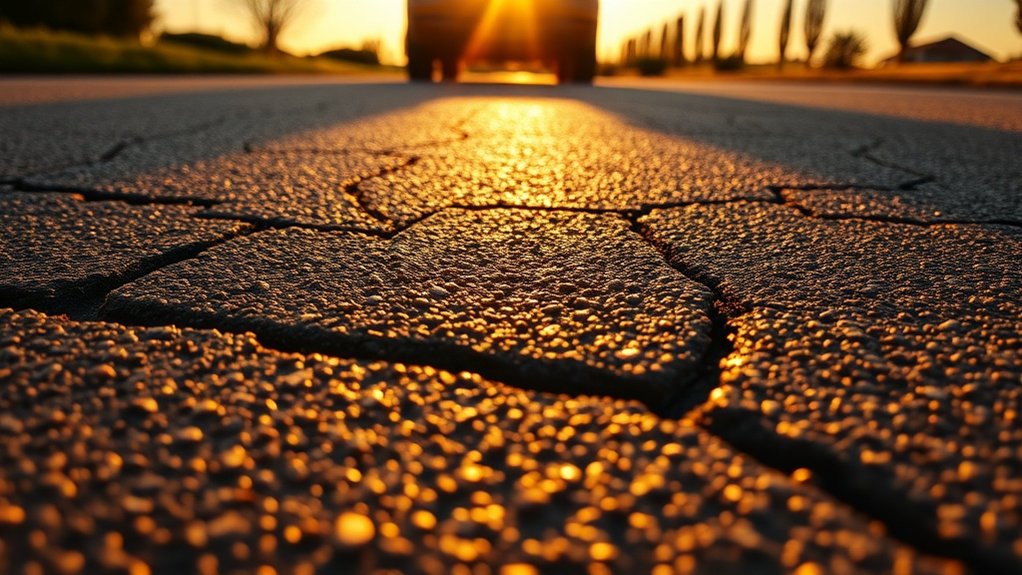
The lifespan of a resin driveway largely depends on usage and traffic load, affecting its ability to endure the demands placed on it. Different types of vehicles and how often they are used can significantly impact the surface’s durability. For instance, regular use by heavy vehicles will hasten wear, whereas lighter, occasional traffic helps preserve its integrity.
| Vehicle Type | Impact on Lifespan |
|---|---|
| Passenger Vehicles | Minimal wear |
| Commercial Trucks | Accelerated wear |
| Off-road Vehicles | High abrasion risk |
Resin surfaces can support loads of up to 7.5 tonnes if installed at the correct depth, but excessive weight may cause premature cracking. Choosing the right aggregate is crucial for enhancing load-bearing capacity and extending the life of your driveway, especially under heavy traffic conditions.
Maintenance Practices
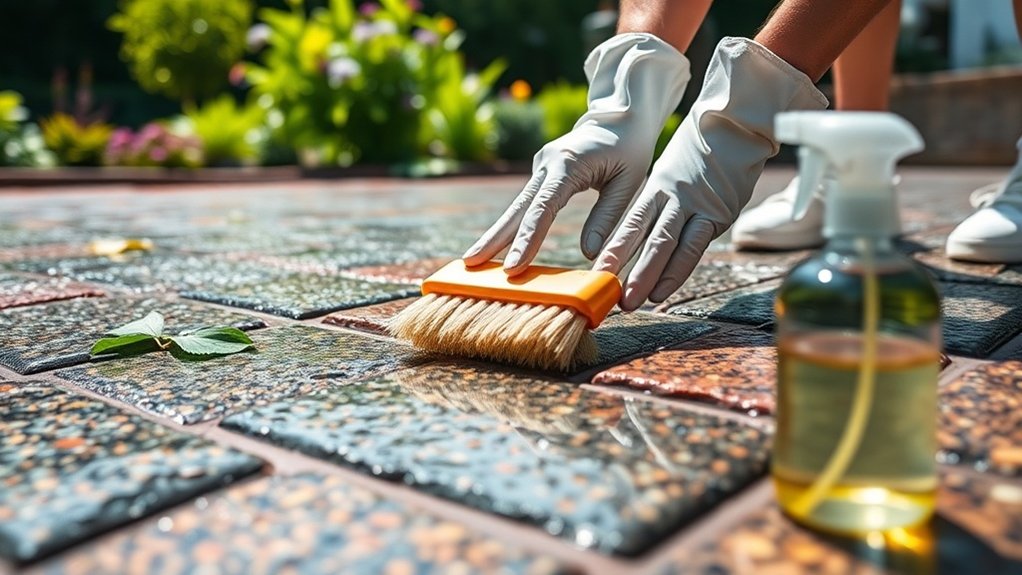
To ensure your resin driveway lasts, set up a regular cleaning routine that involves sweeping and deep cleaning.
Address any signs of damage promptly to avoid further problems, and carry out seasonal drainage checks to ensure proper water flow.
These maintenance steps are crucial for keeping your driveway functional and looking good.
Regular Cleaning Schedule
A regular cleaning schedule is vital for keeping your resin driveway looking its best and extending its lifespan. Aim to sweep it weekly to prevent debris accumulation, particularly in autumn when leaves can lead to staining.
Use a stiff-bristled broom for effective cleaning, and wash your driveway with warm water and a gentle detergent three to four times a year.
- Regular sweeping keeps the surface clean and deters moss growth.
- Rinse thoroughly after washing to remove any detergent residues.
- Tackle stains immediately to avoid permanent discolouration.
Prompt Damage Repairs
Ignoring minor damage may seem trivial, but timely repairs are crucial for the longevity of your resin driveway. Regularly check for cracks, especially in high-stress areas, as catching hairline cracks early can prevent larger issues.
Use a magnifying glass to spot fine cracks and tackle them quickly. Clean the damaged areas thoroughly to remove debris and ensure good adhesion with appropriate fillers. Use resin-based products that match your driveway for optimal results.
After making repairs, keep an eye on the area for any signs of further damage, particularly after bad weather. Addressing issues promptly not only makes repairs easier but also significantly extends the life of your driveway, helping maintain a safe and attractive surface.
Seasonal Drainage Checks
Timely repairs are crucial for the upkeep of your resin driveway, but regular seasonal drainage checks are just as vital for its longevity.
Conducting inspections each season helps you spot blockages early, ensuring efficient drainage.
- Clear away leaves and debris to prevent drainage issues.
- Check drainage channels regularly for blockages and clear them promptly.
- Maintain surrounding landscaping to direct water away from the driveway.
Aim to perform these checks at least 3-4 times a year, particularly during seasonal changes.
Quickly remove organic matter to prevent mould and mildew, which can hinder drainage.
Sub-base and Drainage Preparation
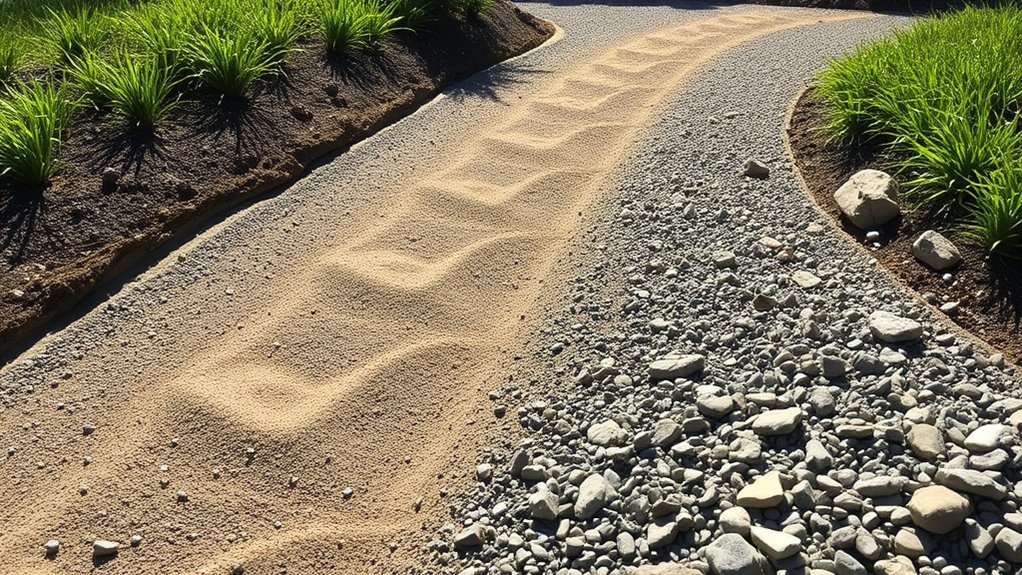
When preparing a sub-base for a resin driveway, it’s crucial to ensure proper construction and drainage for long-lasting results.
Use MOT Type 3 sub-base materials for their excellent load-bearing capacity and drainage properties. Compact the sub-base thoroughly in layers to achieve strong structural integrity.
Incorporate effective drainage solutions with a gradient that directs water away from buildings, preventing any pooling. A geotextile membrane beneath the sub-base helps control moisture and prevents weed growth.
Ensure the surface is level to avoid any imperfections affecting the resin layer.
Finally, install edge restraints to keep the shape intact during and after installation, ensuring your driveway stands the test of time.
Regular inspections will help maintain the integrity of the sub-base and allow you to address any issues quickly.
Importance of Skilled Installers

Skilled installers are crucial for ensuring the longevity and performance of resin driveways. Their expertise directly impacts the quality of the installation, from choosing the right materials to preparing a solid base.
Using proper installation techniques is vital to achieving a durable and attractive surface.
- Ensures an even resin application to prevent cracking.
- Chooses high-quality materials for enhanced durability.
- Prepares a stable, debris-free base for a long-lasting finish.
Impact of Extreme Weather
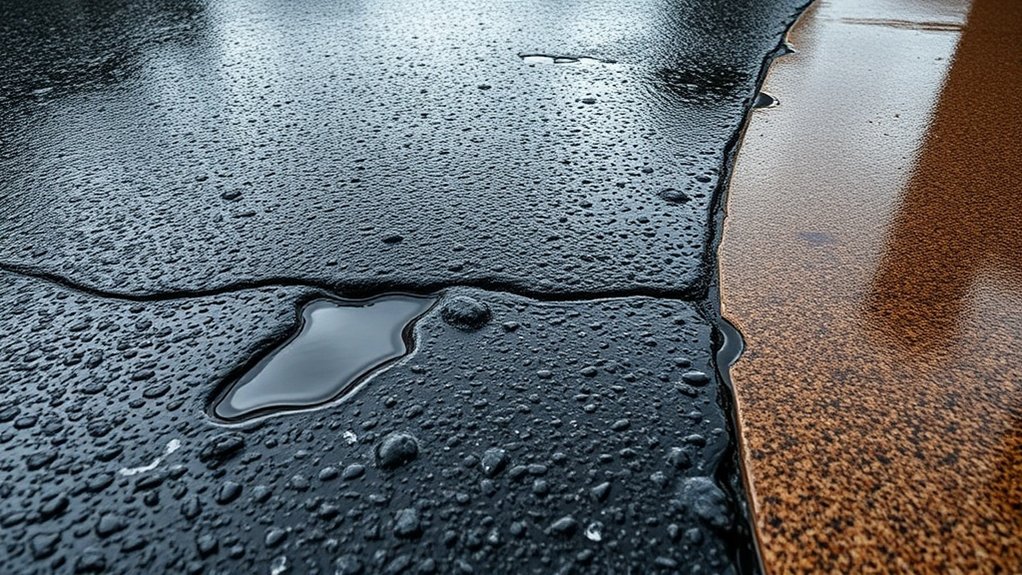
Extreme weather significantly affects the lifespan and performance of resin driveways, so it’s vital to be aware of these impacts to ensure long-lasting durability.
Temperature fluctuations can cause materials to expand and contract, leading to surface shifts and a higher risk of cracking. In colder areas, freeze-thaw cycles can worsen water damage, while high temperatures may soften the resin, causing deformations.
To mitigate these issues, choose UV-stable and heat-resistant resins to maintain the material’s integrity.
Regular maintenance, such as seasonal inspections and effective drainage management, is essential to prevent long-term damage.
Compatibility With Local Climate

Understanding how your local climate affects your resin driveway is crucial for its durability. Climate adaptation is key, as varying temperatures can lead to thermal expansion and contraction, which may result in cracks if not addressed.
In areas with extreme cold or heat, your driveway should be designed to withstand these conditions.
- Ensure proper drainage systems are in place to prevent freeze-thaw damage.
- Choose heat-resistant resin if you live in a warmer climate.
- Use flexible installation methods to allow for thermal movement.
Regular Monitoring and Maintenance
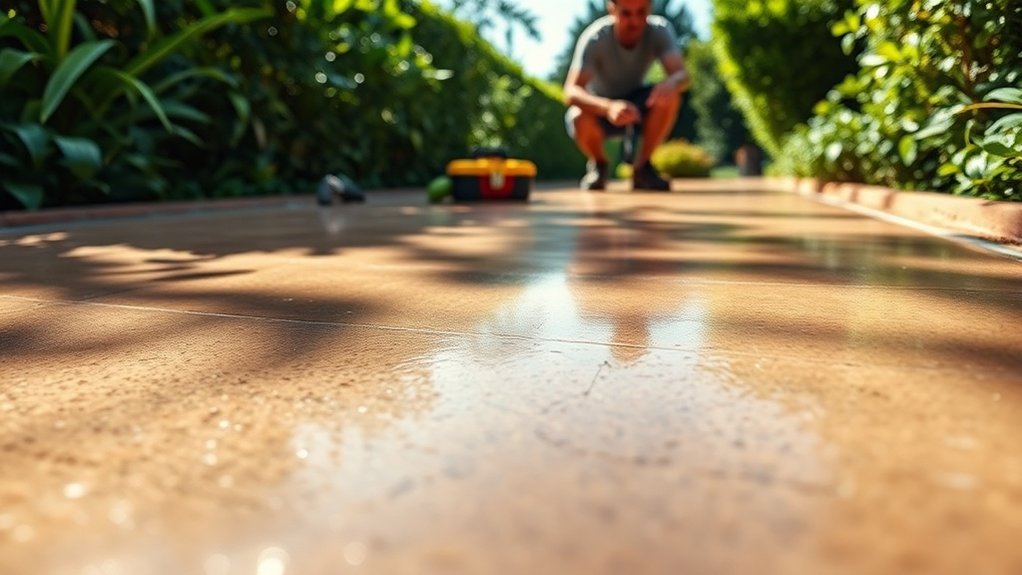
Regular monitoring and maintenance are essential for extending the life of your resin driveway. Start by sweeping it weekly to remove debris and prevent staining.
Every 3-4 months, wash the surface with a mild detergent and warm water, rinsing thoroughly to keep it looking fresh. Keep an eye out for any cracks or damage—address these quickly to avoid water getting in.
Use UV-resistant sealants to shield against sun damage and moisture. Control weeds by pulling them out manually, and tackle moss or algae promptly to prevent stains.
Adjust your maintenance routine with the seasons: use non-corrosive de-icers in winter and clean more often in summer. These straightforward strategies will help ensure your driveway stays in great condition for years to come.
Long-term Environmental Considerations

When considering the longevity of your resin driveway, it’s important to think about its long-term environmental impact.
By adopting sustainable practices, you can enhance its ecological benefits. Here are some key points to consider:
- Water Management: Permeable surfaces allow rainwater to seep through, which helps reduce runoff and lower the risk of flooding.
- Biodiversity Support: By allowing groundwater recharge, you promote healthy plants, which in turn support local wildlife.
- Pollution Prevention: A proper installation can significantly reduce the risk of pollution during the construction process.
Using eco-friendly materials not only boosts sustainability but also ensures durability, meaning you won’t have to replace your driveway as often.
Frequently Asked Questions
Can Resin Driveways Be Repaired if Damaged?
Yes, resin driveways can be repaired using effective techniques. If you notice any damage, it’s best to act quickly. For instance, small cracks can be filled with a suitable resin filler, while larger areas may require a complete resurfacing. Addressing issues promptly not only improves the driveway’s durability but also helps prevent further problems, keeping your driveway looking great.
How Do I Choose the Right Installer?
To choose the right installer for your resin driveway, start by checking their qualifications and experience. Look for relevant certifications and ask to see examples of previous projects. Reading client reviews can also provide insight into their quality of work and reliability. This way, you can ensure the installer meets your expectations for a durable and attractive driveway.
Are Resin Driveways Eco-Friendly?
Yes, resin driveways are eco-friendly. They utilise sustainable materials, which helps to reduce environmental impact. By allowing water to drain through the surface, they minimise runoff and support local ecosystems. Choosing a resin driveway contributes to a greener, healthier environment.
What Colors Are Available for Resin Driveways?
Resin driveways offer a variety of colour options to enhance your home’s appearance. You can choose from earthy tones, modern greys, vibrant colours, and custom blends. This flexibility allows you to create a unique look that complements your property.
How Does UV Resistance Work in Resin Driveways?
UV resistance in resin driveways is achieved through specially formulated resins that contain UV protection agents. These additives help protect against harmful sunlight, preventing discolouration and structural damage. This not only preserves the appearance of your driveway but also enhances its overall durability and lifespan. For example, a driveway exposed to direct sunlight will maintain its vibrant colour for longer, making it a smart choice for UK homeowners.
Conclusion
In summary, the lifespan of your resin driveway depends on several key factors. Quality installation and materials are essential for durability, while neglect can cause it to wear out quickly. Weather conditions play a significant role; for instance, heavy rain or frost can damage an improperly installed driveway, while well-made ones may withstand such challenges. Regular maintenance, like cleaning and sealing, can extend its life, but extreme weather can still take a toll. By keeping these factors in mind, you can help ensure your driveway stands the test of time.

Keen to transform your driveway? Discover the essential steps to expertly install a resin driveway and elevate your home's curb Read more

Incorporate essential tips for maintaining your resin driveway's longevity and appearance, ensuring it remains a stunning feature of your home. Read more
Have you considered the essential questions to ask before hiring a resin driveway company? Discover what could make or break Read more