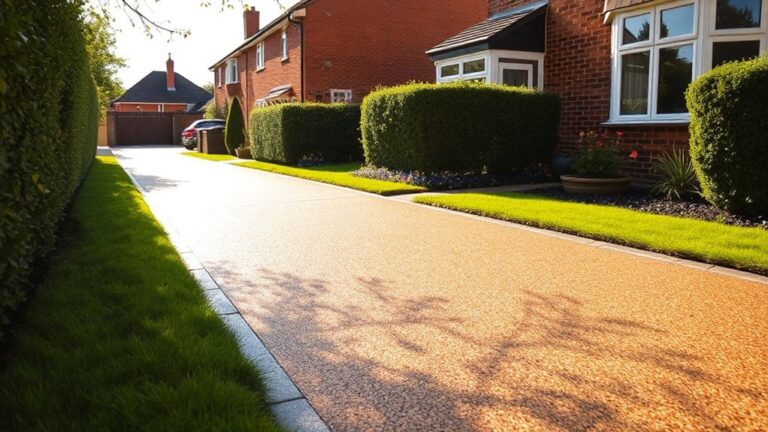

How Thick Should a Resin Driveway Be in Nottingham?
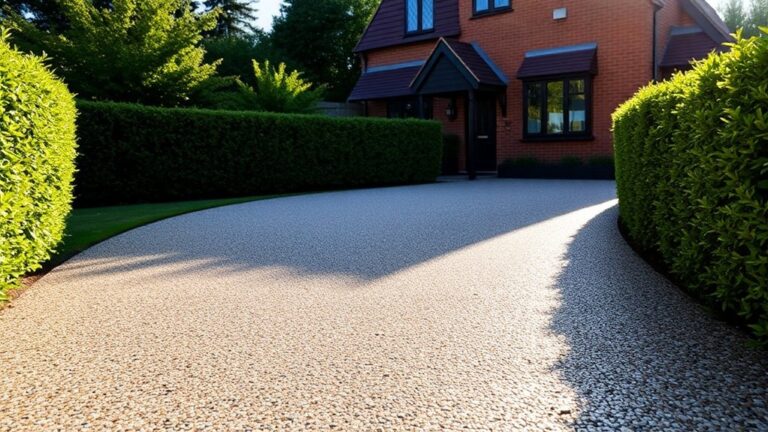
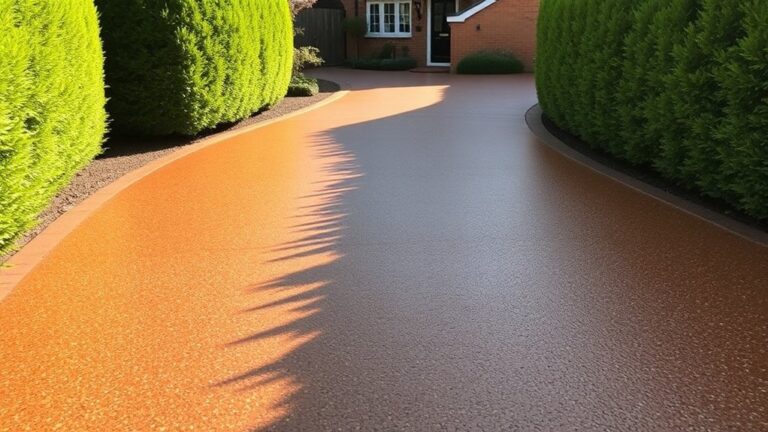
In Nottingham, a resin driveway should ideally be 18-20mm thick to ensure durability and effectively support vehicle weight. If you have heavier vehicles, aim for a thickness of at least 25mm. This ensures proper weight distribution, helping to prevent cracking and wear over time. It’s also crucial to use correct installation techniques and a sturdy sub-base for maximum longevity. Understanding these factors will help you achieve a high-quality resin driveway that stands the test of time.
Key Takeaways
When considering a resin driveway in Nottingham, the ideal thickness is between 18-20mm for residential areas. This thickness helps ensure durability and prevents structural problems. If the driveway will experience heavier traffic, such as in commercial settings, aim for at least 25mm.
A strong sub-base of at least 220mm is crucial for long-lasting stability and effective weight distribution. Using quality aggregates mixed with resin is also important to achieve the recommended thickness and ensure the driveway lasts.
Following these thickness guidelines during installation can help avoid issues like cracking and surface wear.
Importance of Resin Driveway Thickness
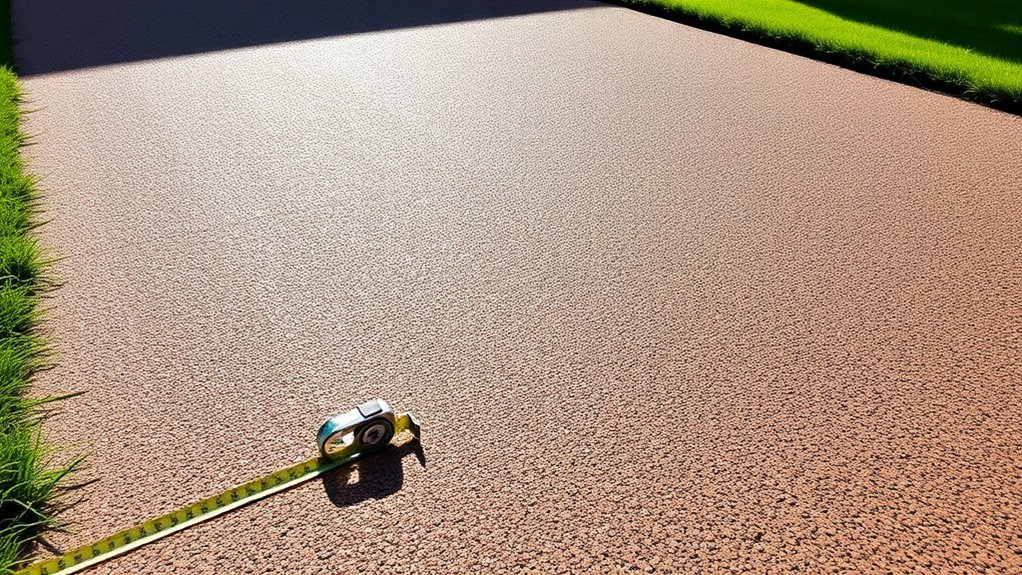
The thickness of a resin driveway is crucial for its performance and durability. A suitable thickness ensures that weight is evenly distributed to the sub-base, which helps prevent stress at weak points, such as service covers. While thicker resin can improve strength and resistance to wear, it won’t fix a poorly built sub-base. For optimal results, it’s essential to consider both the resin properties and how it’s installed. If you have heavier vehicles, opting for a thicker layer alongside a strong sub-base design can significantly reduce the risk of ruts forming. Additionally, a strong sub-base is crucial for overall weight-bearing capacity and can contribute to the longevity of the driveway. A good base will also ensure proper water drainage, which is essential for maintaining the integrity of the surface. On the flip side, insufficient thickness may lead to surface cracking due to movement. Ultimately, selecting the right thickness not only enhances the driveway’s lifespan but also cuts down on maintenance and repair costs.
Standard Thickness Recommendations

Selecting the right thickness for your resin driveway is crucial for optimal performance and durability.
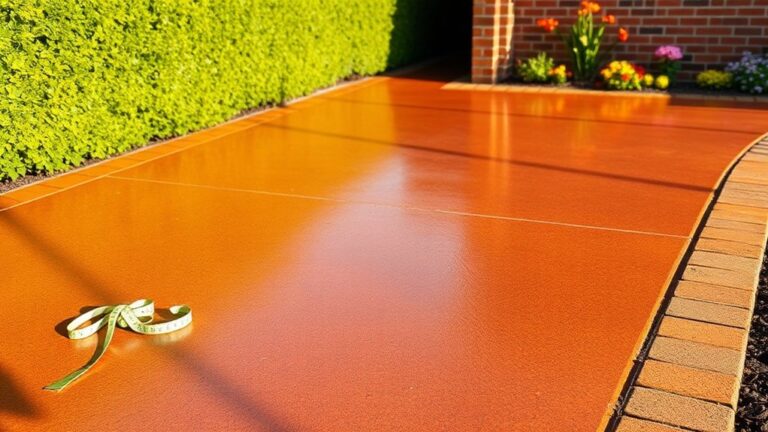
For residential driveways, a thickness of 18-20mm is recommended, particularly when using 3-6mm aggregates. This thickness can support vehicles weighing up to 7.5 tonnes while ensuring an attractive finish. Additionally, a minimum thickness of 18mm for durability is essential to prevent wear and structural issues. Regular maintenance practices can also extend lifespan and enhance the longevity of your driveway.
If you prefer a lighter application, a minimum of 15-18mm is acceptable, but avoid going thinner to prevent premature wear.
For heavier vehicles or commercial use, aim for a thickness of at least 25mm for adequate support.
Aggregate Size Correlation
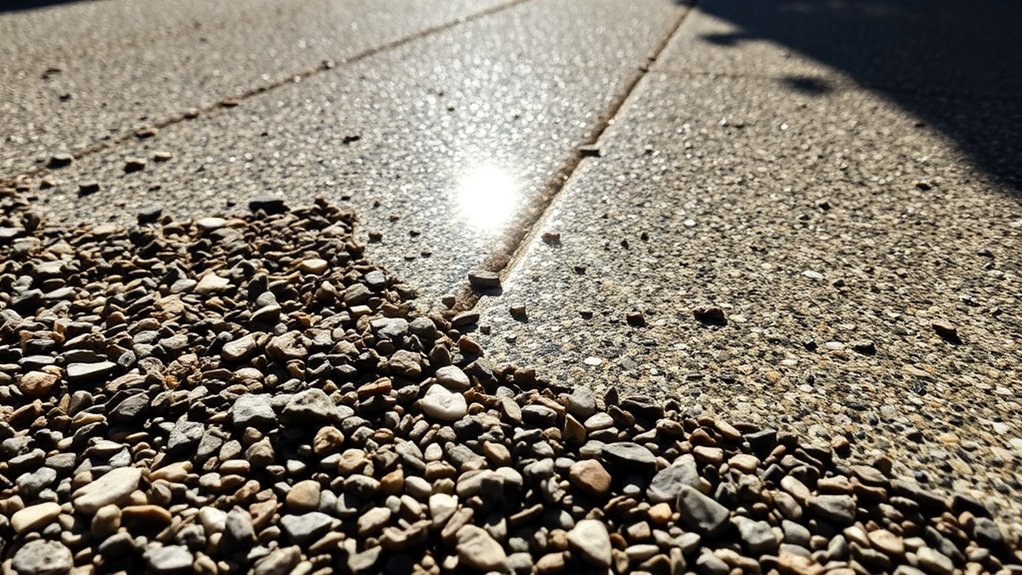
When choosing aggregate size for your resin driveway, it’s important to note that the maximum particle size influences the minimum thickness needed for stability. Adhering to the aggregate-to-thickness ratio is essential for proper encapsulation, helping to avoid issues such as stone protrusion and early wear. For optimal performance, ensure you balance the aggregate size with the right thickness to keep the surface strong under load. This ensures that the driveway remains durable and low maintenance, typical of resin bound driveways. Proper preparatory work before installation is also crucial to achieving a long-lasting surface.
Aggregate Size Guidelines
Choosing the right aggregate size is crucial for the performance and look of a resin driveway. Decorative aggregates typically range from 1–3 mm up to 8–10 mm in size.
For residential driveways, an aggregate size of 3–6 mm is ideal, striking a good balance between aesthetics and functionality.
When mixing, aim for a ratio of about 3 parts aggregate to 1 part resin. If using coarser aggregates, you may need to increase the resin to keep the stones secure.
Mixing different sizes, such as 1–3 mm with 2–5 mm, can improve compaction and stability.
Selecting the appropriate aggregate size and mix not only enhances the visual appeal but also contributes to the durability and lifespan of your driveway.
Stability and Thickness Relationship
The relationship between stability and thickness is crucial for a resin driveway, but it also depends on the size of the aggregate and the depth of the composite. To ensure stability and avoid surface voids and cracking, the layer should be at least three times the largest aggregate diameter.
For a visually appealing driveway that can withstand seasonal changes, a typical depth of 15–20 mm is recommended, providing enough strength for vehicles. Thicker layers help distribute weight more evenly, reducing stress points and enhancing long-term stability.
On the other hand, insufficient thickness can lead to concentrated shear forces and premature failures. By finding the right balance between aggregate size and thickness, you can optimise permeability while maintaining your driveway’s appearance and durability.
Base Layer Requirements

To ensure a durable and effective resin driveway, it’s essential to pay attention to the base layer requirements. The main base material is usually MOT Type 3, which should be compacted to a thickness of 100–150mm for domestic use.
If the area will experience heavier traffic, aim for a thickness of 200–250mm. Use proper compaction methods, such as a plate compactor, to stabilise the sub-base and prevent future settling.
If you’re using porous materials for Sustainable Drainage Systems (SuDS) compliance, make sure the total base depth, including the binder layer, is between 150–300mm.
Additionally, consider incorporating a geotextile membrane to separate the subgrade from the aggregate. Following these guidelines will provide a strong foundation for your resin driveway, ensuring its longevity and performance.
Load-Bearing Capacity
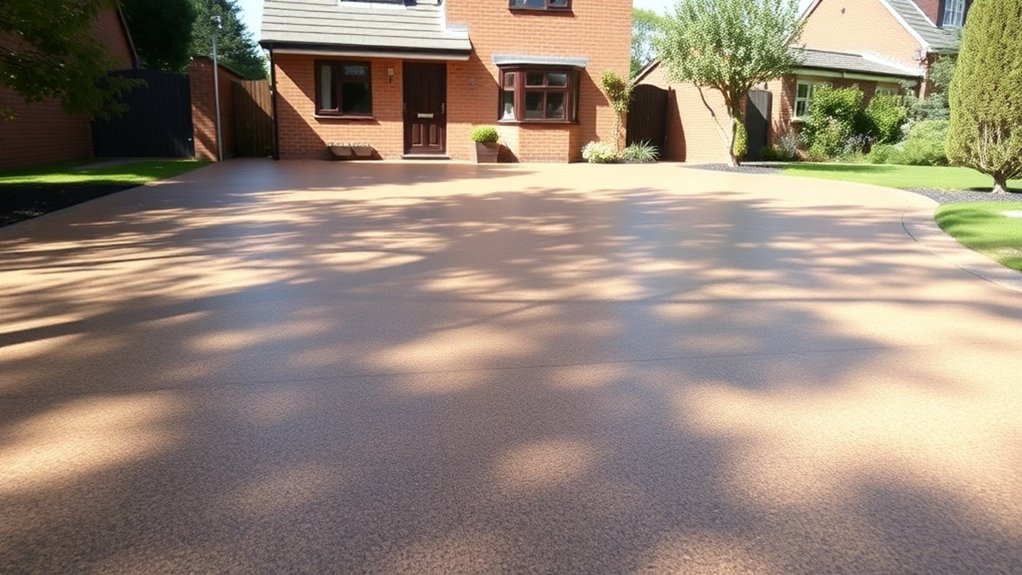
The load-bearing capacity of a resin driveway is crucial for ensuring it can handle various vehicles and traffic levels. A standard thickness of 15-18 mm can support loads of up to 7.5 tonnes, while an 18 mm depth with 3-6 mm aggregates offers maximum strength.
For heavier vehicles, such as vans or larger cars, a thickness of 25 mm or more is advisable, especially in commercial settings. Using high-quality materials like UV-stable polyurethane improves durability and helps maintain the driveway’s thickness.
It’s also important that the installation depth is at least three times the size of the largest aggregate to ensure stability. A strong sub-base is essential as well, providing effective weight distribution and resistance to cracking under different loads.
Nottingham-Specific Considerations
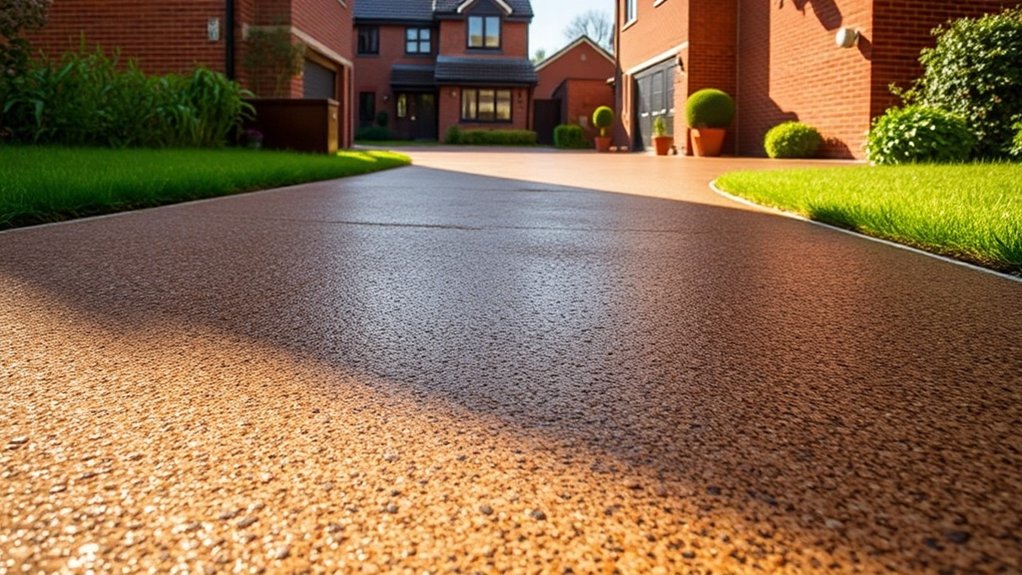
When planning your resin driveway in Nottingham, it’s important to consider local suppliers for aggregates, such as GCL Products, as this can affect your project’s outcome.
Ensure your contractor has experience with regional installation practices to achieve the right thickness and durability.
Local Aggregate Availability
Nottingham offers a variety of local aggregate sources essential for building resin driveways. Suppliers provide different types of aggregates, such as limestone, sand, gravel, and decorative options, which are important for both basecourses and sub-bases.
You’ll find Type 1 (25mm down) and 6F2 (75mm down) recycled hardcore readily available, ensuring your driveway remains structurally sound. Many merchants also supply sharp sand and washed gravels for resin-bonded surfaces.
Additionally, local operators can handle bulk deliveries and site logistics for projects of any size. Do keep in mind that particle sizes may vary with the seasons, so it’s a good idea to check with local suppliers to ensure you get what you need for your project.
Installation Expertise Importance
Having a skilled installer is crucial for the successful installation of a resin driveway, as their expertise directly impacts the surface’s durability and performance.
Look for qualifications like Constructionline or TrustMark registration, which confirm their credentials. Knowledge of different resin types, such as UV-stable polyurethane blends, is important to ensure the right choice for Nottingham’s climate.
Experienced installers use precise techniques and conduct structural assessments to determine the necessary thickness and appropriate edge restraints for effective drainage.
They also understand local regulations and seasonal constraints, ensuring proper surface preparation to reduce the risk of early failure.
In short, a proficient installer guarantees a resilient and effective resin driveway tailored to local conditions and the homeowner’s specific needs.
Recommended Thickness for Different Uses

To ensure optimal performance and longevity of a resin driveway, choosing the right thickness based on its intended use is crucial.
For residential driveways, a thickness of 15–20 mm is generally sufficient, with 18 mm being ideal for standard vehicles. If you anticipate heavier vehicles, increase the thickness to 20–25 mm.
For commercial applications, a thickness of 22–25 mm is recommended to withstand frequent use.
In pedestrian areas or patios, a minimum thickness of 15 mm will do.
Each thickness provides the maximum benefits of resin, such as improved aesthetics and durability while meeting specific load requirements.
Don’t forget about the aggregate sizing rule: the resin layer should be at least three times the size of the largest aggregate to ensure proper interlock and stability.
Installation Best Practices

When installing a resin driveway, it’s crucial to pay close attention to every step to ensure a durable and attractive finish.
Begin with proper surface preparation, ensuring good drainage and a solid base. Use high-quality aggregates mixed with resin binder, following the manufacturer’s instructions for optimal results.
Spread the mixture evenly over the prepared base, maintaining the correct depth and incorporating expansion joints to reduce cracking. Trowel the surface carefully for a smooth finish—rushing this step can lead to unevenness.
Finally, stick to the curing times recommended by the manufacturer to achieve full strength before heavy use. Following these techniques is key to a long-lasting and appealing resin driveway.
Durability Factors for Resin Driveways
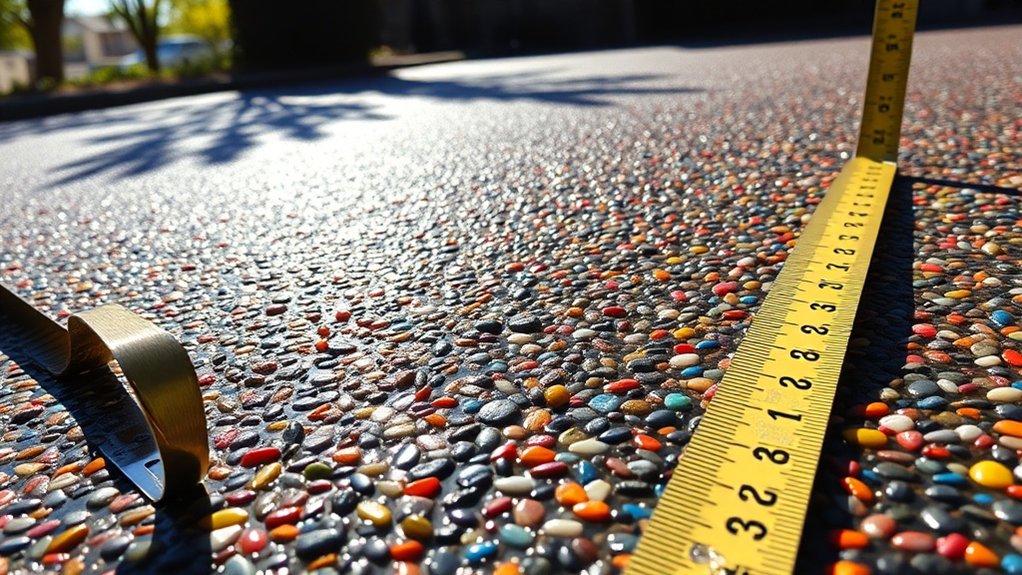
When it comes to the durability of resin driveways, thickness is crucial. For areas that will bear vehicles, aim for a minimum thickness of 18mm; for pedestrian zones, 15mm is sufficient.
Equally important is the quality of the installation; poor techniques can weaken the structure and shorten the driveway’s lifespan.
Thickness Recommendations
A typical resin-bound surface depth of 15–20 mm is recommended for residential driveways to ensure durability with standard vehicle use.
In the UK, it’s advised to have a minimum thickness of 16–18 mm to prevent surface breakdown and ensure proper aggregate encapsulation. For areas expecting heavier traffic, consider increasing the thickness to 25 mm or more.
It’s also crucial to choose the right resin types and application methods that suit your driveway’s needs. A resin-to-aggregate ratio of 6–8% by weight is ideal for optimal performance.
Furthermore, a solid sub-base of at least 220 mm is essential for long-term stability.
Installation Quality Importance
The thickness of the resin layer is crucial, but the quality of installation is just as important for the longevity of resin driveways. Proper installation by skilled professionals ensures your driveway lasts.
For instance, careful mixing and even application prevent weak spots and delamination, while a well-compacted sub-base reduces the risk of cracking.
Using forced action mixers is vital; anything less suggests poor practice. It’s also essential to maintain the correct resin-aggregate ratio to ensure structural integrity.
Professionals ensure compliance with regulations and assess site-specific conditions to optimise the surface.
In short, investing in quality installation directly affects your driveway’s lifespan, appearance, and overall performance.
Common Problems Due to Incorrect Thickness
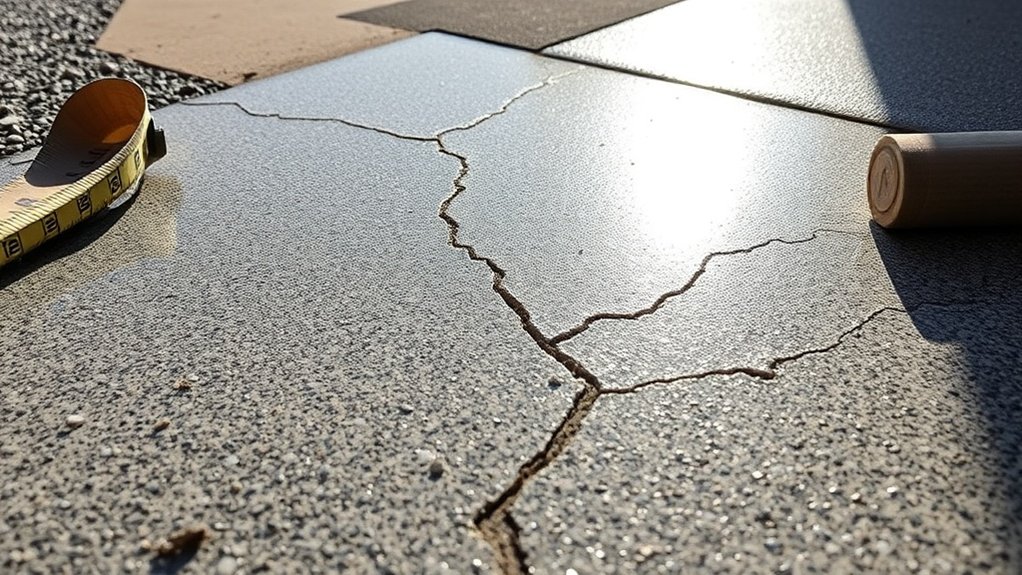
Insufficient thickness in a resin driveway can cause several serious problems that affect its durability and lifespan.
If you don’t follow the recommended depth, you may face:
- Surface wear leading to bald patches and visible aggregate.
- Cracking and peeling, particularly if the sub-base isn’t strong or well-compacted.
- Increased wear and tear, resulting in a shorter lifespan and more frequent repairs.
- Reduced drainage, which can lead to water pooling and slippery surfaces.
These issues not only shorten the life of your resin driveway but can also lead to expensive repairs or complete replacements.
To avoid these pitfalls, always ensure your installation meets the recommended thickness guidelines based on your specific traffic levels and environmental conditions.
Choosing the Right Contractor for Your Driveway
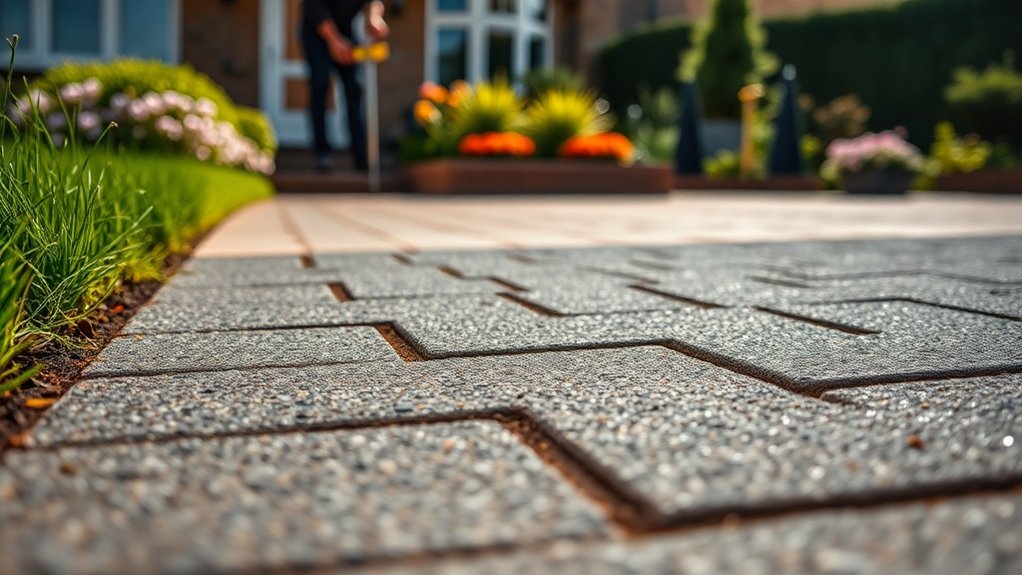
How can you ensure your resin driveway is installed properly? The answer lies in choosing the right contractor. Make sure your contractor has the necessary qualifications, local experience, and technical skills. Here’s a quick guide to help you decide:
| Criteria | Importance |
|---|---|
| Accreditation | Confirms expertise and reliability |
| Local Experience | Ensures knowledge of local conditions |
| Quality Assurance | Ensures compliance with industry standards |
Check for public liability insurance, membership in relevant trade associations, and a strong portfolio of previous work. Look for written guarantees and a clear communication strategy. This thorough vetting process will help you find a contractor who values quality, ensuring your driveway is both durable and meets your expectations.
Frequently Asked Questions
What Are the Environmental Impacts of Resin Driveways?
Resin driveways raise sustainability concerns because of the high embodied carbon associated with resin production. Although they provide drainage benefits due to their permeability, poor installation can cause drainage problems, which may lead to increased runoff and environmental impact over time.
Can Resin Driveways Be Installed in Winter?
Yes, you can install resin driveways in winter, but it’s important that temperatures remain above 5°C. If it drops below this, the installation may not set properly, which could lead to issues down the line. So, if you’re considering a winter installation, make sure to check the weather forecast and plan accordingly.
How Long Does It Take to Install a Resin Driveway?
A resin driveway usually takes between 1 to 3 days to install. The process includes preparing the site, mixing the materials, and laying the resin. Keep in mind that weather conditions can significantly affect the timeline. Full curing may take up to a week, so it’s best to avoid heavy traffic on it during this time.
Are Resin Driveways Suitable for Steep Slopes?
Yes, resin driveways can be suitable for steep slopes, but it’s important to consider installation methods and the durability of the resin. Using textured aggregates can improve grip and help manage water runoff, which is crucial on slopes. Careful planning is essential to ensure optimal results.
What Maintenance Do Resin Driveways Require Over Time?
Resin driveways need regular cleaning to avoid stains and should be inspected for cracks periodically. If you spot any damage, it’s best to carry out repairs without delay. Additionally, sealing the edges once a year helps maintain the driveway’s integrity and ensures it lasts longer.
Conclusion
Choosing a thinner resin driveway might seem like a way to save money, but it can lead to significant problems down the line. A properly thick driveway is essential for supporting heavy vehicles and ensuring durability. While it may feel wise to cut costs now, you could end up facing expensive repairs later. Invest in the correct thickness from the beginning to avoid the irony of spending more due to poor decisions.
{What is the Average Life Expectancy of a Resin Bound Driveway in Nottingham?|How long does a resin bound driveway last Read more

Keen to transform your driveway? Discover the essential steps to expertly install a resin driveway and elevate your home's curb Read more

Incorporate essential tips for maintaining your resin driveway's longevity and appearance, ensuring it remains a stunning feature of your home. Read more