How Much to Resurface a Driveway With Resin in Nottinghamshire?
Resurfacing a driveway with resin in Nottinghamshire typically costs between £40 and £70 per square metre. The overall price can vary based on factors like the quality of materials, installation complexity, and site conditions, such as access and ground preparation. For a medium-sized driveway (40-60 m²), you can expect costs to be around £6,000. Choosing premium materials or unique finishes may increase the price. If you’re exploring your options and need more details about pricing and installation, keep reading for further insights.
Key Takeaways
The average cost for resurfacing a driveway with resin in Nottinghamshire is between £40 and £70 per square metre. For a medium-sized driveway (around 40-60 m²), you can expect total costs to be between £6,000 and £7,000+.
Labour and installation can add an extra £30 to £50 per square metre. The quality of materials also plays a significant role in pricing; basic options start at £40 per m², while premium materials can exceed £120 per m².
It’s essential to ensure proper installation, as professional work can extend the lifespan of your driveway to between 15 and 25 years.
Understanding Resin Driveway Options
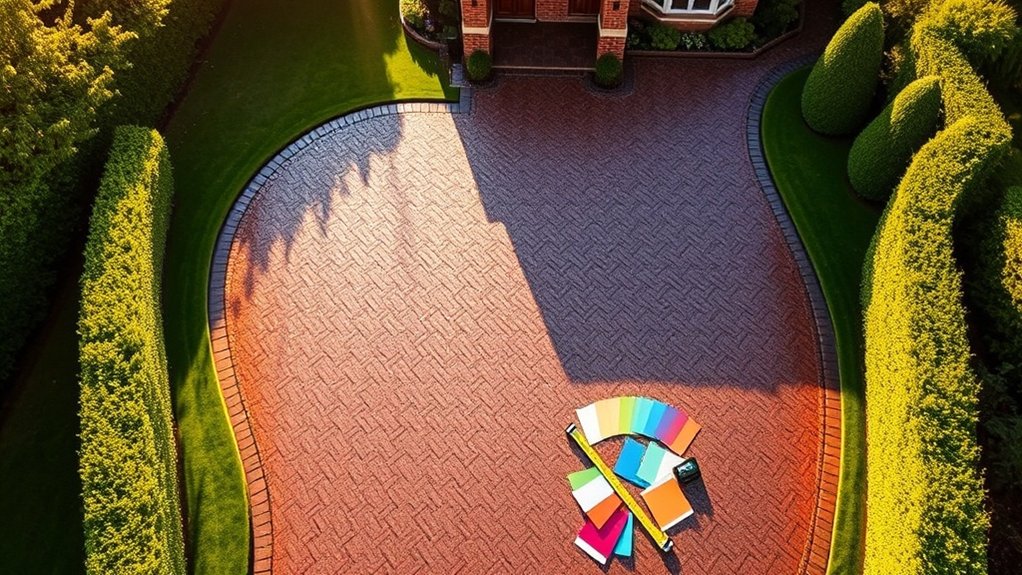
When planning a driveway resurfacing project, it’s essential to understand the different resin driveway options available. The two main types are resin bound and resin bonded.
Resin bound driveways mix aggregates with resin, creating a smooth, durable, and permeable surface that can handle heavy traffic. This option is ideal if your driveway sees a lot of use, making it a low maintenance choice for homeowners. Additionally, resin bound driveways promote sustainable urban drainage by allowing rainwater to permeate, which can help replenish groundwater.
On the other hand, resin bonded driveways involve applying resin to a base and then scattering loose aggregate on top, resulting in a rougher, textured finish that works well for lighter use.
Both types offer a range of colours and aggregate sizes, allowing you to customise the look to suit your property.
Choosing the right resin type won’t only enhance functionality but also improve the aesthetic appeal of your driveway.
Cost Breakdown per Square Metre
When selecting a resin driveway, it’s important to consider not just how it looks but also how it fits your budget.
In Nottinghamshire, costs typically range from £40 to £70 per square metre, with an average around £60. The type of resin and installation method can push prices higher, with top-quality materials and expert workmanship reaching up to £120 per square metre. Labour and installation usually add another £30 to £50 per square metre, depending on the project’s size and the experience of the installer. Material costs vary from £20 to £70 per square metre based on resin quality and aggregate selection. Keep in mind that opting for premium mixes or intricate installation methods can significantly affect your overall expenditure per square metre. Additionally, resin driveways are typically cheaper and quicker to install than traditional concrete options, making them a practical choice for many homeowners. Regular cleaning and resealing are necessary to maintain their durability and appearance over time.
Factors Affecting Driveway Resurfacing Costs

Several factors affect the costs of resurfacing a driveway, so it’s important to understand how each element influences the price.
The choice of material is crucial; for instance, resin driveways offer long-lasting benefits and require less maintenance, but they need a solid base. The average supply-only cost for resin driveways is about £50 to £85 per m². Additionally, proper installation is essential to ensure longevity and durability, as poorly installed driveways may lead to costly repairs.
Installation challenges, such as poor ground conditions or significant damage, can lead to higher preparation costs.
Labour rates can vary by location, with specialist installers often charging more due to their expertise.
If your site has limited access, this can also increase labour costs, as it may take longer to complete the job.
Additionally, if you need to upgrade drainage systems or add custom features like edging, your expenses will rise.
Average Project Size and Pricing Estimates
When planning a resin driveway resurfacing, the size of your driveway plays a crucial role in the overall cost.
For a medium-sized driveway, typically between 40-60 m², you can expect to pay around £6,000.
Smaller or larger areas will affect this total.
Being aware of these size-related factors will help you budget effectively for your resurfacing project.
Medium-Sized Driveway Costs
If you’re thinking about resurfacing a medium-sized driveway with resin in Nottinghamshire, it’s important to know what to expect in terms of costs. Prices typically range from £40 to £120 per square metre, with mid-range options falling between £70 and £90. For an average medium-sized driveway of around 50 m², you might be looking at around £6,000 for the more expensive options.
Here’s a straightforward cost breakdown:
| Cost Type | Price Range |
|---|---|
| Low-End Options | £1,600 – £2,800 |
| Mid-Range Options | £2,800 – £5,400 |
| High-End Options | £7,000+ |
| Labour Costs | £30/hour |
| Installation Costs | £50/m² |
Resin driveways are known for their durability and low maintenance requirements. Regular cleaning with biocide will help keep your driveway looking its best.
Size Impact on Pricing
The size of your driveway significantly affects the cost of resurfacing with resin.
Larger driveways typically need more materials and labour, which increases costs. Expect to pay between £45 and £120 per square metre, depending on the aesthetics and complexity of the job.
For smaller driveways, prices may range from £40 to £120 per square metre. Larger driveways can benefit from economies of scale, but costs remain high due to the amount of material required.
Additionally, intricate designs or extensive groundwork can lead to longer installation times and higher expenses.
In short, the size and specifics of your project will largely influence your final pricing.
Comparing Resin Bound vs. Resin Bonded
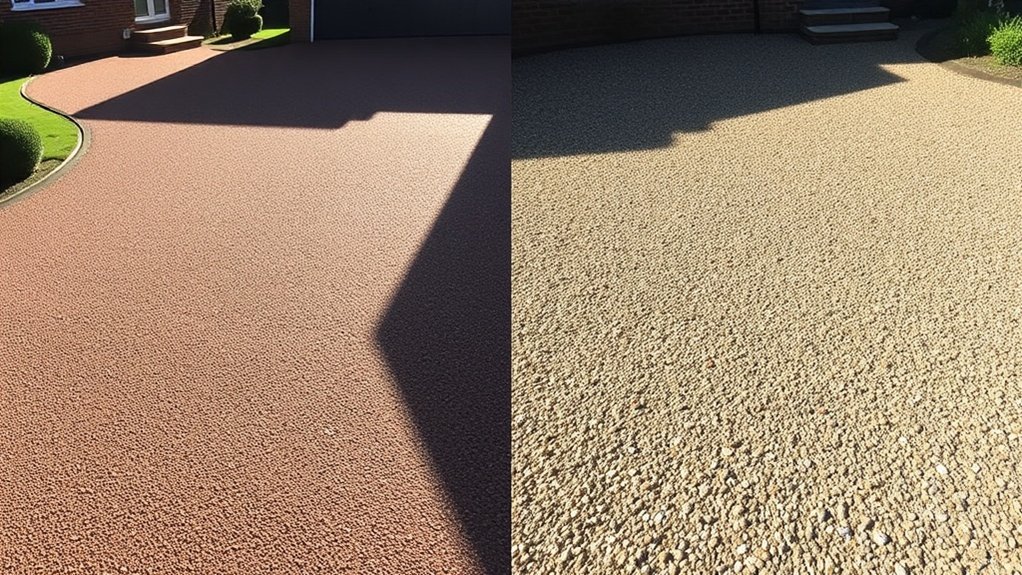
When choosing between resin bound and resin bonded driveways, it’s important to grasp their differences.
Resin bound driveways are created by mixing aggregate with resin before application, resulting in a robust, permeable surface that’s suitable for heavy traffic. Conversely, resin bonded driveways involve applying resin over an existing aggregate layer, making it a more cost-effective option with a thinner finish.
Installation methods differ as well; resin bound driveways require a solid sub-base and a more intricate installation process, while resin bonded driveways can be laid directly onto existing surfaces.
Both options resist weeds and slips, but resin bound driveways typically offer superior long-term performance and aesthetics, making them the preferred choice for those seeking low-maintenance, high-quality driveways.
Importance of Professional Installation
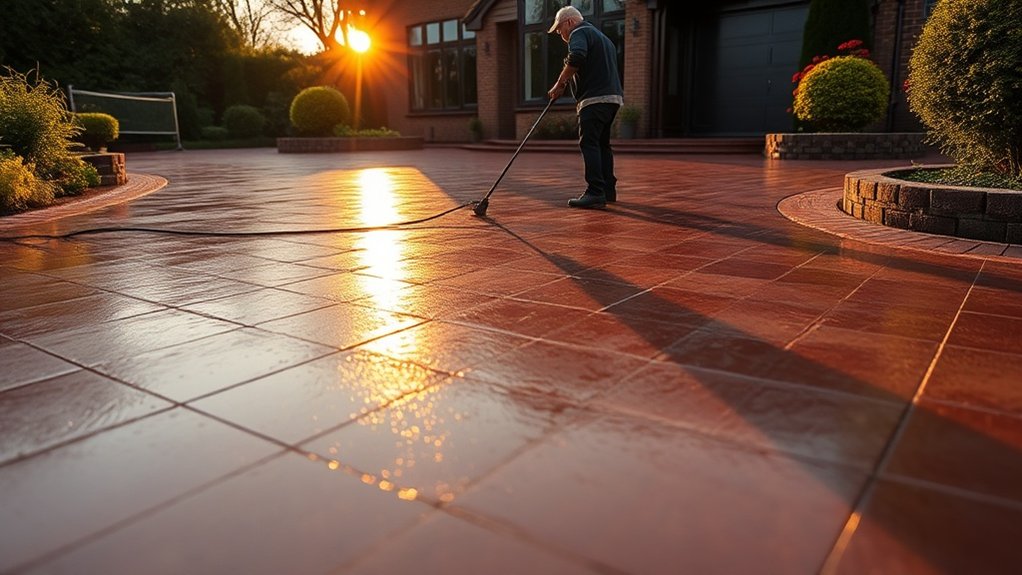
When resurfacing your driveway with resin, opting for professional installation is crucial for ensuring quality and expertise.
Skilled installers ensure that your driveway will last longer and withstand wear and tear from the British weather. Plus, their work often comes with warranties and aftercare services, giving you confidence in your investment.
For instance, a well-installed resin surface can resist cracking and fading, saving you money on future repairs.
Expertise and Quality Assurance
Ensuring your driveway is properly installed is essential for its longevity and functionality. Professional installation provides expert guidance on preparation, mixing, and adherence to local regulations. Here are some key factors to consider:
| Aspect | Benefits | Risks of DIY |
|---|---|---|
| Permeability | Allows natural water infiltration | Can lead to poor drainage and flooding |
| Aesthetic Consistency | Achieves a seamless, smooth finish | May result in patchy, uneven surfaces |
| Structural Integrity | Reduces the risk of defects | Increases chances of cracking and premature wear |
Investing in professional installation can save you time and money in the long run.
Longevity and Durability
The longevity and durability of your resin driveway largely depend on professional installation. When done properly, resin driveways can last anywhere from 15 to 25 years.
Using quality materials and expert techniques ensures the right resin-to-aggregate ratio, which enhances the lifespan of the resin. Proper preparation of the sub-base helps prevent cracking, while UV-stable resins resist sun damage.
To extend the life of your driveway, regular maintenance is key. This includes pressure washing twice a year and resealing as needed, which protects against stains and UV deterioration.
While resin driveways are generally more durable than standard concrete and asphalt, poor installation or excessive weight can reduce their lifespan.
Warranty and Aftercare Services
Investing in a resin driveway not only boosts your property’s appearance but also comes with warranties and aftercare services for peace of mind.
In Nottinghamshire, most warranties last for 10 years and cover both the resin material and the installation work. It’s important to have your driveway installed by professionals to ensure proper mixing and surface preparation, as this is essential for the warranty to be valid.
Reputable installers also offer aftercare advice, including cleaning tips and regular inspections to spot early signs of wear. They recommend using approved cleaning products to keep your resin in good condition.
Keep in mind that warranties usually don’t cover damage from misuse or structural issues, so proper maintenance is key. With proof of professional installation, you can confidently uphold your warranty and safeguard your investment.
Material Choices and Their Impact on Price
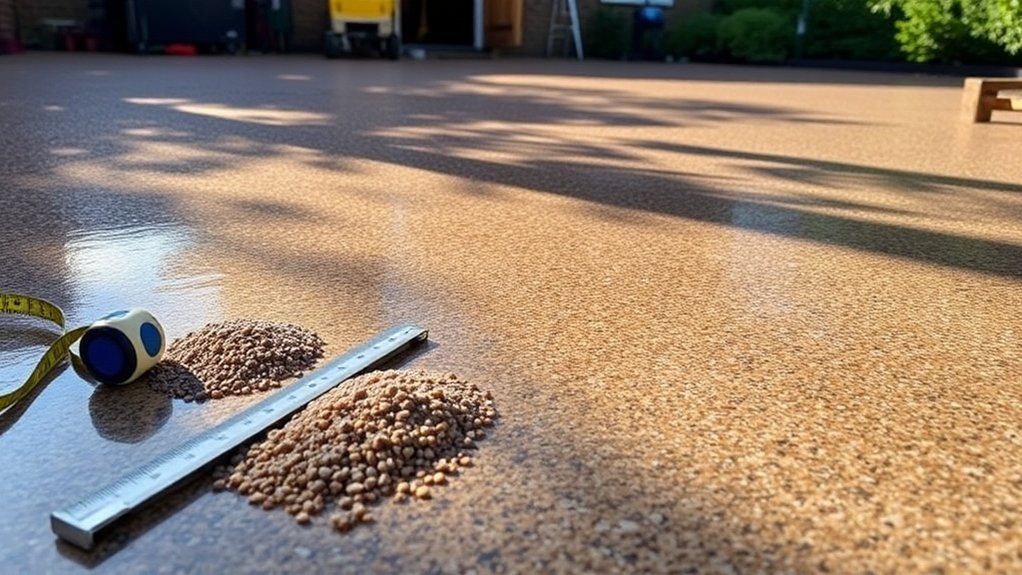
When choosing materials for your driveway resurfacing, it’s important to know how the type of resin and the choice of aggregate affect the cost.
Basic resin systems with standard aggregates typically range from £40 to £70 per m². If you opt for mid-range options with better binders and decorative aggregates, expect prices between £70 and £90 per m². Premium resins can go beyond £120 per m², providing greater durability and visual appeal.
The source of your aggregates matters too. Standard aggregates are more affordable, while decorative options like quartz can increase costs.
Don’t forget to consider the sustainability of the resin; investing in higher-quality materials can lead to lower maintenance and a longer-lasting driveway, making it a wise long-term investment.
Design Options and Customization
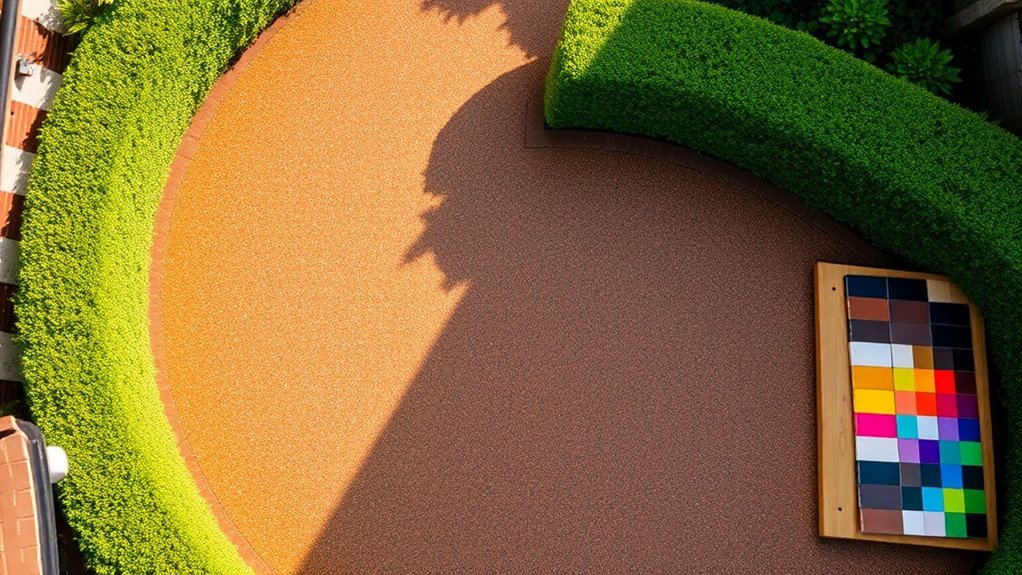
When resurfacing your driveway with resin, you have a variety of aggregate materials to choose from, which can significantly impact the overall appearance.
Custom patterns and colours enable you to personalise the design to complement your property’s style, ensuring a distinctive finish.
This level of customisation not only improves aesthetics but can also increase your home’s value.
Aggregate Material Choices
Selecting the right aggregate material for your driveway resurfacing can significantly affect both its look and functionality. Here are some options to consider:
- Natural Aggregates: Materials like gravel and stone are durable and commonly used.
- Recycled Materials: Crushed glass or concrete can be eco-friendly alternatives.
- Texture Variations: Choose from fine to coarse aggregates, which influence the driveway’s appearance and safety.
- Local Sourcing: Opting for local suppliers in Nottinghamshire can ensure better availability and lower costs.
The process of sourcing aggregates is crucial for ensuring durability and proper drainage.
Custom Patterns and Colors
Custom patterns and colours in resin driveways enhance both appearance and practicality, providing a chance to personalise your outdoor area.
You can select from a wide range of colour options to create designs that reflect your style and complement your home’s exterior. Mixing different coloured aggregates can produce striking multi-tonal effects, while contrasting borders can define edges and add visual appeal.
The versatility of resin allows for the incorporation of geometric or abstract patterns, logos, or motifs for a unique touch. Custom colours can also be blended to create distinctive shades, ensuring your driveway is one-of-a-kind.
The durability of resin surfaces means your design will retain its vibrancy, offering both beauty and longevity for years ahead.
Additional Costs to Consider

When planning to resurface your driveway with resin, it’s important to consider additional costs that can impact your overall budget.
These expenses can vary based on installation methods and are crucial for making accurate cost comparisons with other options.
Here are some key factors to keep in mind:
- Aggregate Costs: Prices vary widely depending on the type and quality of aggregate you choose.
- Installation Labour: Expect to pay between £30 and £70 per square metre for labour.
- Ground Preparation: Costs for clearing and levelling the site can fluctuate significantly.
- Special Finishes: Opting for UV-stable resin can increase your total cost by 5-15%.
Being aware of these factors will help you make informed decisions and keep your resin driveway project on budget while achieving the appearance and durability you desire.
Local Market Overview in Nottinghamshire
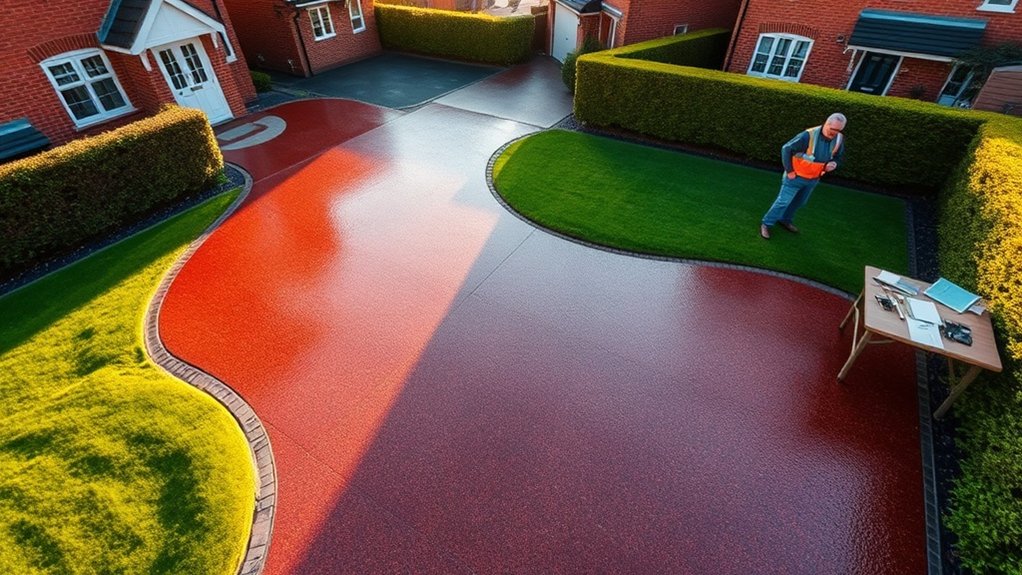
Understanding the local market in Nottinghamshire is crucial for homeowners looking to resurface their driveways with resin. The construction sector in the East Midlands is on the mend, with private housing making up nearly 49% of the region’s construction value.
Recent market statistics reveal a surge in popularity for residential driveways, fuelled by a staggering 248% year-on-year growth in social housing projects.
Local trends show a growing demand for exterior improvements like resin driveways, bolstered by a 43% increase in planning approvals.
With an average annual growth rate of 4.0% expected through 2025, Nottinghamshire’s economic growth and job creation are likely to boost consumer spending on quality driveway solutions.
This landscape positions homeowners to take advantage of the expanding resin driveway market.
Finding Reputable Installers
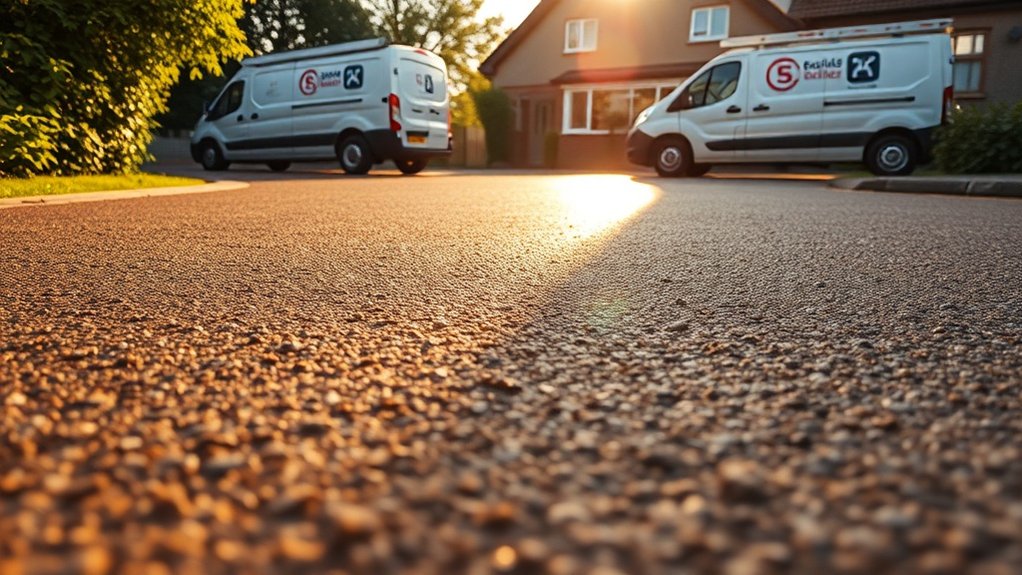
How can you ensure you find a reputable installer for your resin driveway? Start by researching local companies with a solid reputation in resin installation.
Here are some straightforward tips to help you:
- Look for installers with significant industry experience, such as Buffalo Driveways and Oakleigh Resin, both known for their quality work.
- Check customer reviews to assess satisfaction and reliability.
- Ensure they offer clear pricing and thorough consultations without pushy sales tactics.
- Confirm that they provide guarantees on their work for added peace of mind.
Maintenance and Care for Resin Driveways

Once you’ve chosen a reliable installer for your resin driveway, maintaining its look and functionality is essential for longevity. Here are some straightforward tips for keeping your resin surface in top condition:
| Task | Frequency | Technique |
|---|---|---|
| Sweeping | Weekly | Use a stiff broom to clear debris. |
| Routine Cleaning | Monthly | Use mild detergent and a soft brush; rinse thoroughly. |
| Stain Management | As required | Deal with spills promptly using absorbent materials. |
| Weed Control | Monthly | Remove weeds by hand; avoid using chemical weed killers. |
Frequently Asked Questions
How Long Does a Resin Driveway Typically Last?
A resin driveway usually lasts between 15 to 25 years, depending on how well it’s installed and maintained. Key factors that influence its longevity include the quality of the resin, the preparation of the sub-base, and the local weather conditions. For instance, a well-prepared base can help prevent cracking, while harsh weather can affect durability. Proper care and regular maintenance will also ensure your driveway remains in top condition for years to come.
Can I Install Resin Myself or Is Professional Help Necessary?
You can try installing resin yourself, but it comes with risks. Hiring professionals ensures proper preparation, mixing, and application, which helps avoid costly mistakes and guarantees durability. For instance, a professional can assess your surface and recommend the best approach. Investing in expert help not only gives you peace of mind but also results in a high-quality finish.
What Weather Conditions Affect the Installation Process?
Weather conditions significantly impact the installation process. The ideal temperature for installation is between 5°C and 25°C. If it’s too hot or too cold, it can lead to poor results. Additionally, high humidity can interfere with resin bonding, which is crucial for durability. To ensure the best outcome, aim for stable weather conditions during installation.
Are There Eco-Friendly Resin Options Available?
Yes, there are eco-friendly resin options available that use sustainable materials and practices. These alternatives often include recycled aggregates and permeable designs, which allow water drainage while minimising environmental impact in your driveway project.
How Often Should I Reseal My Resin Driveway?
You should reseal your resin driveway every 2–3 years to avoid a faded, cracked appearance. Regular maintenance, like cleaning, can help keep it looking fresh and may extend the time between reseals, so don’t skip those upkeep tasks!
Conclusion
In Nottinghamshire, resurfacing your driveway with resin can significantly enhance your home’s appearance, creating a sleek and attractive surface. When considering costs, take into account factors like driveway size, preparation work, and the type of resin used. It’s wise to compare different resin options to find one that suits your budget. Additionally, remember to plan for maintenance to ensure the surface lasts. Choosing a skilled installer will not only improve your property’s look but also ensure durability for years to come.

Keen to transform your driveway? Discover the essential steps to expertly install a resin driveway and elevate your home's curb Read more

Incorporate essential tips for maintaining your resin driveway's longevity and appearance, ensuring it remains a stunning feature of your home. Read more
Just how do installation quality and weather conditions impact the longevity of your resin driveway? Find out the crucial factors Read more