
What’s the Cost Difference Between Resin Bound and Bonded in Nottingham?
In Nottingham, there’s a significant cost difference between resin bound and resin bonded driveways. Resin bound driveways generally cost between £70 and £120 per square metre, reflecting their durability, permeability, and the more complex installation involved. On the other hand, resin bonded driveways are more affordable, typically ranging from £15 to £30 per square metre. While the initial expense for resin bonded options is lower, it’s important to consider their long-term value and maintenance requirements when making your choice.
Key Takeaways
In Nottingham, resin bound driveways generally cost between £70 and £120 per square metre, due to higher material and labour expenses. In contrast, resin bonded driveways are more budget-friendly, averaging £15 to £30 per square metre for installation.
The installation process for resin bound driveways is more labour-intensive, which contributes to the increased cost compared to resin bonded options. While resin bonded driveways are cheaper upfront, resin bound systems typically offer greater durability and require less maintenance over time.
Overall costs for both types of driveways in Nottingham can vary significantly based on factors like size, complexity, and the quality of materials used.
Overview of Resin Driveway Options

When choosing a new driveway, it’s important to know the differences between resin options. Both resin bound and resin bonded systems have their advantages.
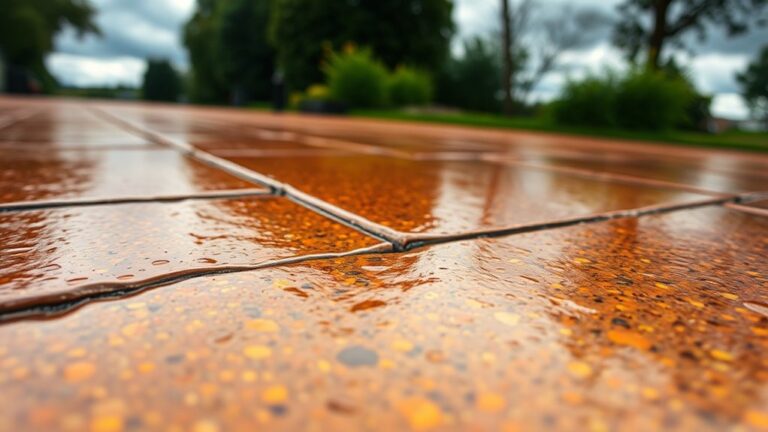
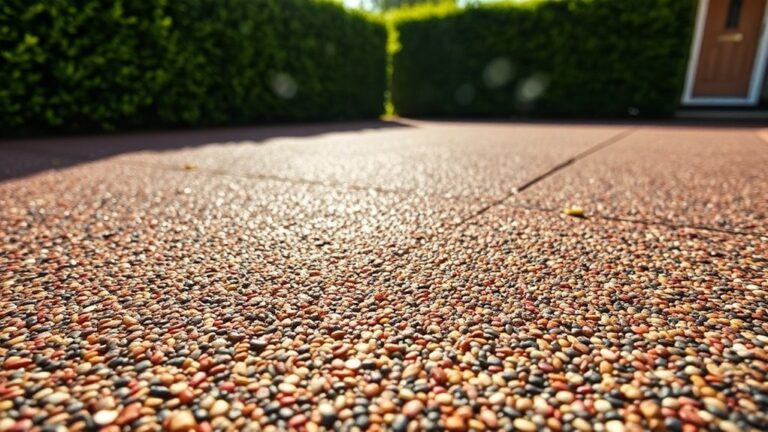
Resin bound driveways mix aggregates with resin to create a smooth, permeable surface. This makes them durable and attractive, ideal for homeowners looking for longevity and aesthetics. Additionally, resin bound driveways are SuDS compliant, meaning they do not require additional drainage. Furthermore, resin surfaces have anti-slip properties, providing excellent grip in wet conditions.
On the other hand, resin bonded driveways involve applying resin to an existing surface and then scattering aggregate on top. This method can be quicker but may lead to loose stones and an uneven finish.
You’ll find a range of aggregate sizes and colours to choose from, allowing for personalisation to suit your style.
Ultimately, your decision should be based on what matters most to you—be it durability, maintenance, or visual appeal.
Cost Comparison: Resin Bound Vs Resin Bonded
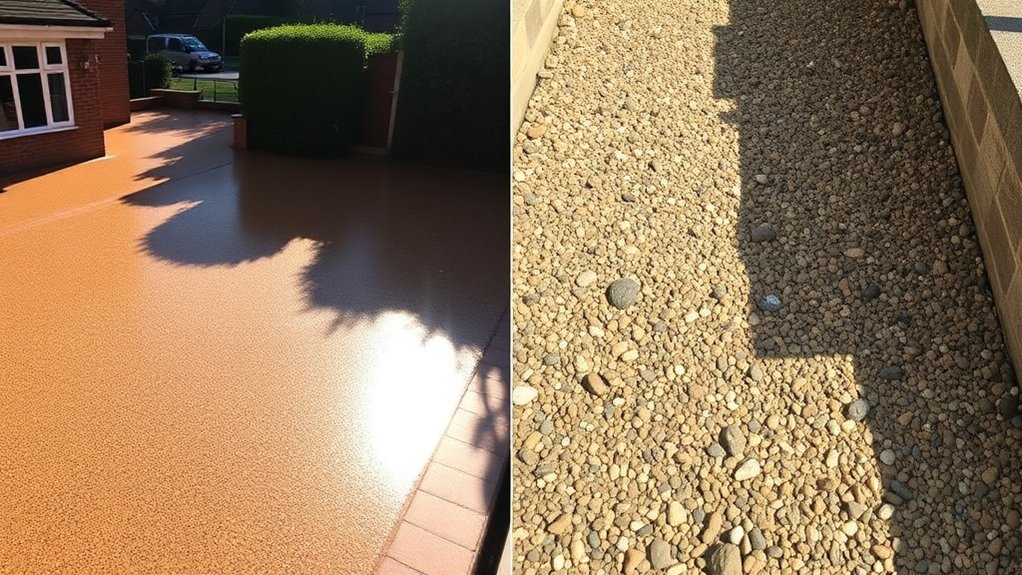
When deciding between resin bound and resin bonded driveways, cost is a key factor. In Nottingham, resin bound driveways typically cost between £45 and £75 per square metre, whereas resin bonded options are more affordable, ranging from £20 to £25 per square metre.
Resin bound driveways feature encapsulated aggregates for a smooth finish, while resin bonded driveways have a textured appearance that mimics loose gravel. Installation for resin bound is more labour-intensive, but it offers long-lasting durability and requires minimal maintenance, enhancing the overall aesthetic and value of your property. Additionally, resin bound driveways are eco-friendly due to their composition of natural aggregates, contributing positively to the environment. They also support Sustainable Urban Drainage Systems (SuDS) that manage rainwater effectively.
Understanding these cost differences and installation methods can help you make an informed choice. While resin bonded driveways are budget-friendly, resin bound driveways may provide better long-term value due to their durability and attractive finish.
Factors Influencing Resin Bound Costs
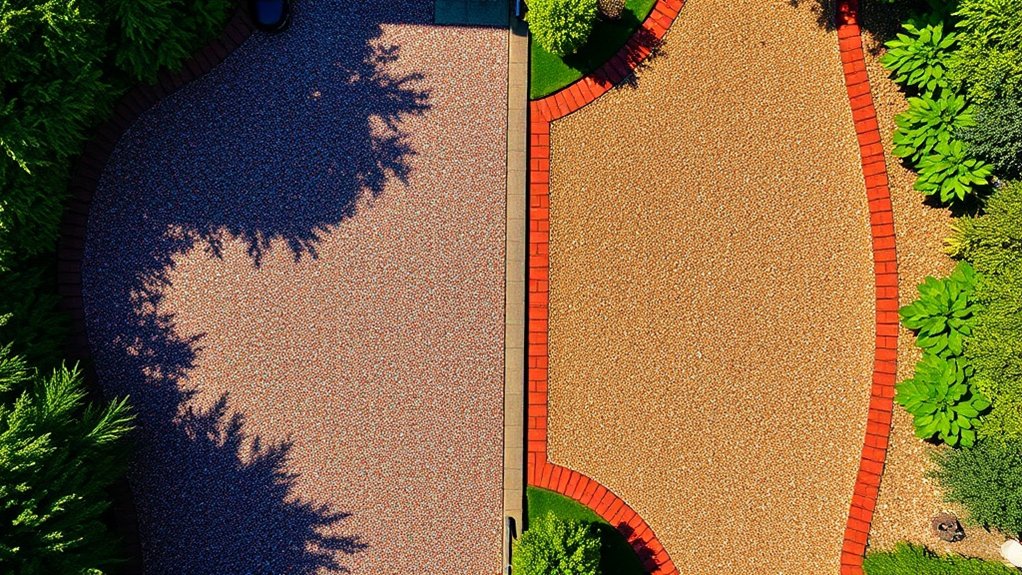
When looking at resin bound costs, the size of your driveway significantly affects both material and labour expenses. Larger areas might result in higher overall costs, but they can reduce the price per square metre. For example, if you’re covering a 50 square metre driveway, you may pay less per square metre than for a smaller 20 square metre space. The quality of the resin is also crucial; higher-grade materials may increase initial costs but offer better durability and visual appeal in the long run. Choosing the right resin can save you money on repairs and maintenance over time. Additionally, opting for a permeable surface can enhance drainage and reduce the risk of flooding, which is a key benefit of resin driveways. This permeability helps to align with Sustainable Urban Drainage Systems (SUDS), promoting effective water management in urban environments.
Driveway Size Impact
The size of your driveway significantly affects the costs of resin-bound installations, as larger areas need more materials and labour.
Here are some important points to consider:
- Larger driveways require more resin and aggregate.
- You may benefit from economies of scale, which can reduce the cost per square metre.
- Complex shapes, such as curves and slopes, can increase labour costs due to the installation challenges they pose.
- A simple rectangular driveway is generally more affordable than intricate designs.
- Ground preparation and levelling become more complex for larger areas.
When assessing your driveway’s size, keep in mind that both its dimensions and design will greatly impact your overall installation costs.
Material Quality Influence
Material quality is crucial in determining the overall cost of resin-bound driveways. The aggregates you choose significantly affect both durability and appearance; typically, higher-quality aggregates come with a higher price.
The type of resin is also important; UV-stable resins, although more expensive, offer better longevity and colour retention.
The correct mix ratio of aggregate to resin is essential for creating a strong surface and can influence costs based on the materials chosen. Adding kiln-dried sand can improve stability but will increase expenses.
Installation methods play a role too; manual installations require more labour compared to quicker, machine-based options.
In the end, investing in quality materials and skilled installers is wise, as it leads to better long-term performance and a more appealing finish.
Characteristics of Resin Bonded Driveways
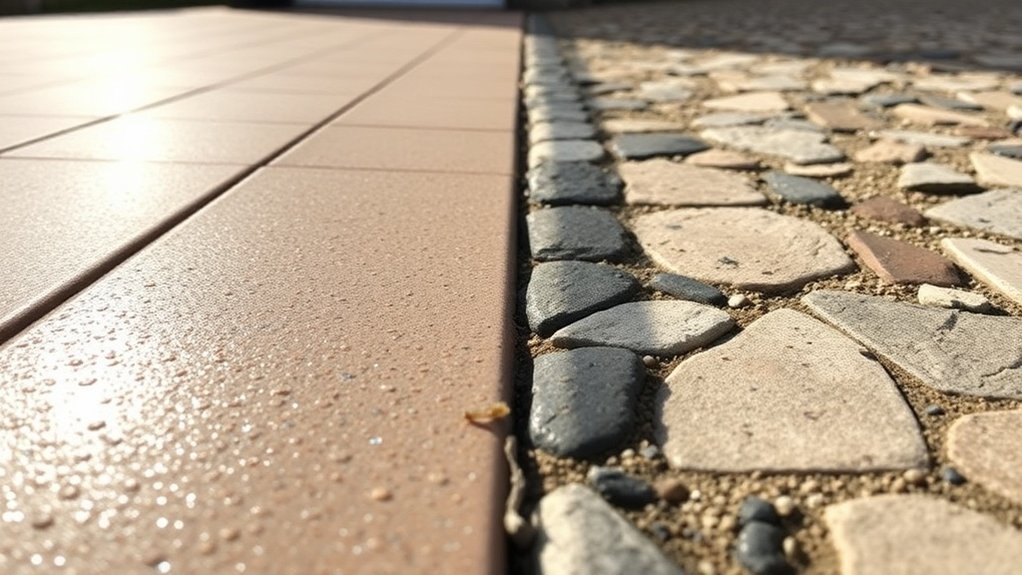
Resin bonded driveways are a popular choice for enhancing outdoor spaces, thanks to their unique characteristics that differentiate them from other surfacing options. Here’s what you need to know:
- They’ve a textured finish that mimics the look of loose gravel.
- The surface is non-porous, showcasing visible aggregates.
- Installation is quick, especially on existing concrete or asphalt.
- There are plenty of decorative options available, using natural stones.
- They offer a rustic appearance that complements traditional styles.
For installation, a stable base is crucial to ensure proper adhesion, and it’s generally quicker than resin bound systems.
However, be aware that in high-traffic areas, the aggregate may become displaced over time.
With their blend of visual appeal and practical features, resin bonded driveways are certainly worth considering.
Long-Term Durability and Maintenance
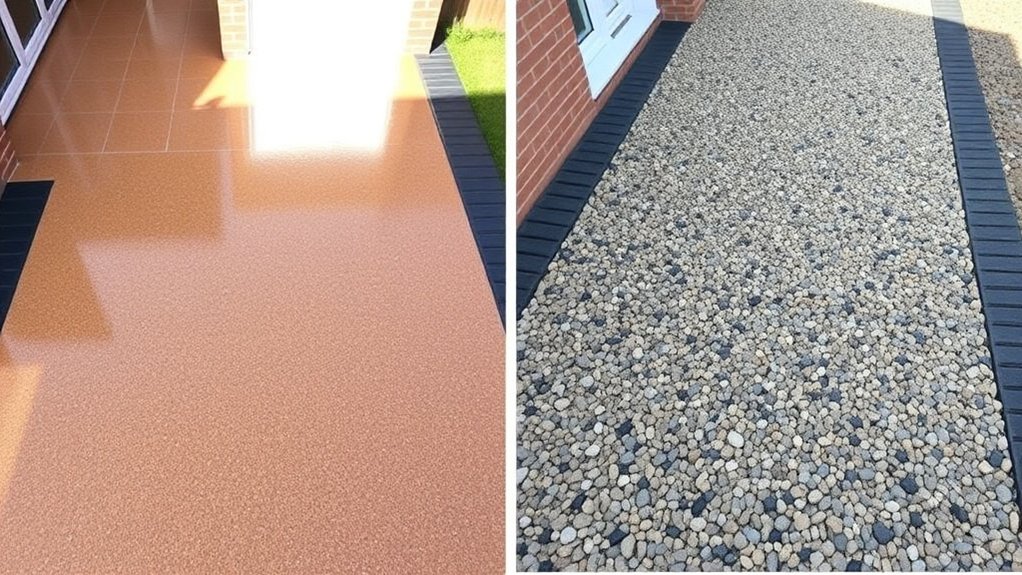
When it comes to long-term durability, resin bound driveways generally outlive resin bonded options, lasting around 20-25 years with proper maintenance.
Resin bound surfaces require minimal upkeep—just regular cleaning and the occasional reapplication of sealant to keep them in top shape.
On the other hand, resin bonded driveways tend to need more frequent maintenance due to their less porous nature, which can affect their overall durability.
Surface Longevity Comparison
Understanding the longevity of resin-bound and resin-bonded surfaces is crucial for making informed choices about installation and upkeep.
- Resin-bound surfaces generally last between 20 to 25 years.
- Resin-bonded surfaces can last anywhere from 10 to 50 years, depending on various factors.
- Key durability factors include the quality of installation, usage patterns, and environmental conditions.
- Resin-bound surfaces are more resistant to weather, which helps minimise cracking due to temperature changes.
- The permeability of resin-bound systems helps prevent water pooling, further enhancing their lifespan.
When comparing these options, your needs will guide your choice.
Although resin-bound surfaces may require a higher initial investment, their longer lifespan and lower maintenance often make them a worthwhile choice, particularly in high-traffic areas where durability is essential.
Maintenance Requirements Overview
When choosing between resin-bound and resin-bonded surfaces, it’s important to consider maintenance, as it affects long-term durability.
Resin-bound surfaces require less upkeep because they’re sealed, making them resistant to stains and weeds. Their permeability also means less hassle with drainage.
On the other hand, resin-bonded surfaces can flake over time, which may require more frequent maintenance, like reapplying resin or replacing loose stones.
While both options are durable, resin-bound surfaces generally withstand frost and water damage better.
In the long run, opting for resin-bound can save you money on maintenance, as it reduces the need for ongoing repairs compared to resin-bonded surfaces.
Aesthetic Appeal and Design Options
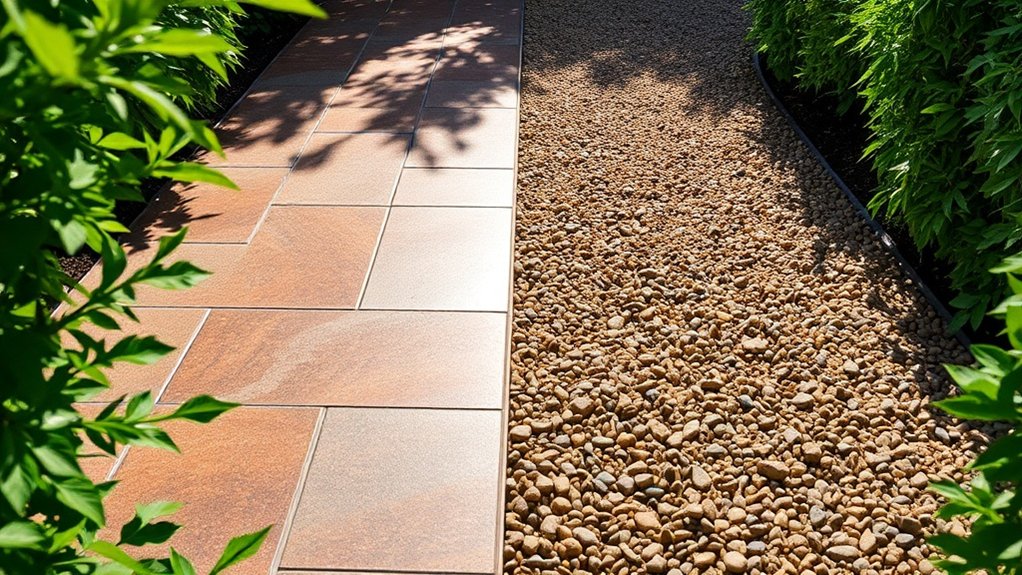
Both resin bound and bonded surfaces have their own aesthetic qualities, but resin bound driveways really shine with their smooth, seamless finish, giving off a modern and polished vibe.
This sleek look enhances colour and pattern uniformity, making it perfect for decorative landscaping. Plus, you have great design flexibility, allowing you to tailor resin bound surfaces to your style.
- A vast selection of aggregate colours and sizes
- Customisable patterns, borders, and logos
- A refined appearance for driveways
- Consistent colour throughout the surface
- Environmentally friendly with permeable options
On the other hand, resin bonded surfaces offer a more textured, gravel-like finish, which limits design options.
Regional Pricing Trends in Nottingham
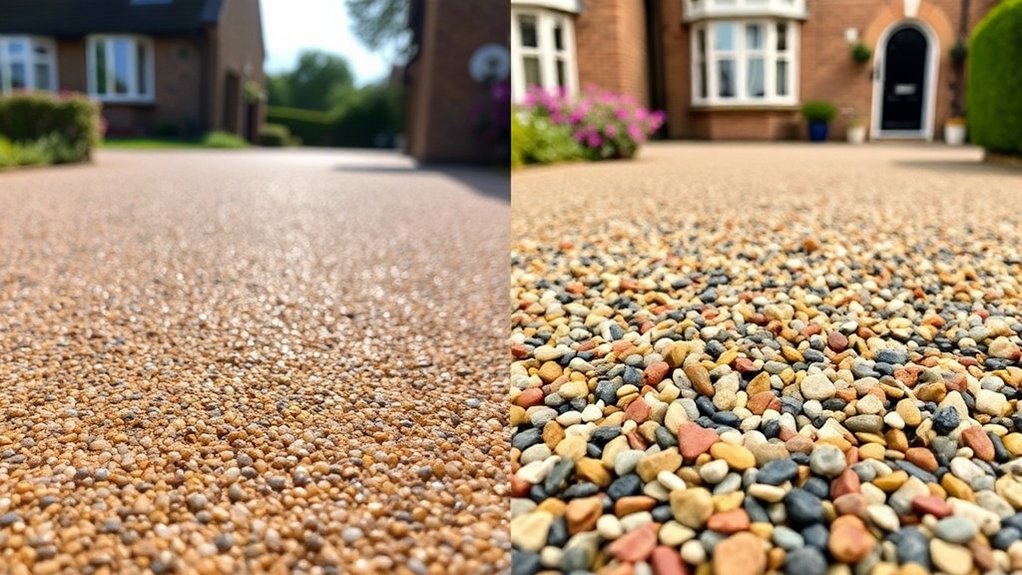
When looking into the pricing trends for resin driveways in Nottingham, you’ll notice significant variations depending on the type of resin system and installation complexity.
Generally, resin bound driveways cost between £70 and £120 per m², while resin bonded options are more affordable, averaging £15 to £30 per m².
The local market in Nottingham is quite competitive due to the availability of contractors.
Keep in mind that the complexity of the installation can increase costs, especially for resin bound systems that require more skilled labour.
Additionally, prices can fluctuate with seasonal demand, peaking in spring and summer.
Being aware of these trends will help you make smarter choices for your driveway project.
Conclusion: Making the Right Choice

When choosing the right driveway for your property, it’s important to consider budget, appearance, and practicality.
- Cost-effectiveness: Resin bonded driveways often have lower upfront costs.
- Durability: Resin bound systems tend to last longer when installed correctly.
- Aesthetic appeal: Resin bound offers a seamless, contemporary look with a variety of colours.
- Environmental considerations: Resin bound can aid in sustainable drainage solutions.
- Installation techniques: Resin bonded can frequently be laid over existing surfaces, minimising groundwork.
If you value durability and design options, resin bound might be the best fit.
However, if you’re on a tighter budget, resin bonded could be a practical alternative.
Take the time to assess your property’s needs to make the right choice for your driveway.
Frequently Asked Questions
What Is the Installation Time for Each Driveway Type?
For resin bound driveways, installation generally takes 3-5 days, factoring in preparation and curing times. Resin bonded systems usually require around 2-4 days. Keep in mind that the size and layout of your driveway can significantly impact these timeframes.
Can I Install Resin Driveways Myself?
Yes, you can install resin driveways yourself, but be aware that it can be challenging. Mixing the resin correctly is crucial; a small mistake could result in an uneven surface. For a professional finish, you may want to consider hiring experts, as they have the skills and experience needed to get the job done right.
How Do Weather Conditions Affect Installation?
Weather conditions significantly influence installation processes, especially when it comes to setting resin. For optimal results, dry weather is essential, as moisture can lead to complications. The best temperature range for installation is between 10°C and 20°C. This ensures that materials perform well and maintain their durability. For instance, if it rains or temperatures fluctuate too much, the quality of the installation could be compromised.
Are There Any Warranties for Resin Driveways?
Yes, resin driveways typically come with warranties that cover defects and ensure durability. These warranties usually last between 5 to 10 years. It’s important to review the specific terms to understand the protection offered, helping you maintain your investment’s longevity. For example, if you experience issues like cracking or discolouration, the warranty may cover repairs or replacements.
How Do I Maintain My Resin Driveway?
To maintain your resin driveway, sweep away debris regularly and wash it with a mild detergent. Aim for a deep clean two to four times a year. Use gentle cleaning methods, and be sure to tackle any spills quickly to prevent staining and keep the surface in good condition.
Conclusion
In Nottingham, deciding between resin bound and resin bonded driveways can significantly affect your budget and satisfaction in the long run. Resin bound driveways are more durable and visually appealing but come with a higher upfront cost. In contrast, resin bonded driveways are more budget-friendly but may need more maintenance over time. Consider these factors carefully; your choice will influence not only the initial appearance of your driveway but also its longevity and upkeep. Make sure to pick the option that best fits your needs.

Compare resin and concrete driveways to discover which option provides superior durability and value, but the answer may surprise you.

The rise of resin-bound driveways is transforming outdoor aesthetics, but what hidden advantages might make them the perfect choice for Read more

Maximize your project's efficiency by understanding the installation times of resin-bound and resin-bonded systems, but which one truly suits your Read more