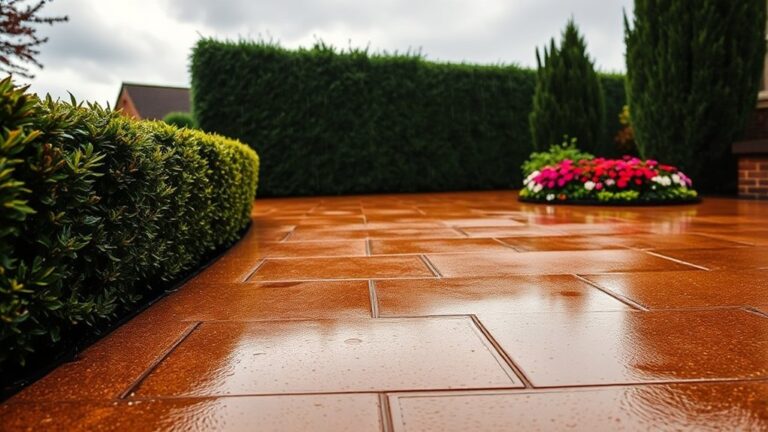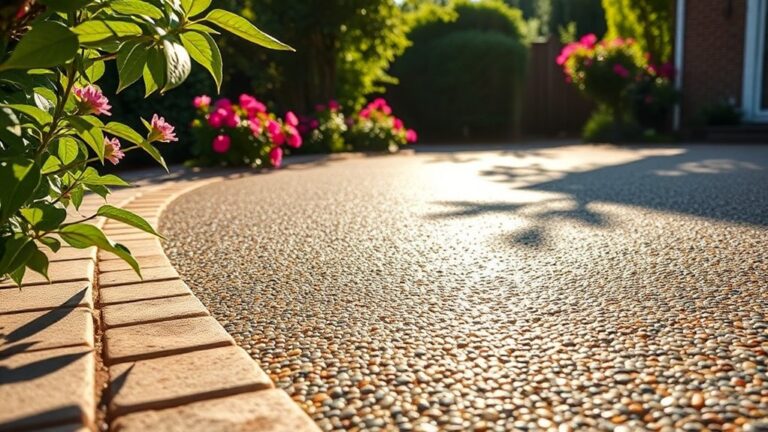
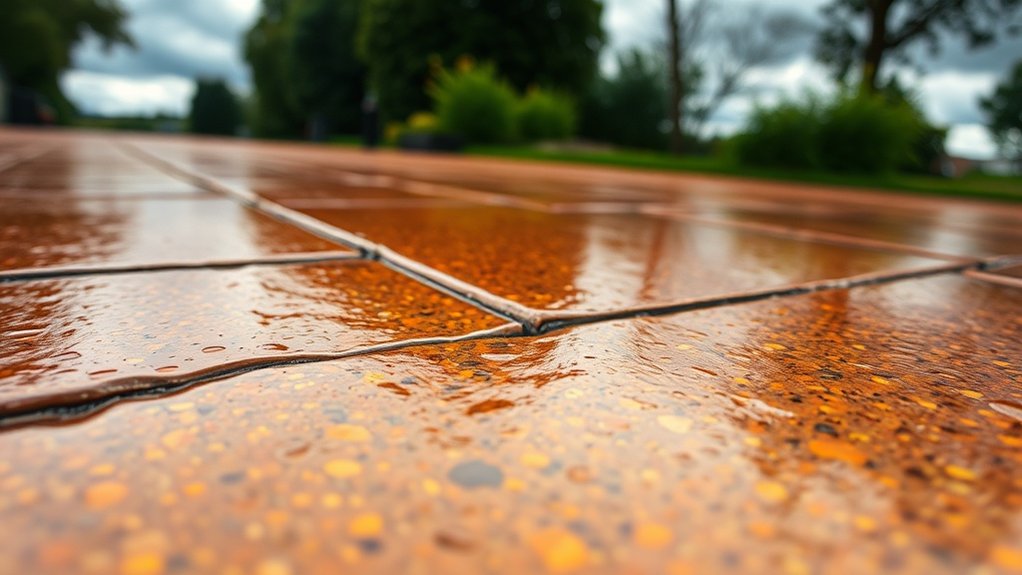
Do Resin Driveways Crack in Nottingham’s Climate?
Yes, resin driveways can crack in Nottingham’s climate due to temperature changes and cold weather challenges, such as freeze-thaw cycles. In winter, water can seep into the resin, causing micro-cracks that may grow over time. Ensuring proper installation with a well-compacted base and the right type of resin is crucial. Regular maintenance can also help reduce the risk of damage. By considering these factors, you can improve the lifespan of your driveway and ensure it holds up against Nottingham’s weather.
Key Takeaways
Nottingham’s climate can indeed lead to micro-cracks in resin driveways due to the expansion and contraction caused by temperature changes. Cold, wet winters increase the risk of water seeping in, which can lead to freeze-thaw cycles that worsen any existing cracks.
To minimise cracking, proper installation is crucial. This includes having a well-compacted sub-base and using the correct resin-to-aggregate ratios. Opting for high-quality, winter-grade resins that can withstand freeze-thaw cycles will also improve durability in Nottingham’s harsh weather.
Regular maintenance is important too. Keeping the driveway clean and checking for cracks can help spot potential issues early on, preventing them from escalating into significant damage.
Understanding Temperature Fluctuations
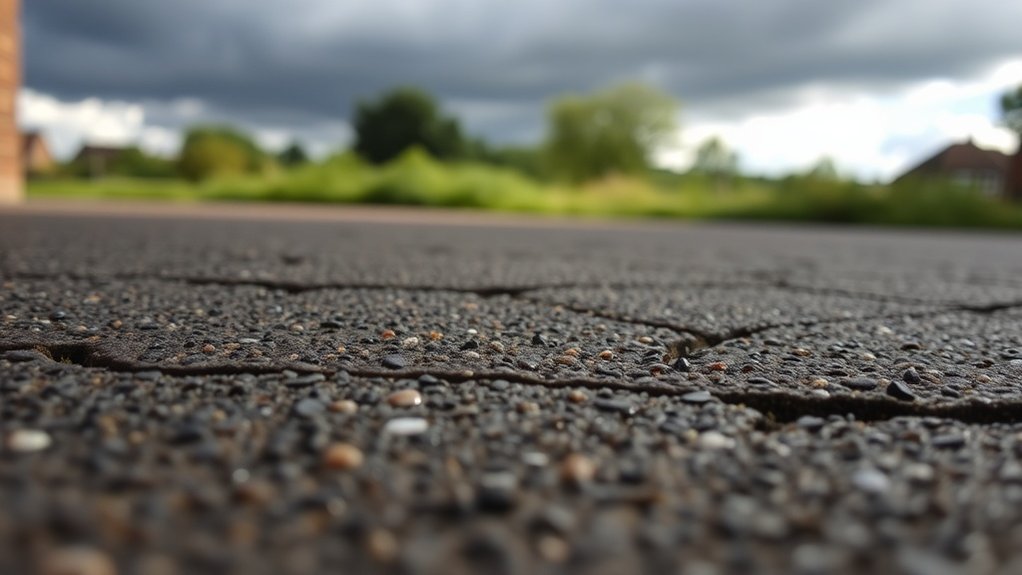
As temperatures vary throughout the year, it’s crucial to understand how these changes impact resin driveways. The resin’s composition affects how it expands in heat and contracts in cold conditions, leading to small shifts in the driveway surface that can accumulate over time. In Nottingham, average temperatures sit around 9.8°C, with summer highs of 20°C and winter lows of -6°C. These daily temperature variations can stress the resin, making it prone to micro-cracks. If ignored, these can grow into larger fissures. Notably, Nottingham has recorded an average maximum temperature of 13.78°C in recent years, emphasizing the importance of selecting a resin mix suited to Nottingham’s climate to maintain flexibility and durability, especially during extreme temperature changes. Additionally, proper mixing of resin and aggregates is essential to enhance the driveway’s durability. Regular maintenance is vital to keep your driveway in good shape.
The Impact of Cold Weather and Freeze-Thaw Cycles

Cold weather and freeze-thaw cycles have a significant impact on resin driveways, primarily due to water ingress that can compromise their structural integrity.
When temperatures fluctuate, any trapped water expands when it freezes and contracts when it thaws. This can lead to micro-cracks forming, which can worsen over time if not addressed. To protect your driveway, it’s crucial to be aware of these risks and take preventative measures, such as ensuring proper drainage and sealing any cracks promptly. Additionally, opting for a resin bound driveway can help mitigate some of these issues due to its permeability. Furthermore, selecting winter-grade resins designed to withstand freeze-thaw cycles can enhance the driveway’s durability.
Freeze-Thaw Cycle Effects
In Nottingham, freeze-thaw cycles can significantly affect resin driveways, leading to structural problems if not handled correctly.
During thaw periods, water can seep into small cracks, and when it freezes, it expands by about 9%, applying pressure that worsens these cracks. Properly designed resin-bound systems, which comply with Sustainable Urban Drainage Systems (SuDS), allow for drainage and thermal movement, helping to mitigate these issues. While resin is flexible and can cope under normal conditions, it becomes brittle in cold weather, making it less effective at managing freeze-thaw stresses. To enhance resilience against these cycles, the durable and flexible nature of winter-ready resin bound driveways ensures that they can withstand the harsh effects of freezing temperatures.
It’s crucial to have your driveway professionally installed using specialised resin formulations to ensure it can withstand Nottingham’s climate. This way, you can maintain the driveway’s structural integrity through repeated freeze-thaw cycles without significant damage.
Water Ingress Risks
Nottingham’s wet winters can pose serious risks for resin driveways. When it rains consistently, the danger of water ingress increases, especially if the resin hasn’t cured properly due to damp conditions.
Water can pool beneath the surface, and if it freezes, it expands, leading to cracks that can damage the driveway. Repeated freeze-thaw cycles can worsen these issues, testing the material’s flexibility.
While permeable resin surfaces can help reduce water-related problems, poor installation may still create spots where water collects, raising the risk of damage.
Therefore, ensuring proper drainage and ideal installation conditions is crucial to minimise water ingress risks in Nottingham’s climate.
Preventative Measures and Solutions
To protect your resin driveway from cold weather and freeze-thaw cycles, it’s important to take preventative measures.
Start by thoroughly cleaning the surface to remove any debris before winter arrives. Fix any existing cracks or chips; this proactive maintenance will help prevent them from worsening when temperatures drop.
Applying a resin-specific sealant can also provide added protection against harsh winter conditions. Regularly inspect your driveway for hairline cracks; catching these early can save you from more significant repairs later on.
Ensure you have proper drainage in place to prevent water accumulation, which can lead to freeze damage. Lastly, consider using freeze-thaw-resistant resin during installation to help your driveway cope with Nottingham’s climate.
Heat Resistance and Summer Conditions

As summer temperatures in Nottingham rise, it’s important for homeowners to be aware of how heat can affect resin driveways. Under extreme heat, resin surfaces can soften, leading to potential impressions or deformations. Choosing lighter-coloured resins can help, as they reflect sunlight and reduce heat absorption, thereby lowering the risk of damage.
However, if the materials used aren’t suitable for the climate, high temperatures can compromise their structural integrity. The constant expansion and contraction due to temperature changes can create weaknesses, resulting in micro-cracks.
To improve durability during the summer months, opt for high-resin materials that are heat-tolerant, such as polyurethane or silicone-based options.
Regular inspections and maintenance, including timely sealing, are crucial for managing temperature effects. This will help ensure that your driveway remains functional and attractive throughout the warmer season.
Importance of Installation Quality and Base Preparation
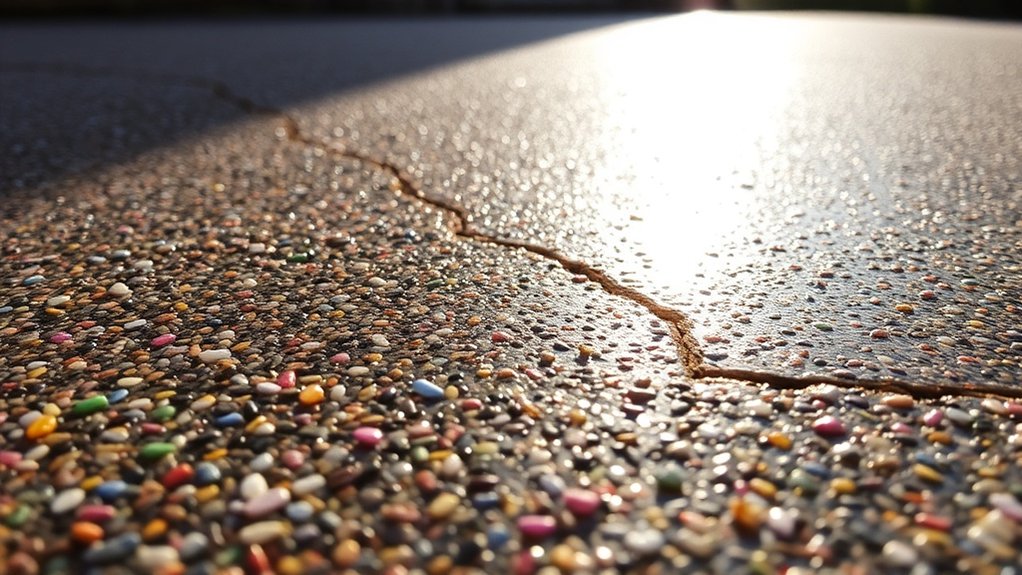
The quality of installation and base preparation plays a crucial role in the lifespan of your resin driveway.
A properly compacted sub-base ensures stability and reduces the chance of cracking. Hiring professionals for the installation means that standards are met, leading to a more durable finish.
If these aspects are overlooked, you could end up with an uneven surface and early deterioration, putting your investment at risk.
Proper Base Preparation
Proper base preparation is essential for ensuring the longevity and stability of resin driveways, particularly in Nottingham’s unpredictable weather.
To achieve a solid sub-base and effective drainage, follow these key steps:
- Excavate to a depth of 150mm to accommodate both the sub-base and the resin.
- Use MOT Type 1 stone or similar aggregates to create a stable, compact foundation.
- Compact the base thoroughly with a plate compactor to avoid future cracking.
- Ensure the surface is permeable to aid drainage and minimise freeze-thaw damage.
- Clean and prime existing surfaces properly to improve resin adhesion.
Professional Installation Standards
To achieve a long-lasting resin driveway, it’s essential to follow professional installation standards. Start by ensuring compliance with UK regulations, such as having REACH training for handling diisocyanates.
Adhering to FeRFA guidelines helps ensure quality in material selection and mixing ratios, while referencing British Standards Institution (BSI) adds an extra layer of safety and durability.
In Nottingham, where rainfall is frequent, it’s vital to meet SUDS (Sustainable Drainage Systems) requirements. This helps manage water runoff effectively.
Pay close attention to mixing protocols; using the correct resin-to-aggregate ratios and applying the mixture promptly will help prevent issues like brittleness and cracking.
Also, ensure the surface thickness is adequate for lasting durability.
Regular inspections during the installation process, alongside thorough documentation and testing, are crucial to maintain compliance and avoid future problems.
Don’t overlook quality control, as it significantly influences the performance and lifespan of your driveway.
Maintenance Practices for Longevity
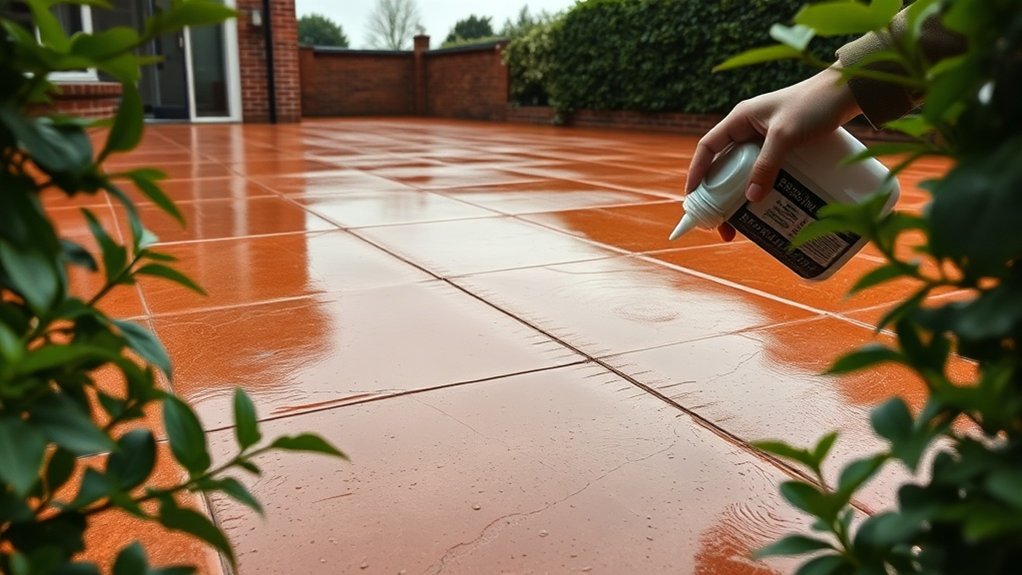
To ensure your resin driveway stays strong and attractive, regular maintenance is crucial. Keeping up with maintenance can prevent serious damage and extend its life.
Here are some straightforward practices to follow:
- Sweep the driveway weekly to clear away dirt and debris.
- Clean with warm, soapy water and a stiff brush every few months.
- Use resin-safe grit for de-icing in winter.
- Check for cracks regularly and fix them quickly.
- Arrange for professional deep cleaning from time to time.
Material Selection and Its Role in Durability

When selecting materials for your resin driveway, it’s crucial to understand the different types of resin available, as this impacts weather resistance and overall durability.
Flexible polymers and advanced formulations can significantly improve resilience against the challenges posed by the UK climate, including freeze-thaw cycles common in places like Nottingham.
Choosing the right resin not only affects the immediate performance of your driveway but also its long-term integrity.
Resin Types Explained
Understanding the various types of resin for driveways is crucial for achieving lasting durability, particularly in Nottingham’s unpredictable weather. Each resin type has distinct properties that influence performance and appearance.
- Polyurethane Resin: This type is highly flexible, UV-stable, and perfect for outdoor use, typically lasting over 20 years.
- Epoxy Resin: Less flexible and sensitive to UV light, making it unsuitable for outdoor driveways.
- Silicone Resin: While it offers decent moisture resistance, it’s less common and mainly used for specific applications.
- Resin-Bound Systems: These systems fully encase aggregates, resulting in a durable, seamless finish.
- Material Quality: Using high-quality resins and aggregates enhances both durability and aesthetics.
Choosing the right resin type can significantly affect the lifespan and visual appeal of your driveway.
Weather Resistance Factors
Choosing the right materials for resin driveways is crucial for weather resistance and longevity, especially in Nottingham’s unpredictable climate.
Using high-quality, UV-stable resin prevents yellowing and degradation from sunlight, keeping your driveway looking fresh. Flexible resin systems help manage temperature changes, significantly lowering the risk of cracking.
Additionally, permeable resin allows for quick water drainage, reducing freeze-thaw damage during colder months.
Opting for a resin with a high aggregate content can improve surface strength, making it more resilient against weather-related wear.
Professional installation is also key; it ensures the correct material ratios and proper sealing, further enhancing durability.
Impact on Longevity
The choice of materials for resin driveways significantly impacts their longevity and durability, particularly given Nottingham’s unpredictable weather.
By focusing on sustainable resin and quality aggregates, you can enhance performance.
- Using high-quality natural aggregates boosts strength and wear resistance.
- Eco-friendly resins made from recycled materials ensure durability.
- The formulation of the binder resin affects its UV stability and flexibility.
- Frost-resistant aggregates are essential for coping with local climate conditions.
- Proper installation techniques, such as multi-layer applications, help distribute loads effectively.
These elements ensure your resin driveway can handle Nottingham’s temperature changes, reduce the risk of cracking, and endure freeze-thaw cycles.
Common Causes of Cracking in Resin Driveways

Resin driveways are popular for their visual appeal and durability, but they can crack for various reasons.
One major issue is poor ground preparation; if the ground isn’t properly compacted or the sub-base materials are unstable, it can lead to stress points that cause cracking.
Another factor is the resin-to-stone ratio—if this isn’t right, it can weaken the adhesion, making the surface brittle and more likely to fail.
Environmental factors like freeze-thaw cycles and extreme temperatures can worsen the situation by causing the driveway to expand and contract.
Additionally, heavy or continuous loads from vehicles can create localised stress on the surface.
Poor installation practices, such as rushing the application or not allowing sufficient curing time, can also compromise the driveway’s strength.
Being aware of these issues can help you keep your resin driveway in good condition.
The Role of Drainage in Preventing Damage
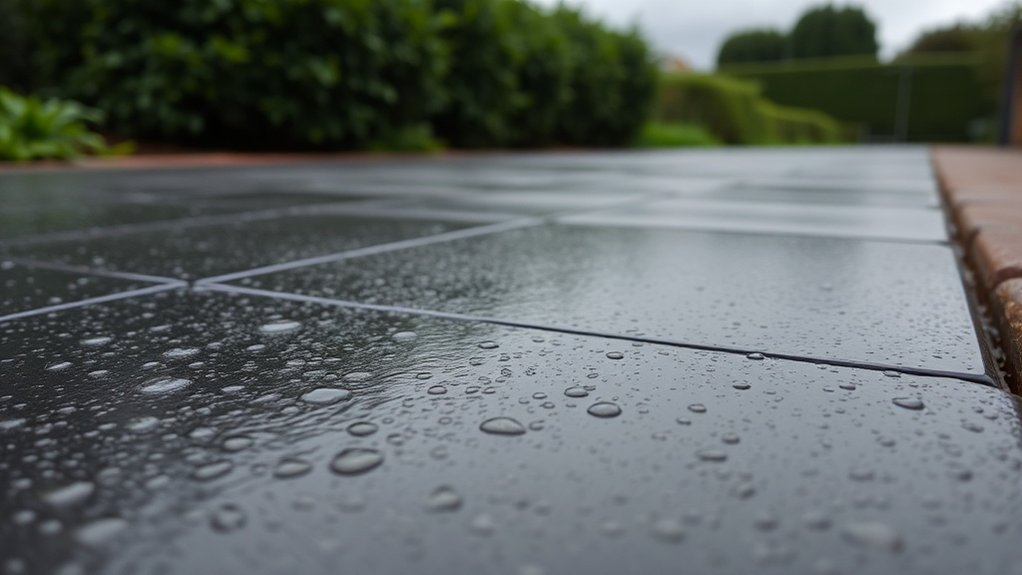
Cracks in resin driveways often result from poor preparation and environmental factors, but proper drainage is crucial for preserving your installation’s integrity.
Here are some effective drainage solutions to consider:
- Ensure a well-compacted sub-base to aid water flow.
- Choose permeable resin-bound surfaces to prevent water pooling.
- Maintain a minimum slope of 1% for efficient runoff.
- Regularly check and clean the surface to avoid blockages.
- Think about installing drainage channels or soakaways in resin bonded driveways.
Professional Installation vs. DIY Approaches
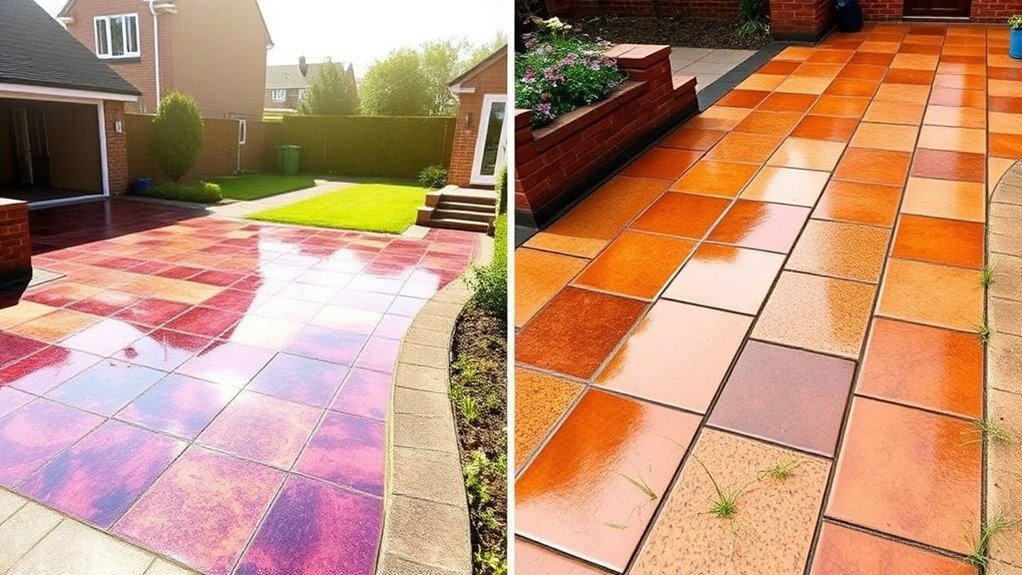
Deciding between professional installation and a DIY approach for your resin driveway can significantly affect its longevity and performance.
Professional installers use advanced techniques, ensuring proper ground preparation and accurate resin-to-aggregate mixing ratios, which help reduce the risk of cracking. They apply the resin using methods like power floating, resulting in smooth surfaces that allow for proper drainage.
On the other hand, DIY projects often struggle with poor base preparation and inaccurate mixing, which can lead to drainage issues and increased cracking.
Without specialised tools, DIY enthusiasts might end up with uneven surfaces. While professional installations typically come with warranties and reliable repair options, DIY projects leave homeowners responsible for maintenance, which could lead to higher costs down the line due to early repairs.
Long-Term Performance of Resin Driveways in Nottingham
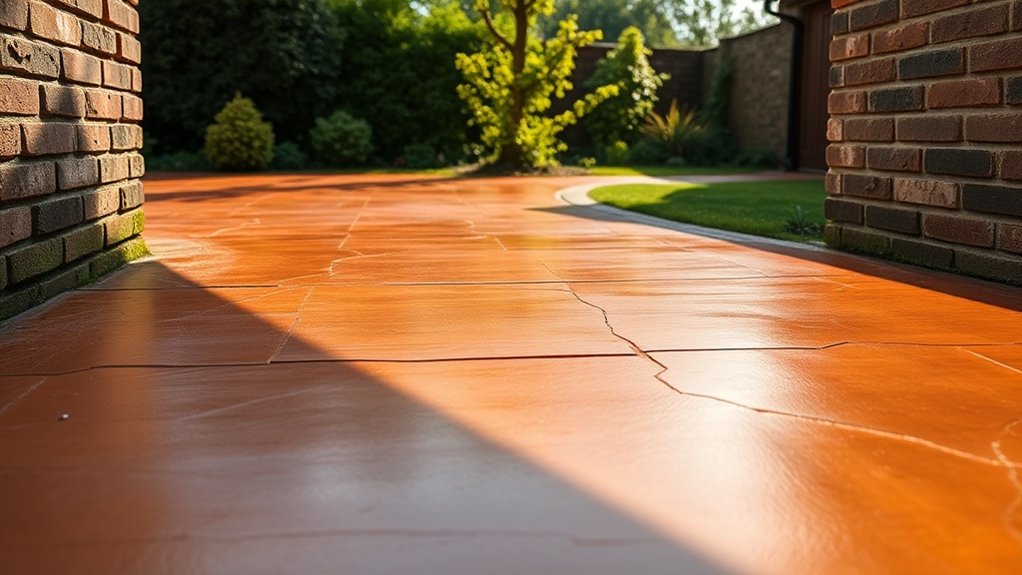
Nottingham’s climate poses specific challenges, making it vital for homeowners to understand how resin driveways perform over time.
When installed correctly, these driveways can handle temperature changes effectively and offer several benefits:
- Flexibility helps prevent cracking during freeze-thaw cycles.
- They usually last between 15 to 25 years.
- Resistance to heavy rain and humidity safeguards the resin bond.
- UV stability ensures colours don’t fade or degrade from sunlight.
- Low maintenance keeps the surface looking good.
Frequently Asked Questions
How Do Resin Driveways Compare to Traditional Asphalt Surfaces?
Resin driveways are a better option than traditional asphalt surfaces when it comes to durability and maintenance. They are less prone to cracking, need minimal upkeep, and typically last longer. This makes them a smart choice for your driveway, benefiting both your wallet and the environment. For instance, while asphalt might require frequent repairs, a resin driveway can keep looking good for years with little effort.
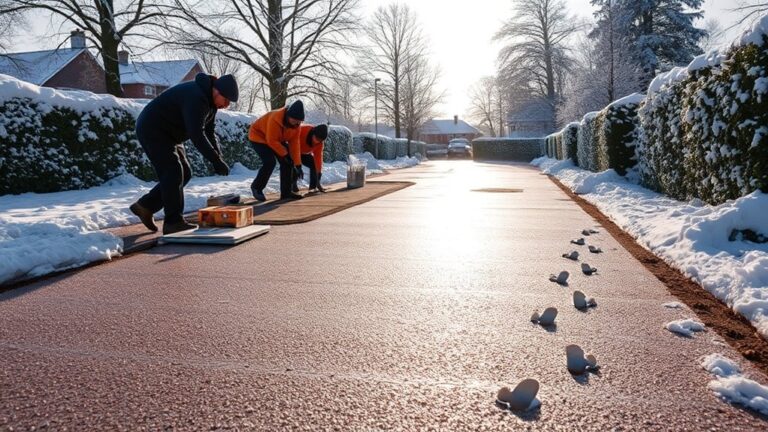
Can I Install a Resin Driveway in Winter Months?
You can install a resin driveway during the winter months, but there are some challenges to consider. It’s important to manage the curing process carefully. Using additives can help ensure a strong surface, even in colder temperatures, maintaining both its integrity and durability. For instance, if temperatures drop below 5°C, it can affect the curing time, so planning the installation on milder days can make a difference.
What Colors Are Available for Resin Driveways?
Resin driveways come in a variety of colours, such as golden quartz, silver granite, and charcoal. Current design trends favour blends and natural shades, which enhance your home’s appearance and ensure the driveway complements its architectural style.
Are There Eco-Friendly Resin Options Available?
Yes, there are eco-friendly resin options available that use sustainable materials. These alternatives lessen environmental impact while still being durable, ensuring your driveway looks appealing and contributes to a greener future with every use.
How Does Heavy Vehicle Traffic Affect Resin Driveways?
Heavy vehicles can put a lot of strain on resin driveways, but the material’s flexibility helps it withstand this pressure. This flexibility allows for better load distribution, which reduces the risk of cracking and extends the lifespan of the driveway, even with heavy traffic. For example, a driveway regularly used for deliveries will perform well if made from resin, as it can handle the weight without significant damage.
Conclusion
In Nottingham’s variable climate, resin driveways can crack if they aren’t installed or maintained properly. Think of it like a coat; if it’s not made well, it won’t protect you from the rain. To ensure your driveway withstands the elements, invest in quality installation, ensure proper drainage, and keep up with regular maintenance. This way, your resin driveway can endure both the chilly winters and hot summers.

How to effectively repair cracks in your concrete driveway hinges on understanding the right techniques; discover the essential steps to Read more
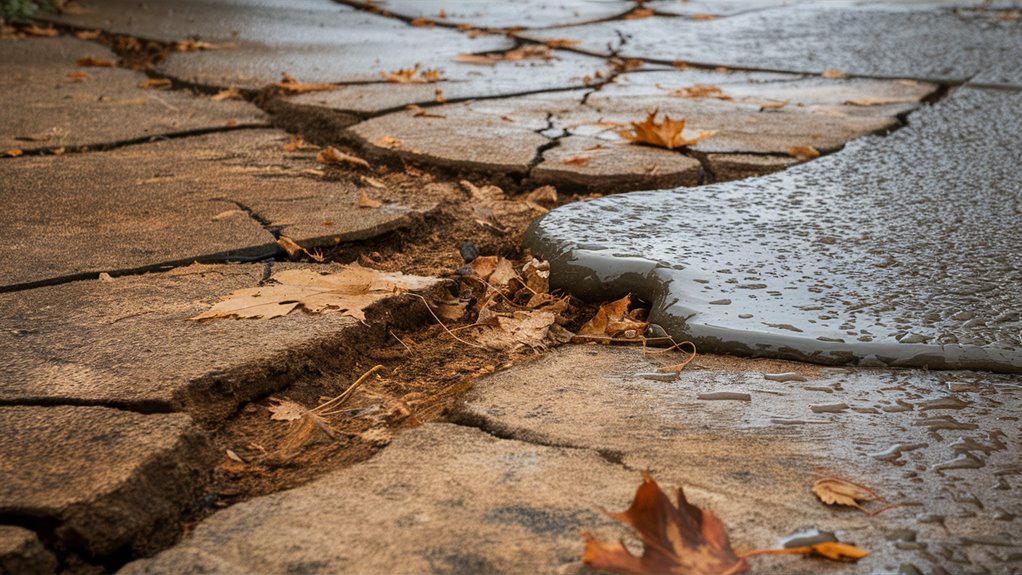
Over time, weather can severely damage your driveway; discover essential tips to prevent costly repairs and maintain its integrity.

With strategic planning and smart materials, you can significantly cut maintenance costs on commercial driveways—discover the secrets to maximizing your Read more