
Is Resin More Eco-Friendly Than Tarmac in Nottingham?
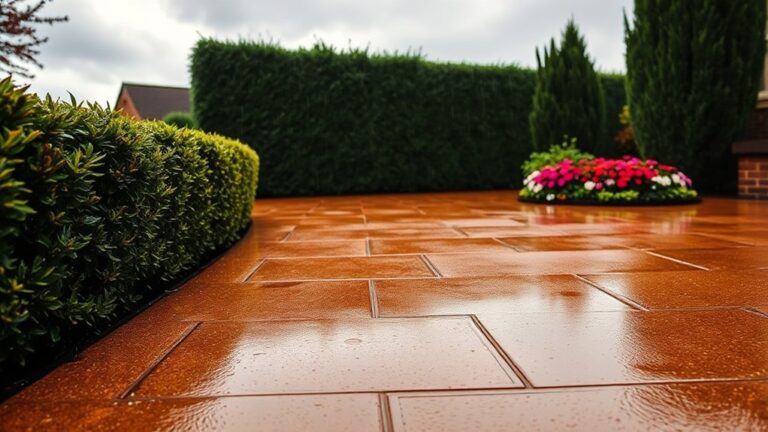
Resin is a more eco-friendly option than tarmac in Nottingham. Its permeable surface effectively manages rainwater, reducing runoff and pollution. Made with 25% recycled materials, resin has a lower carbon footprint than tarmac, which relies heavily on petroleum. Moreover, resin driveways are durable and require less maintenance, leading to lower long-term costs. In contrast, tarmac often incurs higher maintenance expenses and contributes to environmental pollution. If you’re considering a new driveway, resin is definitely worth exploring.
Key Takeaways
- Resin driveways contain 25% recycled materials, which helps lower their carbon footprint compared to traditional petroleum-based tarmac.
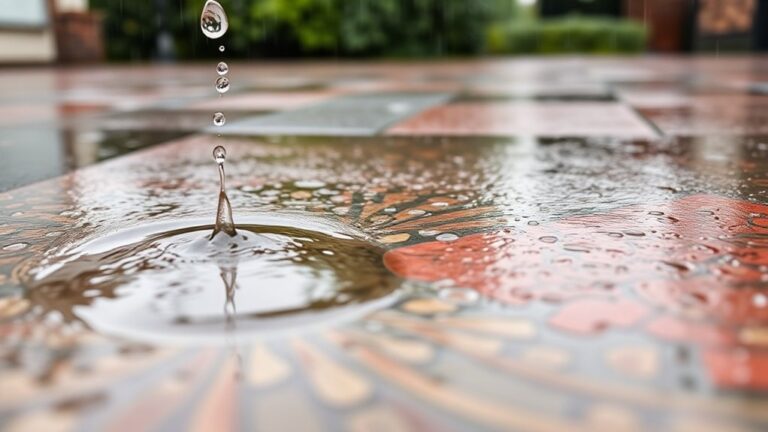
- They are fully permeable, allowing rainwater to drain effectively, which is vital for managing water and supporting groundwater recharge in Nottingham.
- Unlike tarmac, resin does not create harmful hydrocarbon runoff, helping to reduce pollution.
- The durability of resin means less frequent maintenance, making it a more sustainable option both financially and environmentally.
- Additionally, resin’s aesthetic appeal can boost property value, appealing to eco-conscious homeowners in Nottingham.
Understanding Permeability and Its Importance in Nottingham
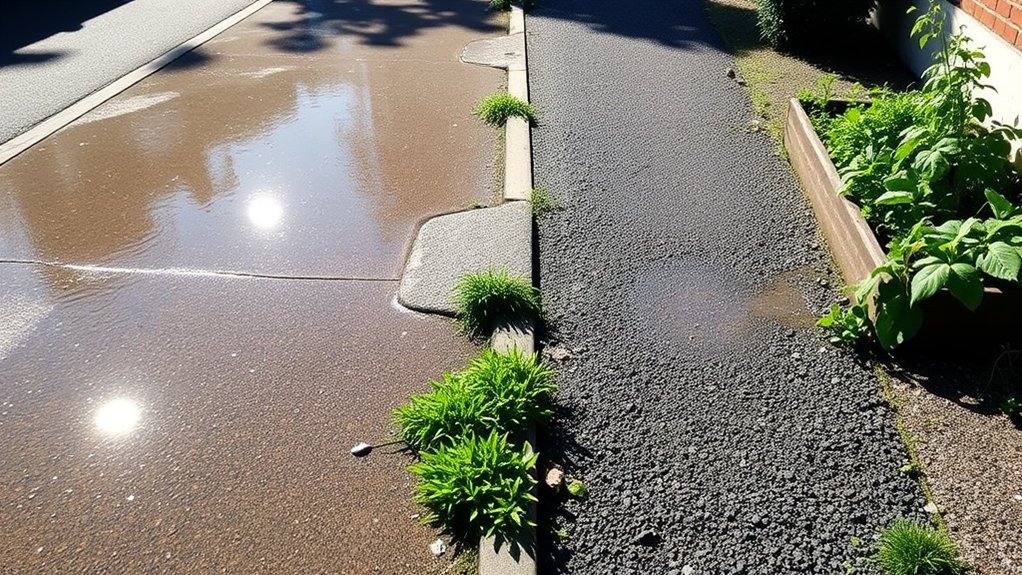
As urban areas like Nottingham grapple with challenges related to stormwater management and flooding, understanding permeability is crucial for effective infrastructure planning.
Permeable surfaces, such as porous asphalt and concrete, allow water to seep through, which helps reduce surface runoff and minimise peak flow during heavy rainfall. This is vital for preventing urban flooding, especially in older cities with combined sewer systems. Additionally, porous asphalt systems not only enhance flood resilience but also reduce pollutant load and noise pollution, making them a more sustainable choice for urban paving. In Nottingham, ensuring SuDS compliance is essential for effective drainage management.
By managing stormwater on-site, these surfaces not only enhance flood resilience but also support groundwater recharge—an important consideration given Nottingham’s mixed clay and sand subsoils.
However, it’s essential to maintain permeability; clogging from fine sediments and winter grit can hinder their effectiveness. Regular upkeep, like vacuum sweeping, ensures these systems work properly, helping to reduce flooding risks for the community.
Analyzing Carbon Footprint of Resin and Tarmac
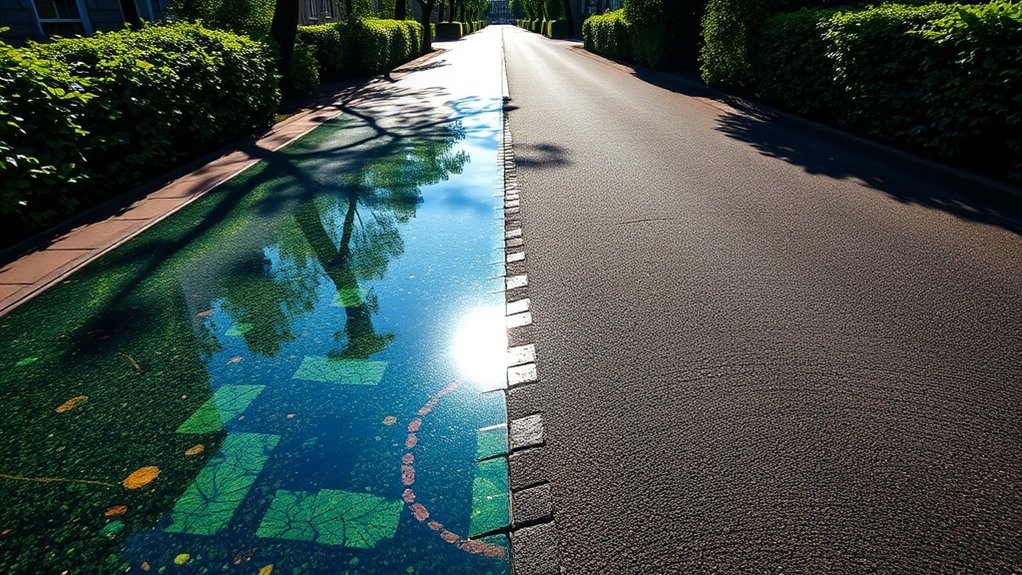
How do resin and tarmac compare in terms of their carbon footprints?
Resin driveways have notable advantages. Their installation is more eco-friendly, as it requires less machinery and often uses locally sourced materials, which reduces transportation emissions. Additionally, incorporating 25% recycled materials helps lower the carbon impact. Furthermore, resin driveways are fully permeable surfaces, contributing to sustainable rainwater management and reducing the need for complex drainage systems. This permeability supports groundwater recharge, enhancing natural water cycles and improving local ecosystems.
On the other hand, tarmac production has a higher carbon footprint, primarily due to its reliance on petroleum-based materials. Despite advancements in efficiency, tarmac still suffers from significant drawbacks, such as increased emissions from heating the materials and issues related to impermeability affecting drainage.
Resin driveways also last longer, typically between 15 to 25 years, meaning they need to be replaced less frequently, which cuts down on waste and emissions. The durability and low maintenance requirements of resin driveways further contribute to their overall sustainability.
Durability and Maintenance Considerations

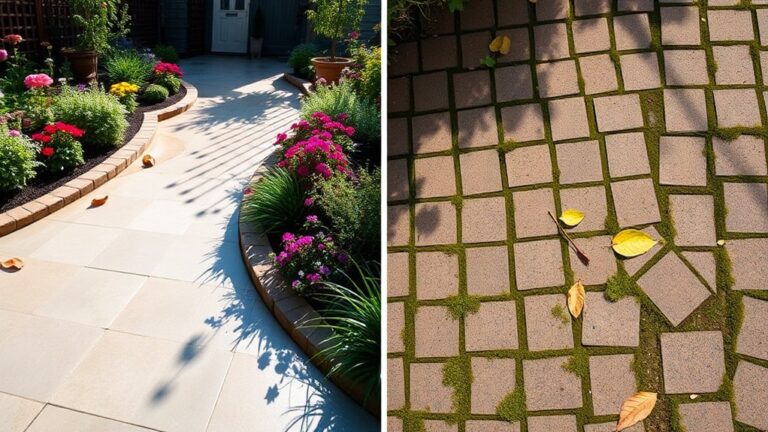
When it comes to durability and maintenance, resin-bound driveways generally outlast tarmac surfaces, with a lifespan of 15–25 years compared to tarmac’s 10–20 years. Additionally, resin driveways are highly resistant to cracking and extreme weather conditions, which contributes to their longevity. This is largely due to their permeable structure, which allows for effective drainage and minimizes the risk of water pooling. Maintenance also varies significantly; resin requires minimal upkeep, whereas tarmac often needs regular patching and re-sealing. Understanding these differences can help you choose the right material for your needs.
Lifespan Comparison
When comparing the lifespans of resin and tarmac surfaces, it’s important to consider factors affecting their durability and maintenance.
Resin-bound driveways usually last between 15 and 25 years, with good installations often exceeding 20 years in the UK. Tarmac, on the other hand, generally lasts 12 to 20 years, though high-quality installations can also reach beyond 20 years.
The longevity of both materials largely depends on the installation methods and the quality of the base. Poor foundation preparation can lead to early failure.
Resin’s UV resistance and permeability help it withstand environmental stresses better than tarmac. While tarmac offers flexibility for heavy loads, it can be prone to cracking and water damage.
Ultimately, your choice should reflect your usage needs and the quality of the installation.
Maintenance Requirements
Understanding the maintenance needs of resin and tarmac surfaces is crucial for making a smart choice.
Resin has the advantage of being easier to clean and generally incurs lower routine maintenance costs. Simple tasks like regular sweeping and occasional pressure washing can keep resin looking its best.
In contrast, tarmac can suffer from issues like cracking and requires more intensive repairs, including frequent patching and resurfacing, particularly in harsher climates.
Resin also boasts UV stability and flexibility, which helps minimise repair needs due to weathering, whereas tarmac tends to deteriorate more quickly under similar conditions.
Although resin might’ve a higher initial installation cost, its lower long-term maintenance expenses often make it the more cost-effective option.
In essence, the maintenance benefits of resin can significantly influence your choice between these two surfaces.
Local Climate Impact on Material Performance

Local climate significantly affects the performance of surfacing materials, especially in areas like Nottingham, where freeze-thaw cycles and temperature extremes are common.
Frequent freeze-thaw events can lead to micro-cracks in both resin-bound and tarmac surfaces, causing deterioration over time. While resin materials typically provide better resilience against climate variations, their effectiveness hinges on the flexibility and porosity of the binder used.
During hot summer days, traditional asphalt may soften, increasing the risk of rutting, whereas resin-bound surfaces usually hold up better under high temperatures. Furthermore, heavy rainfall can worsen water damage.
Selecting the right materials impacts not only immediate performance but also long-term sustainability and maintenance requirements, prompting local authorities to consider climate resilience in their surfacing choices.
Economic Trade-offs: Cost and Long-term Value
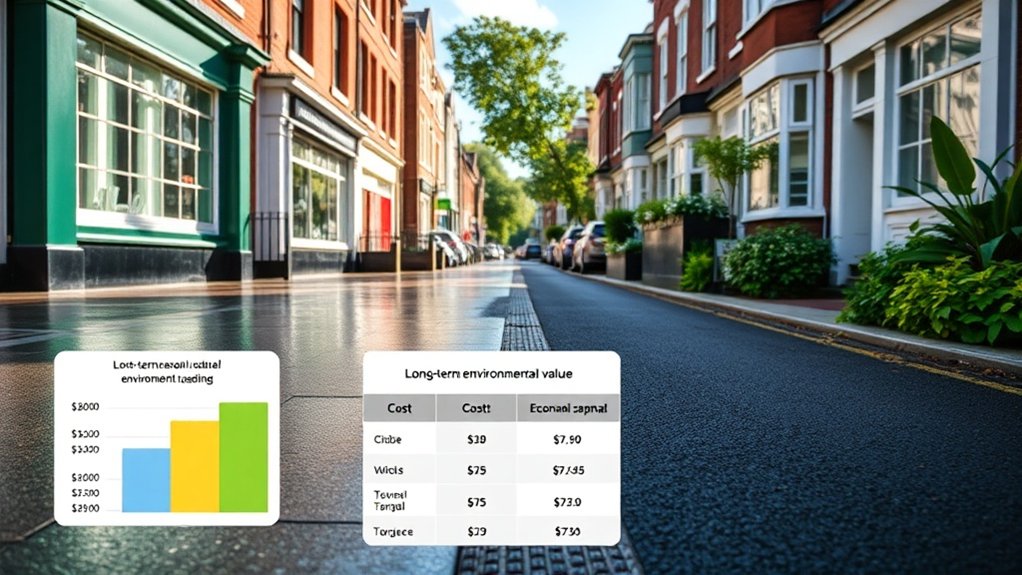
When comparing the economic trade-offs between resin and tarmac, consider the initial material costs alongside long-term maintenance savings.
Tarmac may appear cheaper at first, but its ongoing maintenance can quickly negate those savings. For instance, regular repairs and resurfacing can add up.
In contrast, while resin requires a higher upfront investment, it tends to be more durable and environmentally friendly, leading to lower maintenance costs over time.
Ultimately, a resin surface could save you money in the long run.
Upfront Material Costs
How do the upfront material costs of resin and tarmac compare?
Resin typically costs around £70 per m², largely due to the aggregate and resin mix. If you choose polyurethane resin, it’s cheaper than epoxy, but opting for premium UV-resistant aggregates can raise the price.
Tarmac, on the other hand, is about £50 per m², especially for standard black finishes.
When you factor in installation, resin costs an additional £50 per m², while tarmac adds £40.
In total, you’re looking at £120 for resin compared to £90 for tarmac, making tarmac the more economical option for larger areas.
Long-term Maintenance Savings
When comparing resin and tarmac driveways, resin often stands out due to its long-term maintenance savings. Resin driveways require minimal upkeep – just a simple sweep and the occasional power wash. There’s no need for sealing or resurfacing, which is better for sustainability and eco-friendly practices. On the other hand, tarmac driveways require frequent sealing and resurfacing, increasing overall costs over time.
| Maintenance Requirement | Resin Driveways |
|---|---|
| Upkeep | Minimal (just sweeping) |
| Cleaning | Occasional power washing |
| Longevity | No sealing required |
Choosing resin not only reduces future repair expenses but also boosts property value, making it a sensible option for environmentally conscious homeowners.
Environmental Impact Considerations
When comparing resin and tarmac driveways, it’s important to consider both the initial costs and the long-term benefits.
Resin-bound driveways generally have a higher upfront cost due to the materials and labour involved. However, they can last anywhere from 20 to over 25 years, while tarmac typically lasts 15 to 25 years. This longevity can mean fewer replacement costs down the line.
Additionally, resin driveways are permeable and comply with SUDS (Sustainable Drainage Systems), which can simplify planning approvals and help you avoid extra drainage fees.
Tarmac, in contrast, may lead to higher long-term expenses for repairs and compliance.
Investing in a resin driveway could also boost your property’s value, as their aesthetic appeal aligns with sustainability trends.
This potential increase in value can help offset the initial costs. It’s crucial to weigh these factors for a well-informed choice.
Environmental Impacts: Pollution and Runoff Quality
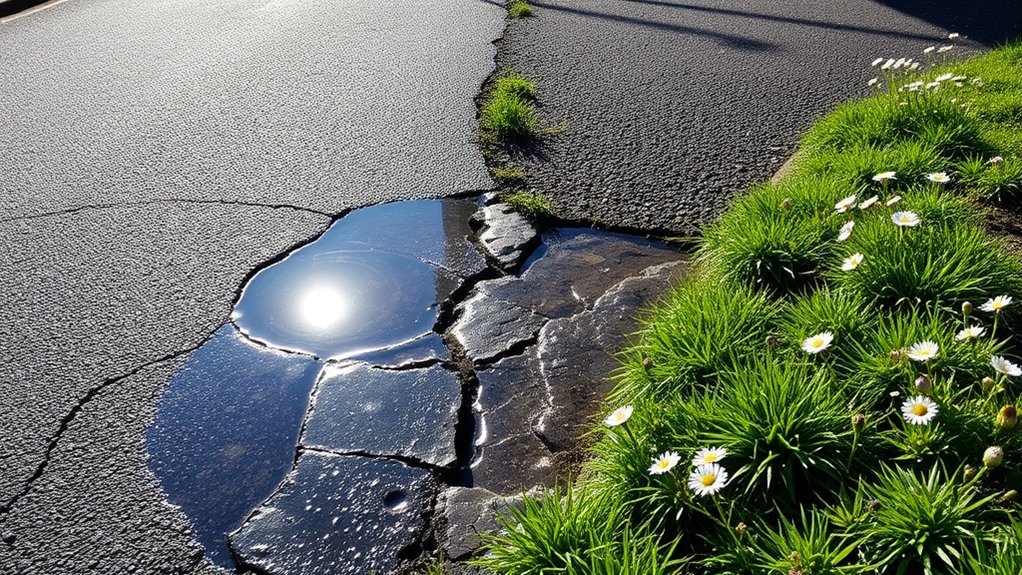
When assessing the environmental impacts of resin-bound surfacing versus traditional tarmac, it’s important to look at their pollutant profiles and runoff characteristics.
Resin-bound surfaces mainly leach binder components, whereas tarmac produces hydrocarbon runoff and heavy metals due to its petroleum content. Tarmac typically has higher levels of polycyclic aromatic hydrocarbons (PAHs) and other contaminants.
In terms of runoff, permeable resin systems significantly reduce surface runoff and enhance water infiltration, unlike tarmac, which is impermeable and causes rapid pollutant transport to waterways.
However, if resin surfaces aren’t properly maintained, they can clog, potentially leading to contaminants reaching groundwater.
Frequently Asked Questions
How Do Resin Surfaces Affect Local Wildlife Habitats?
Resin surfaces can aid wildlife preservation by being permeable, which helps reduce flooding and runoff. However, the installation process may temporarily disrupt habitats, particularly affecting burrowing species like rabbits and ground-nesting birds. It’s important to carefully assess these impacts to strike a balance between the ecological advantages and any potential disturbances.
Can Resin Surfaces Be Installed in Winter Conditions?
Yes, you can install resin surfaces in winter, but there are some challenges. Cold temperatures can affect performance, leading to weak bonds and defects. To ensure a successful installation, consider using cold-weather formulations and maintaining optimal conditions throughout the process. For example, using a heater or tarpaulin can help keep the area warm during installation.
What Are the Aesthetic Options for Resin-Bound Surfaces?
Resin-bound surfaces provide a variety of colour options and textures. You can choose from smooth finishes or rough aggregates, and even customise patterns and graphics. This allows you to create unique designs that reflect your personal style, whether you prefer a sleek driveway or a decorative patio.
How Does Resin Respond to Heavy Vehicle Traffic?
Resin’s ability to handle heavy vehicle traffic relies heavily on a well-constructed sub-base. When designed correctly, it can cope with the demands of traffic. However, if the support is lacking, it may suffer from micro-cracking and surface damage due to concentrated stress. For example, poorly laid resin on a weak sub-base might crack under the weight of delivery trucks. It’s essential to ensure proper installation to avoid these issues.
Are There Health Risks Associated With Resin Installation?
Yes, there are significant health risks associated with resin installation. Research indicates that around 30% of workers experience symptoms of irritation. Using personal protective equipment (PPE) is vital to minimise risks related to chemical exposure and respiratory issues. For instance, wearing masks and gloves can help protect against harmful substances in the resin.
Conclusion
In Nottingham, opting for resin instead of tarmac can have significant environmental benefits. For example, permeable resin can lower urban runoff by as much as 30%, helping to mitigate flooding and safeguard local waterways. This choice goes beyond just looks and durability; it positively influences your community’s ecological health. As you consider your options, think about how each material affects both the environment and your finances in the long term. Your choice is important!

Offering a variety of sustainable options, discover which eco-friendly driveway material could transform your space while benefiting the environment. Uncover Read more

Compare resin and concrete driveways to discover which option provides superior durability and value, but the answer may surprise you.

The rise of resin-bound driveways is transforming outdoor aesthetics, but what hidden advantages might make them the perfect choice for Read more