
What Is The Most Eco-friendly Driveway Material
When you’re considering the most eco-friendly driveway material, permeable options like pervious concrete or porous asphalt stand out. They allow rainwater to flow through, reducing runoff and recharging groundwater. Grass pavers also enhance biodiversity while providing natural drainage. If you prefer a more unique look, recycled materials like reclaimed bricks offer sustainability and distinctive aesthetics. Rubber driveways, made from recycled tires, help reduce landfill waste. Each option presents various benefits, so weigh your needs carefully. To explore the nuances of these materials and how they fit your project, keep going to uncover more insights.
Key Takeaways
- Permeable Paving: Materials like pervious concrete and porous asphalt allow stormwater infiltration, reducing runoff and recharging groundwater.
- Recycled Materials: Options such as recycled asphalt and concrete aggregate minimize waste and lower carbon footprints while providing durability.
- Grass Pavers: These promote natural drainage and enhance biodiversity, helping to mitigate heat island effects in urban areas.
- Rubber Driveways: Made from recycled tires, they decrease landfill waste and greenhouse gas emissions, making them a sustainable choice.
- Sustainable Wood: Using sustainably sourced wood, like black locust pavers, supports eco-friendly practices and offers durability without toxic chemicals.
Permeable Paving Materials
How can you transform your driveway into an eco-friendly asset? Consider permeable paving materials, which offer numerous permeable benefits while maintaining functionality and aesthetics.
Pervious concrete allows stormwater to flow through, recharging groundwater, while porous asphalt combines strength and permeability, making it ideal for high-traffic areas.
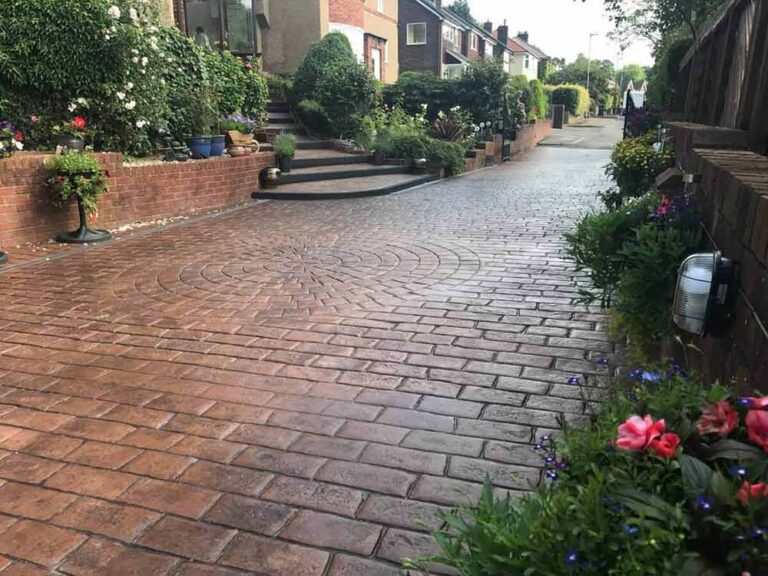
Permeable interlocking concrete pavers (PICP) provide flexibility in design, with various colors and textures available, ensuring your driveway complements your home.
The installation techniques for these materials require careful planning, considering local soil conditions and climate. Properly calculating the required permeability rate is essential to ensuring effective water management.
Maintaining permeable pavements involves periodic vacuuming and inspecting for clogged joints, allowing them to function effectively.
By choosing permeable materials, you not only reduce surface water runoff and prevent erosion but also help filter pollutants, contributing to a healthier environment. Additionally, these materials promote natural water infiltration, which supports local ecosystems.
Plus, these materials can help mitigate the urban heat island effect, keeping your property cooler.
Investing in permeable paving isn’t just about aesthetics; it’s a smart choice for sustainability and long-term durability.
Transform your driveway into a responsible eco-friendly asset today.
Recycled Materials
If you’re looking to enhance the eco-friendliness of your driveway further, consider incorporating recycled materials into your design.
Recycled asphalt is an excellent choice, as it minimizes waste by repurposing old asphalt, reducing the need for virgin materials. This not only lowers the carbon footprint of your driveway construction but also provides a gritty texture that offers excellent grip. Plus, it’s cost-effective and budget-friendly.
You might also explore recycled concrete aggregate, which comes from crushed concrete from demolition projects. This material helps reduce landfill overflow and allows water to permeate through the driveway, promoting sustainable drainage.
Reclaimed concrete, salvaged from demolition sites, can be arranged in unique mosaic patterns, adding character to your driveway while being as durable as new concrete with proper installation.
Additionally, consider using crushed recycled glass or reclaimed brick. These options not only reduce waste but also provide a distinctive aesthetic. Furthermore, using sustainable materials in your driveway can significantly contribute to reducing the overall environmental impact of your property.
Renewable Wood Options
When considering eco-friendly driveway options, renewable wood materials stand out due to their combination of durability and sustainability. Black Locust wood pavers, for instance, boast a lifespan of over 50 years, making them a long-lasting choice. Their natural resistance to water, rot, and fungi means you won’t need to worry about extensive maintenance. Furthermore, these pavers can handle heavy loads, like a 60-ton crane, without compromising integrity.
From a sustainability perspective, using sustainably sourced wood greatly reduces your carbon footprint compared to manmade alternatives. Black Locust wood pavers are produced without toxic chemicals and are considered a zero-waste product. As a renewable resource, wood helps avoid the depletion of finite materials.
In addition to their practical benefits, wood pavers also provide ecological advantages. They facilitate stormwater management by allowing water to pass through, which recharges groundwater supplies.
This feature contributes to reducing heat islands, making your driveway not just eco-friendly but also a functional element in climate change mitigation. By choosing renewable wood options, you’re making a conscious decision that benefits both your home and the environment.
Alternative Eco-Friendly Materials
Exploring alternative eco-friendly materials for your driveway can reveal a range of innovative options that not only enhance the aesthetic appeal of your home but also contribute to environmental sustainability.
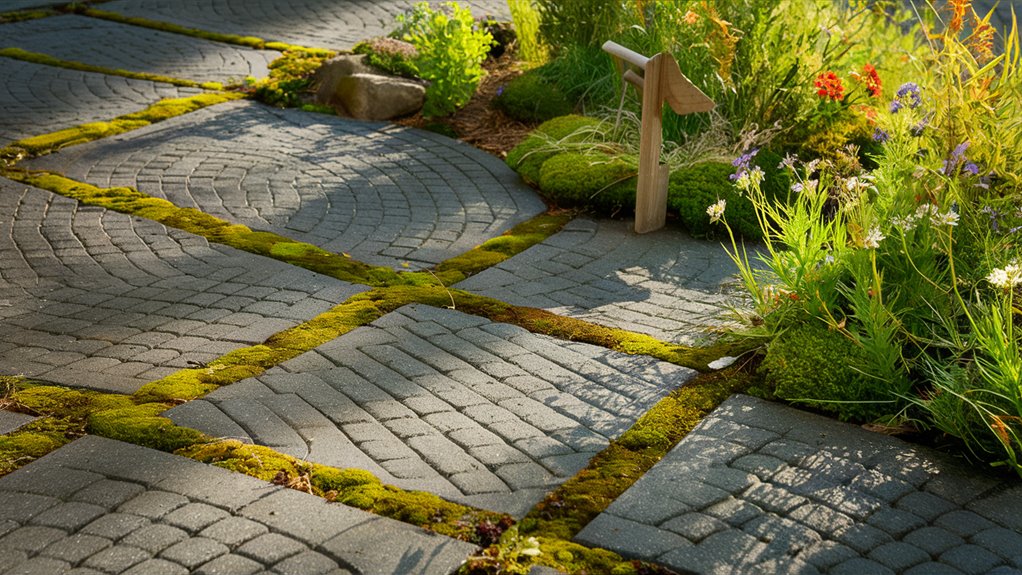
One standout choice is grass pavers, which allow for natural drainage and improve biodiversity. These pavers promote greenery, helping to reduce the heat island effect while maintaining a functional driveway.
Additionally, consider porous materials like permeable pavers made from 100% recycled plastic. They let stormwater seep into the soil, mitigating flooding and erosion. With various aggregates like gravel or crushed slate, they’re not only visually appealing but also more durable than traditional concrete or asphalt. You can easily saw and trim them to fit around landscaping elements.
Recycled materials, such as asphalt and concrete, are also excellent options. They reduce waste and demand for new resources while providing a cost-effective solution. Incorporating permeable surfaces into your design can further enhance water management and sustainability efforts.
Crushed concrete, in particular, adds character to your driveway while promoting natural drainage. By choosing these alternative eco-friendly materials, you’ll create a sustainable driveway that aligns with your environmental values and enhances your property’s curb appeal.
Rubber and Resin Options

Considering your options for eco-friendly driveway materials, rubber and resin surfaces stand out for their sustainable qualities and impressive performance.
Rubber driveways, crafted from recycled tires, offer significant rubber benefits, such as reducing landfill waste and cutting greenhouse gas emissions. Their durability means they can withstand extreme temperatures and heavy traffic, while their non-toxic nature guarantees minimal environmental impact.
Plus, with low maintenance needs and a long lifespan, they’re a cost-effective choice.
On the other hand, resin driveways provide resin advantages that include permeability, allowing rainwater to filter through and recharge groundwater supplies. This design minimizes stormwater runoff and local flooding, enhancing your property’s sustainability.
Like rubber, resin surfaces are also low-maintenance and available in a variety of attractive aggregate colors, adding aesthetic value to your home.
Both options deliver eco-friendly solutions without compromising on performance or style. Furthermore, these materials can be combined with recycled materials to further enhance their sustainability profile.
Maintenance Considerations
Maintaining your eco-friendly driveway is essential for guaranteeing its longevity and performance. Proper driveway upkeep not only enhances aesthetics but also protects the environment.
Here are three key maintenance considerations to keep in mind:
- Regular Cleaning: Sweep away debris and leaves regularly to prevent moisture trapping. Use eco-friendly cleaning agents to avoid harmful chemicals leaching into the soil and waterways.
- Water Management: Confirm your driveway is designed to direct water into permeable surfaces, like rain gardens, to reduce runoff. Keep the surface clear of blockages to maintain effective drainage, allowing rainwater to infiltrate the ground.
- Periodic Inspections: Regularly inspect for signs of wear and tear. Addressing issues early can save you from costly repairs later, confirming your driveway remains functional and eco-friendly. Additionally, consider the environmental benefits of gravel driveways, which provide excellent drainage and reduce flooding risks.
Performance Comparison

When evaluating eco-friendly driveway options, performance is a key factor that influences your decision.
Regarding durability comparison, concrete driveways can last an impressive 20 to 40 years, while asphalt typically endures for 15 to 30 years—with regular maintenance. Permeable paver driveways also offer longevity, lasting over 20 years, making them a wise choice for sustainability.
However, gravel driveways have a shorter lifespan of 10 to 15 years, requiring more frequent upkeep.
Heat retention is another critical aspect to reflect on. Concrete pavers can reach temperatures of 145°F in summer, and asphalt can get even hotter due to its oil composition.
In contrast, wooden driveway pavers, especially those made from sustainable materials, provide a cooler surface, making them a more comfortable option underfoot. Grass driveway pavers also help mitigate the heat island effect, promoting biodiversity while keeping surface temperatures down. Additionally, the use of recycled materials in driveway construction can further enhance sustainability and reduce environmental impact.
Ultimately, balancing durability and heat retention will guide you toward the most eco-friendly driveway material that meets your performance requirements.
Choosing wisely now can lead to long-term benefits for both your property and the environment.
Aesthetics and Design Choices
In selecting an eco-friendly driveway material, aesthetics and design choices play an essential role in enhancing your property’s overall appeal. You want a driveway that not only serves its purpose but also complements your landscape.
Consider these impactful options:
- Grass Pavers: They promote grass aesthetics, integrating beautifully with your garden while reducing the heat island effect.
- Natural Stone: With various stone designs, they offer durability and a timeless look, enhancing curb appeal considerably.
- Gravel with Stabilization Grids: This versatile option allows for creative design while permitting water penetration, minimizing erosion.
Each choice has its unique benefits. Grass pavers enhance biodiversity and drainage, while natural stone adds elegance and longevity. Gravel provides flexibility in design and ease of maintenance. Additionally, these options contribute to stormwater management by promoting effective drainage solutions.
When choosing your driveway material, think about how it aligns with your home’s overall aesthetic, supports the environment, and fits your lifestyle. The right driveway can elevate your property, making it not just functional but also a beautiful extension of your home.
Cost-Effectiveness and Sustainability
Selecting an eco-friendly driveway material goes beyond aesthetics; it also hinges on cost-effectiveness and sustainability. When you conduct a cost analysis, gravel driveways often emerge as the most budget-friendly option, costing between £30 and £60 per tonne. They require minimal labour and offer excellent drainage but need periodic refilling.
Asphalt, while slightly more expensive, typically costs between £2 to £5 per square foot and is straightforward to install. However, it requires maintenance to mitigate environmental impact.
Concrete driveways present a higher cost at £8 to £25 per square foot but provide durability and design versatility. Recycled materials, like asphalt and concrete, also strike a balance between affordability and sustainability by minimizing waste.
For sustainability, permeable paving stands out by allowing rainwater to permeate, reducing stormwater runoff and replenishing groundwater. Renewable materials, such as Black Locust wood, boast a low carbon footprint, while resin-bound gravel combines style with functionality. Additionally, considering the long lifespan of concrete can enhance your investment in terms of sustainability.
Ultimately, your choice should reflect not only your budget but also your commitment to minimizing environmental impact, ensuring that your driveway is both cost-effective and sustainable.
Conclusion
In choosing the most eco-friendly driveway material, you’ll weigh permeability for water management, durability for longevity, and aesthetics for curb appeal. Consider recycled options for sustainability, renewable wood for natural beauty, and rubber or resin for innovative solutions. Think about maintenance needs to guarantee a lasting investment, while also balancing costs with environmental benefits. Ultimately, you’ll find that the best choice harmonises performance, design, and ecological responsibility, creating a driveway that’s both functional and sustainable.
Parking opposite a driveway is an issue that has plagued British drivers for years, with most people unsure of the Read more

We are excited to share with you the importance of public park car park repairs. Did you know that more Read more
Choosing the right material for your driveway is a crucial decision that can have a significant impact on your home's Read more