
Are Resin Driveways Cheaper Than Concrete?
Are Resin Driveways Cheaper Than Concrete?
Resin driveways typically have higher initial installation costs, ranging from £11 to £17 per square metre. However, they often prove to be more cost-effective over time due to lower maintenance needs and greater durability. In contrast, concrete driveways, which range from £6 to £15 per square metre, may appear cheaper at first but can lead to higher repair costs down the line. When considering your options, think about the long-term benefits and visual appeal each choice offers.
Key Takeaways
Are Resin Driveways Cheaper Than Concrete?
- Concrete driveways typically cost between £6 and £15 per square metre, making them a more affordable option upfront compared to resin driveways, which range from £11 to £17 per square metre.
- However, resin driveways often have lower long-term maintenance costs. Over 15 to 25 years, this could lead to savings, despite the higher initial price.
- Installing concrete is generally quicker and simpler, resulting in lower labour costs compared to the more complex installation of resin driveways.
- Resin driveways are more durable and less prone to cracking, which can save you money on repairs in the long run when compared to concrete.
- While resin driveways are pricier at the outset, their visual appeal and minimal upkeep could potentially enhance your property’s value, helping to balance out the initial costs.
Initial Installation Costs Comparison
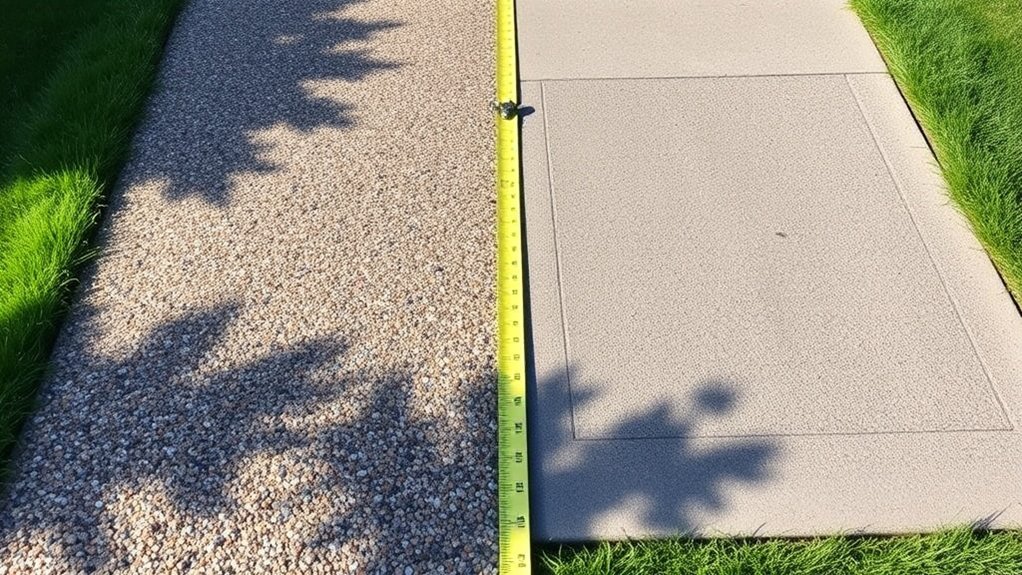
When comparing the initial installation costs of driveways, concrete is generally the more affordable option compared to resin. Concrete driveways typically cost between £6 and £15 per square metre, while resin driveways range from £11 to £17 per square metre. For straightforward installations, concrete’s cost-effectiveness is evident, particularly as the size increases; larger resin projects can significantly raise costs due to the complexity of materials and labour. Although there’s a trend toward customised aesthetics with resin, concrete installations are simpler and quicker, resulting in lower labour costs. Moreover, while resin driveways require less maintenance in the long run, if cost is your main concern for a driveway project, concrete is the more economical choice from the outset. Additionally, resin driveways offer low-maintenance and weed-resistant surfaces, making them an attractive option despite the higher initial costs.
Long-Term Cost and Maintenance Analysis
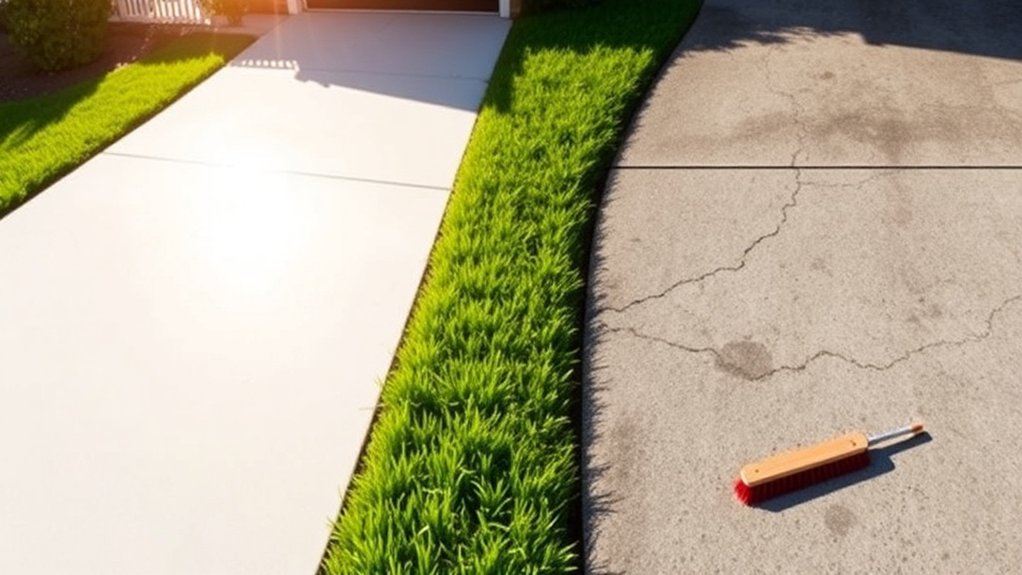
When choosing a driveway, it’s essential to consider not just the initial installation costs but also the long-term expenses and maintenance.
Resin driveways generally require less upkeep than concrete ones. They need weekly sweeping and an annual power wash, plus resealing every 2 to 4 years, which can cost between £275 and £700. Additionally, the durability and lifespan of resin-bound surfaces means they withstand British weather better, resulting in fewer cracks over time. The permeable surface of resin also aids in effective water drainage, further reducing the likelihood of damage.
In comparison, concrete driveways require regular sealing to avoid cracking and staining, leading to higher repair bills, especially during freeze-thaw cycles.
Over 15 to 25 years, the lower maintenance needs and repair costs of resin can translate into significant savings, making it a more economical option in the long run.
Durability and Lifespan of Driveways
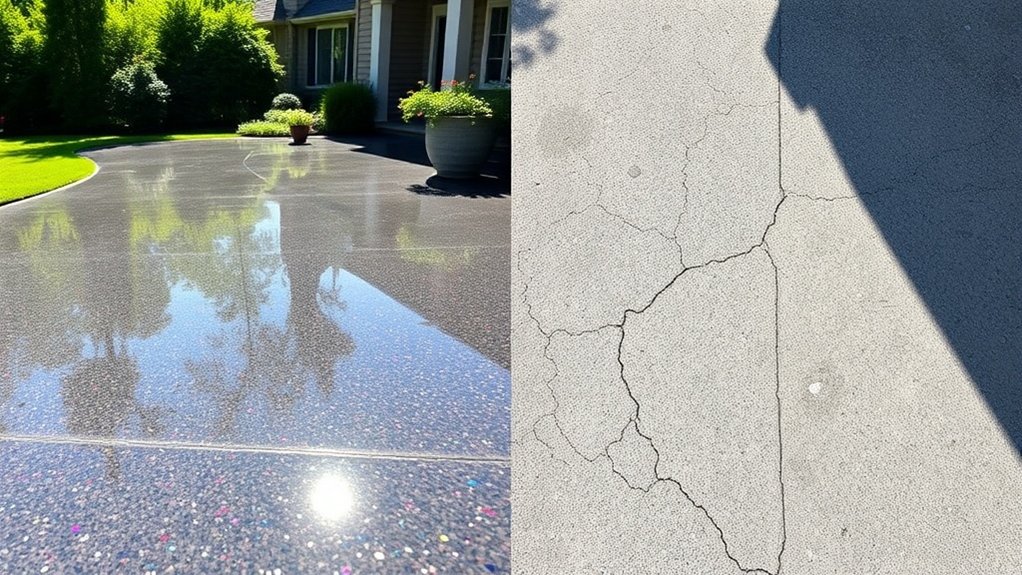
Understanding the durability and lifespan of driveways is crucial when choosing between resin and concrete options.
Resin driveways generally last between 15 to 25 years with normal residential use, significantly outlasting concrete due to their flexibility, which makes them less prone to cracking. Proper installation, including thorough sub-base preparation, is key to enhancing durability and reducing surface failures. While heavy traffic may shorten the lifespan to around 10 years, good maintenance can help extend it closer to 25 years. Using UV-stable resin and the right resin-to-aggregate ratios also contribute to longevity. Moreover, resin’s permeability aids in water drainage, offering extra protection against environmental damage, making it a robust choice compared to traditional concrete driveways. Additionally, high-quality materials significantly enhance the durability of resin driveways, ensuring they withstand various environmental conditions effectively. Professional installation is crucial for maximizing the lifespan of resin driveways and preventing potential issues.
Aesthetic and Design Options
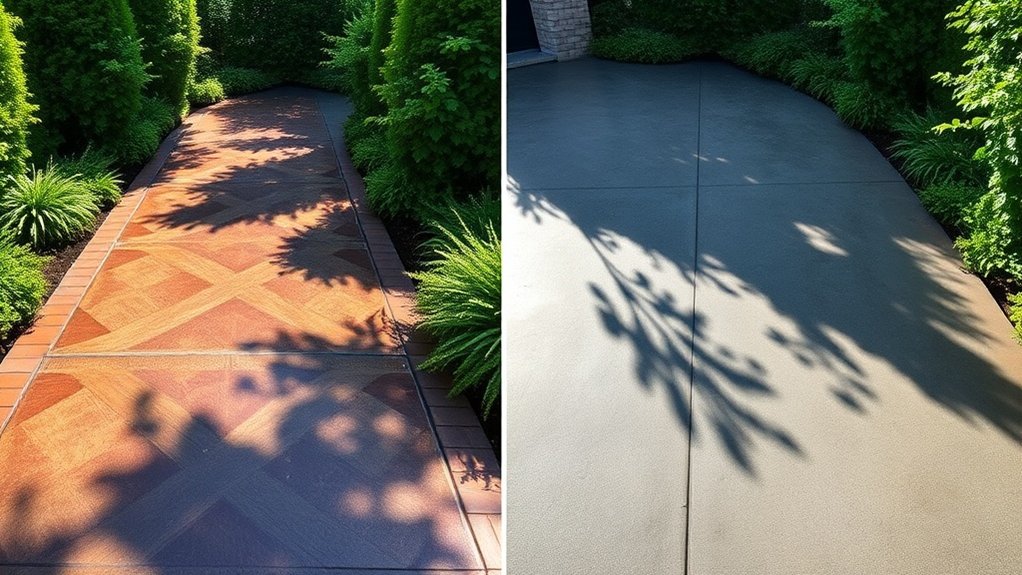
How can the aesthetic appeal of a driveway enhance your home’s exterior?
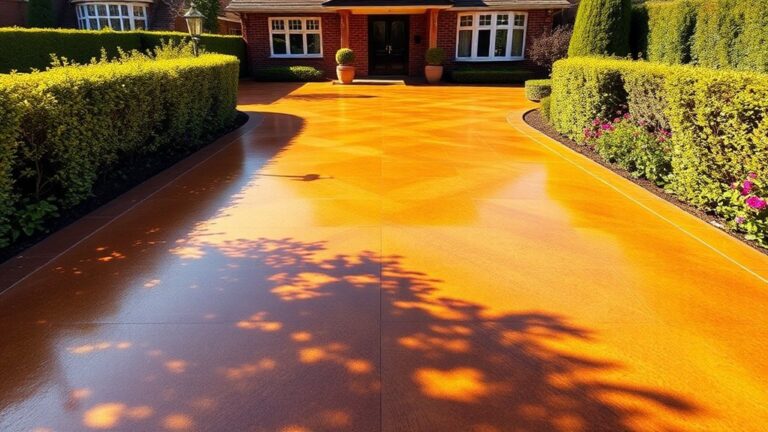
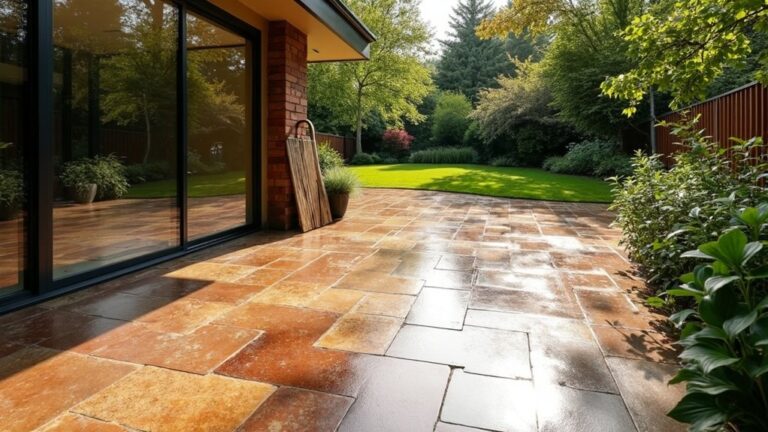
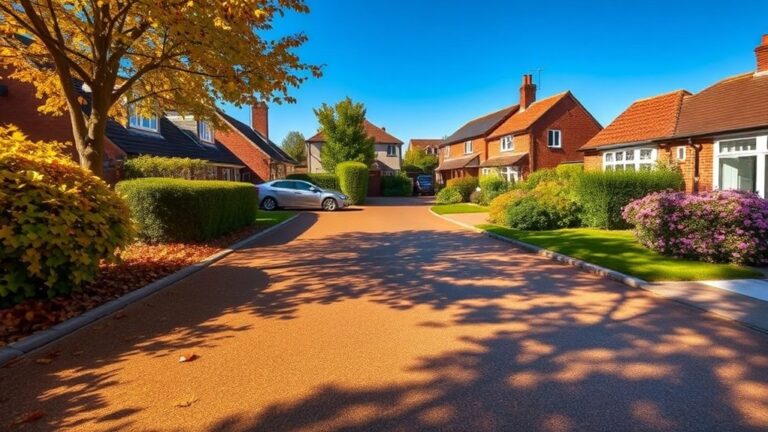
Resin driveways offer a wide range of design options that boost curb appeal. With over 40 vibrant colours to choose from, you can personalise your driveway to suit your style, whether you prefer natural tones or striking shades.
Current trends include classic patterns like herringbone or unique geometric shapes, adding sophistication to your entrance. You can also customise the texture using various aggregates, such as quartz or granite, for added visual interest.
These driveways blend seamlessly with your landscaping, and features like embedded lettering or dual-tone designs ensure your driveway isn’t just practical but also a standout feature of your home.
Environmental Impact and Permitting

When it comes to environmental impact, resin driveways provide notable permeability benefits that improve water management and support local wildlife.
They comply with Sustainable Drainage Systems (SuDS) regulations, making the permitting process easier and meeting modern environmental standards.
In comparison, concrete driveways often face stricter regulations due to their detrimental effect on surface water runoff.
Permeability Benefits
Traditional concrete driveways create hard surfaces that can worsen urban flooding, whereas resin driveways offer significant permeability advantages that support environmental sustainability and effective urban planning.
By allowing water to seep through, resin surfaces enable rainwater to drain naturally, preventing pooling. This design mimics how the ground absorbs water, which helps recharge groundwater and reduces flooding risks.
A properly constructed resin driveway is both durable and permeable, effectively managing water on-site and reducing urban runoff.
This eases the pressure on local drainage systems and protects nearby ecosystems by limiting pollutants from entering waterways.
In essence, opting for resin driveways contributes to smarter urban development and serves as a sustainable alternative to traditional concrete options.
Regulatory Compliance Factors
Understanding the regulatory compliance factors for resin driveways is crucial, as local councils in the UK often have specific permitting requirements that homeowners must follow.
You’ll likely need to obtain permits that outline regulations regarding driveway size, materials, and drainage solutions. Compliance checks ensure you adhere to local property boundary rules and ongoing maintenance responsibilities, which, if overlooked, can lead to fines.
Resin driveways must also meet environmental regulations related to impermeable surfaces and stormwater management, which help manage urban water flow sustainably.
Their permeability aligns with Sustainable Drainage Systems (SuDS) guidelines, reducing the risk of urban flooding. By using eco-friendly materials, you not only comply with these regulations but also help combat urban heat effects, benefiting both your property and the local environment.
Installation and Labor Considerations
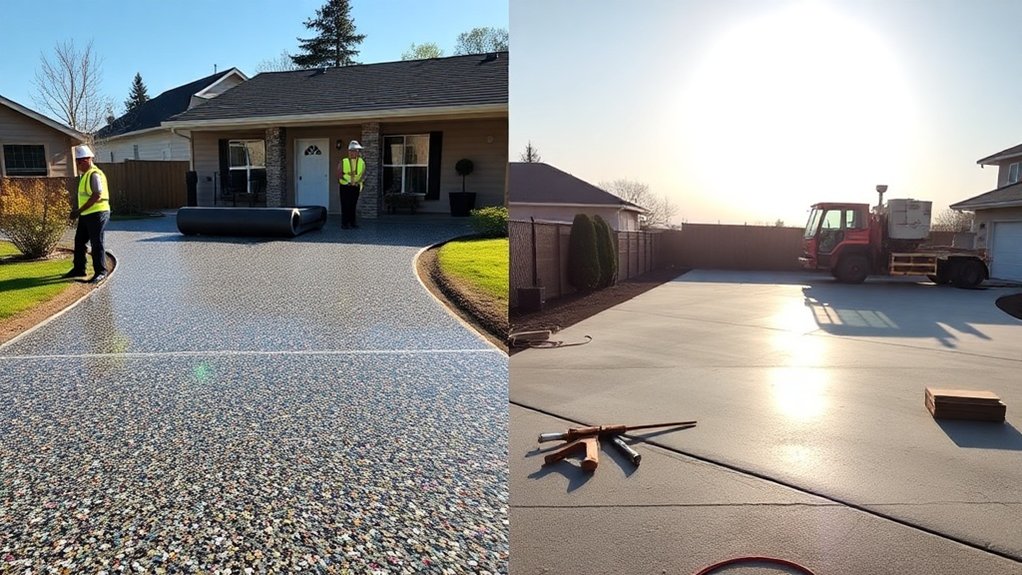
While both resin and concrete driveways serve the same purpose, their installation and labour considerations vary significantly.
Resin driveways are aesthetically pleasing and provide better drainage, but they need a more complex installation process and skilled labour, which can increase costs. For instance, a permeable sub-base is necessary, and mixing resin with aggregates requires precision to prevent issues.
On the other hand, concrete driveways can be installed more quickly and are generally less expensive due to simpler methods. However, they’re more prone to cracking and offer limited design options.
Labour costs for resin driveways can be around £50 per square metre, making them pricier upfront compared to concrete. Ultimately, this highlights the balance between initial investment and long-term maintenance considerations.
Performance in Different Weather Conditions
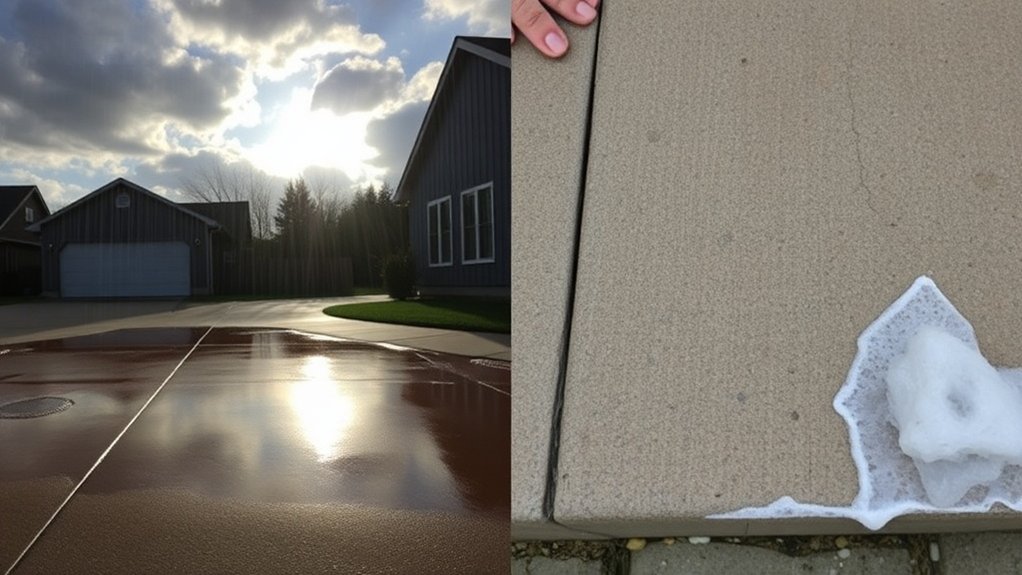
When it comes to performance in various weather conditions, resin driveways stand out for their freeze-thaw resistance and excellent drainage.
Their flexibility helps prevent cracking during colder months, and the permeable nature of resin surfaces significantly reduces water pooling.
In comparison, concrete can struggle in similar circumstances, often requiring more maintenance and posing risks of long-term damage.
Freeze-Thaw Resistance
As temperatures change, it’s crucial for driveway materials to handle freeze-thaw cycles effectively.
Resin driveways stand out for their flexibility, allowing them to adjust to thermal expansion without cracking. This elasticity helps avoid the common issues seen with concrete, which is more prone to cracking and surface damage due to its rigid nature.
Moreover, resin driveways are porous, promoting good drainage and reducing the risk of ice forming from standing water.
In contrast, traditional concrete tends to trap moisture, leading to frost damage.
Weather Damage Durability
Resin driveways outperform concrete in terms of durability against weather damage, especially in extreme conditions.
Key advantages of resin include its UV resistance and flexibility, which enhance its performance in varying weather. Unlike concrete, which can fade and needs sealing due to UV exposure, resin maintains its vibrant colour with minimal upkeep.
Its flexibility also allows it to cope with ground movement without cracking, while concrete is often vulnerable to damage from freeze-thaw cycles.
Furthermore, resin surfaces resist frost damage and are less likely to chip, leading to fewer repairs over time.
Drainage Capabilities
When evaluating drainage capabilities in various weather conditions, it’s vital to understand how surface permeability affects performance. Resin driveways excel in drainage efficiency, allowing water to seep through and reducing the likelihood of puddling. On the other hand, concrete surfaces can cause increased runoff and flooding if not paired with adequate drainage systems. Here’s a straightforward comparison of both materials:
| Condition | Resin Driveways | Concrete Driveways |
|---|---|---|
| Rain | Drains quickly, minimal standing water | Puddles form without drainage |
| Snow/Ice | Minimises ice formation, thaws quickly | Holds meltwater, higher ice risk |
| Flood-Prone Areas | Helps prevent flooding | Raises flooding risk |
| Maintenance | Low maintenance, resistant to clogging | Needs regular checks |
| Environmental Impact | Aids groundwater recharge | Contributes to surface runoff |
This comparison highlights the importance of effective water management when choosing driveway materials.
Resale Value and Investment Return

When assessing the resale value of a property, having a resin driveway can significantly influence buyers’ opinions and investment returns.
Its attractive appearance enhances your home’s curb appeal, making it more appealing to potential buyers and possibly boosting the resale price. The durability and low maintenance of resin driveways are strong selling points, further increasing property value.
Their versatility means they can easily match various home styles, widening their appeal. While there isn’t extensive data on how much resin driveways increase resale value, they offer a solid long-term investment.
With a lifespan of 20-25 years and lower maintenance costs compared to concrete, they present a financially wise option for homeowners.
Customization and Personalization Opportunities

When it comes to resin driveways, you’ll discover a wide range of colours to complement your home’s exterior and garden.
You can choose unique patterns to create a driveway that stands out and showcases your personal style.
Plus, custom features like embedded house numbers add a special touch, making your driveway truly unique.
Extensive Color Options
Resin driveways offer an impressive variety of colour options, allowing homeowners to customise their driveways to suit their taste and property style.
You can opt for natural shades like gold and green or go for bolder colours such as blue and red, catering to different design preferences.
By mixing aggregates like quartz or granite, you can create unique shades and textures, enhancing visual appeal.
Metallic epoxy finishes provide a sleek, contemporary look, while earthy neutrals complement traditional homes.
Multi-tonal blends add depth, making your driveway stand out.
Keep in mind that lighter colours may need more maintenance than darker shades, which tend to hide dirt more effectively.
Unique Pattern Designs
Traditional driveways often come with limited design choices, but unique pattern designs for resin driveways allow homeowners to create personalised spaces. With a variety of patterns available, you can opt for classic styles like herringbone or chevron, or go for geometric shapes to add a contemporary touch.
| Classic Patterns | Geometric Designs |
|---|---|
| Herringbone for elegance | Squares for a modern look |
| Multi-colour blends | Hexagons for creativity |
| Natural stone effects | Dual-tone combinations |
These options can transform your driveway into a standout feature of your home.
Custom Branding Features
Custom branding features in resin driveways allow homeowners to showcase their personal style in a practical outdoor space.
You can select from a wide range of colours that complement your home’s exterior or garden features. Adding a logo directly into the driveway’s border or surface not only personalises your driveway but also boosts its visual appeal.
You can also choose different aggregates and finishes to create a unique texture that reflects your taste. By incorporating greenery and custom border designs, you can achieve a unified look that aligns with your identity.
Ultimately, these options enable you to turn a functional driveway into a distinctive representation of your style.
Maintenance Requirements Over Time

To keep your resin driveway looking its best over time, regular maintenance is key. By following a simple cleaning schedule and using effective methods, you can enhance its durability and appearance.
| Maintenance Method | Frequency | Purpose |
|---|---|---|
| Sweeping | Monthly | Removes debris and prevents moss |
| Pressure Washing | 1-2 times a year | Removes ingrained dirt and stains |
| Stain Removal | As needed | Prevents permanent discolouration |
Regular inspections allow you to spot early signs of wear. It’s important to clean up spills promptly and handle winter conditions carefully. With consistent care, you can extend the lifespan of your driveway and keep it looking great, making it a worthwhile investment for your home.
Regional Cost Variations
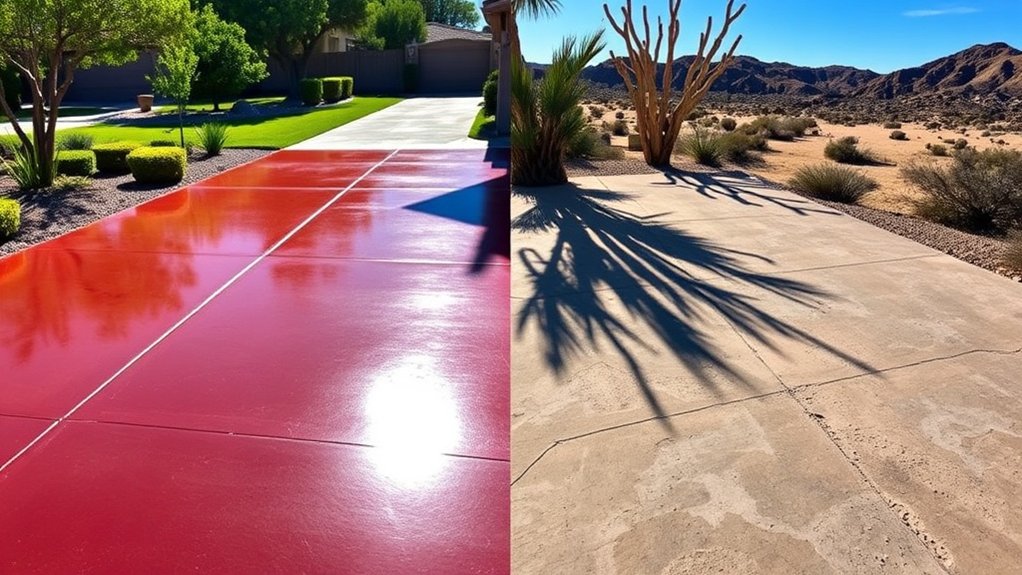
Understanding the maintenance needs of resin driveways leads us to consider the variations in costs across different regions.
Typically, resin driveway costs range from £11 to £17 per square foot, influenced by local price differences and installation complexities. In more expensive areas, installation costs can be two to three times higher than that of concrete.
For smaller driveways, you can expect to pay between £2,200 and £3,400, while larger projects may reach up to £51,000, depending on local labour rates and material availability. Custom patterns can add an extra £2 to £6 per square foot, varying by region.
While concrete is generally cheaper, regional labour costs and the complexity of installation can significantly impact the total expenses for both materials.
Summary of Key Differences

When comparing resin driveways to concrete, several key differences affect cost, durability, aesthetics, and long-term value.
Resin typically costs more upfront, ranging from £11 to £17 per square metre, but it offers notable benefits such as better weather resistance and lower maintenance.
In contrast, concrete driveways cost between £6 and £15 per square metre but have drawbacks, including susceptibility to cracking and frequent repairs.
Aesthetically, resin provides a wide range of designs and colours, enhancing visual appeal, while concrete options are more limited.
Over time, the durability and minimal upkeep of resin can justify the initial expense, making it a potentially more cost-effective choice than concrete in the long run.
Frequently Asked Questions
Can I Install a Resin Driveway Myself?
Yes, you can install a resin driveway yourself using DIY resin kits. However, it’s important to follow specific installation techniques closely to ensure a long-lasting and attractive finish, while steering clear of common mistakes. For instance, proper surface preparation is crucial – make sure the base is clean, dry, and stable before you begin. With the right approach, you can achieve a professional-looking result.
How Do Resin and Concrete Driveways Affect Property Value?
A well-kept resin driveway can enhance your property’s appeal by up to 20%, as buyers increasingly prefer low-maintenance, attractive options. On the other hand, while a traditional concrete driveway may attract budget-conscious buyers, it might not hold its value over time.
Are There Any Health Risks Associated With Resin Driveways?
When looking at the health risks of resin driveways, it’s important to consider safety during installation. Wearing proper personal protective equipment (PPE) can help minimise exposure to temporary irritants. Once the resin has cured, it presents minimal long-term health risks under normal conditions. For example, while handling resin, gloves and masks can protect against skin irritation and inhalation of fumes. Overall, with the right precautions, resin driveways can be safe for both installers and homeowners.
How Do I Choose the Right Driveway Material for My Climate?
When selecting driveway materials, think about durability and your local climate. Resin is ideal for damp, humid areas as it allows water to drain and requires little maintenance. On the other hand, concrete can struggle in harsh winters, making it less suitable for regions prone to extreme weather.
Are Resin Driveways Slippery When Wet?
Yes, resin driveways can be slippery when wet, especially if there’s algae or moss present, or if the surface lacks adequate texture. To improve safety and reduce slip hazards in wet conditions, it’s important to ensure proper installation and regular maintenance. For instance, using a textured finish can help provide better grip, making your driveway safer during rainy weather.
Conclusion
When comparing resin driveways to concrete, the initial costs can differ. However, if you consider long-term maintenance and durability, resin often proves to be more cost-effective in the long run. For example, resin driveways require less upkeep and are less prone to cracking, which can save you money on repairs. Additionally, the aesthetic appeal and wide range of design options can enhance your property’s value. Ultimately, your choice will depend on what matters most to you—whether it’s cost, longevity, or appearance. Each decision you make now could lead to unexpected benefits later on.

Compare resin and concrete driveways to discover which option provides superior durability and value, but the answer may surprise you.

The rise of resin-bound driveways is transforming outdoor aesthetics, but what hidden advantages might make them the perfect choice for Read more

With estate agents touting resin driveways as valuable assets, what hidden advantages and challenges should homeowners be aware of?