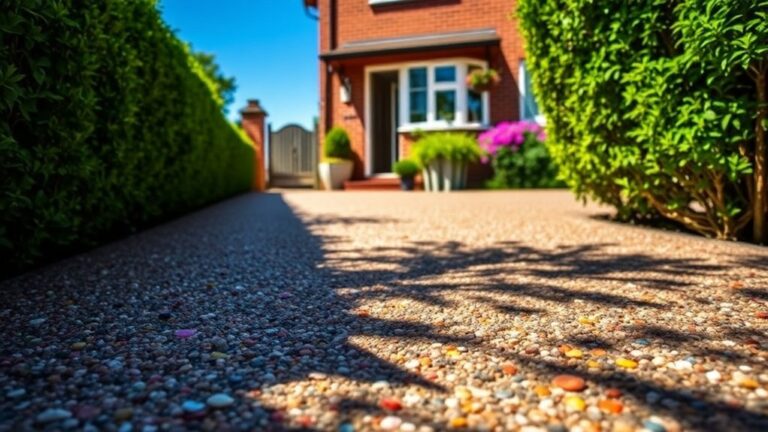

How to Remove Weeds From Resin Driveways in Nottingham?
To remove weeds from your resin driveway in Nottingham, start with manual methods like hand pulling or using garden tools to ensure you get rid of the roots completely. You might also consider applying selective herbicides for a targeted approach, or try natural solutions like a diluted bleach or vinegar-salt mix. Pressure washing is effective for clearing weeds and debris, while soft washing can help maintain the surface. Additionally, specialised moss killers can keep your driveway looking tidy. For the best results, you might want to look into professional services that can provide effective weed control and offer advice on preventive measures for the future.
Key Takeaways
- Regularly check your resin driveway for any signs of weed growth to manage it effectively from the start.
- Use soft washing alongside pressure washing to clear away visible weeds without harming the resin surface.
- Apply selective herbicides that are safe for resin driveways to eliminate unwanted plants while protecting the plants you want to keep.
- Consider natural options like horticultural vinegar or diluted bleach for an eco-friendly method of weed control.
- Arrange for professional maintenance to ensure your driveway is thoroughly cleaned and protected against future weed growth.
Manual Weed Removal Techniques

When removing weeds from resin driveways, manual techniques can be very effective, especially for small infestations. Start by dampening the soil to make hand pulling easier. Remove the entire root system, as leaving fragments can lead to regrowth. Use flathead screwdrivers or weeding knives to dig into cracks, loosening the soil around the weeds for a better grip. For deeper-rooted perennial weeds, a garden fork can help leverage them out completely. Hand trowels are great for targeting the base of the weeds precisely, while hooked weeding knives work well in tight spaces. Additionally, regular maintenance prevents dirt, grime, and debris buildup, improving your ability to spot and remove weeds promptly. Clearing debris first improves visibility and access, making your manual removal efforts more efficient. Implementing regular cleaning routines is essential to maintain a weed-free environment.
Chemical Weedkillers and Herbicides

When tackling weeds on your resin driveway, selective herbicides are the best choice as they specifically target unwanted plants without affecting nearby ones. Regular inspections of the driveway help in early detection of weeds to prevent regrowth. Always follow the application guidelines and wear protective gear to minimise risks. You might also consider using residual weed prevention products that can stop future growth, keeping your driveway clear for months.
Selective Herbicide Application
Selective herbicides are effective at targeting specific weeds while protecting surrounding plants, making them useful for maintaining areas next to resin driveways. When selecting a herbicide, determine if you’re facing broadleaf or grassy weeds, as different products are designed for each type. For application, it’s best to use spot treatments to minimise chemical use and avoid damaging desirable plants. While selective herbicides may not work as well on resin driveways, they can be effective around garden borders. Always read product labels to ensure compatibility with hard surfaces and follow the instructions closely for optimal results. Regular checks and reapplications may be needed for stubborn weeds to ensure effective control. Additionally, consider the resin-bound driveways method as it offers natural resistance to weed growth compared to other surfaces.
Safe Usage Guidelines
To ensure safe and effective use of chemical weedkillers and herbicides on resin driveways, follow these guidelines:
- Identify Weeds: Understand the types of weeds you’re dealing with to select the appropriate product.
- Choose Safe Products: Select weedkillers specifically marked as safe for resin surfaces; steer clear of bleach or strong acids.
- Application Timing: Apply on a dry, still day for optimal absorption, and keep the product away from any desirable plants.
- Wear Protective Gear: Always use gloves, protective clothing, and eye protection when applying. Additionally, consider the permeable nature of resin driveways, as it can help mitigate the impact of any chemicals used.
Residual Weed Prevention
After following safe usage guidelines for chemical weedkillers, it’s crucial to think about residual weed prevention methods that can help control unwanted plants over the long term.
Residual herbicides form a barrier in the soil that stops weed seeds from germinating for several months to a year. To maximise the effectiveness of these products, apply them to clean, dry surfaces before weeds establish.
While glyphosate-based options like Roundup Dual Action 365 provide broad-spectrum control, be mindful of their impact on the environment. Additionally, consider using eco-friendly formulations that are safe for resin-bound surfaces to avoid causing damage.
Selective herbicides target specific weeds, allowing surrounding plants to thrive, while non-selective ones eliminate all vegetation. It’s wise to opt for eco-friendly formulations that are safe for resin-bound surfaces to avoid causing damage.
Regular monitoring and reapplication are key to keeping your space weed-free.
Natural Solutions: Bleach and Detergents

When dealing with weeds on your resin driveway, diluted bleach can be a strong but effective option.
However, be cautious when applying it to avoid harming nearby plants.
Using natural detergent solutions can improve your weed removal by breaking down leaf oils and enhancing absorption.
Regular rinsing and maintenance are crucial to ensure that both bleach and detergents don’t adversely affect your driveway or surrounding vegetation.
Diluted Bleach Application
Applying diluted bleach is an effective way to tackle weeds, moss, and algae on resin driveways.
To ensure safety and effectiveness, follow these straightforward steps:
- Dilute the bleach: Mix bleach with water to achieve a concentration of 2.5-3%, following the manufacturer’s instructions.
- Choose the right timing: Apply on a dry day and avoid windy conditions to prevent drift.
- Target application: Use a spray bottle to apply directly to the affected areas, allowing it to sit for 5-10 minutes for optimal results.
- Post-treatment care: Scrub the area with a stiff brush and rinse thoroughly to remove any bleach residue, which helps maintain the resin’s integrity.
This method is effective for killing weeds and moss, but keep in mind that repeated applications may be necessary for stubborn growth.
Natural Detergent Solutions
Natural detergent solutions provide an eco-friendly option for tackling weeds on resin driveways.
You can easily make a powerful herbicide by combining horticultural vinegar, salt, and dish soap. The acetic acid in vinegar dehydrates the weeds, while the dish soap helps the solution penetrate the leaves effectively.
For regular upkeep, a mixture of mild washing-up liquid and warm water works well to remove dirt and stains without damaging the resin surface.
Sprinkling table salt directly into cracks can also help dry out weeds, particularly in dry weather. However, use salt sparingly to avoid harming nearby plants.
Regular use of these natural cleaning methods not only fights weeds but also helps maintain the appearance of your driveway, making it a practical and environmentally friendly solution.
Rinsing and Maintenance
To effectively manage weed growth on resin driveways, you’ll need to use rinsing and maintenance techniques involving bleach and detergents. Here’s a straightforward guide:
- Dilute bleach as per the manufacturer’s instructions before use.
- Apply directly to the affected areas with a spray bottle or brush, leaving it for several minutes.
- Scrub with a stiff brush and rinse thoroughly with a hose or pressure washer to ensure all bleach is removed.
- Set up a maintenance routine that includes regular sweeping, jet washing, and seasonal checks to prevent weeds from returning.
Pressure Washing and Soft Washing Methods

While pressure washing can effectively remove visible weeds from resin driveways, it has its pros and cons. A pressure washer set to 2500 PSI can tackle thick weed growth and dislodge weeds from cracks. However, tiny roots may remain, which can lead to rapid regrowth. To protect the resin surface, using lower pressure settings is advisable.
On the other hand, soft washing is a gentler, non-abrasive method that uses eco-friendly cleaning solutions to break down organic growth without damaging the resin. This approach, paired with thorough rinsing, can restore your driveway’s appearance and help prevent long-term weed issues.
For optimal results, consider a combined strategy that uses both pressure washing and soft washing techniques.
Specialized Moss and Algae Killers

When addressing moss and algae on resin driveways, specialised killers provide targeted solutions for stubborn growth. Here are some effective methods for moss removal and algae control:
- Iron Sulphate-Based Moss Killers: These kill moss within four days. Apply in late winter or early spring, following the recommended dosage to protect the resin surface.
- Sodium Percarbonate Solutions: An eco-friendly option that targets moss roots. Use 40 grams per square metre mixed with water for optimal results.
- Hydrogen Peroxide Treatments: Non-toxic and safe for the environment, this method offers lasting control without damaging the resin.
- Biocide Solutions: This quickly eliminates moss, with best results when applied during damp conditions using a watering can or sprayer.
These methods will help keep your resin driveway looking pristine.
Professional Cleaning Services and Preventive Measures

Even if your resin driveway looks clean, it’s important to consider professional cleaning services to keep it in good condition. Experts use low-pressure, high-volume water systems and eco-friendly cleaning products to remove dirt, moss, and weed roots without harming the resin. Their experience ensures a thorough clean using gentle techniques like soft washing, which helps maintain your driveway’s structure.
Regular maintenance is key; think about scheduling annual inspections and applying weed killer to stop growth.
It’s also a good idea to trim any overhanging plants and sweep the surface regularly to reduce organic debris. Sealing your driveway after cleaning adds an extra layer of protection, helping it resist weeds in the long run.
Relying on professional services guarantees a comprehensive approach to cleaning and ongoing care for lasting results.
Frequently Asked Questions
How Often Should I Inspect My Resin Driveway for Weeds?
Inspect your resin driveway for weeds once a month, and check for debris weekly. Regular maintenance helps you spot issues early, preventing larger infestations or damage down the line. For example, catching a few pesky weeds before they spread can save you time and effort in the long run.
Can Weeds Damage the Resin Surface of My Driveway?
Weeds can indeed harm the resin surface of your driveway. If not managed properly, they can widen cracks, undermine the base, and result in expensive repairs as well as a less attractive appearance. Regular maintenance is key to preventing these issues.
What Are the Best Times of Year to Remove Weeds?
The best times to remove weeds are in spring and early summer, when seasonal changes prompt their growth. Regular weeding during these times helps prevent them from maturing and spreading seeds, leading to a healthier, cleaner driveway. For instance, tackling weeds before they flower can significantly reduce future infestations.
Are There Specific Weeds That Are More Common in Nottingham?
In Nottingham gardens, you’ll often find common weeds like chickweed, hairy bittercress, and dandelion. These weeds thrive in disturbed areas, taking advantage of the local climate and organic matter that collects on the ground.
How Can I Prevent Weeds From Returning After Removal?
To stop weeds from coming back, maintain your driveway regularly. Use weed prevention treatments, ensure proper drainage, and clear away any debris. Regular checks and prompt repairs will help eliminate gaps where weeds can take root.
Conclusion
In conclusion, dealing with weeds on your resin driveway in Nottingham is manageable. You can opt for manual removal, use chemical treatments, or hire professionals if needed. Acting quickly is key, along with regular maintenance to keep your driveway in top shape. Think of it like maintaining your garden; a little effort goes a long way in preventing issues. Use the methods mentioned to ensure your driveway stays weed-free and looks great for years.

Compare resin and concrete driveways to discover which option provides superior durability and value, but the answer may surprise you.

The rise of resin-bound driveways is transforming outdoor aesthetics, but what hidden advantages might make them the perfect choice for Read more

Get the facts on resin vs. concrete driveways and discover which option could save you money in the long run. Read more