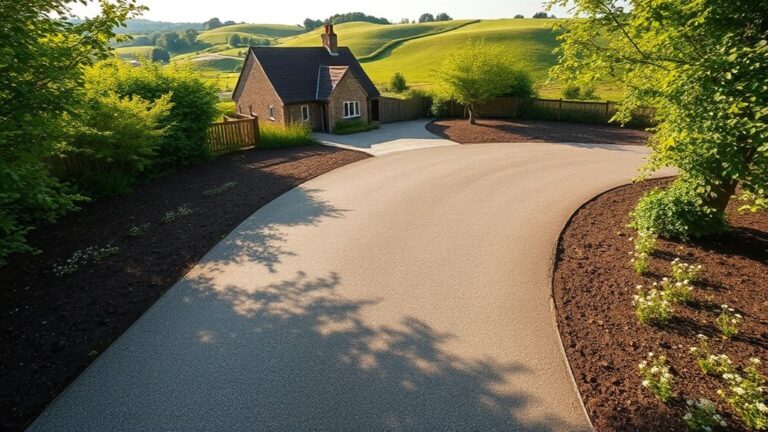

Do Resin Bound Driveways Need Planning Permission in Nottinghamshire?
In Nottinghamshire, whether you need planning permission for a resin bound driveway depends on its size and materials used. If your driveway is more than 5 square metres and made from non-permeable materials, you’ll likely need planning permission. However, if you opt for permeable surfaces that allow water to drain, you probably won’t need approval. It’s always wise to check with your local council for specific rules, particularly if your property is in a conservation area. Understanding these guidelines can help you make informed choices about your driveway.
Key Takeaways
In Nottinghamshire, resin bound driveways under 5 square metres usually don’t need planning permission. However, if your driveway exceeds 5 square metres and is made from impermeable materials, you will need to get planning permission. On the other hand, permeable resin surfaces over 5 square metres typically don’t require permission.
It’s always a good idea to check with your local council for any specific rules before starting your project. Keep in mind that if you live in a conservation area, stricter regulations may apply, affecting the need for planning permissions.
Understanding Resin Bound Driveways
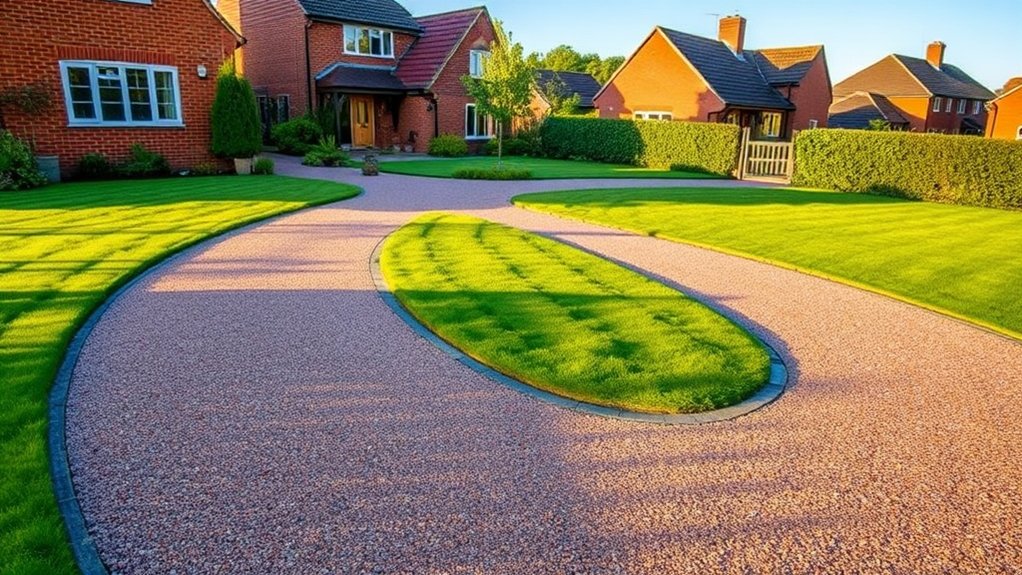
Resin bound driveways are changing how we approach outdoor surfaces by combining practicality with style. Made from a blend of resin and natural aggregates, these driveways provide a smooth, seamless finish that’s both durable and visually appealing. The aesthetic appeal of resin-bound driveways can significantly elevate the exterior of a property, leaving a lasting impression on visitors.
The installation process involves pre-coating the aggregate stones with resin and then trowelling them into a flat, permeable layer. This technique not only boosts strength but also promotes effective water management, helping to minimise flooding. With UV stable resin, your driveway will maintain its vibrant appearance over time. Additionally, the textured finish enhances slip resistance, making it safer for you and your visitors.
Opting for a resin bound driveway is a stylish and eco-friendly choice for your outdoor area.
Planning Permission Overview

When planning a new driveway, it’s crucial to understand the requirements for planning permission in Nottinghamshire to ensure you stay compliant with local regulations. Generally, driveways smaller than 5 square metres do not need permission. However, if your driveway exceeds this size and you plan to use impermeable materials, you will need to apply for permission. Here’s a straightforward breakdown:
| Driveway Size | Material Type | Planning Permission Required |
|---|---|---|
| Under 5 sq. m. | Any | No |
| Over 5 sq. m. | Impermeable | Yes |
| Over 5 sq. m. | Permeable | No |
| New vehicle access | Any | Yes |
| Converted buildings | Any | Likely required |
Familiarising yourself with local authority processes can help ensure your driveway installation goes smoothly. Additionally, using permeable materials can significantly reduce the risk of flooding by allowing rainwater to seep into the ground, enhancing compliance with Sustainable Drainage Systems regulations.
Permeability and Its Importance

Permeability is crucial for resin bound driveways, as it impacts water management and environmental sustainability.
The arrangement of aggregates creates a porous surface that allows water to filter through, which helps reduce surface water runoff and lowers the risk of flooding. This permeability supports sustainable drainage systems by managing rainwater at its source and preventing puddles. Furthermore, permeable driveways ease the strain on local drainage systems during heavy rainfall. To keep your driveway functioning effectively, regular maintenance is essential; otherwise, sediment can clog the pores over time. Additionally, permeable surfaces meet local building regulations, ensuring compliance and promoting responsible development. Choosing a permeable resin bound driveway not only enhances your property but also promotes a more sustainable environment. Moreover, effective water drainage is vital for maintaining the longevity of the driveway and preventing structural damage.
Resin Bound vs. Resin Bonded Driveways

When deciding between resin bound and resin bonded driveways, it’s important to consider their permeability differences.
Resin bound systems allow water to drain freely, helping you avoid potential planning permission issues linked to drainage regulations.
Conversely, resin bonded surfaces tend to trap water, which could lead to complications and the need for additional drainage solutions.
For example, if you live in an area prone to heavy rainfall, a resin bound driveway could be a more practical choice.
Permeability Differences Explained
Understanding the permeability differences between resin bound and resin bonded driveways is crucial for anyone looking to improve their outdoor area.
Resin bound driveways excel in permeability, allowing water to flow through their porous surface with a drainage rate of up to 95%. This means they can absorb rainwater quickly, significantly reducing the chances of standing water and localised flooding.
On the other hand, resin bonded surfaces are non-porous, which prevents water from soaking in. This can lead to increased surface runoff and a higher risk of flooding, often requiring additional measures like soakaways to manage excess water.
Choosing a resin bound driveway not only enhances drainage but also promotes better water management, making it a more eco-friendly choice for your property.
Planning Permission Implications
Navigating the planning permission requirements for resin bound and resin bonded driveways can be simple if you know what to check.
Generally, resin bound driveways don’t require planning permission because they’re permeable, which complies with UK regulations on sustainable drainage.
On the other hand, resin bonded driveways may need permission if they cover more than 5m².
It’s important to consult your local authority in Nottinghamshire to confirm specific requirements and any associated costs.
If you’re considering resin bonded options for larger areas, be sure to account for installation costs and potential planning fees.
Being informed about these details can save you time and money.
Local Council Guidelines in Nottinghamshire

When looking into guidelines for resin bound driveways in Nottinghamshire, it’s important to know the local council’s rules regarding planning permission.
If your driveway is made from permeable resin and is installed over an appropriate porous subbase, you typically won’t need permission. This not only improves the driveway’s appearance but also helps manage water drainage effectively.
However, if you’re considering a non-permeable surface that exceeds 5 square metres, you’ll need to apply for planning permission due to concerns about surface runoff.
Additionally, if your property is in a conservation area, there are stricter regulations to follow. Always check with your local authority before starting any work to ensure your driveway complies with local standards.
Conversion of Front Gardens

Transforming your front garden into a driveway can improve both accessibility and the look of your home, as long as you understand the planning permission requirements. For instance, using permeable materials like resin-bound surfaces usually doesn’t need permission, allowing for a stylish driveway that meets local regulations.
| Requirement | Details |
|---|---|
| Surface Type | Permeable materials often don’t need permission |
| Area Coverage | Over 5 square metres of impermeable surface requires permission |
| Vehicle Access | Modifying dropped kerbs needs separate consent |
| Environmental Impact | Use soakaways or rain gardens for drainage |
Focus on sustainable design by incorporating these elements, ensuring compliance and boosting your property’s value.
Impact on Listed Buildings and Conservation Areas
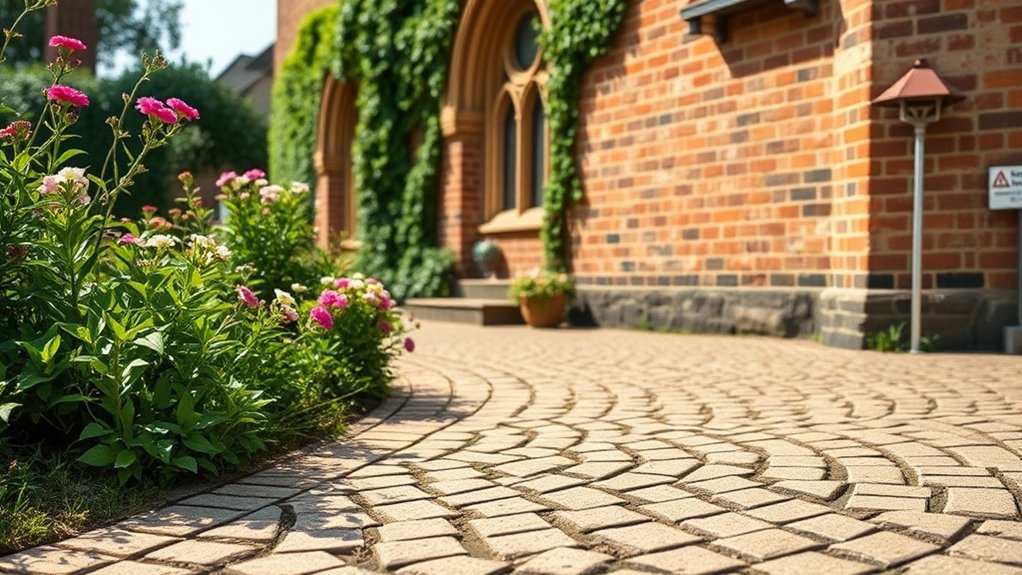
Transforming your front garden into a driveway can enhance your home’s appeal and functionality. However, if your property is a listed building or situated in a conservation area, you need to tread carefully.
These properties have historical significance, so it’s essential to consult your local planning authority before making any changes. Alterations could compromise the building’s architectural integrity and that of the surrounding area.
While using permeable materials like resin bound surfaces might be more acceptable, you still require explicit approval to ensure they fit with heritage aesthetics.
Not obtaining the necessary permissions can result in enforcement actions, such as fines or demands to revert to the original condition. Always check local regulations to protect your investment and maintain your property’s value.
Building Regulations and Installation Standards

When planning to install a resin bound driveway, it’s important to be aware of the relevant building regulations and installation standards. Generally, you won’t need approval if the ground level around your property remains the same.
However, if you’re making significant changes to the ground levels, it’s advisable to check with your local council for compliance.
Ensuring that your driveway meets sustainable drainage standards (SuDS) is crucial, as resin bound surfaces are permeable and help reduce water runoff.
Following installation standards, like using quality materials and adhering to British Standards for slip resistance, will ensure durability and safety.
It’s wise to hire experienced contractors who understand these regulations to ensure your driveway is compliant and protects your investment.
Size Thresholds for Driveway Surfaces

When considering size thresholds for your driveway surface, it’s important to distinguish between permeable and non-permeable materials, as this can influence your planning permissions.
Local councils have specific guidelines that may affect your choices, regardless of size limits. For instance, using permeable materials like gravel or permeable block paving can help with drainage and may not require planning permission, while non-permeable surfaces like concrete or tarmac might.
Being aware of these factors will help you make informed decisions that adhere to regulations and improve your property.
Permeable Vs Non-Permeable
Understanding the differences between permeable and non-permeable driveway surfaces is crucial, particularly due to planning permission requirements linked to size thresholds. Permeable driveways, such as those made from gravel or permeable concrete, allow rainwater to drain into the ground, helping to reduce flooding and pollution. This can be especially beneficial in areas prone to heavy rainfall.
On the other hand, non-permeable surfaces, like standard concrete or tarmac, may require planning permission if they cover more than 5 square metres. Here’s a quick overview:
| Surface Type | Planning Permission Required |
|---|---|
| Permeable (e.g., gravel) | No (if draining to a permeable area) |
| Non-permeable | Yes (if over 5 square metres) |
| Permeable Concrete | No (if draining to a permeable area) |
| Porous Asphalt | No (if draining to a permeable area) |
| Non-permeable with drains | Yes (if over 5 square metres) |
Opting for permeable materials not only aligns with local regulations but also supports environmental sustainability.
Size Limitations Explained
Choosing the right size for your driveway is crucial, as exceeding certain limits may require planning permission. In Nottinghamshire, if your driveway covers more than 5 square metres, you’ll probably need to apply for permission.
Typically, residential driveways should be between 3.0 and 5.5 metres wide, and if your driveway is longer than 25 metres, it must include turning space.
These rules not only ensure compliance but also improve the look of your driveway and ensure it lasts longer. Following these size guidelines helps maintain road safety and smooth traffic flow, which is important for both homes and businesses.
Plan your driveway carefully to avoid complications and ensure a smooth installation process.
Local Authority Considerations
Local authorities are crucial in regulating driveway installations, especially regarding size limits for surfaces. It’s important to understand the processes involved in your planning application. In Nottinghamshire, the size of your driveway can affect whether you need permission, particularly if you’re changing access to classified roads.
| Driveway Size | Planning Permission Required |
|---|---|
| Up to 5m² | No |
| 5m² to 20m² | Yes (if altering access) |
| Over 20m² | Yes |
| Classified Roads | Yes |
| Additional Elements | Yes (e.g., gates, fences) |
Keep in mind that each district council has its own set of rules. Always check with your local authority to ensure you’re compliant and to avoid any legal issues.
Environmental Benefits of Resin Bound Driveways

When choosing a driveway, many homeowners prioritise appearance, but the environmental benefits of resin bound surfaces are just as important.
These permeable driveways allow rainwater to seep through, reducing surface water runoff and the risk of flooding. This natural drainage helps maintain groundwater levels and supports local ecology.
Resin bound surfaces also reflect sunlight, which helps to cool urban areas and reduce energy consumption. They’ve a long lifespan and often incorporate recycled materials, cutting down on waste and resource use.
Maintenance Considerations for Resin Surfaces

Opting for a resin bound driveway not only boosts your property’s visual appeal but also demands regular maintenance to ensure its durability.
It’s important to clean your driveway 3-4 times a year to remove debris; a stiff broom works best to prevent scratches. For a deeper clean, use a jet washer on a low setting.
Weed control is crucial; although resin surfaces are resistant to weeds, any that do appear should be removed promptly, ensuring you pull out the roots.
Keep an eye out for moss, particularly in shaded spots, and apply biodegradable treatments if needed.
Frequently Asked Questions
Can I Install a Resin Bound Driveway Myself?
Yes, you can install a resin bound driveway yourself. Just make sure to prepare the base properly and use high-quality materials. Look up DIY installation techniques and follow helpful tips to ensure your driveway lasts and avoids common mistakes. For example, ensure the surface is clean and level before you start, as this will prevent issues down the line.
How Long Does a Resin Bound Driveway Last?
A resin bound driveway can last between 15 to 30 years, depending on the quality of the resin and the installation. To ensure it stands the test of time, it’s important to maintain it properly. This includes regular cleaning and resealing every five years to keep it in top shape.
What Colors Are Available for Resin Bound Driveways?
Resin bound driveways come in a variety of colours, including popular options like anthracite and terracotta. You can achieve a distinctive appearance by mixing different aggregates and pigments to match your personal style.
Are There Any Warranties for Resin Bound Driveways?
Yes, there are warranty options for resin bound driveways! Typically, you can expect warranties ranging from 5 to 30 years, covering both the durability of the resin and the workmanship. This means you’re protected against issues like cracks and loose stones. When selecting a contractor, be sure to ask about the warranty details to ensure you’re making a wise investment for your property.
Can I Install a Resin Bound Driveway Over Existing Concrete?
Yes, you can install a resin bound driveway over existing concrete. Just ensure you prepare the concrete properly and use effective resin installation techniques for strong adhesion and durability. This makes it a practical and cost-effective solution for upgrading your driveway.
Conclusion
Resin bound driveways are an attractive and practical choice for homeowners. In Nottinghamshire, they typically do not require planning permission, but it’s crucial to check local regulations before proceeding. These surfaces are permeable, allowing water to drain through, which helps with drainage and reduces flooding risk. By choosing a resin bound driveway, you’re opting for a stylish solution that also supports environmental sustainability. Make sure to stay informed and enjoy a beautiful driveway that meets local guidelines.

To tarmac your driveway, you might need permission—discover the key factors that could affect your project and avoid costly mistakes.

Compare resin and concrete driveways to discover which option provides superior durability and value, but the answer may surprise you.

The rise of resin-bound driveways is transforming outdoor aesthetics, but what hidden advantages might make them the perfect choice for Read more