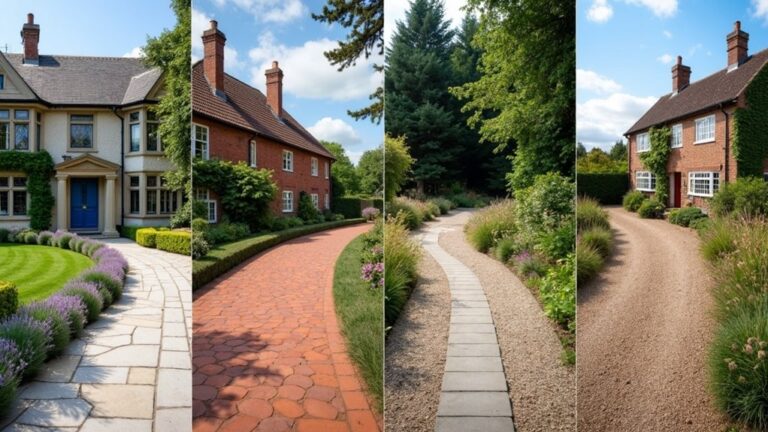

Common Reasons Planning Applications Are Rejected
Planning applications in the UK can often be rejected for several key reasons. Incomplete documentation, such as missing signatures or unclear drawings, can invalidate your submission. Conflicts with local and national policies are also significant, particularly if your proposal does not meet community needs. Additionally, potential negative impacts on neighbouring properties, such as privacy issues and noise, are critical factors. By understanding these common pitfalls, you can significantly enhance your application process and improve your chances of success.
Key Takeaways
- Incomplete or inaccurate documentation, such as missing signatures and unclear plans, greatly increases the chances of your application being rejected. For example, a missing site plan could lead to confusion about the proposal’s specifics.
- Applications that do not align with local and national planning policies, like zoning regulations, often face high refusal rates. If your proposal violates these guidelines, it’s likely to be turned down.
- Adverse effects on neighbouring properties, such as loss of privacy or increased noise, can trigger objections and lead to rejection. If your project overlooks these concerns, it may not gain support.
- Poor community engagement and an inability to address local infrastructure needs can weaken your application’s backing and result in rejection. It’s essential to demonstrate how your proposal benefits the community.
- Failing to adequately consider environmental impacts, traffic flow, and design compatibility with the surrounding area can lead to application refusals. For instance, a poorly designed building that clashes with the local aesthetic may face significant opposition.
Incomplete or Incorrect Application Documentation

When submitting a planning application, ensuring your documentation is complete and accurate is crucial; otherwise, you risk rejection. Incomplete or incorrect documents can cause significant delays. For instance, missing signatures or an invalid certificate of ownership can invalidate your application. Similarly, unclear plans and drawings can lead to confusion, reducing your chances of approval. Make sure to include all necessary supporting documents, such as the Design and Access Statement; otherwise, your application will be deemed incomplete. Don’t forget to check your fee payment, as incorrect amounts can lead to outright rejection. Moreover, it’s essential to be aware that in 2022, there were 73,515 planning applications rejected in the UK, highlighting the importance of thorough preparation.
Conflict With Local and National Planning Policies

When you submit a planning application, it’s crucial to ensure it aligns with local authority policies and the National Planning Framework. Conflicts with these guidelines can create major obstacles, increasing the risk of your proposal being turned down. For example, not addressing local community infrastructure needs can significantly reduce your chances of getting approval. Therefore, it’s important to take a comprehensive approach to policy compliance. Additionally, it’s worth noting that 60% higher rates of refusal are seen in councils with no overall control, which can further complicate approval processes.
Local Authority Policies
Local authority policies play a crucial role in the success of planning applications, as they need to align with both local and national planning guidelines. It’s essential to ensure your proposal complies with the local plan, as applications that contradict zoning designations face a high risk of refusal. For example, trying to build residential properties in an industrial zone is unlikely to be approved. Additionally, it’s important to provide a strong design justification. Local authorities expect detailed design statements that reflect the character of the area and use appropriate materials. Proposals that overshadow or negatively affect neighbouring properties are also more likely to be rejected. Ignoring local design codes can lead to immediate refusals as well. Furthermore, many local authorities in London and South East England exhibit some of the lowest approval rates, making adherence to planning policies even more critical.
National Planning Framework
Conflicts between local planning policies and the National Planning Framework (NPPF) can severely impact the success of your planning application.
The NPPF enforces mandatory housing targets, which limits local planning flexibility and increases the chances of rejection if local plans fall short. If your application doesn’t align with the NPPF’s presumption in favour of sustainable development, it’s more likely to be refused, especially if local authorities can’t demonstrate adherence to national policies.
Ambiguities in the NPPF, such as unclear definitions of “green belt,” can complicate matters further, leading to uncertainty and potential rejection.
Additionally, failing to engage with neighbouring authorities on strategic issues could result in non-compliance, leaving your application vulnerable to rejection due to statutory duties.
Community Infrastructure Requirements
When navigating planning applications, it’s crucial to understand how community infrastructure requirements can clash with local and national planning policies.
Poor community engagement often results in proposals being rejected, particularly when local residents feel sidelined. This is especially relevant for indigenous communities, where insufficient consultation can lead to strong opposition.
Conflict can also arise when proposals ignore established land use planning processes, putting agricultural land at risk and compromising infrastructure sustainability.
If a proposal doesn’t align with cross-sector recovery plans, it can create inconsistencies that breed distrust within the community.
To secure approval, it’s important to address community concerns early on, maintain transparency, and ensure your proposal aligns with existing policies.
This approach helps build support and reduces the likelihood of conflicts.
Negative Impact on Neighbouring Properties

When submitting a planning application, it’s crucial to consider how your proposed development could negatively affect neighbouring properties.
Issues such as loss of privacy, overshadowing, and increased noise or traffic can lead to objections, making the approval process more challenging.
For example, if your development blocks sunlight to a nearby garden or creates excessive noise, residents are likely to voice their concerns.
Proactively addressing these issues can strengthen your application and help maintain good relations with local residents.
Privacy Concerns and Overlooking
Overlooking can significantly compromise the privacy of neighbouring properties, often leading to tensions between developers and local residents.
When assessing planning applications, authorities place a strong emphasis on privacy rights, frequently rejecting proposals that infringe upon these rights.
Key aspects to consider include:
- Adherence to overlooking regulations, which usually stipulate minimum distances between buildings.
- The possibility of direct sightlines into private gardens or outdoor spaces, which raises privacy concerns.
- The effects of high-density developments, where buildings are closely spaced together.
- The need for screening solutions, such as obscure glazing, to reduce privacy loss.
Ignoring these factors can lead to appeals or refusals of planning applications.
Since overlooking is a common objection, it’s crucial for developers to proactively address privacy issues to ensure community acceptance and avoid disputes.
Natural Light and Overshadowing
Natural light and overshadowing significantly affect the livability of nearby properties. When submitting a planning application, it’s important to note that local authorities typically require assessments of daylight and overshadowing to evaluate potential impacts on adjacent homes and gardens.
Adhering to BRE guidelines is crucial; failing to do so can result in refusal of your application. For example, if your development casts shadows over a neighbour’s garden, it could limit their access to sunlight, which is a key consideration for planning authorities.
Computer simulations can be used to analyse how your project may impact natural light for neighbours. If your application is rejected, solid evidence from these assessments can bolster your appeal.
Ultimately, protecting amenity spaces is a top priority for planners, so you may need to make design changes to address overshadowing concerns effectively.
Noise and Traffic Disturbance
Noise and traffic disturbances are crucial factors in planning application assessments, as they can significantly affect the quality of life for local residents.
To improve your chances of approval, consider these effective strategies for noise reduction and traffic management:
- Use quieter machinery and limit working hours to minimise noise.
- Design buildings to reduce noise exposure by carefully considering their orientation.
- Incorporate natural landscaping, such as trees and shrubs, to absorb sound.
- Develop traffic management plans that alleviate congestion and noise during busy periods.
Planning authorities often reject applications if noise levels exceed acceptable limits or if disturbances negatively impact community wellbeing.
Environmental and Ecological Concerns
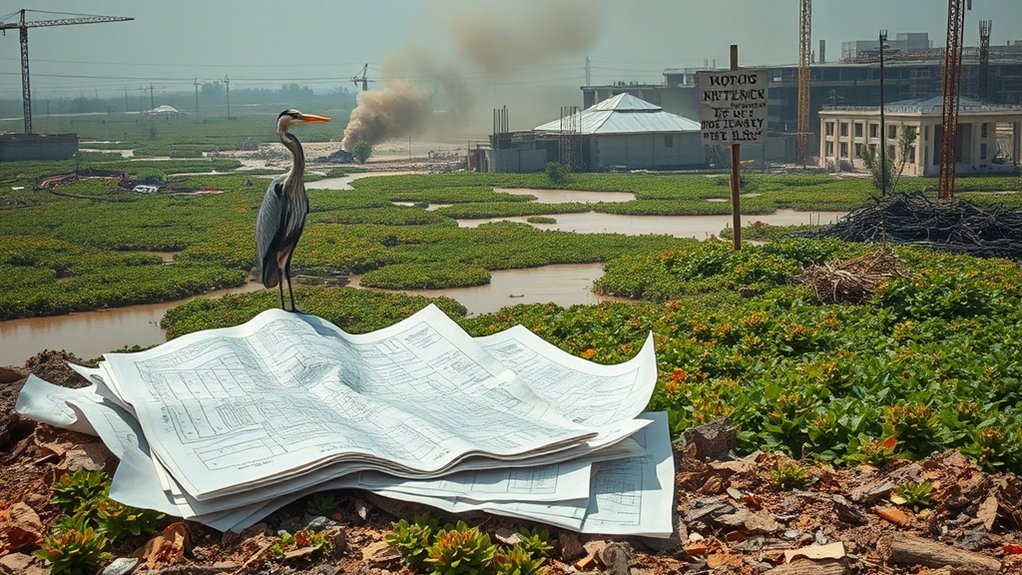
When submitting planning applications, it’s crucial to prioritise environmental and ecological concerns, as these can significantly impact the success of your proposal. Applications may be rejected if they threaten protected species or important habitats.
Conducting biodiversity assessments and early ecological surveys is vital to identify potential issues and mitigate risks.
With the introduction of Biodiversity Net Gain (BNG) requirements, you must ensure that your development enhances local biodiversity.
Additionally, inadequate flood risk management or neglecting climate change effects can lead to refusals. Consulting guidelines from the Environment Agency and Natural England will help you navigate these challenges.
Access, Traffic, and Parking Issues

Access, traffic, and parking issues are vital considerations that can significantly impact your planning application.
To enhance your chances of approval, focus on the following key areas:
- Ensure smooth traffic flow to minimise congestion and maintain safety.
- Create safe pedestrian access and crossings to improve connectivity.
- Adhere to local parking regulations to prevent overflow onto neighbouring streets.
- Develop effective parking management plans for both the construction phase and after the development is completed.
Ignoring these factors can lead to strong objections, particularly if your proposal puts pressure on local infrastructure.
Always illustrate how your design fits with current traffic patterns and pedestrian pathways.
Failure to Protect Local Amenities and Infrastructure

Planning applications can be turned down not just for traffic and parking issues, but also if they threaten local amenities and infrastructure. If your proposal fails to safeguard community facilities or overlooks necessary infrastructure improvements, you can expect resistance from local authorities. They need assurance that your development won’t overburden existing services or compromise the character of the area.
| Issue | Requirements | Potential Consequences |
|---|---|---|
| Loss of Community Amenities | Marketing reports, viability assessments | Concerns about viability |
| Increased Infrastructure Demand | Plans for infrastructure upgrades | Possible application rejection |
| Cumulative Development Impact | Assessment of the effects of multiple developments | Strained local services |
| Environmental Considerations | Sustainability measures and impact assessments | Higher risk of rejection |
| Ignoring Local Needs | Community surveys and feedback | Community dissatisfaction |
Make sure your application addresses these issues to improve its chances of being approved.
Inadequate Design and Aesthetic Considerations

Inadequate design and aesthetic considerations can seriously jeopardise your planning application, particularly if your proposal strays from local regulations or community standards.
To ensure your design is coherent and aesthetically pleasing, consider the following:
- Proposals that violate local guidelines regarding size and materials risk rejection.
- Designs that don’t reflect the character of the neighbourhood are unlikely to receive approval.
- Drawings that misrepresent scale can lead to misunderstandings about your intentions.
- A comprehensive Design and Access Statement is crucial for meeting compliance requirements.
Non-Compliance With Building Regulations

When submitting a planning application, it’s crucial to comply with building regulations, as any mistakes can lead to substantial rejections.
For example, structural issues like foundation cracks or weak load-bearing walls can threaten the viability of your project. If you engage unlicensed contractors or skip necessary inspections, you risk non-compliance and possible structural problems.
Electrical hazards, such as faulty wiring or inadequate earthing, present serious safety risks. Not employing qualified electricians or failing to secure the required permits could delay your project and result in fines.
To avoid these pitfalls, keep thorough records and ensure you follow all relevant regulations. This will help streamline the approval process and protect your investment. Additionally, be aware that upcoming driveway construction laws will further impact compliance requirements and design standards.
Frequently Asked Questions
How Can I Improve My Planning Application Before Submission?
To enhance your planning application, ensure all documentation is complete and accurate. Conduct thorough site assessments, taking into account environmental issues and local policies. If you need to deviate from regulations, provide strong justifications to support your proposal. For instance, if you’re proposing a building that exceeds height restrictions, clearly explain how it benefits the community or aligns with local development goals. This approach will strengthen your application and increase your chances of approval.
What Are Common Misconceptions About Planning Application Rejections?
Many people have misconceptions about planning applications, leading to unrealistic expectations. For instance, some believe that objections from neighbours will always determine the outcome, or that just because a similar project was approved in the past, theirs will be too. This can result in disappointment. It’s crucial to understand that the decision-making process for planning applications is complex and considers various factors beyond just objections or previous approvals.
How Long Does the Planning Application Review Process Typically Take?
Ever felt like waiting for a train that keeps getting delayed? The planning application review process can range from weeks to months, influenced by various review stages. The complexity of each project can significantly affect how long you’ll be waiting.
Can I Appeal a Rejected Planning Application?
Yes, you can appeal a rejected planning application. The appeal process usually starts within 4 to 6 months of the decision, so it’s important to stick to this timeline to improve your chances of a successful outcome. For example, if your local council denies your application for a new extension, you can challenge that decision by submitting an appeal during this period.
What Resources Are Available for Understanding Local Planning Regulations?
To understand local planning regulations, local planning guides and online resources are invaluable. These tools provide essential information and strategies to help you make informed decisions and engage effectively with your community during the planning process. For instance, checking your local council’s website can offer insights into planning policies and upcoming consultations.
Conclusion
When it comes to planning applications, it’s often the small details that can lead to rejection. You might believe that a unique design can win over local authorities, but that’s not always the case. It’s essential to understand that success in planning isn’t just about your vision; it’s about how well you adhere to local regulations. Ironically, the guidelines intended to encourage development can often become your greatest obstacle. For instance, if your proposed building height exceeds local limits or doesn’t blend with the surrounding architecture, it’s likely to be turned down. Always keep the rules in mind to improve your chances of approval.

Not only do Sustainable Urban Drainage Systems (SUDS) enhance driveways, but they also play a crucial role in managing urban Read more

Pondering the various driveway laws across the UK? Discover the essential differences that could impact your next home project.

Knowing whether you need planning permission for a resin driveway in Nottinghamshire can save you time and hassle—discover the key Read more