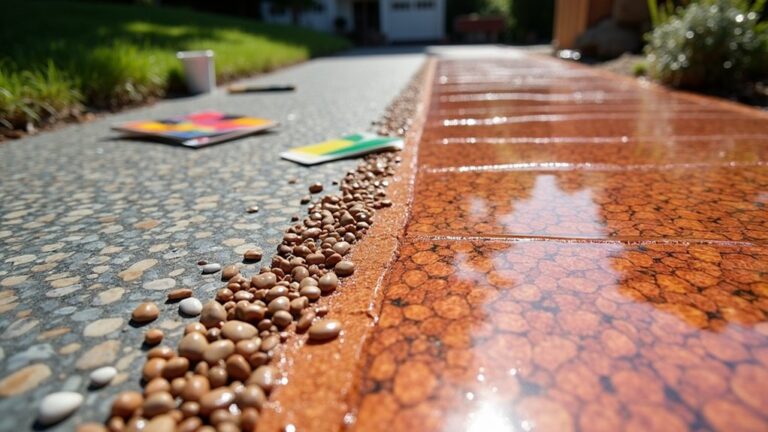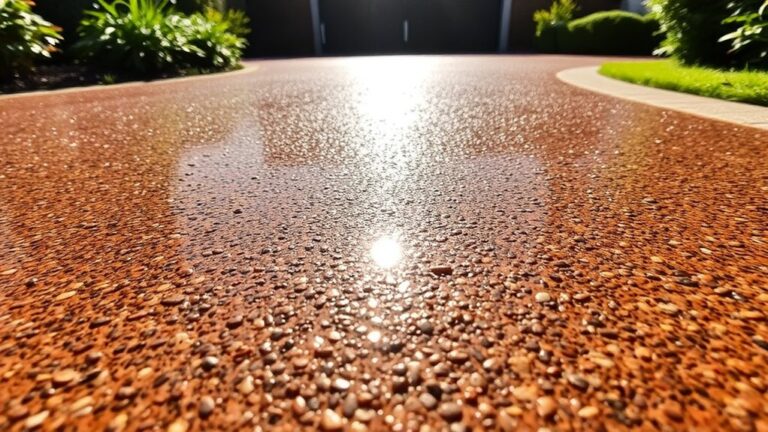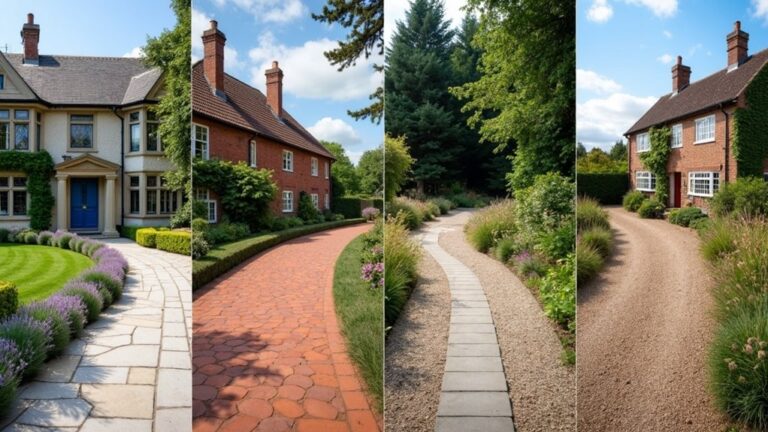

What Size Resin Driveway Needs Permission in Nottinghamshire?
In Nottinghamshire, you need planning permission for a resin driveway that is larger than five square metres if it uses non-permeable materials. If your driveway is made from permeable surfaces, you can install it without needing permission, provided it meets local regulations. It’s crucial to ensure proper drainage to avoid any runoff issues. Familiarising yourself with your project’s specifics and local guidelines will help ensure compliance and a smooth installation process. There are important details to consider and common pitfalls to avoid.
Key Takeaways
In Nottinghamshire, driveways under five square metres usually don’t need planning permission. However, if your driveway is larger than five square metres and non-permeable, you will generally require permission. On the other hand, permeable resin bound driveways can typically be installed without permission, no matter the size.
Always check your local regulations, as they may differ from national guidelines on driveway installations. For specific requirements and guidance, it’s best to contact Nottinghamshire County Council.
Understanding Planning Permission for Driveways
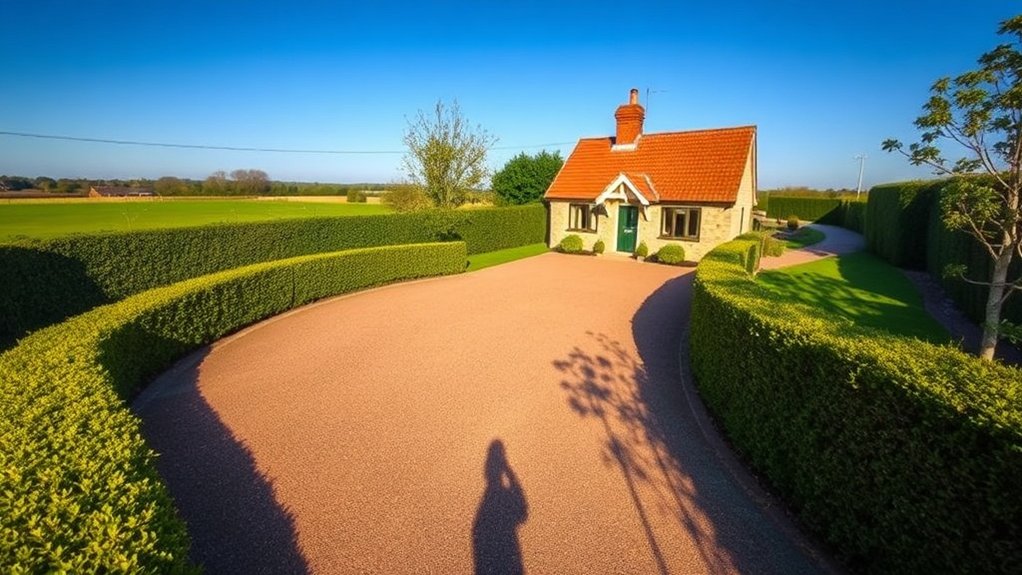
When installing a driveway, understanding planning permission is crucial to ensure you comply with local regulations and avoid fines.
Generally, driveways under five square metres don’t require permission. However, if your driveway is larger and uses non-permeable materials, you’ll likely need approval. This isn’t just about looks; it also affects maintenance. Using permeable materials can often help you bypass these requirements, making upkeep easier. Always check your local regulations for any exemptions, especially if you’re redirecting rainwater. Compliance with drainage guidelines is essential for reducing flood risk and managing surface runoff effectively. Additionally, ensuring your driveway is permeable to comply with Sustainable Drainage Systems (SuDS) regulations can prevent potential legal complications.
Contacting your council can help clear up any doubts, ensuring your project adheres to planning laws while boosting your home’s curb appeal.
Taking these steps protects your investment and prevents future issues.
The Importance of Permeability

When choosing your driveway, permeability is crucial for environmental sustainability and managing flood risk.
Opting for permeable materials helps reduce surface water runoff and promotes groundwater recharge, which can prevent flooding. Additionally, increased rainfall from climate change makes it even more essential to select surfaces that allow for effective drainage. These benefits are important to consider as they can influence your choices and ensure your driveway aligns with local regulations and environmental objectives. Permeable surfaces, like gravel driveways, also provide excellent drainage capabilities, making them a practical choice for homeowners.
Benefits of Permeable Materials
Permeable materials, like porous asphalt and permeable concrete block paving, are vital in contemporary driveway design for effective water runoff management.
Here are the key benefits:
- Water Management: They significantly reduce surface water runoff, helping to prevent flooding and soil erosion. Additionally, the enhanced drainage capabilities of permeable tarmac contribute to this effective water management.
- Groundwater Replenishment: These surfaces allow rainwater to penetrate the ground, aiding in the replenishment of groundwater supplies. This process is essential for promoting groundwater recharge and maintaining a healthier ecosystem.
- Environmental Benefits: Permeable materials help combat the urban heat island effect and enhance overall water quality. Additionally, they promote effective drainage which is crucial for maintaining the longevity of the driveway.
- Cost Savings: By minimizing the frequency of repairs caused by water damage, they offer long-term financial benefits.
Using permeable materials not only improves your driveway’s functionality but also supports environmental sustainability, making them a wise choice for modern design.
Flood Risk Reduction Strategies
Traditional driveway materials can increase flood risk, but using permeable surfaces is a smart way to manage stormwater.
Materials like resin-bound gravel allow water to soak into the ground, reducing surface water runoff and preventing drainage systems from being overwhelmed. Incorporating drainage solutions such as soakaways and rain gardens can store and gradually release water, helping to reduce the risk of sudden flooding during heavy rain.
Opting for a permeable sub-base in your driveway design boosts water storage capacity and lessens flood impact.
In Nottinghamshire, regulations focus on permeability, so it’s essential to avoid impermeable surfaces that can worsen urban flooding and strain local watercourses. By prioritising permeable options, you not only comply with legal requirements but also contribute to more sustainable drainage solutions.
Size Requirements for Resin Driveways

Resin driveways are versatile when it comes to size, particularly between permeable and impermeable surfaces. Here’s what you need to know:
- Permeable surfaces can be installed in any size without needing planning permission.
- Impermeable surfaces require permission if they exceed 5 m² due to potential flood risks.
- For larger installations, proper subbase preparation is crucial, regardless of whether permission is required.
- Always check with local authorities for specific regulations, especially if your property is in a conservation area or has unique characteristics.
Keeping these points in mind will help you achieve a compliant and attractive driveway.
Non-Permeable Driveways and Planning Permission
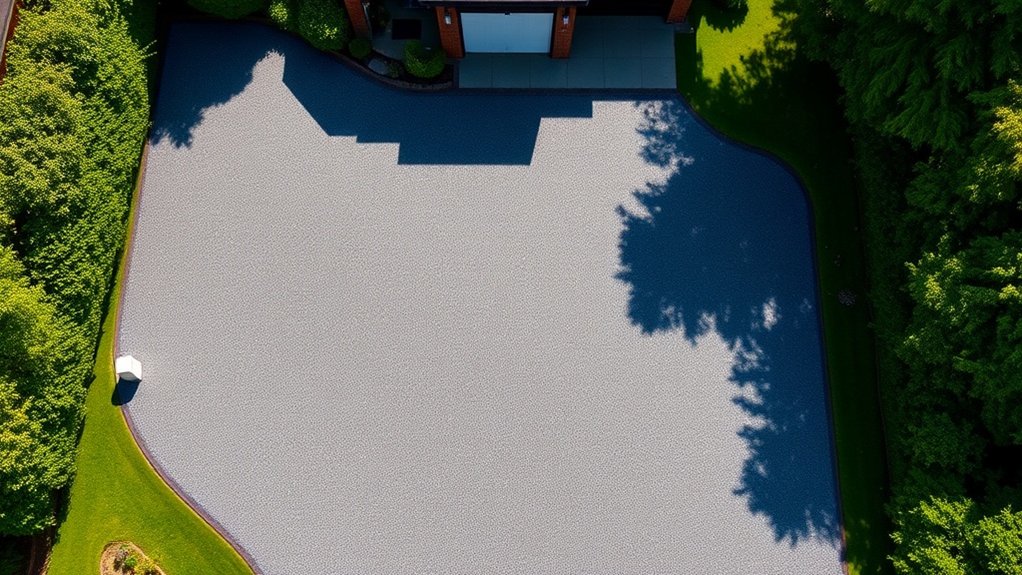
When planning a driveway, it’s important to know the rules regarding non-permeable surfaces, especially if your driveway is larger than 5 square metres.
Materials like tarmac and concrete are considered non-permeable and typically require planning permission due to concerns about increased surface water runoff and potential flooding.
If your driveway exceeds this size, you’ll need to submit a scaled application, pay a fee of around £150, and wait up to eight weeks for approval.
Ignoring this requirement could lead to fines or being instructed to reverse your work.
To help manage runoff, consider adding drainage solutions like soakaways, which might improve your chances of getting your application approved.
Always check with your local council for specific guidelines relevant to your property.
Benefits of Resin Driveways

With the growing demand for robust and attractive driveways, resin driveways emerge as a top choice. Here are the key benefits:
- Durability: Resin driveways can handle harsh weather, resist cracking, and maintain their structure for years.
- Low Maintenance: They require minimal upkeep; often, a simple pressure wash is all that’s needed.
- Aesthetic Appeal: Available in various colours and finishes, they can significantly boost your property’s curb appeal.
- Environmental Impact: Made from recycled materials, resin driveways promote sustainability and can enhance your property’s value by around 20%.
These features ensure a long-lasting investment while positively impacting the environment, making resin driveways an excellent option for your home.
Sustainable Drainage Solutions
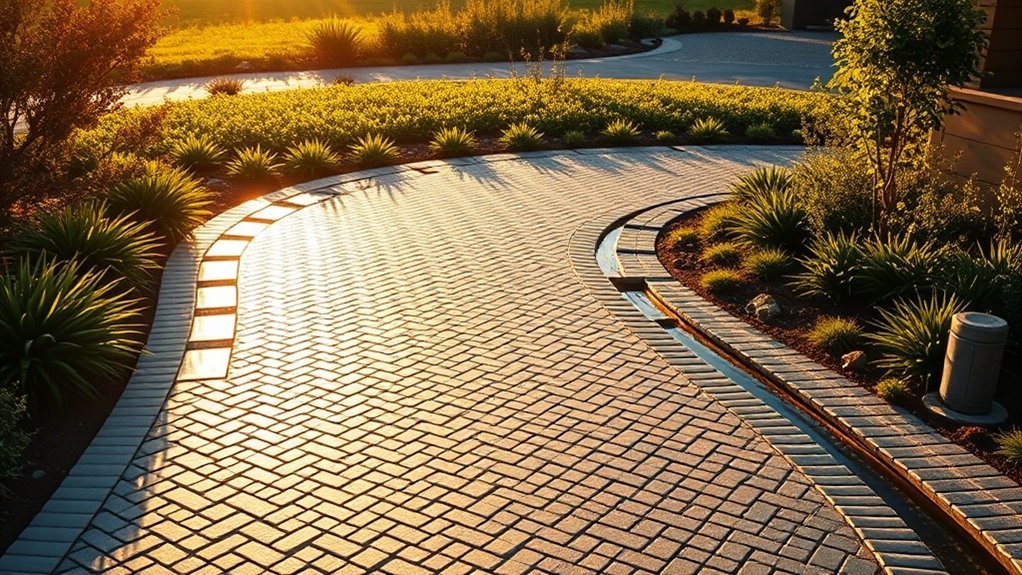
When choosing a resin driveway, selecting permeable surfaces can greatly reduce flood risks.
These surfaces meet Sustainable Drainage Systems (SuDS) regulations, allowing water to seep through and reducing surface runoff.
By incorporating permeability into your driveway design, you enhance safety and contribute to environmental sustainability.
For example, a permeable driveway can help prevent water pooling during heavy rain, making your home safer and more eco-friendly.
Benefits of Permeable Surfaces
Permeable surfaces are an effective solution for managing stormwater, especially in urban areas. They offer several environmental benefits when sustainable materials are used.
Here are four main advantages:
- Reduces Stormwater Runoff: By allowing water to seep through, permeable surfaces ease the burden on drainage systems and improve water management.
- Enhances Water Quality: These surfaces filter out pollutants from rainwater, leading to cleaner groundwater.
- Mitigates Urban Heat: They can help lower temperatures in cities by promoting water infiltration.
- Cost-Effective: Over time, they can save you money by reducing potential repair costs related to water damage.
Installing permeable surfaces not only aids the environment but also fosters sustainable practices in your community.
Flood Risk Reduction
Effective flood risk reduction in Nottinghamshire involves using Sustainable Drainage Solutions (SuDS), especially for new impermeable surfaces like resin driveways.
If your driveway is larger than 5 square metres, it’s crucial to consider flood management strategies that control runoff.
SuDS components, such as permeable resin mixes and soakaways, are vital for managing surface water runoff and reducing flood risks. These solutions help prevent excess water from overwhelming public drainage systems, in line with local flood management strategies.
By adding features that temporarily store excess water, you can further minimise the risk of flooding.
If on-site solutions aren’t possible, you may need to explore off-site contributions to assist with wider runoff control efforts required by Nottinghamshire authorities.
Compliance With Suds
To ensure compliance with Sustainable Drainage Solutions (SuDS) for resin driveways in Nottinghamshire, developers must follow a clear framework that aligns flood risk management with local planning rules.
Here are the key points to consider:
- SuDS are required for major developments over 1 hectare or those located in flood zones.
- Follow the sequential discharge hierarchy: soakaway first, then watercourse, and finally mains drainage.
- Carry out site investigations, including infiltration tests, to determine the feasibility of SuDS.
- Make sure your runoff management plans cover maintenance, adoption, and enhancing biodiversity.
Local Regulations in Nottinghamshire

When planning your resin driveway in Nottinghamshire, it’s important to be aware of local regulations.
If your driveway is larger than 5 square metres and uses non-permeable resin materials, you’ll generally need planning permission. In contrast, resin bound driveways are usually permeable and can be installed without permission as long as they stay within that size limit.
However, if your driveway doesn’t have proper drainage, you may still need permission to avoid issues with water runoff.
Always check the specific requirements from Nottinghamshire County Council, as these can differ from national guidelines.
It’s also wise to ensure your installation meets British Standards, as this not only enhances safety but may also prevent the need for retrospective permissions.
Proper drainage is key to staying compliant with local codes.
Conservation Areas and Listed Buildings

If you’re thinking about installing a resin driveway in Nottinghamshire, it’s important to be aware that conservation areas and listed buildings come with stricter rules to maintain their historic charm.
Here are some key points to consider:
- Your driveway should enhance the look and character of the conservation area.
- Any work visible from public spaces usually needs permission to evaluate its impact on the area.
- For listed buildings, you’ll need specific approval for any changes that affect their character, including the type of driveway material used.
- Opting for permeable materials is a good choice for conserving heritage, as non-permeable surfaces often require planning permission.
Understanding these regulations will help you successfully install your driveway while respecting the unique character of the area.
Specific Guidelines From Local Authorities

When planning your resin driveway, it’s crucial to be aware of the specific guidelines from local authorities in Nottinghamshire.
These regulations include considerations for conservation areas and the planning permission process, which can significantly impact your project.
For example, if your property is in a conservation area, you may need to seek permission before proceeding.
Always consult the local guidelines to ensure compliance and avoid any delays.
Local Authority Regulations
Local authorities in Nottinghamshire have straightforward guidelines for resin driveways, making it easier for homeowners to understand regulations.
Here are the key points to consider:
- Planning Permission: Typically, you won’t need permission for resin driveways, no matter the size, unless the surface is impermeable and over 5 square metres.
- Building Standards: Ensure your driveway complies with BS 8204-6:2008+A1:2010 for slip resistance.
- Drainage Requirements: Use permeable surfaces to meet Sustainable Urban Drainage System (SUDS) standards, which help reduce surface water runoff.
- Material Quality: Opt for high-quality resin and aggregates to ensure durability and compliance with national standards.
Always check with your local authority for any specific concerns or planning conditions that might affect your property.
Conservation Area Considerations
Navigating driveway permissions in conservation areas can be complex due to regulations aimed at preserving historical and architectural features.
Even small changes to your driveway may require approval under conservation restrictions. If you’re considering using permeable materials like resin-bound gravel, that’s a positive choice, as these are generally more acceptable.
However, be aware of tree protection laws—any work impacting trees with a trunk diameter over 75mm will need prior consent. Local councils often enforce strict measures to protect the area’s character and vegetation.
Always seek advice from conservation officers for guidance specific to your project.
Planning Permission Process
Understanding the planning permission process is crucial, particularly if your property is situated in a conservation area with specific regulations.
Here are some straightforward guidelines to help you navigate this:
- Driveway Size: If your driveway is non-permeable and exceeds 5 square metres, you’ll need to apply for permission.
- Material Choice: Consider using permeable materials, such as resin-bound surfaces, to bypass the need for permission entirely.
- Water Management: Ensure your driveway directs rainwater to natural drainage areas, in line with Sustainable Urban Drainage Systems (SUDS) regulations.
- Consult Local Authorities: It’s always a good idea to check with Nottinghamshire County Council for any specific requirements that may apply to your situation.
The Application Process for Planning Permission

When applying for planning permission for a resin driveway in Nottinghamshire, it’s important to determine if your surface material is permeable or impermeable. This affects your application significantly.
If your driveway is impermeable and larger than 5 square metres, you’ll need to adhere to specific submission guidelines.
Make sure your application includes accurate driveway measurements, proof of property ownership, and details about the surfacing material. Including site and drainage plans can strengthen your application by showing that you comply with Sustainable Drainage Systems (SuDS) regulations.
Here are some useful tips: submit your application via your local council’s website or the Planning Portal, and include evidence for sustainable drainage management to reduce the risk of rejection.
Consultation With Local Councils

Consulting with local councils is an essential step when planning your resin driveway in Nottinghamshire. Engaging with local authorities can provide important guidance and clarity.
Here are some key points to consider:
- Local Authority Guidance: Familiarise yourself with the planning laws and requirements specific to driveways in your area.
- Pre-Application Discussions: Check whether your project requires planning permission before you start.
- Contact Options: Reach out via phone, email, or visit council offices for quick answers to your questions.
- Public Consultation Events: Attend community engagement events to gather feedback on upcoming projects that may affect you.
Avoiding Common Pitfalls in Planning Applications

Navigating the planning application process for your resin driveway can be challenging, especially if you miss important requirements that could cause delays.
First, understand the distinction between resin bound and resin bonded surfaces; only resin bound is usually permeable and may not require planning permission.
Ensure you have the proper documentation from certified installers, as failing to prove permeability can lead to enforcement actions.
It’s also essential to consider local flood risks, especially in areas prone to flooding.
If you’re adding a new vehicle access point, remember to apply for a dropped kerb separately.
Frequently Asked Questions
Can I Install a Resin Driveway Myself Without Permission?
You can install a resin driveway yourself, but it’s essential to follow the guidelines closely. If you don’t, you might run into issues with drainage or permeability, which could result in expensive repairs down the line. For example, if the driveway isn’t properly installed, it could lead to water pooling, causing damage. Always double-check local regulations before starting, as you may need permission for certain installations.
What if My Driveway Is Adjacent to a Public Road?
If your driveway is next to a public road, you need to follow local regulations for driveways and public roads. Typically, if you use permeable surfaces, you won’t require permission, but it’s wise to check with your local council to ensure you’re compliant.
Are There Specific Color or Design Restrictions for Resin Driveways?
There are no specific colour or design restrictions for resin driveways in the UK. You have a wide range of colours and design patterns to choose from, enabling you to create a stylish and personalised look that adheres to local regulations. For instance, you could opt for a traditional gravel effect or a sleek contemporary finish, depending on your taste.
Can I Replace an Existing Driveway With a Resin One Without Permission?
In many cases, you can replace an existing driveway with a resin one without needing permission. It’s crucial to ensure proper drainage to prevent any water issues. For instance, if your driveway slopes towards your house, it could lead to problems. Following maintenance tips will help you get the most out of your resin driveway and extend its lifespan.
How Long Does the Planning Permission Process Typically Take?
The planning permission process usually takes around eight weeks. This includes essential steps such as submitting your application, validation checks, and public consultations. Keeping in touch with local authorities can help speed things up, ensuring your application meets all necessary requirements promptly. For instance, if you’re building an extension, responding quickly to any queries can prevent delays.
Conclusion
In Nottinghamshire, if your resin driveway is larger than five square metres and isn’t permeable, you will need planning permission. It’s important to know these requirements to avoid any potential issues later on. For instance, a small driveway for parking a single car may not require permission, but a larger area for multiple vehicles could. Always check with your local council to ensure you’re compliant, as this can save you time and trouble down the line. A proactive approach now can help make your driveway a valuable asset to your property.

To tarmac your driveway, you might need permission—discover the key factors that could affect your project and avoid costly mistakes.

Keen to transform your driveway? Discover the essential steps to expertly install a resin driveway and elevate your home's curb Read more

Incorporate essential tips for maintaining your resin driveway's longevity and appearance, ensuring it remains a stunning feature of your home. Read more