
Do You Need Permission To Tarmac A Drive
Whether you need permission to tarmac a drive hinges on several factors. If your driveway covers more than five square metres or is located in conservation areas, near listed buildings, or in areas with strict regulations, you'll likely need planning permission. Non-permeable tarmac often raises drainage concerns and may require extra scrutiny. Additionally, local authority guidelines vary, so consulting them is crucial. To comply, familiarize yourself with permissions related to size and drainage matters. There's much more to understand about the application process and your obligations, so exploring further will provide critical insights.
Key Takeaways
- Tarmacing a driveway larger than five square metres typically requires planning permission due to surface water drainage concerns.
- Properties in conservation areas or near listed buildings often need permission for any driveway modifications to preserve local character.
- Non-permeable tarmac surfaces may necessitate planning permission, especially in flood-prone areas, to mitigate runoff issues.
- Local authority guidelines vary; it's essential to consult them for specific regulations before tarmacing a driveway.
- Permitted Development Rights may allow some installations without permission, but conditions must be carefully reviewed.
Property Location Considerations
When considering whether you need permission to tarmac your drive, understanding the property location is vital. If your property lies within a conservation area, expect stricter regulations. Local authorities closely monitor exterior changes, including driveway installations, to preserve the neighborhood's character.
Often, specific guidelines dictate the materials and design of driveways. Deviating from these traditional looks may necessitate planning permission.
If your property is near a listed building, additional constraints apply. Here, the visual impact of your driveway must align with the surroundings of the listed structure. Local authorities enforce strict rules to maintain historical integrity, meaning any significant alterations also require approval.
Moreover, properties in designated zones, such as national parks, face unique regulations. These areas often have defined rules regarding exterior changes, emphasizing that planning permission is frequently required for any substantial modifications.
In all cases, complying with local guidelines is important for approval. Whether you're in a conservation area or near a listed building, knowing these property location considerations helps you navigate the complexities of driveway tarmacing efficiently.
Understanding these factors guarantees you respect both the aesthetic and historical significance of your surroundings.
Driveway Size Regulations
Understanding driveway size regulations is essential for homeowners planning to tarmac their driveways. Knowing the rules regarding driveway width and curb cuts can save you time, effort, and potential fines.
Here are some key points to keep in mind:
- The maximum driveway width in the front yard is usually 10 feet, increasing to 20 feet for wider lots.
- Single car driveways should measure between 9-12 feet, while double car driveways can span 20-24 feet.
- Most zoning lots are limited to one curb cut, which can't exceed 10 feet in width.
- Driveways in Thornton must maintain a 3-foot distance from the property line on the front side.
Additionally, if you plan multiple curb cuts, make sure they're spaced at least 16 feet apart.
Remember, your driveway must align with your garage or parking area and should respect setback requirements. Driveway material choices can also affect the overall cost and style of your project.
Understanding these regulations not only helps you design a functional space but also guarantees compliance with local guidelines. Always check with your local authority to confirm the specifics that apply to your property.
Surface Water Drainage Rules
Surface water drainage rules are essential for guaranteeing that your tarmac driveway won't negatively impact local drainage systems or adjacent properties. When constructing your driveway, you should consider how to manage surface runoff effectively. Proper design helps direct water away from roads and prevents flooding.
Here's a quick overview of key components for effective drainage systems:
| Component | Purpose |
|---|---|
| Crowning | Directs water to edges, preventing road flooding |
| Ditches/Culverts | Collects and channels surface water away |
| Drainage Pipes | Guarantees proper flow and prevents hazards |
| Channel Drainage | Manages driveway drainage effectively |
You must guarantee your driveway is constructed with these elements. For instance, the low point should align with the ditch centerline when crossing highways. Additionally, if your driveway exceeds 5m², a drainage study may be required to justify your system. Remember, local authorities prefer permeable surfaces to minimize surface runoff and flooding risks. Following these guidelines not only keeps your property safe but also complies with regulations to protect the surrounding environment. Furthermore, adopting permeable driveway surfaces can significantly enhance drainage efficiency and support ecological health.
Visual Impact Assessment
A Visual Impact Assessment (VIA) is crucial for evaluating how highway projects affect the environment and community aesthetics. This process helps in understanding the visual quality and community perception regarding new developments.
It involves examining potential impacts and engaging the public to gather insights on existing visual character. Key components of a VIA include:
- Purpose and scope: Evaluating visual impacts on the environment and community.
- Defining visual character: Documenting existing visual quality and area of visual effect (AVE).
- Examining visual impacts: Identifying sensitive areas and evaluating changes like new lanes or alignment.
- Mitigation strategies: Enhancing the visual experience while ensuring compliance with guidelines.
Through a VIA, you can better gauge how a proposed project aligns with community values and expectations. This examination not only influences project acceptance but also aids in mitigating adverse effects, ensuring a harmonious integration of highway projects into their surroundings.
Understanding Permitted Development Rights

While many homeowners may not realize it, Permitted Development Rights (PDRs) simplify the process of making certain alterations to your property without needing full planning permission.
These rights, granted by Parliament through the General Permitted Development Order, cover a range of permitted developments, including single-storey extensions, loft conversions, and small-scale driveways. However, you need to be aware of specific conditions and limitations attached to these rights.
For instance, properties in conservation areas or listed buildings face stricter regulations under PDRs. Additionally, flats and maisonettes often aren't covered due to the necessity of freeholder consent and potential impacts on neighbors.
Local authorities also have the power to impose restrictions through an 'article 4 direction', limiting your ability to execute certain developments.
When considering tarmacking a drive, verify that the total area of hard surfaces doesn't exceed 50% of your front garden or 5 square meters in designated areas. It's also important to consider that if you plan to install a dropped kerb, you may need to obtain planning permission to ensure compliance with local regulations.
Compliance with these planning exemptions is essential, and securing pre-application advice from your local planning authority can clarify whether full planning permission is needed.
Always conduct thorough research to navigate these regulations effectively.
Local Authority Guidelines
Local authorities play a significant role in determining the guidelines for tarmacking a driveway, as they implement regulations that can vary widely from one area to another. Understanding these local authority requirements is essential for compliance and avoiding unnecessary fines.
Here are some key considerations to keep in mind:
- Size and Coverage: In Dublin, tarmac driveways exceeding 25 square meters need planning permission. In the UK, driveways shouldn't cover more than 50% of the front garden area.
- Permeability and Drainage: Non-permeable tarmac may require planning permission due to drainage concerns, especially in flood-prone areas. Proper drainage solutions are important, as non-permeable surfaces like tarmac can exacerbate stormwater runoff issues.
- Location: Properties in conservation areas or near listed buildings often face stricter regulations, impacting your driveway design.
- Additional Permits: Modifications may require vehicular dishing permits in Dublin. Check for any other necessary approvals.
Each local authority has its own driveway design regulations, so it's important to consult your local council before starting any work.
Keep these factors in mind to guarantee your driveway project aligns with local guidelines and environmental considerations.
Application Process Overview

When considering tarmacking your driveway, understanding the application process is essential for complying with local regulations. Start by researching your local planning authority's guidelines; knowing the specific rules regarding tarmac driveways in your area is important.
Pay attention to regulations on permeability, size, and location, as they can vary markedly. If your property is in a conservation area or near a listed building, additional restrictions may apply.
Next, prepare detailed plans that include dimensions, materials, and drainage solutions. Accurate plans increase your chances of approval, so be thorough and precise. Professional advice can be invaluable at this stage, helping you address potential issues early on.
Once your plans are ready, complete the planning permission application form provided by your local authority and submit it along with your documentation. Make sure all required information is included to avoid delays.
Engaging with planning officers is key; their feedback can guide you through the process, and addressing queries promptly can make a substantial difference.
Finally, await the decision on your application. Be proactive in following up to maintain a smooth process, as neighbourhood feedback could influence the outcome.
Costs and Budgeting Factors
Understanding the costs and budgeting factors for tarmacking your driveway is essential for effective financial planning. Several elements influence the final price, including material costs and labor complexities.
- Size and Area: Larger driveways typically require more materials and labor, which increases costs, but the cost per square foot usually decreases as the size grows due to economies of scale.
- Material Quality: Cheaper materials may save money upfront but can lead to higher maintenance costs over time. Options like recycled asphalt can be more affordable.
- Labor Complexity: If your project involves excavation, leveling, or bespoke designs, expect labor costs to rise. Skilled workers are essential for these tasks, and labor can range from $3.50 to $11 per square foot.
- Additional Features: Custom elements such as heated driveways or drainage solutions can substantially inflate the overall budget. Heated systems, for example, can cost between $12 to $25 per square foot. Additionally, considering the environmental benefits of alternative driveway materials like resin can also impact your budget positively.
Common Misconceptions
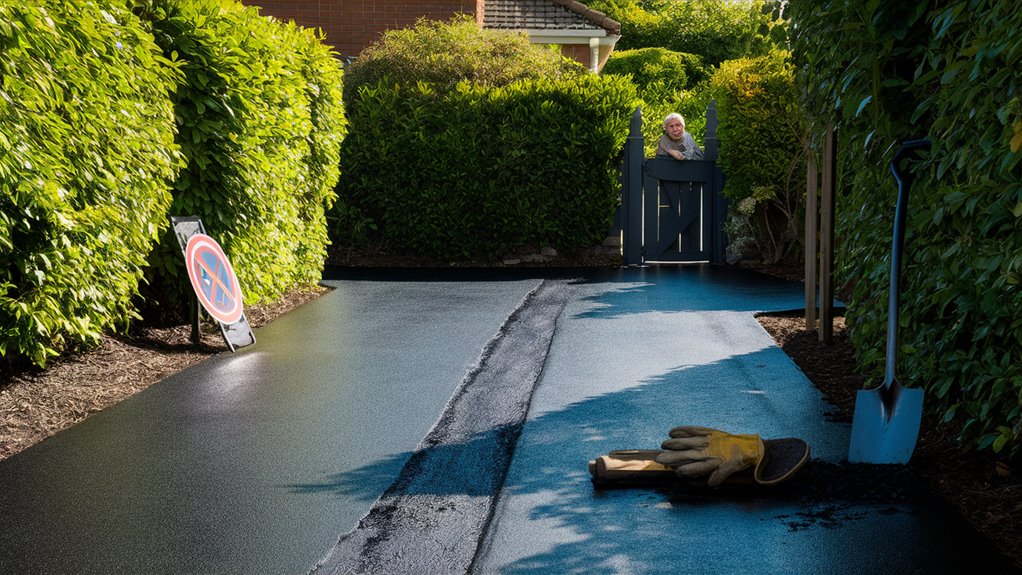
Many homeowners harbor misconceptions about tarmac driveways that can cloud their judgment when considering this option. One common belief is that tarmac is prone to cracking. In reality, tarmac durability is one of its strongest features; it's flexible enough to withstand temperature fluctuations without significant damage.
With proper installation, the risk of cracks diminishes greatly. A well-maintained tarmac driveway can last over 20 years, especially with regular upkeep like resealing and cleaning.
Another misconception is that tarmac requires constant maintenance. In truth, tarmac is one of the most low-maintenance driveway options available. While minor repairs, such as filling small cracks or potholes, may be necessary, these tasks are infrequent and straightforward.
Sealcoating and crack filling can be done quickly and at a low cost, requiring less attention than alternatives like gravel or block paving.
Understanding these aspects can help you make informed decisions about tarmac driveways, ensuring you appreciate their durability and manageable maintenance needs. By dispelling these myths, you can confidently explore tarmac as a viable option for your driveway.
Conclusion
In traversing the labyrinth of regulations for tarmacking your driveway, remember that knowledge is your compass. Understanding local guidelines and permitted development rights can illuminate your path, avoiding costly missteps. As you lay the asphalt, consider the environmental impact and drainage needs, ensuring your driveway is not just a surface, but a seamless part of your home's landscape. With careful planning and awareness, you can create a functional space that enhances both your property and peace of mind.

The Dilemma of Homeowners One of the most common and frustrating issues that homeowners face is driveway cracks. These cracks Read more

We all have an idea of how we want our driveways to look; whether it's the feel of a smooth Read more
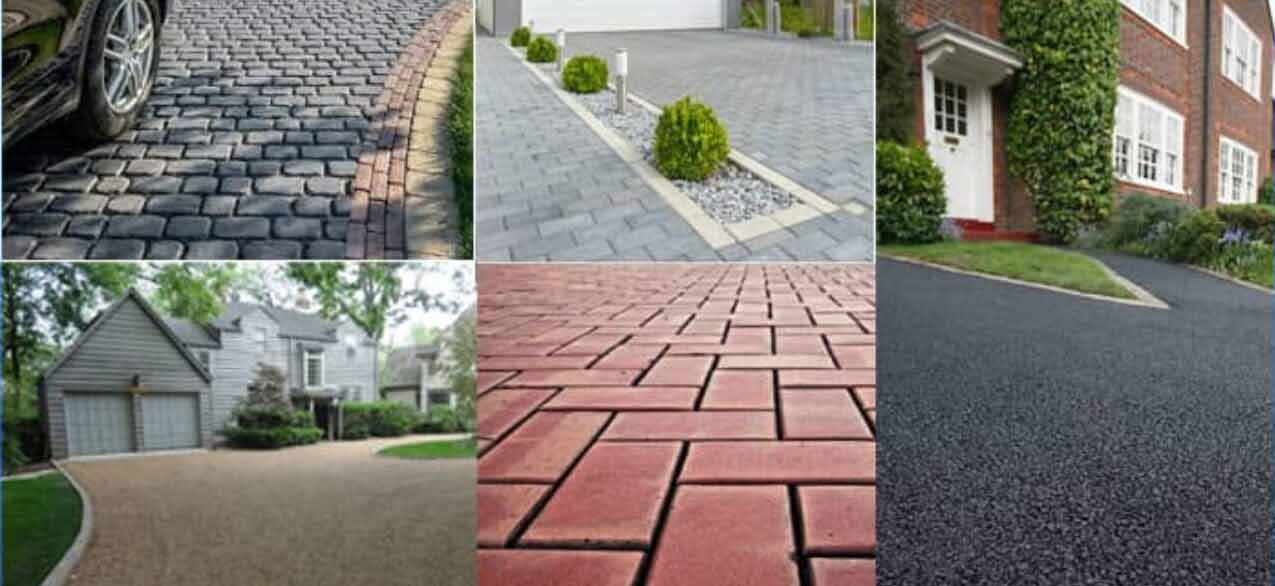
We all know that the driveway is one of the most important features of any home. It sets the tone Read more