
What Is SUDS and Why Does It Matter for Driveways?
Sustainable Urban Drainage Systems (SUDS) are crucial for managing surface water runoff in urban areas, especially for driveways that can exacerbate these issues. By using permeable materials and incorporating green features, SUDS facilitate better water infiltration, reduce the risk of flooding, and enhance water quality. They also promote local wildlife. Integrating SUDS into your driveway design can greatly improve stormwater management. Explore how SUDS can reshape urban spaces and tackle stormwater challenges effectively.
Key Takeaways
Sustainable Urban Drainage Systems (SUDS) are essential for managing surface water runoff in urban areas, helping to prevent flooding and improve water quality. For driveways, SUDS use permeable materials to allow water to soak into the ground rather than running off, which helps recharge groundwater supplies.
Incorporating plants and bio-filtration techniques within SUDS can effectively filter out pollutants, ensuring that the water entering local rivers and lakes is cleaner. Regular upkeep is key to keeping SUDS functioning properly, requiring routine inspections and cleaning.
Engaging the community and working with professionals is vital for the successful design and implementation of SUDS. This collaboration ensures that local needs are addressed and that all regulations are followed.
Understanding Sustainable Drainage Systems (SUDS)

As urban areas grow, it’s vital to understand Sustainable Drainage Systems (SUDS) for managing surface water effectively. SUDS aim to replicate natural drainage to control runoff, enhance water quality, and support groundwater recharge. Techniques such as rainwater harvesting and vegetated swales help reduce runoff at the source and filter pollutants. Additionally, SUDS contribute to biodiversity, which can enhance the overall ecological health of urban environments. Furthermore, implementing permeable paving can significantly improve stormwater management and reduce urban flooding risks. However, implementing SUDS can be challenging due to site-specific conditions and the need for early design integration. Using a management train approach can optimise stormwater management, particularly in areas with high pollutant levels.
The Importance of SUDS for Urban Runoff Management
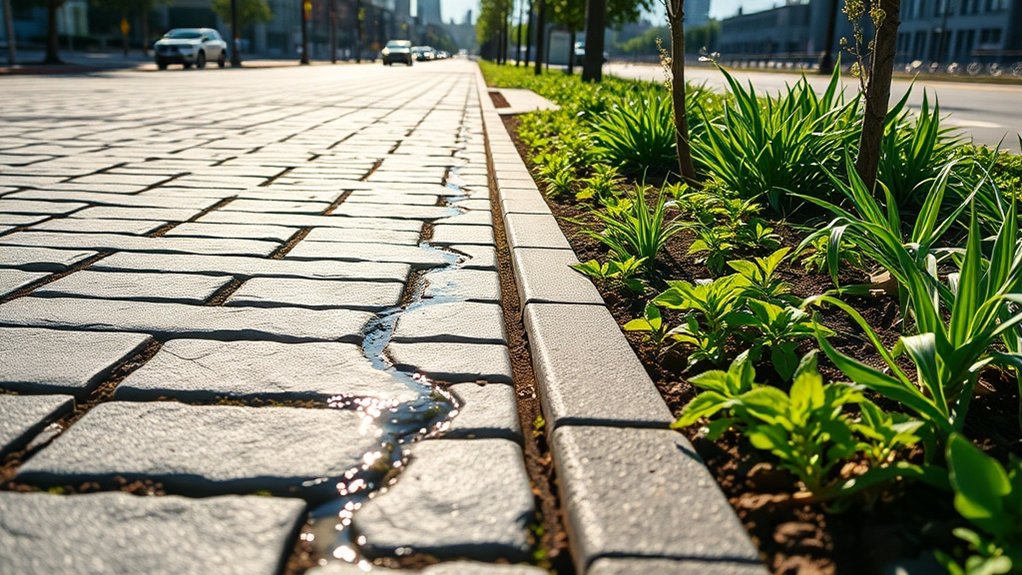
SUDS (Sustainable Drainage Systems) are vital for managing urban runoff, helping to reduce surface water, which in turn lowers flood risks in crowded cities. These systems also improve water quality by filtering out pollutants from stormwater before it reaches local rivers and streams. By adopting SUDS, we can create a more sustainable urban landscape that prioritises safety and environmental health. For instance, green roofs and permeable pavements not only manage water effectively but also enhance the aesthetics of our towns and cities. Additionally, SUDS can promote aquifer recharge by allowing rainwater to infiltrate into the ground, thereby supporting local groundwater resources. Furthermore, incorporating permeable pavement in urban design allows for efficient stormwater management while contributing to the overall durability of the infrastructure.
Reducing Surface Runoff
As urban areas grow, the rise in hard surfaces often leads to increased surface runoff, making proper management crucial. Sustainable urban design, through Sustainable Drainage Systems (SuDS), can significantly reduce runoff from driveways. By encouraging infiltration and filtration, components like permeable pavements and rain gardens allow rainwater to soak in at the source. This approach not only reduces the amount of runoff but also slows down stormwater flow, helping to prevent flooding during heavy rain. Flood Management is a key benefit of SuDS, as it controls water flow and mitigates the risk of urban flooding. The use of permeable surfaces in driveways can further enhance their effectiveness in managing stormwater. Retrofitting existing driveways with these techniques boosts sustainability and fits well with current infrastructure.
Enhancing Water Quality
Effective management of urban runoff is crucial, and Sustainable Drainage Systems (SuDS) play a vital role in improving water quality. SuDS filter water and promote ecological balance by removing pollutants from runoff before it reaches water bodies. For instance, green roofs and permeable surfaces help trap and break down contaminants, leading to cleaner water. Moreover, SuDS support groundwater recharge, ensuring sustainable water supplies.
| SuDS Component | Function | Water Quality Benefit |
|---|---|---|
| Green Roofs | Intercept rainwater | Reduces pollutants |
| Permeable Surfaces | Allow infiltration | Improves groundwater quality |
| Swales | Slow down runoff | Facilitates sedimentation |
| Retention Ponds | Temporary storage | Settles sediments and contaminants |
| Filtration Systems | Remove fine particles | Enhances overall water quality |
Preventing Flood Risks
Effective management of urban runoff is crucial for improving water quality and reducing flood risks. By adopting Sustainable Urban Drainage Systems (SUDS), we can replicate natural water processes, which helps to minimise runoff and control water flow.
Features such as detention basins and permeable pavements capture stormwater at its source, reducing the likelihood of flooding downstream.
SUDS also ease the burden on traditional drainage systems, preventing sewer overflows during heavy rain. These systems bolster urban resilience against flooding, particularly during extreme weather events.
Incorporating SUDS early in urban development not only enhances flood risk management but also encourages groundwater recharge and contributes to sustainable urban living. Embracing SUDS is vital for fostering resilient cities.
How Driveways Contribute to Stormwater Issues

Driveways, being impermeable surfaces, stop water from soaking into the ground, which leads to increased runoff that can overwhelm our stormwater systems.
This excess runoff not only increases the volume and speed of water but also carries pollutants such as oils, metals, and fertilisers straight into rivers and lakes without any filtration.
As a result, the combination of heightened runoff and pollution significantly degrades water quality and complicates stormwater management efforts.
Impervious Surface Impact
When considering the impact of impervious surfaces on stormwater issues, it’s important to recognise how these surfaces, especially driveways, significantly affect runoff dynamics.
Driveways hinder water absorption, leading to increased urban runoff. In areas where impervious surfaces cover more than 10-20% of a watershed, runoff can double, which negatively impacts local hydrology.
This swift runoff alters flow patterns, causing stormwater to reach streams more quickly and increasing peak flow levels. As a result, we experience more frequent and severe runoff events that disrupt natural water absorption processes.
This leads to a hydrological regime that destabilises stream channels, intensifying erosion and degrading aquatic habitats.
Therefore, the role of driveways in contributing to impervious surfaces is crucial in addressing stormwater challenges.
Pollutant Runoff Concerns
While driveways may seem harmless, they significantly contribute to stormwater pollution due to the runoff they create. This runoff can carry a variety of pollutants, including suspended solids, hydrocarbons, and harmful metals. Elevated levels of nitrogen and phosphorus lead to nutrient pollution, which adversely affects local water ecosystems.
Additionally, bacteria and pesticides in the runoff further jeopardise water quality.
To tackle these issues, effective runoff management strategies are crucial. Using permeable materials and incorporating vegetation can substantially decrease both the volume and pollutant load of stormwater.
Reducing Runoff With SUDS in Driveway Design

Incorporating Sustainable Urban Drainage Systems (SUDS) into your driveway design can significantly reduce surface water runoff, which is vital for effective stormwater management.
Here are three practical techniques:
- Permeable Paving: This type of paving allows rainwater to seep through, reducing surface runoff and helping to manage water more effectively.
- Rain Gardens: These landscaped features collect and filter rainwater, improving water quality while enhancing the visual appeal of your property.
- Soakaways: These underground systems capture excess water and slowly release it, making them especially useful for larger driveways.
Using these methods not only helps prevent flooding but also supports groundwater replenishment, ensuring you adhere to regulations while boosting your property’s attractiveness.
Key Principles of Effective SUDS Design
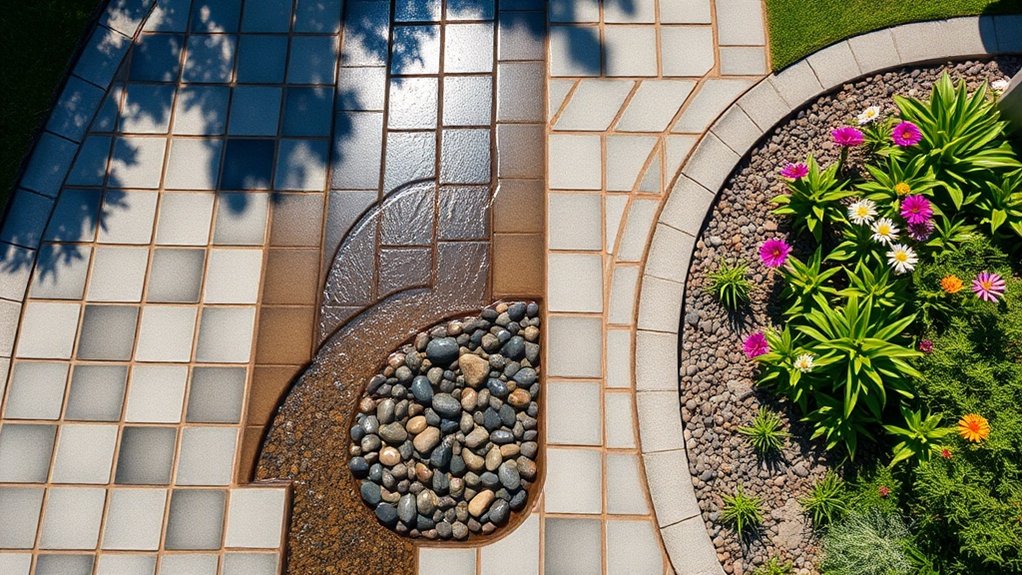
Effective SUDS (Sustainable Urban Drainage Systems) design relies on understanding key principles for managing surface water runoff.
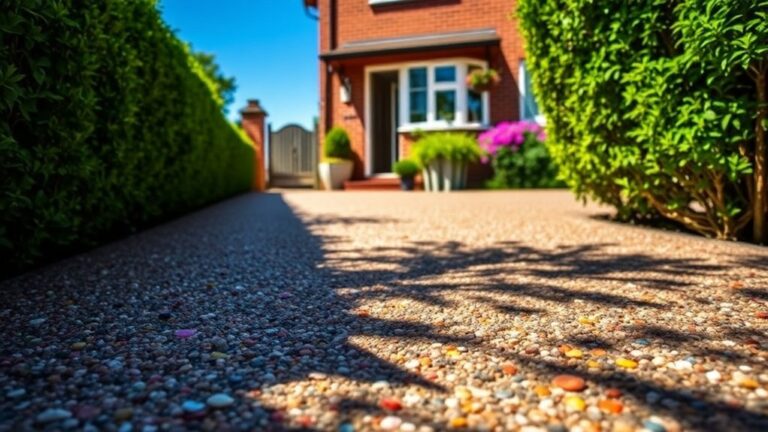
To create effective solutions, use permeable materials like porous asphalt and resin-bound paving to enhance water infiltration. Incorporate soakaways and drainage systems to capture rainwater and allow it to gradually seep into the ground.
Adding vegetation and green roofs not only improves water absorption but also supports local wildlife.
Essential features such as infiltration basins, swales, and wetlands help slow down water flow and filter out pollutants.
Regular maintenance and monitoring are crucial to ensure your SUDS systems work efficiently over time.
Common Components of SUDS for Driveways
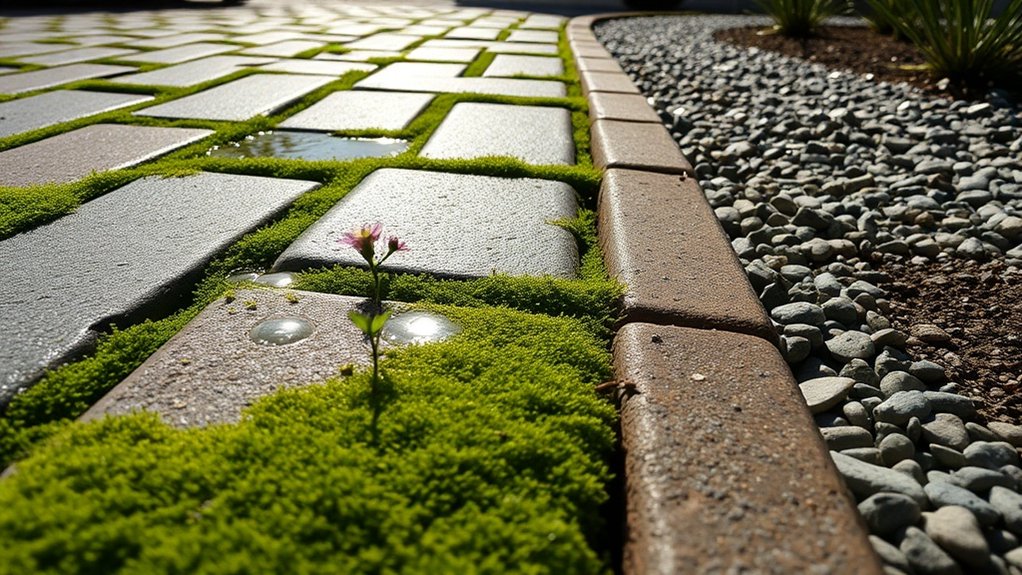
When designing SUDS for driveways, it’s important to grasp the key components such as infiltration techniques, attenuation measures, and bio-filtration methods.
Each of these elements is crucial for effective stormwater management and ensuring adherence to local regulations.
For instance, using permeable paving can help with infiltration, while rain gardens can enhance bio-filtration.
Infiltration Techniques Overview
Infiltration techniques are crucial for Sustainable Urban Drainage Systems (SUDS) in driveways. They effectively manage stormwater runoff and enhance water quality.
Here are three key methods using permeable materials:
- Permeable Pavements: These allow rainwater to soak through into a layer of crushed stone beneath, reducing surface runoff and improving filtration.
- Soakaways: These underground chambers help to infiltrate stormwater into the surrounding soil, easing the load on drainage systems and helping to prevent flooding.
- Crushed Stone Infiltration Beds: These layers provide temporary storage and filtration, removing pollutants before water seeps into the ground.
Incorporating these elements ensures optimal performance of SUDS, promoting sustainable water management for your driveway.
Attenuation Measures Explained
Attenuation measures are crucial for managing stormwater runoff from driveways within Sustainable Urban Drainage Systems (SUDS). These solutions help to manage peak flow during heavy rain, allowing for a controlled release of water into drainage systems.
| Component | Function | Attenuation Benefits |
|---|---|---|
| Attenuation Storage | Stores excess water | Reduces flood risk downstream |
| Conveyance Control | Slows down runoff | Prevents drainage system overload |
| Permeable Paving | Allows rainwater to soak in | Minimises surface runoff |
| Flow Control Devices | Regulates discharge rates | Balances storage with downstream capacity |
| Natural Features | Temporarily holds and slows water | Enhances infiltration and water quality |
Bio-filtration Methods Highlighted
Bio-filtration methods are crucial for Sustainable Urban Drainage Systems (SUDS) in driveways, effectively managing stormwater runoff.
These techniques use sustainable materials to enhance water quality and mitigate flooding risks. Here are three key components:
- Permeable Pavements: These allow water to seep through, reducing surface runoff and filtering out pollutants naturally.
- Bioswales: These are gently sloped channels designed to capture debris and sediments, slowing down stormwater flow and improving groundwater recharge.
- Soakaways: These subsurface structures enable direct infiltration of stormwater into the soil, helping to maintain groundwater levels.
Environmental Benefits of Implementing SUDS

As urban areas expand, the implementation of Sustainable Urban Drainage Systems (SuDS) is crucial for tackling environmental issues. SuDS improve water quality by filtering out pollutants and reducing runoff, which helps conserve resources and energy. They also boost urban biodiversity by creating habitats for wildlife and encouraging community involvement in green projects. Adhering to local regulations ensures that SuDS are effectively integrated into urban planning.
| Benefit | Description | Impact on Community |
|---|---|---|
| Pollution Reduction | Filters contaminants from stormwater | Healthier water sources |
| Biodiversity Enhancement | Supports diverse wildlife in cities | Increased community interest |
| Air Quality Improvement | Captures airborne pollutants | Better respiratory health |
| Water Conservation | Enables rainwater harvesting | Sustainable landscaping |
| Climate Regulation | Mitigates urban heat island effects | Improved urban livability |
Flood Management Advantages of SUDS

As urban areas expand, the risk of flooding grows, but Sustainable Urban Drainage Systems (SuDS) provide effective flood management solutions.
Here’s how they can help:
- Reduction of Surface Water Runoff: SuDS enable rainwater to soak into the ground naturally, which lightens the load on local drainage systems during heavy rain.
- Flood Risk Mitigation: Features such as swales and permeable pavements manage excess water on-site, lowering the chances of flooding downstream and protecting properties.
- Improved Water Quality: SuDS trap pollutants where they fall, enhancing local water quality and safeguarding wildlife habitats.
These benefits underline the importance of SuDS in flood risk management, making us more resilient to the impacts of climate change.
Challenges in Integrating SUDS With Driveways

Integrating Sustainable Urban Drainage Systems (SuDS) with driveways can be quite challenging. One major issue is the design limitations set by existing infrastructure, which often requires changes to drainage systems. For instance, there may not be enough space to properly install permeable paving, a key SuDS component.
Regulatory hurdles also pose a problem, as local laws mightn’t readily support the adoption of SuDS without lengthy negotiations. Additionally, the costs can be higher than those for traditional drainage systems, making it less appealing for homeowners.
Public perception is another barrier, as many people are unfamiliar with the benefits of SuDS.
To overcome these challenges, we need innovative solutions and thorough planning to ensure effective integration and compliance with regulations.
Maintenance Considerations for SUDS Systems

To ensure Sustainable Urban Drainage Systems (SuDS) integrated with driveways perform effectively, regular maintenance is crucial.
Here are some key steps to follow:
- Routine Inspections: Check inlets, outlets, and permeable surfaces every month for blockages or damage to keep everything functioning well.
- Sediment Management: Clear away any built-up sediment and debris regularly to maintain proper water flow and prevent contamination.
- Surface Cleaning: Keep resin-bound driveways clean to avoid sediment accumulation, which can lead to pooling or structural issues.
Planning for SUDS: Stakeholder Involvement and Compliance

Effective maintenance of Sustainable Urban Drainage Systems (SuDS) is crucial for successful planning and implementation, but it’s just part of the equation.
To ensure effective integration of SuDS, engaging stakeholders is vital. Involve the community from the outset to ensure the systems meet local needs and expectations. Collaborate with local authorities to navigate regulatory compliance, ensuring adherence to national standards and local regulations.
It’s also important to include ecological stakeholders to evaluate biodiversity impacts, enhancing the environmental sensitivity of your designs. Working closely with urban planners and skilled contractors will ensure that SuDS are properly installed and integrated with existing infrastructure.
Frequently Asked Questions
How Do SUDS Impact Property Values?
SuDS improve property attractiveness by mitigating flood risk, potentially lowering insurance costs and boosting investment returns. Their environmentally friendly aspects often draw in buyers, enhancing perceived value and marketability in a competitive property market. For instance, a home near a well-maintained SuDS feature may be more appealing to buyers concerned about flooding, which can lead to a higher sale price.
Can SUDS Be Retrofitted to Existing Driveways?
Yes, you can retrofit existing driveways with SuDS (Sustainable Drainage Systems) benefits. Options like permeable paving, soakaways, and rain gardens are effective for managing runoff and improving water quality. For example, permeable paving allows rainwater to seep through, reducing surface water flooding. These solutions provide sustainable answers to urban drainage issues.
What Is the Cost Difference Between Traditional Drainage and SUDS?
Choosing drainage solutions is like buying a car; while you might spend more initially on a reliable model, it pays off in the long run. Traditional drainage systems often lead to higher ongoing maintenance and repair costs compared to sustainable drainage systems (SUDS), which provide better value over time. In essence, investing in SUDS can save you money and reduce hassle in the future.
Are There Specific Regulations for SUDS Installation?
Yes, there are specific guidelines for the installation of Sustainable Urban Drainage Systems (SUDS) in the UK. These regulations set out clear standards that must be followed to ensure effective management of surface water. Approval from local authorities is required, and all new developments must comply with national regulations. For example, a new housing estate will need to demonstrate how rainwater will be managed sustainably to get planning permission.
How Do SUDS Improve Aesthetic Appeal in Urban Areas?
SuDS, or Sustainable Drainage Systems, can significantly improve the look of urban areas. They turn dull hard surfaces into lively green spaces by incorporating plants and water features. For example, a once-bare car park can become a pleasant garden with rain gardens or permeable paving, enhancing the local environment. This not only beautifies the area but also encourages biodiversity and community interaction, making urban spaces more enjoyable for everyone.
Conclusion
Incorporating Sustainable Drainage Systems (SUDS) into driveway design is vital for managing stormwater effectively. Urban areas can see runoff increase by up to 50% compared to natural landscapes. By using SUDS, you can reduce flood risks, improve water quality, and support local ecosystems. For example, permeable paving allows rainwater to soak through, reducing surface runoff. Implementing these systems in driveways not only helps the environment but also strengthens community resilience.

Not addressing common pitfalls can lead to planning application rejections, but understanding these issues can significantly improve your chances of Read more

Pondering the various driveway laws across the UK? Discover the essential differences that could impact your next home project.

Knowing whether you need planning permission for a resin driveway in Nottinghamshire can save you time and hassle—discover the key Read more