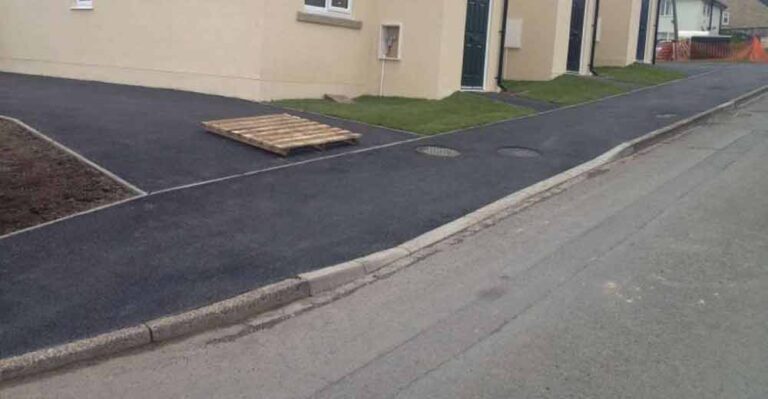
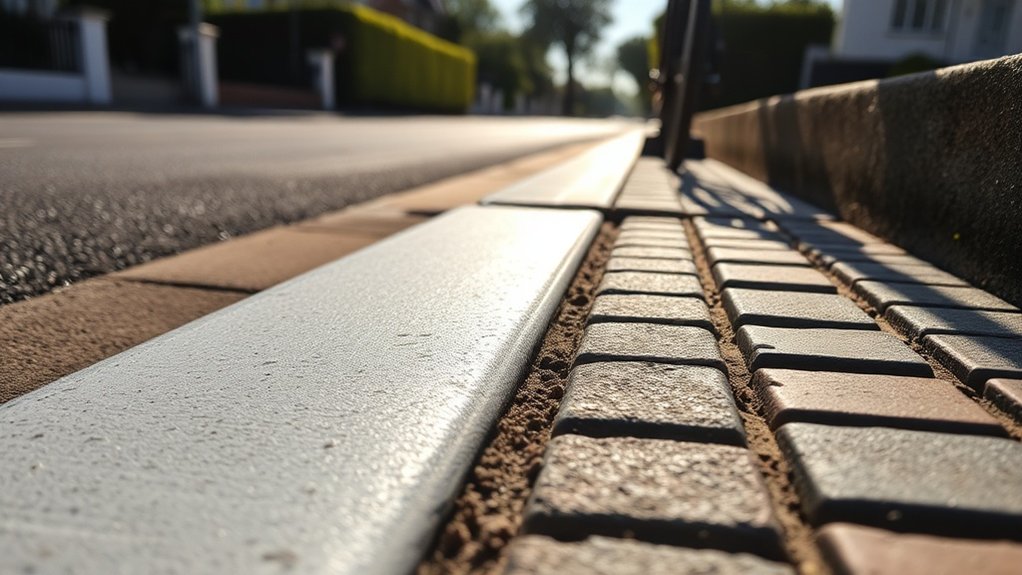
What Are Dropped Kerb Requirements in Nottinghamshire?
To install a dropped kerb in Nottinghamshire, you need to obtain planning permission, especially if your property is on a classified road. You’ll also need to apply for a Section 184 licence through an accredited contractor. This contractor must possess valid Street Works qualifications and hold public liability insurance. Once you submit your application, the council will review it to ensure compliance with all regulations. It’s important to understand these requirements, and you can find further details about the process and associated costs.
Key Takeaways
- If you want to install a dropped kerb on a classified road or in a busy area, you’ll need planning permission; in other cases, permitted development applies.
- You must obtain a Section 184 licence under The Highways Act 1980 through an accredited contractor.
- Make sure your contractor has valid Street Works qualifications and at least £5 million in public liability insurance.
- After installation, Nottinghamshire County Council requires a post-installation inspection to ensure everything meets standards before issuing a completion certificate.
- During installation, it’s crucial to use safety measures like high-visibility clothing and proper traffic management to protect everyone involved.
Planning Permission and Licensing Requirements
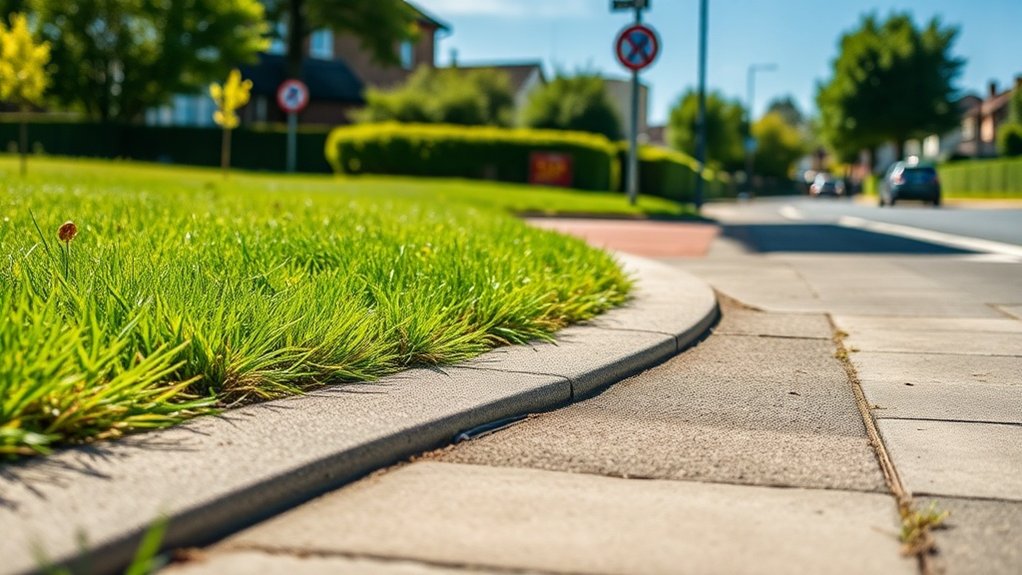
If you’re planning to install a dropped kerb in Nottinghamshire, it’s important to know the planning permission and licensing requirements.
Generally, you won’t need planning permission for permitted developments, unless your dropped kerb is on a classified road or in a busy area that requires traffic control. For dropped kerbs on A roads, a full planning application is necessary, which includes submitting plans and paying fees. Approval can take several days. Additionally, all new or improved dropped kerbs need consent from Nottinghamshire County Council to ensure compliance with local regulations.
You’ll also need a licence under Section 184 of The Highways Act 1980. This is usually applied for by your contractor, who must be accredited.
Make sure you comply with all regulations before starting work, as failing to do so can lead to legal issues.
Installation Process Overview
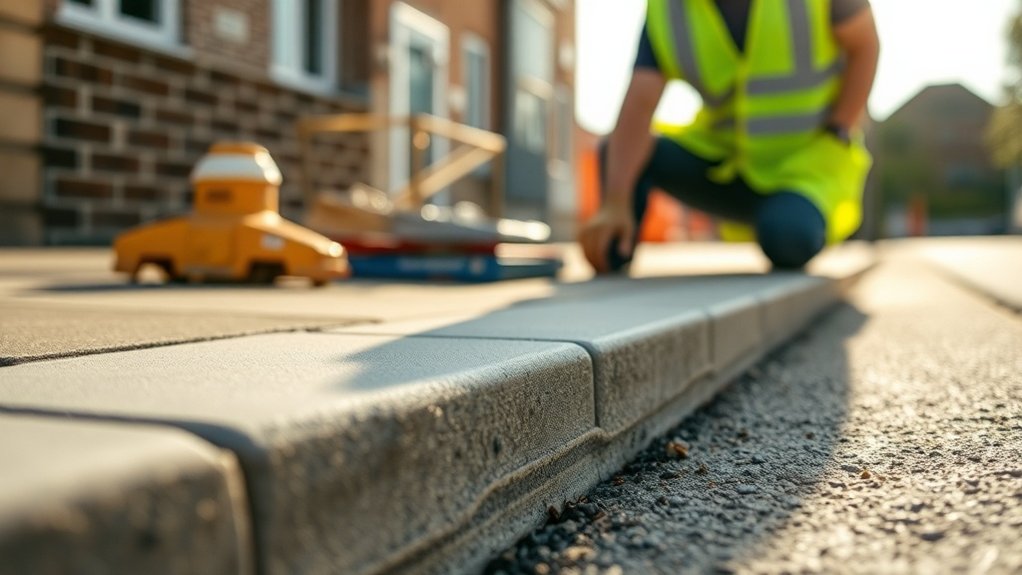
Before starting the installation of a dropped kerb in Nottinghamshire, it’s important to follow the necessary steps. First, submit your application to Nottinghamshire County Council and ensure you have a registered contractor with valid Streetworks qualifications. This contractor will then apply for construction consent and arrange any required inspections.
Next, prepare the site by excavating the pavement to a depth of at least 250mm. Once the area is cleared, lay a solid foundation and use the right materials, like lower kerbstones and concrete, for a long-lasting finish. Dropped kerbs are essential for properties where driveways are not easily accessible, improving overall accessibility.
Finally, have the council inspect the completed work to ensure it meets all specifications before you receive your certificate of completion.
Compliance With Regulations

If you’re planning to install a dropped kerb in Nottinghamshire, it’s crucial to comply with local regulations.
First, you must get permission from the Nottinghamshire County Council’s Highways Department before starting any work.
Hiring an authorised contractor who holds the necessary Streetworks qualifications and public liability insurance is essential to avoid any legal issues. Dropped kerbs can help prevent unauthorized parking across your driveway, making the installation even more beneficial.
Remember, driving over a pavement without a dropped kerb is illegal and could make you liable for any damages.
You must also adhere to the New Roads and Street Works Act 1991.
When excavating, ensure that you protect existing underground utilities and provide proper signage, as these are key compliance requirements.
Ignoring these rules could lead to the council ordering corrective actions, which could come at a cost to you.
Application Procedure for Dropped Kerbs

When you’re ready to apply for a dropped kerb, start by gathering the necessary documentation and completing the required forms.
Remember, there are application fees to consider, and your chosen contractor must meet specific council criteria.
For example, they should have previous experience with similar installations.
Being aware of these factors will help ensure a smooth application process for your dropped kerb.
Required Documentation and Forms
To apply for a dropped kerb in Nottinghamshire, you’ll need to complete an online application form provided by the council. Ensure you include the following documentation:
| Required Documentation | Details Required | Additional Notes |
|---|---|---|
| Property Ownership | Confirm your ownership details | Only property owners or occupiers can apply |
| Contractor Information | Provide the contractor’s reference number | The contractor must be registered with the council |
| Sketch/Plans | Illustrate the proposed location and scope | This is essential for the highways department |
If your property is on a classified road, you may also need to show evidence of planning permission. Keep your application clear and straightforward to facilitate a smooth approval process.
Application Fees Overview
In Nottinghamshire, the application fees for a dropped kerb depend on the council in your area. Nottinghamshire County Council charges around £52, while Nottingham City Council requires a non-refundable fee of £160.
Other councils across the UK may charge anywhere from £50 to £400, depending on local conditions and the specifics of your project. These fees cover administrative tasks, inspections, and assessments, and are non-refundable regardless of whether your application is approved or declined.
To ensure you budget accurately, compare the fees of different councils and always check with your local authority for the latest fee information before applying.
Contractor Approval Process
Before applying for a dropped kerb, it’s crucial to ensure your contractor meets the qualifications set by Nottinghamshire County Council. Your contractor must have a valid Street Works Qualification Register and carry at least £5,000,000 in public liability insurance.
They should provide proof of this insurance and demonstrate familiarity with local regulations.
You need to appoint your contractor before submitting your online application, as you’ll need a reference number from them. It’s important that your contractor understands their responsibilities, particularly regarding safety compliance and protecting utilities during the work.
Once you’ve submitted your application, the council will review it.
Approved Contractors in Nottinghamshire

Choosing the right approved contractor for dropped kerb installations in Nottinghamshire is crucial for ensuring compliance with local regulations and safety standards.
Here are some straightforward tips to help you select a reliable contractor:
- Check that they possess a valid Streetworks qualification specifically for dropped kerb installations.
- Ensure they’ve a minimum of £5 million Public Liability Insurance to protect against any accidents.
- Look for contractors that are registered with Nottinghamshire County Council for local options.
- Investigate their reputation by reading customer reviews on platforms like Checkatrade.
These steps will help you find a trustworthy contractor for your dropped kerb needs.
Benefits of Installing Dropped Kerbs

Choosing a certified contractor for dropped kerb installations in Nottinghamshire offers various benefits that enhance accessibility and can increase your property’s value.
One key advantage is improved access for everyone, including those with disabilities, the elderly, and families with pushchairs. This not only makes life easier but also boosts your home’s curb appeal, which can raise its market value.
Additionally, installing a dropped kerb ensures you stay on the right side of the law, helping you avoid fines.
Safety is another important factor; a smooth transition from pavement to road reduces the risk of accidents. Moreover, dropped kerbs improve access for emergency vehicles, leading to faster response times.
Ultimately, these installations foster a more inclusive community by making public spaces accessible to all.
Safety Measures During Installation

When installing dropped kerbs, it’s vital to implement effective traffic control measures to ensure the safety of both workers and road users.
Use clear signage and barriers to mark the work zone, guiding pedestrians and vehicles safely around the area.
Following worker safety protocols is crucial in reducing risks associated with construction on public roads.
For instance, ensure that workers wear high-visibility clothing and use cones to keep traffic at a safe distance.
Traffic Control Measures
To ensure safety during the installation of dropped kerbs, it’s crucial to implement effective traffic control measures.
Proper traffic management is vital for the safety of both pedestrians and vehicles. Here are some key measures to consider:
- Pedestrian and Vehicle Diversion: Redirect traffic safely around the construction site.
- Traffic Lane Management: If traffic flow is affected, consider narrowing lanes or using temporary controls.
- Site Access Control: Restrict access to the site to authorised personnel only.
- Work Zone Visibility: Clearly mark the work area to ensure it’s visible both day and night.
These measures help reduce risks and ensure that installations proceed smoothly, keeping everyone safe.
Signage and Barriers
Effective signage and barriers are crucial during dropped kerb installations to ensure the safety of pedestrians and motorists.
Before starting work, set up clear guard fences around the site to protect traffic and vulnerable individuals, such as the blind and those with disabilities.
Regularly check that warning signs are visible, in good condition, and correctly positioned.
If footways are blocked, create temporary pedestrian routes that are clearly marked and accessible.
It’s also important to maintain barriers throughout the construction period to prevent hazards.
Remember, failing to properly secure the area can lead to enforcement actions from the Council, which may result in you covering the costs.
Prioritising safety measures is essential for a successful project.
Worker Safety Protocols
Ensuring worker safety during dropped kerb installations is vital for the protection of both the crew and the public.
To uphold high safety standards, adhere to the following protocols:
- Worker Training: Ensure all team members receive comprehensive training on installation methods and safety measures.
- Hazard Identification: Carry out detailed site assessments to pinpoint potential hazards before commencing work.
- Traffic Management: Develop effective traffic management strategies to protect both workers and pedestrians.
- Materials Safety: Utilise high-quality materials and tools to reduce risks during installation.
Fees and Costs Associated With the Process

When applying for a dropped kerb in Nottinghamshire, it’s important to be aware of the various fees that can impact your budget. Understanding these costs in advance will help you prepare accurate estimates.
| Fee Type | Estimated Cost |
|---|---|
| Application & Inspection Fee | Varies; check with the council |
| Contractor Consent Fee | £80 |
| Planning Permission (if required) | Varies; check with the authority |
| Construction & Materials Cost | Dependent on the specific project |
Be mindful that additional fees may apply for follow-up applications or if planning permission is necessary. Hiring a qualified contractor will also add to your expenses, so it’s wise to get multiple quotes to ensure you’re getting a fair price. Always verify the latest fee structures with your local council.
Frequently Asked Questions
How Long Does the Dropped Kerb Installation Process Take?
The timeline for installing a dropped kerb can vary significantly. Factors such as the council’s workload, the complexity of the site, and contractor availability all play a role. Typically, you can expect a review and approval process that takes several days before any actual work begins.
Can I Install a Dropped Kerb Myself?
You can’t install a dropped kerb yourself because of strict regulations. Attempting a DIY installation can lead to legal problems and safety issues. It’s important to hire a professional who understands the rules and can ensure the work meets all compliance standards and obtains the necessary approvals. For example, if you want to create access to your driveway, a qualified contractor will know the local requirements and help you avoid potential fines.
What Types of Vehicles Benefit From Dropped Kerbs?
Dropped kerbs benefit a range of vehicles, such as cars, light goods vehicles, motorcycles, bicycles, and mobility scooters. They improve accessibility and safety, allowing for smoother transitions between roads and private properties. For instance, a mobility scooter user can navigate easily onto a pavement, while cyclists can safely cross from the road to bike lanes.
Are There Any Restrictions on Dropped Kerb Designs?
Yes, there are restrictions on dropped kerb designs. It’s important to follow local guidelines to ensure compliance with design variations and aesthetic considerations. For example, a dropped kerb near a busy street must prioritise safety for both pedestrians and drivers. Always check with your local council before proceeding, as regulations can vary by area.
What Happens if My Application Is Denied?
If your application is denied, don’t worry! Check the council guidelines, address any issues they raised, and submit your application again. You can also consider appealing the decision, but be aware that working without permission could result in hefty fines and enforcement action.
Conclusion
In conclusion, knowing the dropped kerb requirements in Nottinghamshire is crucial for a smooth installation. By navigating planning permissions, sticking to regulations, and choosing approved contractors, you ensure better accessibility. This upgrade enhances your property while providing a safe and convenient link between the road and your home. By considering costs and compliance, you’ll achieve a hassle-free transition that benefits both you and your community.

In order to have a driveway at your home, it is legally required to have a dropped kerb on the pathway outside Read more

Can you legally drive over a footway without a lowered kerb? Discover the important regulations and potential consequences before you Read more

A dropped kerb permit is essential for your new driveway in Nottinghamshire, but what other regulations might surprise you? Discover Read more