Resin Vs Gravel: Which Is More Practical?
When comparing practicality between resin and gravel driveways, resin is the better option. It lasts between 15 to 30 years, while gravel generally only lasts 5 to 10 years. Resin requires very little maintenance, which helps keep long-term costs down, whereas gravel needs regular upkeep. Additionally, resin can handle heavy loads and adverse weather conditions more effectively than gravel, making it a more reliable choice. For a deeper understanding of both options, it’s worth looking into more information.
Key Takeaways
Resin driveways provide better long-term value, lasting between 15 to 30 years with lower maintenance compared to gravel, which typically lasts only 5 to 10 years.
Resin surfaces are more robust, able to withstand heavy loads and harsh weather without warping, while gravel can shift and demands regular upkeep. With a seamless finish, resin eliminates the risk of loose stones, whereas gravel requires constant attention to manage erosion and wear.
When it comes to aesthetics, resin offers more options for colours and materials, allowing for greater personalised designs. In contrast, gravel has limited choices and a simpler installation process.
While resin does need professional installation, the long-term benefits make it a more practical choice than the DIY-friendly gravel option.
Cost Analysis of Resin Bound and Gravel Driveways

When installing a driveway, it’s important to understand the cost differences between resin-bound and gravel options.
Resin driveways typically cost between £11 to £18 per square foot, resulting in total expenses of around £4,400 to £9,800 for a standard two-car driveway. Average costs are influenced by factors like driveway size and site preparation needs. Resin-bound driveways are generally more expensive than resin-bonded due to the additional materials and labor involved.
In contrast, gravel driveways are more economical at £3 to £6 per square foot, making them an attractive initial choice.
However, don’t forget to consider the long-term maintenance costs associated with gravel, which can add up over time.
While resin has higher upfront costs, it requires less maintenance, offering better value in the long run.
Ultimately, weigh the initial investment against future expenses to make the best choice for your property.
Comparing Durability and Longevity
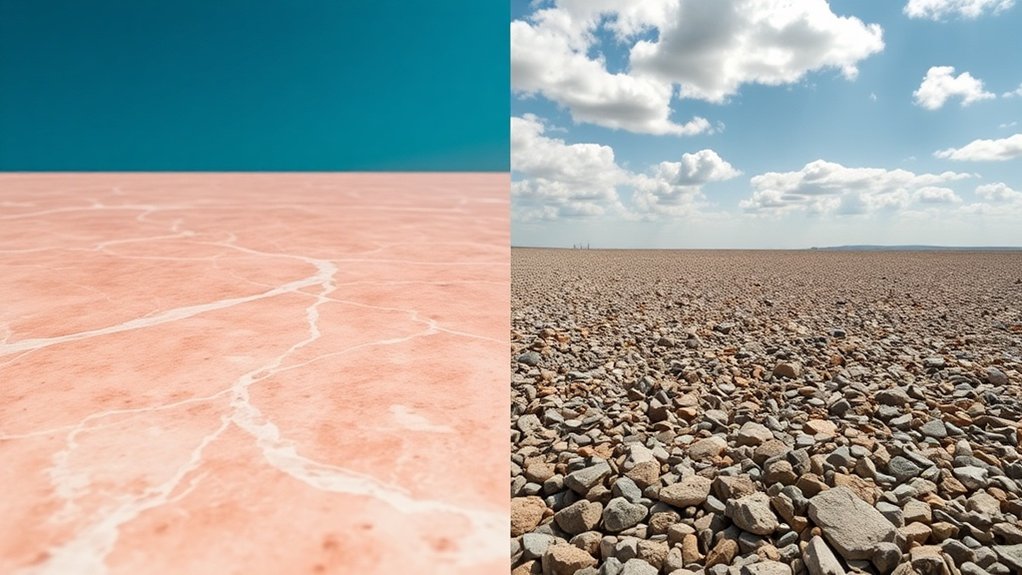
When comparing the lifespan of materials, resin-bound surfaces typically last 20 to 30 years with minimal upkeep, whereas gravel usually needs replacing within 5 to 10 years due to its tendency to shift and erode. In terms of damage resistance, resin’s robust composition withstands adverse weather and heavy use far better than gravel, which can scatter and deteriorate under similar conditions. Additionally, resin driveways offer superior surface stability, ensuring a smooth surface over time without the common issues associated with gravel. The quality of materials used in resin-bound driveways significantly contributes to their extended lifespan. Knowing these differences can significantly impact your choice for durability and long-term use.
Lifespan of Materials
When comparing the lifespan of resin and gravel surfaces, it’s important to consider factors that affect their durability.
Resin-bound surfaces can last between 20 to 30 years if installed and maintained properly. In contrast, gravel surfaces tend to have shorter lifespans due to their vulnerability to erosion and displacement. The seamless nature of resin significantly enhances its longevity compared to gravel, which lacks binding agents. High-quality resins are more resistant to environmental challenges, and proper substrate preparation is crucial for extending their lifespan. Additionally, resin bound gravel can last up to 30 years if well maintained, showcasing its durability compared to traditional gravel options. Furthermore, the flexibility of resin allows it to withstand ground movement better than gravel.
On the other hand, gravel requires regular maintenance to stay functional, which can further reduce its effective lifespan.
Resistance to Damage
While both resin-bound and gravel surfaces have their uses, their resistance to damage highlights key differences in durability and long-term performance.
Resin-bound gravel is far superior in this regard, as its flexible composition prevents issues like cracking and potholes, which are common with loose gravel that can easily be displaced.
Resin-bound surfaces also have excellent weather resistance, better handling UV exposure and temperature fluctuations than traditional materials.
Their seamless finish reduces the risk of loose stones, and the protective resin matrix makes them more resistant to wear and tear.
In contrast, loose gravel demands regular upkeep to manage erosion and surface wear.
Ultimately, choosing resin-bound gravel provides a more durable, low-maintenance solution, ensuring it lasts longer and performs well in various conditions.
Maintenance Requirements for Different Materials
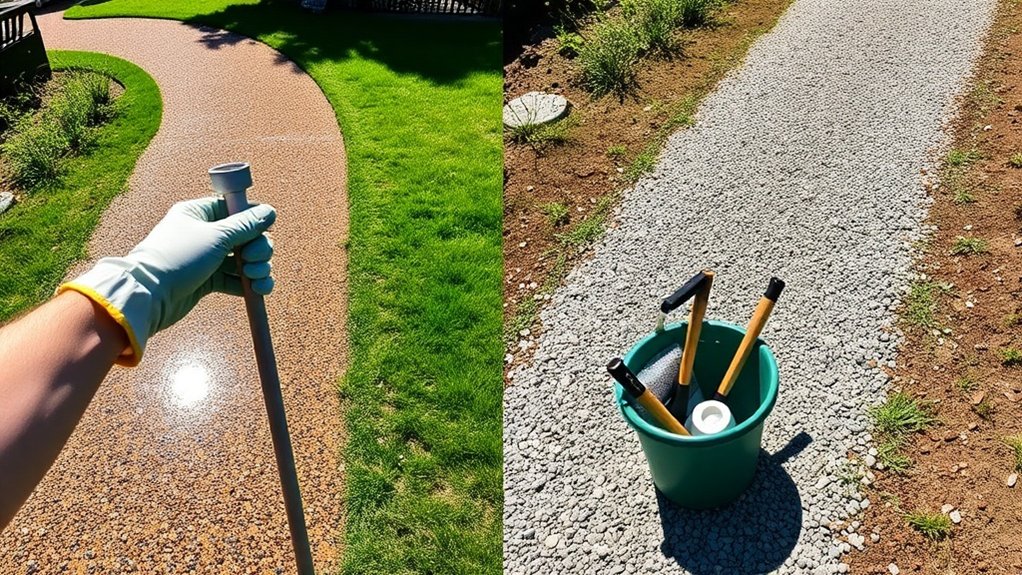
When comparing maintenance requirements for resin and gravel, you’ll find notable differences in how often they need care and the methods involved.
Resin surfaces require regular attention, including routine cleaning and specific treatments for weeds.
In contrast, gravel is generally more durable and less demanding in terms of upkeep.
Understanding these differences will help you assess the long-term maintenance costs for each material.
Maintenance Frequency Comparison
Comparing the maintenance frequency of resin and gravel driveways is crucial for your long-term satisfaction and costs.
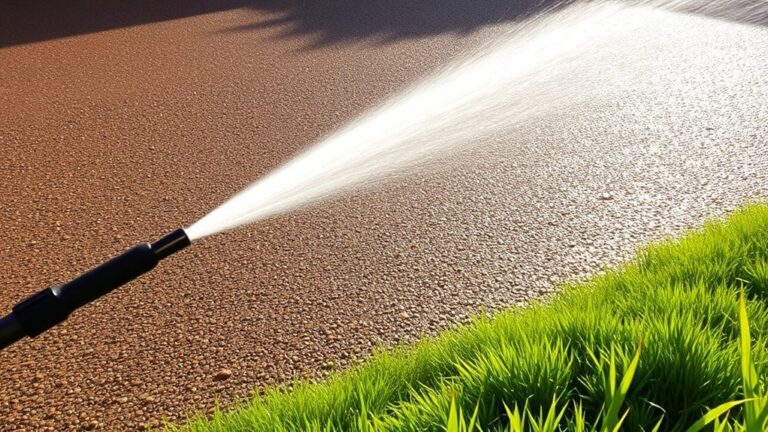
Resin driveways require minimal upkeep, needing only occasional cleaning, such as hosing down and sweeping, with major maintenance every few years.
In contrast, gravel driveways require regular attention, including raking, topping up, and levelling to keep them looking good and functioning well. This can be quite labor-intensive, as gravel tends to scatter and erode over time.
Resin’s durability means fewer repairs and no need for resealing, while gravel typically lasts 5-10 years before significant maintenance is needed.
Weed Management Strategies
Effective weed management is vital for keeping resin and gravel surfaces looking good and functioning well. For resin-bound gravel, treating the area before installation can help resist weeds, but regular checks are still necessary.
To reduce the chances of weeds growing, keep the surface clear of organic debris and maintain an appropriate depth.
Loose gravel surfaces require more hands-on approaches. Hand-pulling weeds and using tools like garden hoes can effectively remove them, ensuring the roots are completely gone.
You can also use organic methods, such as vinegar solutions or boiling water, for targeted weed control.
Resin surfaces need fewer herbicide applications, while gravel surfaces often require regular chemical treatments.
It’s important to choose eco-friendly options to protect nearby plants and groundwater.
Longevity and Upkeep Costs
Maintaining the appearance and functionality of surfaces involves understanding the longevity and upkeep costs of various materials.
Resin-bound driveways can last 20-30 years with minimal maintenance, needing only the occasional sweep and rinse. In comparison, gravel surfaces typically last just 5-10 years and require regular levelling and replenishment, which can increase costs over time.
Although the initial installation of resin is more expensive, it proves cost-effective in the long run due to lower maintenance needs and resistance to weather damage.
On the other hand, gravel can erode easily, leading to significant long-term expenses.
In the end, resin offers a more durable and low-maintenance solution, making it a wise choice for both longevity and budget.
Aesthetic Appeal and Surface Characteristics
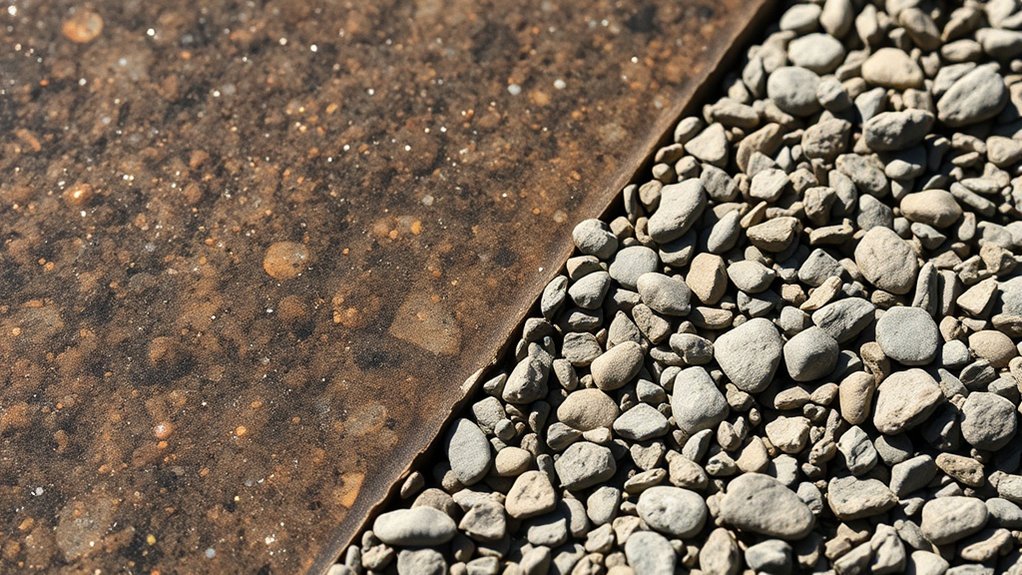
When choosing between resin bound and resin bonded gravel, aesthetic appeal and surface characteristics are key considerations.
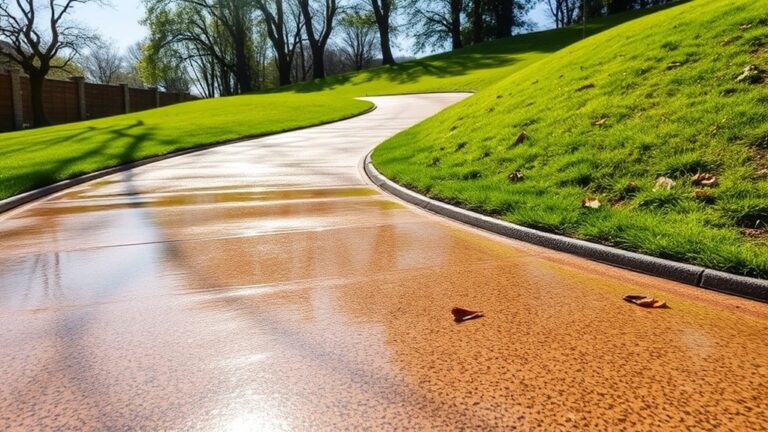
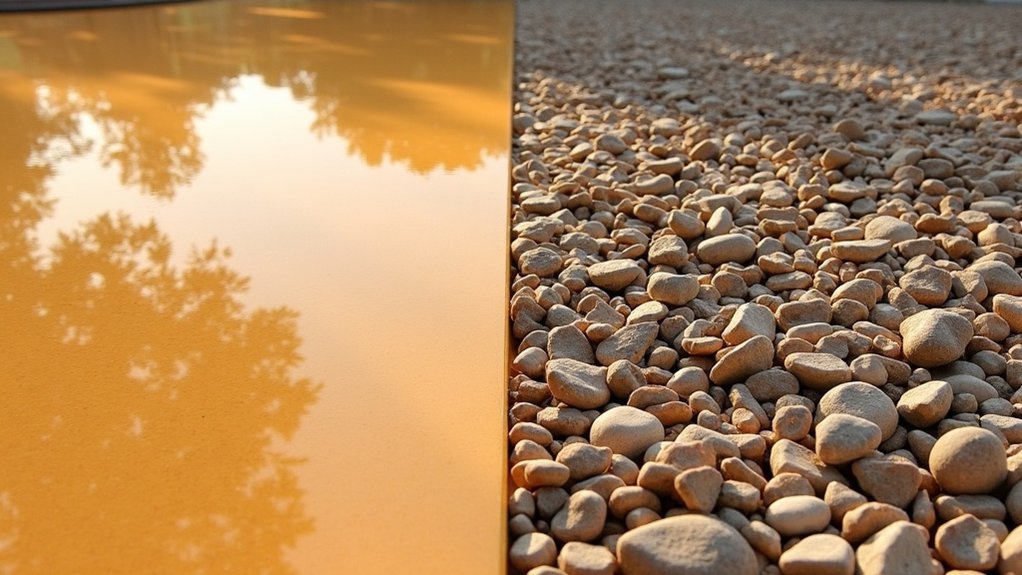
Resin bound gravel provides a smooth, seamless finish that suits modern designs, while resin bonded gravel has a rough, textured surface that gives a natural, rustic feel.
If you prefer a contemporary look, resin bound offers uniformity and creative design options with different aggregates. On the other hand, if you’re after a traditional appearance, resin bonded gravel’s loose gravel effect is ideal.
Moreover, resin bound surfaces stay cleaner for longer, requiring less upkeep, whereas resin bonded surfaces need regular maintenance to keep them looking their best.
Environmental Impact and Practical Considerations
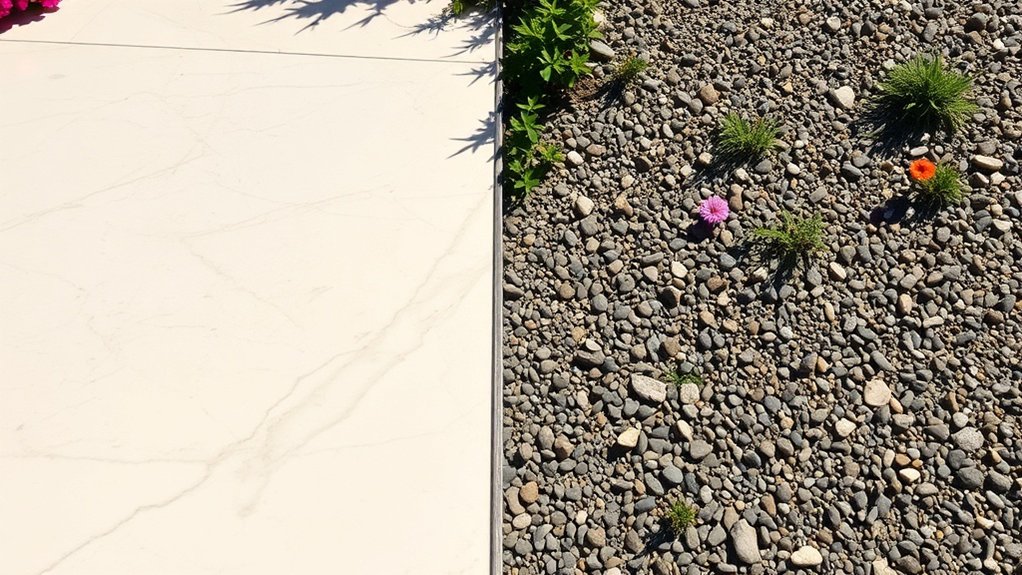
When comparing resin-bound and loose gravel surfaces, their environmental impact and practical considerations vary significantly. Here are key points to consider:
– Permeability: Resin-bound gravel allows rainwater to seep through, which helps reduce surface runoff and supports groundwater levels.
In contrast, loose gravel can lead to erosion, especially in heavy rain.
– Chemical Risks: Uncured resin may pose toxicity risks, but once cured, it prevents harmful runoff.
Loose gravel, however, is chemically inert and poses no such risks.
– Longevity: Resin-bound surfaces typically last between 20 to 30 years with little maintenance, which cuts down on waste.
Loose gravel, on the other hand, generally lasts only 5 to 10 years.
– Regulations: Resin-bound gravel meets Sustainable Drainage Systems (SuDS) standards, making it a better choice for environmentally sensitive areas, unlike loose gravel.
Installation Processes and Suitability
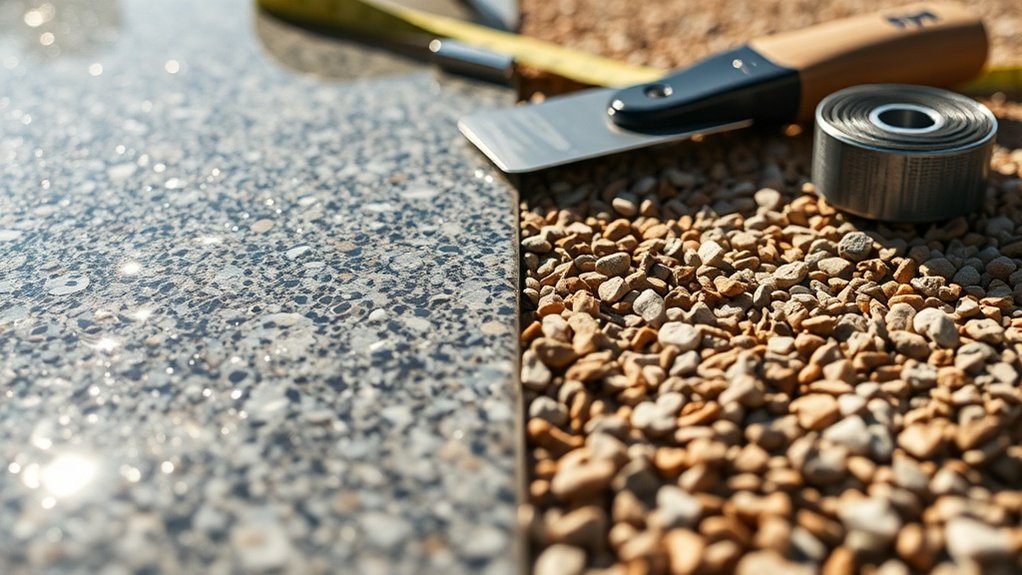
When comparing the installation processes and suitability of resin-bound and loose gravel surfaces, each option has its own requirements.
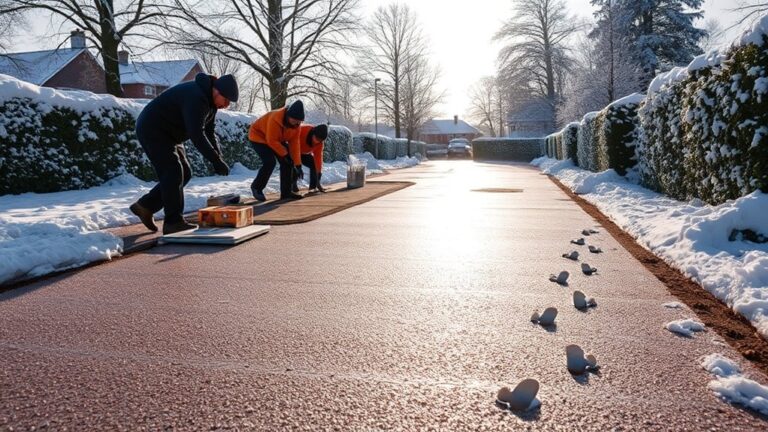
Resin-bound surfaces need a stable, clean base such as concrete or tarmac, and require thorough preparation like pressure washing and crack filling. This method typically involves specialised tools for accurate mixing and laying, which is why professional installation is common.
On the other hand, loose gravel provides greater flexibility with a simpler installation process. It can be laid over various base types, and all you need to do is clear and level the area. This makes loose gravel a popular choice for DIY projects and informal applications.
Ultimately, weigh the complexity and durability of resin against the ease and quick setup of gravel to determine which surface best meets your needs.
Performance Under Heavy Loads
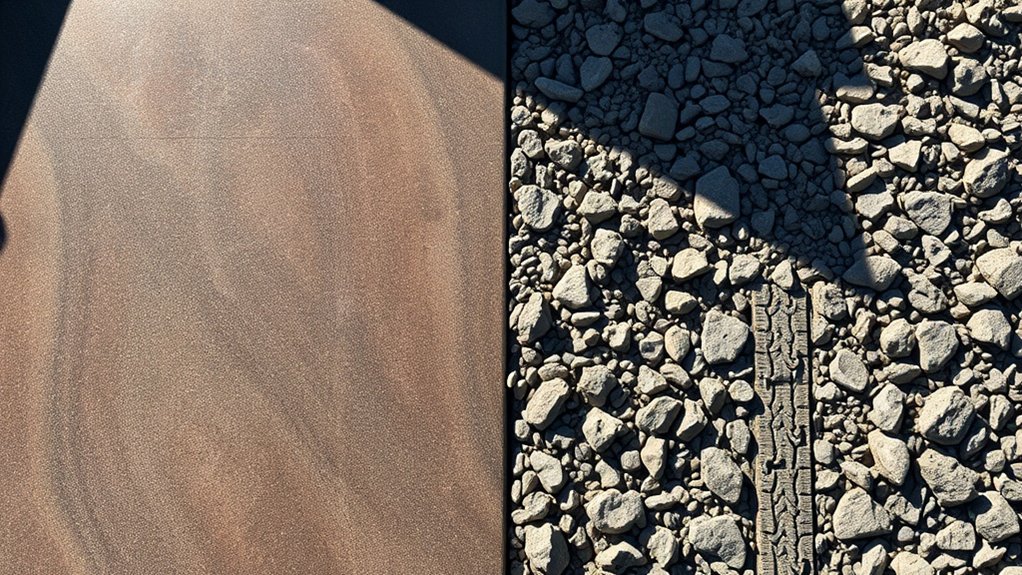
Understanding how different surface materials perform under heavy loads is crucial for your project.
Resin bound surfaces generally outperform gravel due to their superior load capacity and stability. Here are some important points to consider:
- Resin bound surfaces maintain their structure under heavy vehicle loads, resisting deformation.
- Loose gravel can shift and compact unevenly, which can lead to rutting and instability.
- Resin bound systems distribute load stresses evenly, reducing the risk of point-load damage.
- Gravel surfaces often require frequent maintenance, whereas resin bound options need minimal upkeep, even with heavy use.
Opting for resin bound materials can significantly improve durability and longevity, making them a sensible choice for applications involving heavy loads.
Long-Term Financial Implications
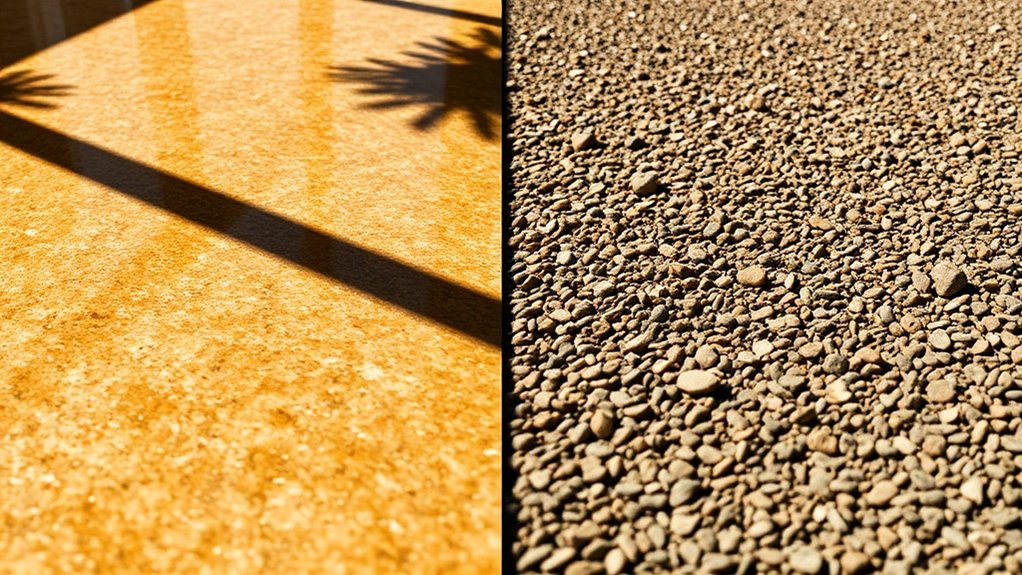
When selecting surface materials for your project, it’s essential to consider the long-term financial implications. Resin driveways, although more expensive initially, often provide better returns over time due to their durability and low maintenance requirements. On the other hand, gravel driveways may seem cheaper at first but can lead to higher ongoing costs for upkeep and replenishment.
| Material | Initial Cost (per sq. ft.) | Lifespan (years) | Maintenance Cost |
|---|---|---|---|
| Resin | £10 – £18 | 15 – 20 | Low |
| Gravel | £3 – £6 | 5 – 10 | High |
When planning your budget, keep these factors in mind, as they significantly affect the total lifecycle costs and the overall value and longevity of your project.
Customization Options and Design Flexibility

When deciding between resin and gravel surfaces, cost and maintenance are important, but customization options and design flexibility are key factors in choosing the right fit for your project.
Resin surfaces stand out for their design capabilities:
- A broad spectrum of colours and materials, including natural stones and recycled glass.
- Intricate patterns and border designs suitable for various outdoor areas.
- Smooth, even finishes that allow for complex geometric designs.
- Enhanced visual appeal through blended aggregates for layered effects.
On the other hand, gravel offers limited options, primarily depending on local stone types and straightforward layouts.
Although it has a rustic charm, gravel lacks the durability and clarity of resin-bound surfaces, making resin the better choice for bespoke aesthetics.
Frequently Asked Questions
How Do Resin and Gravel Perform in Extreme Weather Conditions?
In extreme weather, resin offers excellent durability, ensuring stability and effective drainage to prevent erosion and puddles. For instance, during heavy rain, a resin surface remains intact, allowing water to flow away efficiently. In contrast, gravel can struggle with drainage, often shifting under severe conditions, which can lead to increased maintenance and instability. This means that while resin is a reliable option, gravel may require more frequent attention and repair.
Can Resin Bound Gravel Be Repaired if Damaged?
Yes, resin bound gravel can be repaired if it’s damaged. To ensure the repair lasts, use matching aggregates and UV-stable resins. Regular maintenance, like cleaning and resealing, helps prolong the surface’s life and prevents future problems. For instance, a quick wash and a fresh seal every couple of years can keep your driveway looking great and minimise wear and tear.
Are There Eco-Friendly Options for Gravel Driveways?
Opting for eco-friendly driveway solutions is akin to nurturing the environment. Consider sustainable materials such as gravel alternatives, grass pavers, and permeable systems. These options not only reduce maintenance but also enhance drainage and support environmental health. For instance, grass pavers allow grass to grow through, creating a natural look while managing rainwater effectively.
How Does the Installation Time Compare Between Resin and Gravel?
The installation of gravel is typically faster, usually finished in a day. In contrast, resin surfaces take between 1 to 3 days to install, mainly due to higher labour costs and the necessary curing time. This difference can significantly impact project timelines.
What Is the Best Choice for Steep Driveways?
For steep driveways, resin is the best option due to its excellent surface stability and traction. Unlike gravel, which can easily shift and scatter, resin ensures a safer, more reliable surface with minimal upkeep. This makes it a practical choice for maintaining safety and ease of use on steep gradients.
Conclusion
When comparing resin and gravel, consider more than just the initial costs or aesthetics; think about the long-term effects of your choice. Evaluate factors like durability, maintenance, and environmental impact. For instance, if you prefer a smooth, hassle-free surface, resin might be the way to go. On the other hand, if you appreciate the traditional look and feel of gravel, that could be your preference. Your decision will not only shape your driveway but also influence the overall character of your home’s exterior for years to come.

Discover the best driveway options for historic homes that enhance charm and character—find out which materials will truly elevate your Read more

Harnessing cutting-edge technology, the future of driveway materials promises sustainability and durability—what revolutionary changes could this bring to urban living?

Jump into the complexities of local zoning laws regarding gravel driveways and discover what could surprise you about your neighborhood's Read more