
What’s the Next Big Innovation in Driveway Materials
As you consider the future of driveway materials, it's clear that innovation is steering towards a blend of smart technology and sustainability. Emerging solutions like self-healing asphalt and solar-powered permeable pavements illustrate this trend. These materials not only promise enhanced durability but also address environmental concerns. What implications do these advancements hold for urban planning and home design? The answers could reshape how you think about your driveway's role in a sustainable future.
Eco-Friendly Solutions Transforming Driveways
Eco-friendly solutions are revolutionizing driveway construction, offering sustainable alternatives that enhance both functionality and aesthetics.
By utilizing recycled materials such as asphalt and concrete, you can reduce waste while ensuring durability and cost-effectiveness. Natural stone, when sourced responsibly, provides a long-lasting option that minimizes environmental impact.
Additionally, rubber driveway tiles made from repurposed waste materials offer slip resistance and resilience. Incorporating sustainable designs like grass pavers promotes natural drainage and can enhance biodiversity, further elevating the ecological benefits. Eco-friendly driveways also support biodiversity by integrating natural landscapes, making them an even more attractive option for homeowners.
While these materials may require periodic maintenance, their long-term advantages, including improved stormwater management and increased property value, make them a compelling choice for modern driveways.
Embracing these options supports a sustainable future without sacrificing quality.
The Rise of Permeable Paving Techniques
How can we address stormwater management while enhancing the aesthetic appeal of our driveways? The rise of permeable paving techniques presents a compelling solution.
By utilizing materials like permeable concrete and porous asphalt, you can reap significant permeable benefits, such as reduced runoff and improved groundwater replenishment.
Utilizing permeable concrete and porous asphalt offers reduced runoff and enhances groundwater replenishment for your driveway.
Innovative options like BaseCore geocell and Eco-Optiloc pavers enhance sustainable drainage by filtering pollutants while maintaining structural integrity.
Additionally, plastic grids and gravel support vegetation, creating green driveways that blend seamlessly with your landscape.
These advancements not only mitigate flooding risks but also reduce your carbon footprint. Furthermore, adopting permeable driveway surfaces contributes to cleaner, greener neighborhoods.
As you consider your driveway, embracing permeable paving techniques can lead to a more sustainable and visually appealing environment.
Cool Pavements: Combatting Urban Heat Islands
As urban areas continue to expand, the need to address the urban heat island effect becomes increasingly urgent. Cool pavement technologies emerge as effective solutions, designed to reflect solar energy and reduce surface temperatures. These innovations can also integrate with permeable surfaces to manage stormwater more effectively while providing cooling benefits.
| Technology | Benefits | Applications |
|---|---|---|
| Reflective Coatings | Converts asphalt to cool pavements | Streets, parking lots |
| Light-Colored Aggregates | Increases albedo, reducing heat | Sidewalks, driveways |
| Grass Paving | Enhances evaporation, reduces heat | Parks, pedestrian paths |
| Permeable Pavements | Reduces runoff, improves drainage | Urban plazas, roadways |
These innovations contribute to urban heat management, lowering air temperatures, enhancing pedestrian comfort, and potentially decreasing energy demands for cooling buildings.
Advancements in Durability Enhancements
While traditional driveway materials often fall short in durability, recent advancements have greatly improved their performance, making them more resilient and long-lasting. Innovations in material science, such as composite mixtures and adaptive technologies, have undergone rigorous durability testing, ensuring they withstand traffic stress and environmental challenges.
Modern options like resin-bound gravel and porous asphalt excel in weather resistance, reducing maintenance needs. In addition, advancements in sealant technologies protect materials from water damage, enhancing their lifespan. Resin bound paving not only provides a visually appealing surface but also ensures effective drainage, preventing puddles.
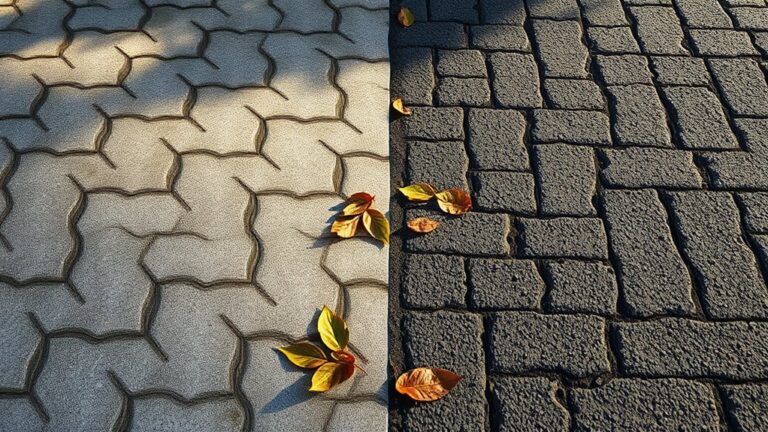
Permeable pavers not only manage water effectively but also contribute to sustainability. With enhanced color retention and minimal upkeep, these contemporary materials offer significant advantages over their predecessors, making them a wise choice for homeowners focused on durability and longevity.
The Impact of Self-Healing Asphalt Technologies

Self-healing asphalt technologies represent a transformative innovation in road maintenance, enabling proactive repairs that extend the lifespan of pavement.
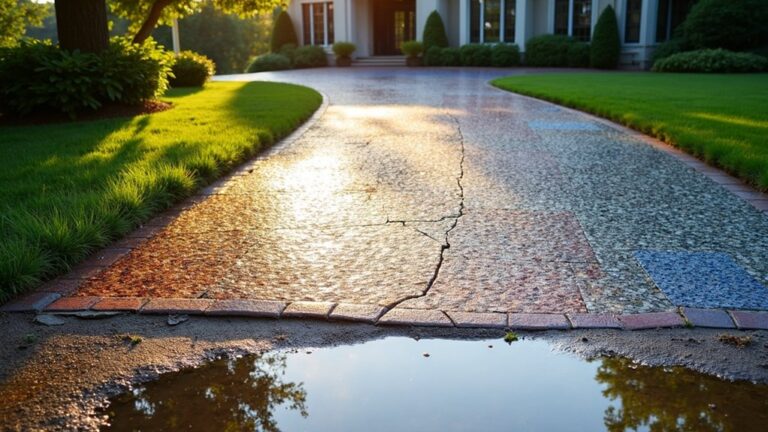
By employing self-healing mechanisms such as microcapsules filled with recycled oils, these materials actively seal cracks upon formation, which can increase road durability by up to 30%.
Self-healing asphalt utilizes microcapsules with recycled oils to seal cracks, enhancing road durability by up to 30%.
This approach not only reduces the frequency of repairs but also minimizes carbon emissions associated with asphalt production.
Integrating biomass waste into the mix enhances sustainability, contributing to a more sustainable infrastructure.
Additionally, using AI and machine learning optimizes healing efficiency, ensuring that these innovations meet the demands of modern road networks.
Ultimately, self-healing asphalt offers a robust solution for maintaining pavement integrity while promoting environmental stewardship.
Warm-Mix Asphalt and Its Environmental Benefits
Warm-Mix Asphalt (WMA) emerges as a notable advancement in pavement technology, allowing for production and application at considerably lower temperatures compared to traditional hot mix asphalt.
Utilizing WMA technologies, such as foaming and viscosity-reducing additives, this approach markedly cuts energy consumption by 30 to 120 degrees Fahrenheit.
The environmental benefits are profound; WMA applications lead to reduced emissions and a smaller carbon footprint, while conserving energy resources.
Additionally, WMA enhances working conditions by minimizing heat and fumes, enabling paving in areas with air quality restrictions.
This innovative material not only supports sustainability but also extends the paving season, mitigating waste and bolstering community impact.
Ultimately, WMA represents a pivotal shift toward eco-friendlier driveway solutions, contributing to decreased carbon footprint associated with sustainable materials.
Aesthetic Innovations in Driveway Materials
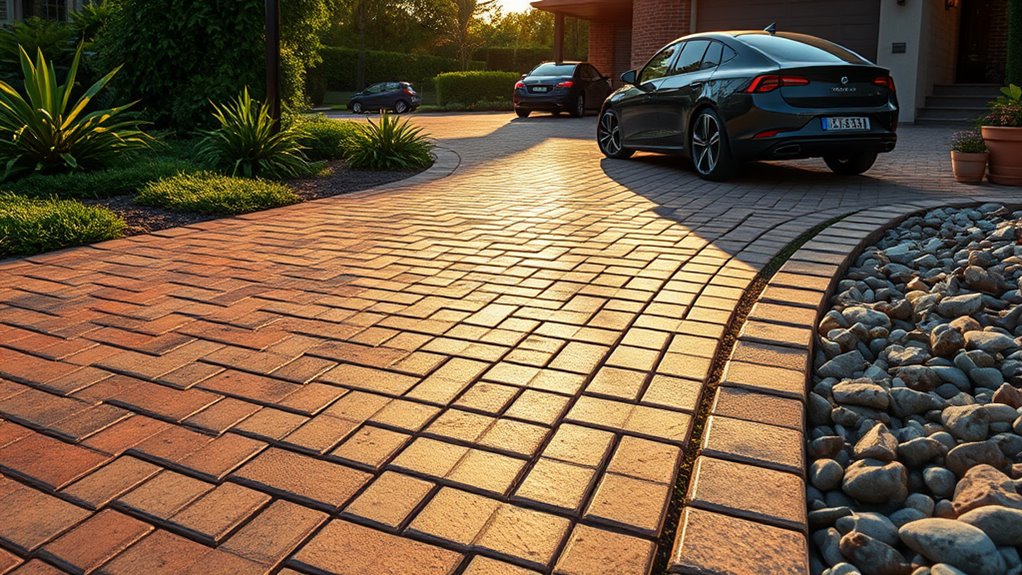
As the demand for aesthetically pleasing driveways grows, innovative materials are revolutionizing the landscape of residential and commercial paving.
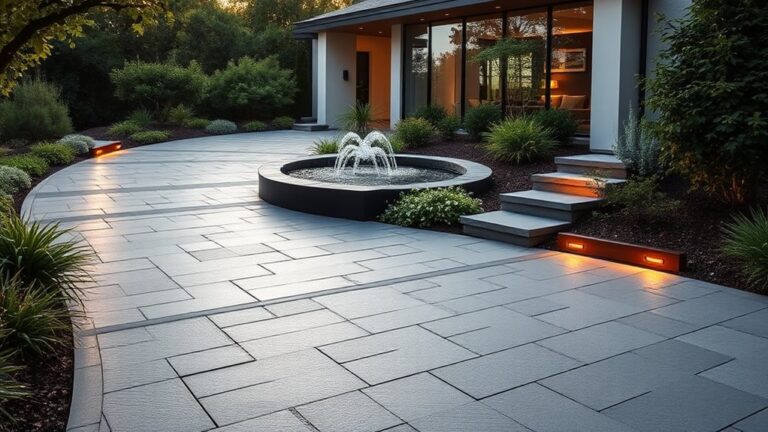
Polished concrete delivers modern aesthetics with its sleek, minimalist finish, while natural stone offers earthy textures that enhance traditional homes.
Polished concrete provides a contemporary look, while natural stone adds warmth and character to classic architecture.
Resin-bound gravel stands out with vibrant colors, perfect for eco-friendly landscapes. Additionally, resin driveways are known for their durable and low-maintenance surface, making them a practical choice for homeowners.
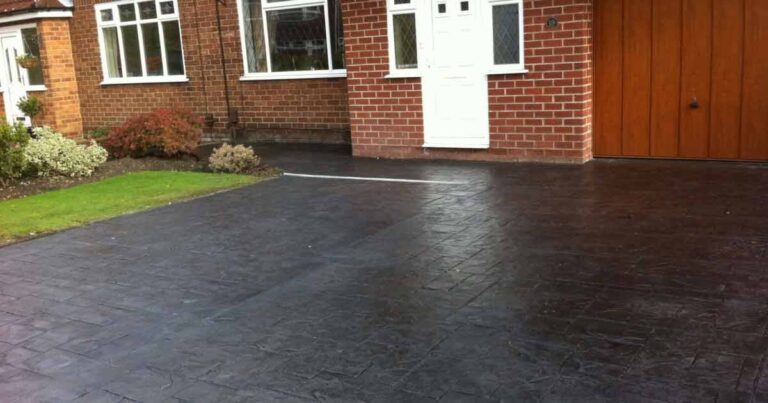
Stamped asphalt mimics brick and stone patterns, adding a touch of innovation.
Furthermore, glass pavers provide a futuristic appeal with their translucent properties.
Customization options like stamped concrete and reflective aggregates pave the way for unique designs.
Textured surfaces in permeable concrete not only enhance visual interest but also contribute to drainage efficiency.
Together, these innovations redefine how you approach driveway aesthetics.
The Economic Viability of Sustainable Driveways
While many homeowners weigh the initial costs of driveway materials, the long-term economic viability of sustainable driveways becomes increasingly compelling.
Although eco-friendly options like permeable pavers and recycled asphalt may require a higher upfront investment, they offer remarkable cost savings over time due to lower maintenance and reduced drainage needs.
These sustainable materials not only enhance property value through their aesthetic appeal but also support a healthier environment by reducing greenhouse gas emissions. Additionally, permeable paving materials can significantly mitigate stormwater runoff, further contributing to environmental sustainability.
Furthermore, the adoption of sustainable driveways can spur job creation in green industries, providing additional economic benefits.
Ultimately, the choice of eco-driveways presents a strategic investment that pays off in the long run, both financially and environmentally.
Frequently Asked Questions
How Do I Maintain Eco-Friendly Driveway Materials?
To maintain eco-friendly driveway materials, prioritize sustainable cleaning methods like mild soaps and regular sweeping. Control weeds naturally, and re-level surfaces as needed, ensuring your approach aligns with eco-friendly maintenance principles for lasting durability.
What Are the Costs of Installing Permeable Paving?
When considering permeable pavers, installation costs typically range from $5,000 to $12,000, averaging around $7,500. Factors like material choice and site complexity greatly influence these expenses, impacting your overall budget and long-term benefits.
Can Cool Pavements Be Used in Colder Climates?
While cool pavements can theoretically perform in colder climates, their effectiveness diminishes. You'll need robust winter maintenance strategies to manage snow and ice, as traditional methods may not adequately address the unique challenges presented by these materials.
Are There Warranties for Innovative Driveway Materials?
Yes, warranties for innovative driveway materials exist, often emphasizing warranty coverage based on material durability. These warranties can vary considerably, ensuring protection against defects while promoting the long-lasting benefits of advanced materials in residential applications.
How Do I Choose the Best Sustainable Option for My Home?
Imagine a medieval castle driveway; now, you're choosing the best sustainable option for your home. Prioritize eco-friendly options like permeable pavers or recycled materials, ensuring durability and minimal environmental impact for your property.
Conclusion
As you consider upgrading your driveway, remember that the latest innovations blend sustainability with cutting-edge technology. It's amusing how we once thought driveways were just, well, driveways—now they're smart, eco-friendly installations that heal themselves and combat heat. Investing in these advanced materials not only enhances your home's curb appeal but also contributes to a greener future. Who knew that paving the way for progress could also mean paving with purpose? Embrace the irony of transformation in your own driveway.

The Dilemma of Homeowners One of the most common and frustrating issues that homeowners face is driveway cracks. These cracks Read more

We all have an idea of how we want our driveways to look; whether it's the feel of a smooth Read more
We all know that the driveway is one of the most important features of any home. It sets the tone Read more