How Long Do Resin Driveways Last in Nottinghamshire?
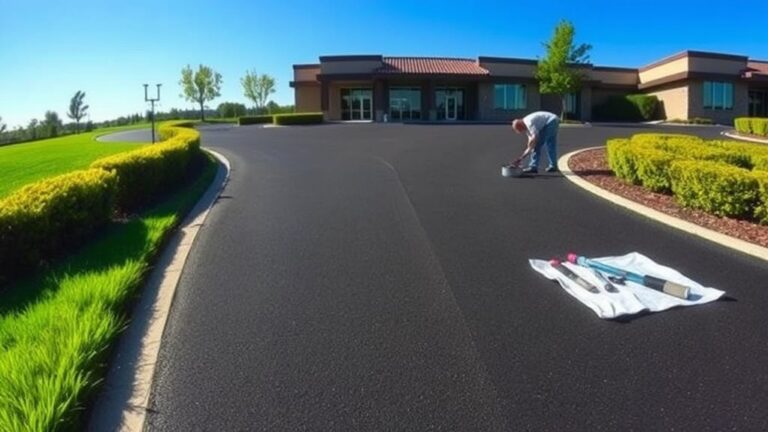
Resin driveways in Nottinghamshire typically last between 15 to 25 years, depending on the quality of installation and maintenance. Ensuring a well-prepared sub-base, using high-quality materials, and carrying out regular upkeep can significantly extend their lifespan. Environmental factors may reduce durability by up to five years, and heavy traffic can shorten it even further. To get the most out of your resin driveway, follow best maintenance practices. This will help maximise its performance and longevity.
Key Takeaways
Resin driveways in Nottinghamshire generally last between 15 to 25 years if installed and maintained properly. Using high-quality materials and skilled installation can extend their lifespan to over 20 years. However, environmental factors and heavy traffic may cut this down by 5 to 10 years. Regular maintenance like cleaning and resealing can add an extra 5 years. Additionally, proper sub-base preparation is crucial for durability, potentially contributing another 5 years to the lifespan.
Typical Lifespan of Resin Driveways

When considering a resin driveway for your home, it’s important to know its typical lifespan for effective long-term planning.
Resin driveways typically last between 15 and 25 years with proper installation and maintenance. Lower-quality installations may last around 10 years, while high-quality options can exceed 20 years, especially with regular care. In Nottinghamshire, the average lifespan mirrors national figures, making it a solid investment. Proper installation helps maximize its lifespan and ensures that your driveway remains in excellent condition over the years. Additionally, the choice of stone aggregates plays a crucial role in enhancing the durability of the surface.
Resin driveways generally outlast tarmac and gravel and require less upkeep than block paving.
To ensure longevity, prioritise quality installation and opt for UV-stable resin. This will keep your driveway both functional and attractive for many years.
Factors Influencing Driveway Longevity
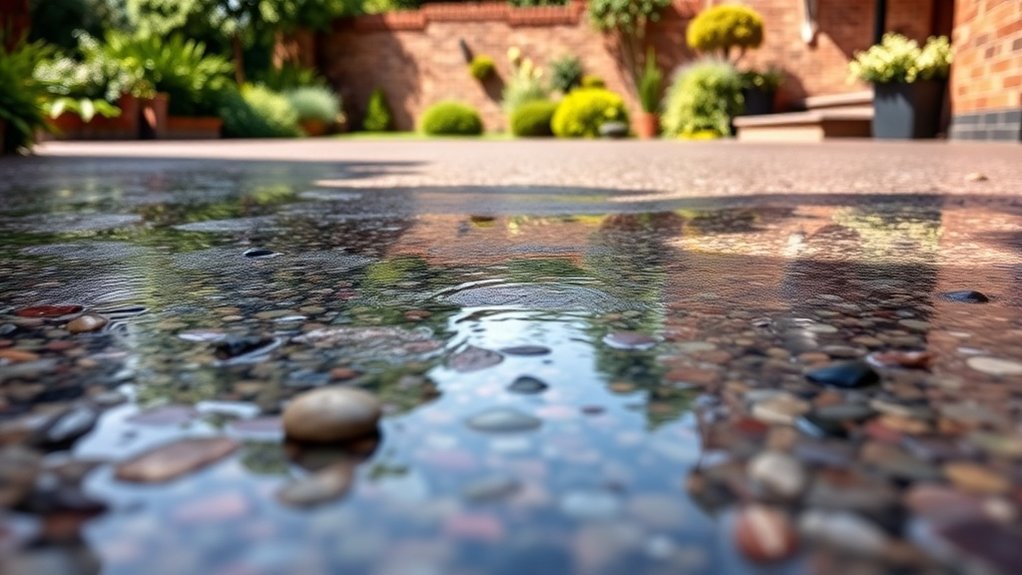
The lifespan of your resin driveway is influenced by several key factors that affect its durability and performance over time. These include installation techniques, material quality, and drainage solutions. A proper sub-base and high-quality materials can significantly extend your driveway’s life, whereas inadequate preparation can lead to cracks and shifting. Additionally, ensuring regular maintenance can help in addressing minor issues before they escalate into major repairs. Investing in high-quality resins ensures that your driveway remains visually appealing and resistant to weathering.
| Factor | Impact on Lifespan | Recommendations |
|---|---|---|
| Material Quality | Up to 20 years | Opt for premium resin and aggregates. |
| Sub-Base Preparation | +5 years | Ensure a stable, well-compacted base. |
| Environmental Factors | -5 years | Implement efficient drainage solutions. |
| Traffic Patterns | -5 to -10 years | Limit access for heavy vehicles. |
| Maintenance Practices | +5 years | Regularly clean and reseal your driveway. |
Importance of Quality Installation

Quality installation is vital for ensuring the longevity and performance of your resin driveway. Poor workmanship can lead to serious problems later on.
It’s important to use the right installation techniques, as a skilled team knows the value of high-quality materials and accurate mixing ratios. For example, opting for UV-resistant resin can prevent fading, and following aggregate grading standards improves the surface’s integrity. Additionally, investing in dedicated training for installers can significantly enhance their skills, ensuring they master the necessary techniques for a successful installation. Moreover, understanding the importance of proper site preparation is crucial, as it helps prevent future settlement issues.
Additionally, ensuring the correct depth allows your driveway to handle heavy loads without premature wear. A well-prepared sub-base, laid in dry conditions, is essential to avoid settlement issues.
If these standards aren’t met by a skilled team, your driveway could face surface failure within a year, wasting your investment and significantly shortening its lifespan.
Weather Conditions and Their Impact

Understanding how the weather in Nottinghamshire affects your resin driveway is key to keeping it in good condition. The area’s temperate maritime climate means your driveway needs to be adaptable and resilient.
- Resin driveways cope well with moderate rain, but too much water can lead to waterlogging if there’s insufficient drainage.
- Temperature changes, like winter frost or summer heat, typically don’t harm flexible resin surfaces.
- UV-resistant resins help prevent fading, even with Nottinghamshire’s moderate sunlight.
- Seasonal debris can hold moisture, encouraging algae growth if not removed quickly.
- Regular upkeep is crucial to minimise the impact of weather on your driveway’s lifespan.
Maintenance Requirements for Resin Driveways
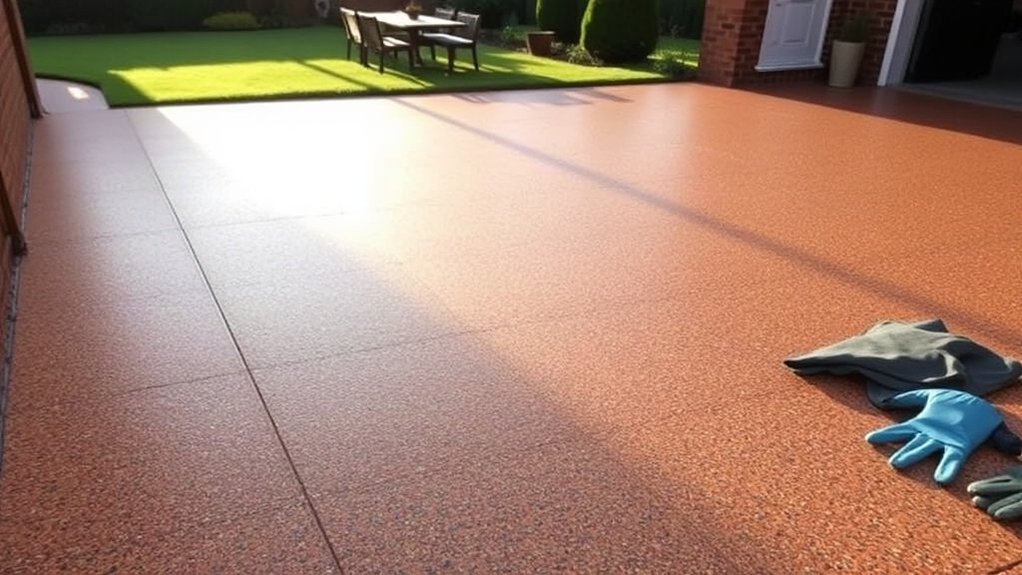
To keep your resin driveway looking its best and to ensure it lasts, regular maintenance is key.
Sweep your driveway weekly with a stiff-bristled broom to avoid dirt and leaf build-up. It’s best to wash it gently with mild detergent and warm water three to four times a year.
For a deeper clean, use medium-pressure washing twice a year—this won’t damage the surface. Every three months, tackle stubborn stains with spot cleaning.
Reseal your driveway every 1-2 years to extend its life. Don’t forget seasonal cleaning in spring and autumn to clear away debris.
Using the right tools, like soft brushes and low-pressure hoses, will help maintain the resin’s integrity while keeping it clean.
Comparison to Other Driveway Surfaces

Regular maintenance is key to the longevity of any driveway surface, but selecting the right material from the outset can significantly impact both performance and upkeep.
Here’s how resin driveways compare to traditional surfaces:
- Resin driveways typically last 15 to 25 years with minimal upkeep.
- Tarmac usually requires resurfacing every 10 to 15 years, while concrete is prone to cracking and staining.
- Block paving can shift over time, reducing its lifespan and making it vulnerable to weed growth.
- Resin driveways feature a permeable surface that enhances drainage and meets SUDS regulations, unlike non-permeable materials.
- In terms of aesthetics, resin driveways maintain vibrant colours over the years, whereas traditional options often fade.
Choosing resin can save you time and money in the long run, making it a smart investment for your property.
Benefits of Choosing Resin Driveways

When choosing a driveway, resin driveways are an excellent option due to their impressive durability and longevity. They can last between 20 to 30 years with minimal upkeep, resisting cracks, fading, and stains.
Resin surfaces maintain their strength under heavy vehicles and can withstand the UK’s varied weather conditions.
Their smooth, seamless finish not only looks great but also enhances safety by reducing slip risks. Plus, resin driveways are eco-friendly, as they support sustainable urban drainage systems, allowing rainwater to soak through naturally, which helps to prevent surface runoff and water pooling.
With very little maintenance needed, you can enjoy a stylish and functional driveway that complements your home without the hassle associated with traditional materials.
Common Issues and How to Prevent Them

When installing resin driveways, it’s crucial to focus on quality to avoid common problems like moss and algae.
Ensure proper preparation of the sub-base and use the right resin-to-aggregate ratio to boost durability.
Regular maintenance, such as cleaning and sealing, is vital to prevent biological growth and prolong the life of your driveway.
For example, a well-maintained driveway not only looks better but also saves you money on repairs in the long run.
Moss and Algae Growth
Moss and algae can be a real nuisance on resin driveways if not dealt with promptly, as they flourish in damp, shaded spots where water collects.
To keep your driveway looking its best and to ensure its longevity, follow these straightforward steps for prevention and treatment:
- Ensure a porous, well-drained subbase to avoid puddling.
- Regularly clear away organic matter, such as leaves and dirt.
- Trim back any overhanging branches to let in more sunlight.
- Periodically apply biocides or fungicidal treatments to stop regrowth.
- Use surface sealants to deter organic growth and create a water-resistant barrier.
Installation Quality Concerns
Maintaining a resin driveway goes beyond just dealing with moss and algae; the quality of the installation significantly impacts its durability.
Common issues often stem from poor base preparation, incorrect resin mixing, and inadequate drainage. To avoid these pitfalls, ensure that installers have professional training. They should be knowledgeable about key installation techniques, such as creating a solid sub-base and applying resin at the recommended thickness of 15mm to 18mm.
Using high-quality, UV-stable resins is crucial to prevent early wear. Additionally, the drainage design must effectively manage water runoff to reduce the risk of pooling.
The Role of Materials in Durability

The quality of resin you select significantly affects your driveway’s durability.
High-performance resins offer crucial UV resistance, which helps prevent fading and brittleness, ensuring a long-lasting surface.
Additionally, following strict installation material standards is vital for creating a solid foundation that supports the overall lifespan of your resin driveway.
Quality of Resin
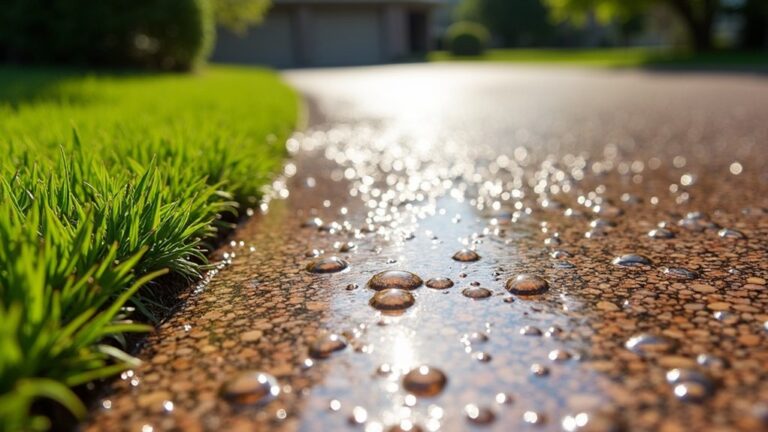
The durability of resin driveways largely depends on the quality of the materials used. High-grade resin, especially polyurethane, offers excellent bonding strength and weather resistance. When paired with clean, graded aggregates, these resins form a robust, seamless surface that’s resistant to cracking and erosion.
Using two-part resin kits ensures consistent mixing, which improves overall performance.
- Natural aggregates enhance flexibility and adaptability to ground movement.
- Solvent-free systems ensure safety during installation.
- UV-stable formulations help prevent fading over time.
- Quality materials minimise the chances of installation failures.
- Careful selection of aggregates enhances longevity and surface integrity.
Investing in high-quality resin is essential for ensuring your driveway lasts and withstands the elements effectively.
UV Resistance Importance
UV Resistance Importance
When it comes to the longevity of resin driveways, UV resistance is crucial for maintaining both appearance and strength. Sunlight exposure can lead to fading, brittleness, and cracking over time. Without adequate UV protection, your driveway could wear out much faster.
Opting for UV-resistant materials offers significant advantages, such as preventing yellowing and keeping colours vibrant. These specially formulated resins are designed for durability, allowing for flexibility and minimising the risk of cracks.
They also withstand temperature changes and moisture, which is important given the unpredictable weather in the UK.
Investing in UV-stable resins means a longer-lasting driveway that retains its look and functionality for many years, even in challenging climates like Nottinghamshire’s.
Installation Material Standards
When installing resin driveways, it’s crucial to follow material standards to ensure the surface performs well and lasts.
Adhering to these standards helps your driveway endure the elements and everyday wear and tear.
- Opt for polyurethane-based resins for enhanced durability.
- Choose solvent-free resin systems to promote safety and protect the environment.
- Ensure aggregates are clean, well-graded, and uniform in size to achieve optimal bonding.
- Check that materials comply with BS 8204-6:2008+A1:2010 for slip resistance.
- Maintain the correct resin-to-aggregate ratios to meet industry standards.
Enhancing Property Value With Resin Driveways

Investing in a resin driveway can significantly boost your property’s value, thanks to its eye-catching appearance and contemporary look. A well-installed resin surface can increase property value by as much as 10%, making it attractive to potential buyers.
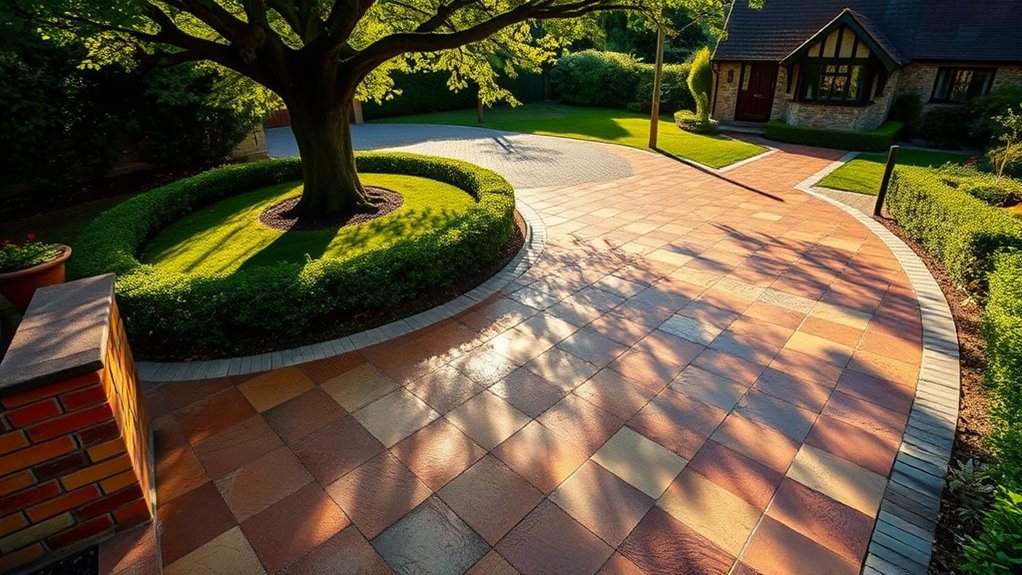
With a range of colours and textures available, you can customise the driveway to complement your home’s style, greatly enhancing its overall appeal.
Moreover, properties featuring resin driveways tend to sell more quickly, as estate agents often promote them as desirable features. Their low maintenance requirements and durability also attract buyers who appreciate easy ownership.
Frequently Asked Questions
Can I Install a Resin Driveway Myself?
You can try to install a resin driveway yourself, but if you lack the right skills and tools, you risk losing the benefits of the surface. Hiring a professional ensures durability and helps avoid problems like cracking, while also guaranteeing a smooth, long-lasting finish. For instance, a poorly laid driveway can lead to uneven surfaces that collect water, causing further damage over time.
How Much Does a Resin Driveway Cost?
A resin driveway usually costs about £3,000, including installation and materials. It’s a great choice due to its low maintenance and durability, offering a long-lasting and attractive solution for your property.
Are Resin Driveways Environmentally Friendly?
Yes, resin driveways are environmentally friendly. They feature permeable surfaces that allow rainwater to drain away, reducing runoff and pollution. Additionally, they are made from responsibly sourced materials, which means less reliance on harsh chemicals. This makes them a great choice for eco-conscious landscaping in the UK.
What Colors Are Available for Resin Driveways?
Resin driveways offer a variety of colour options, from natural tones to bespoke mixes. This flexibility allows you to achieve a distinctive look that enhances your property’s appeal while maintaining durability and style. Whether you prefer earthy shades or vibrant hues, there’s something to suit every taste.
Can Resin Driveways Be Repaired Easily?
Yes, resin driveways can be easily repaired. By following some simple maintenance tips and keeping an eye on factors that affect their longevity, you can tackle minor damages with spot-filling. This way, your driveway will stay functional and looking good for years to come.
Conclusion
In summary, resin driveways can last over 20 years if installed and maintained properly, much like a reliable watch. Their longevity depends on factors such as the quality of installation and local weather conditions. By keeping up with regular maintenance, you can maintain their appearance and potentially increase your property’s value. Choose wisely, and your driveway will serve you well for many years.

How to effectively repair cracks in your concrete driveway hinges on understanding the right techniques; discover the essential steps to Read more
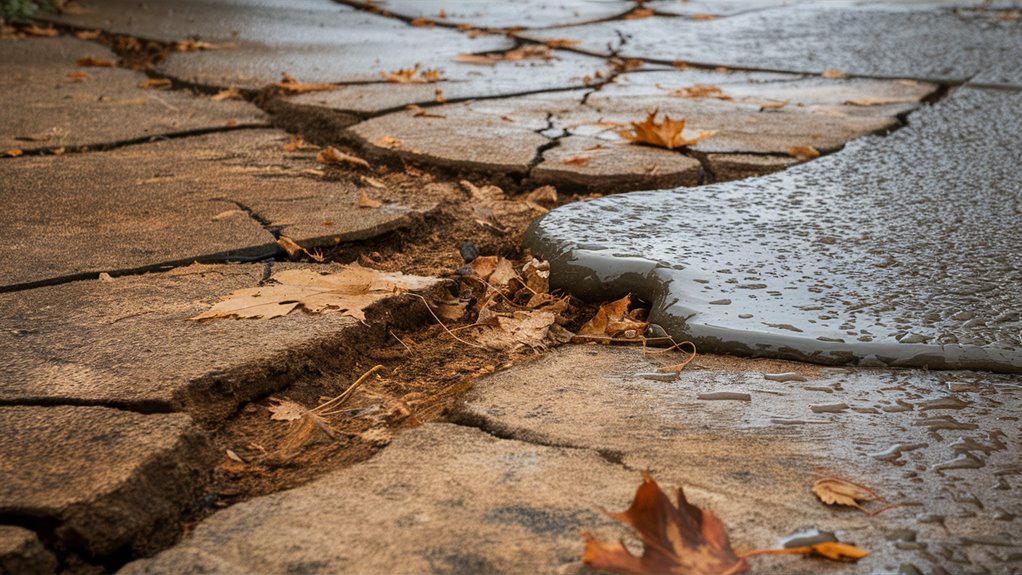
Over time, weather can severely damage your driveway; discover essential tips to prevent costly repairs and maintain its integrity.

With strategic planning and smart materials, you can significantly cut maintenance costs on commercial driveways—discover the secrets to maximizing your Read more