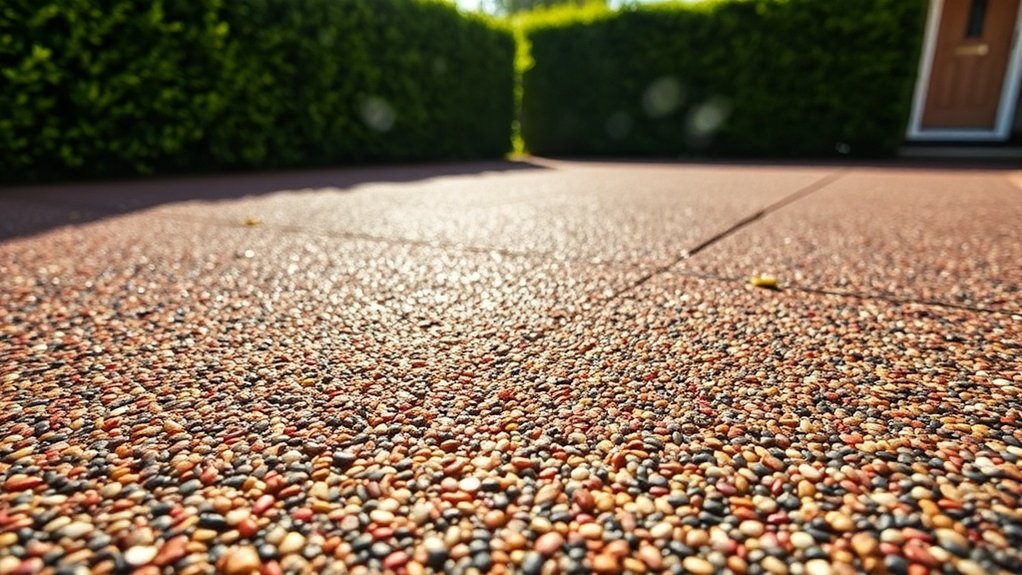
Do Resin Driveways Need Sealing in Nottinghamshire?
Yes, resin driveways in Nottinghamshire require sealing to protect against water, oil, and UV damage. Sealing helps maintain a bright appearance and prevents issues such as moss and weed growth. It also boosts durability, potentially extending the driveway’s lifespan to around 20-25 years with proper care. Generally, you should reseal every 2-3 years, although local weather and usage may influence this. For tips on maintenance and best practices to prolong your driveway’s life, read on.
Key Takeaways
Yes, sealing is important for resin driveways in Nottinghamshire to protect against water, oil, and UV damage. Regular sealing helps keep your driveway looking fresh and prevents stains, moss, and weeds from taking hold.
It’s advisable to reseal every 2-3 years, or annually if your driveway sees a lot of traffic. With proper sealing and maintenance, a resin driveway can last 20-25 years.
Additionally, seasonal care and regular checks are essential to prevent moisture issues and damage caused by the weather.
Understanding Resin Driveway Composition
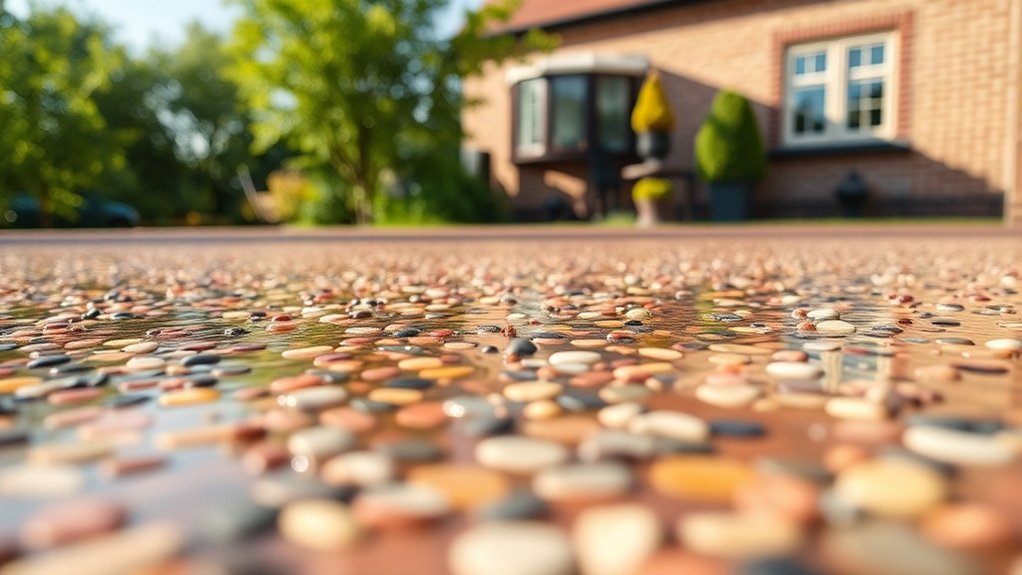
Resin driveways are made from a carefully chosen blend of components to ensure they’re both durable and visually appealing.
The main ingredients include natural aggregates like marble and gravel, which provide strength and a range of textures. Polyurethane resin acts as the binder, with options for UV-resistant or non-UV-resistant types to help maintain colour and flexibility. The selection of stone aggregates is crucial for ensuring proper drainage and longevity.
The aggregates typically consist of stones measuring between 1-5mm, mixed with sand to achieve the desired surface finish. The mixing ratio is usually about 7% resin to the total weight of the aggregates, ensuring a thorough coating and strong bond. This precise composition not only looks good but also meets sustainable drainage standards, effectively managing water on your driveway, and contributes to the long-term savings associated with resin driveways.
The Importance of Sealing Resin Driveways
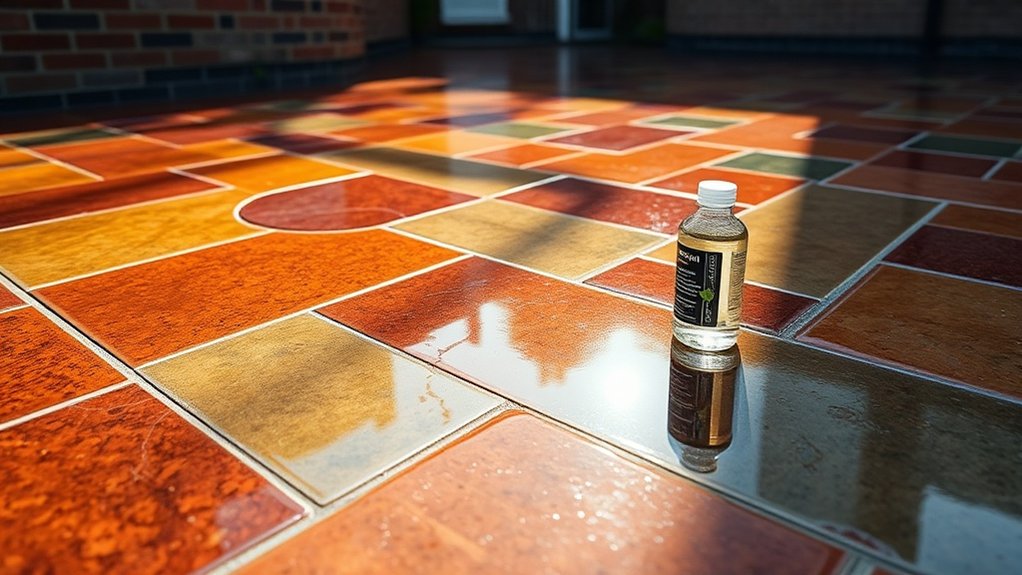
The aesthetic appeal of a resin driveway is undeniable, but failing to seal it can lead to serious long-term problems. Sealing your driveway creates a protective layer against environmental damage like water, oil, and UV rays. In Nottinghamshire’s varied weather, this protection is crucial for keeping your driveway looking vibrant and glossy. Unsealed surfaces are more susceptible to stains, moss, and weed growth, which can ruin their appearance. Regular sealing not only maintains the colour but also extends the driveway’s lifespan, often lasting 20 to 25 years. Therefore, applying a sealant is vital for keeping your driveway attractive and structurally sound, making it a worthwhile investment for your property. Additionally, a properly installed driveway can achieve a long lifespan of 20-25 years with the right maintenance, emphasizing the importance of sealing. Furthermore, regular inspections and reapplication of sealants every 3-5 years are recommended to ensure ongoing protection and durability.
Benefits of Regular Maintenance and Sealing
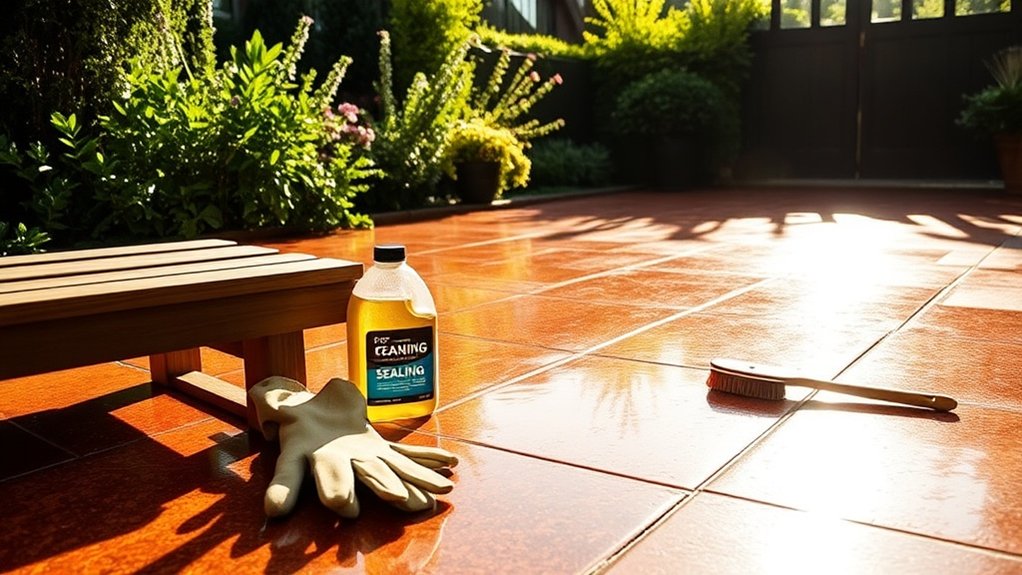
Regular maintenance and sealing of your driveway provide key benefits that improve both its function and appearance. Sticking to a maintenance schedule helps maintain permeability, preventing water pooling and reducing flood risks, especially in Nottinghamshire’s wet climate. This upkeep also keeps your driveway looking good by protecting its colour from UV damage, ensuring a modern finish that can enhance your property’s value. Additionally, regular cleaning helps prevent surface stains and premature wear, potentially extending your driveway’s lifespan to over 20-25 years. Ongoing maintenance can also minimise the chances of expensive repairs, making it a smart financial choice. Furthermore, the permeable surface allows for effective water drainage, preventing runoff and pooling during heavy rains, while also reducing the need for costly repairs and maintenance.
Recommended Sealing Frequency for Optimal Performance

To keep your driveway looking good and protected, it’s important to reseal it regularly. Generally, you should aim to reseal every 2-3 years, but this can change based on how much you use it and the local weather.
For instance, driveways that see a lot of traffic may need resealing more often than those with less use.
In Nottinghamshire, where it’s often chilly and rainy, you might find that resealing annually is best, especially if you start to see fading, cracks, or discolouration.
Regular checks on your driveway will help you decide the right resealing schedule to maintain its condition.
Always consider manufacturer recommendations and seek professional advice if you’re unsure.
Seasonal Care and Its Impact on Driveway Durability
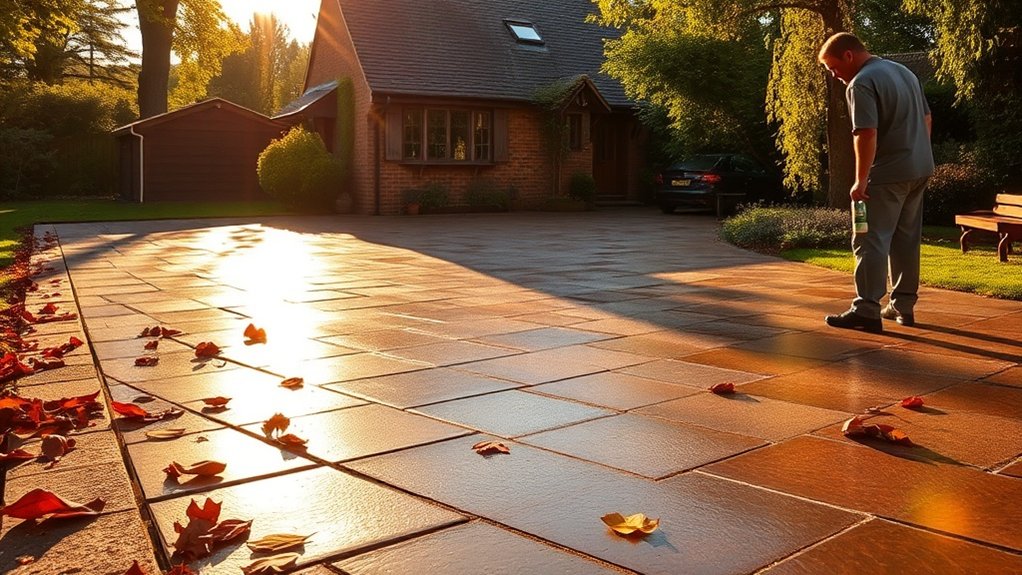
To keep your resin driveway in good shape, it’s essential to pay attention to seasonal changes that can impact its durability.
Cold winters can lead to moisture getting in and freeze-thaw cycles, which may cause cracking and surface stress. In the warmer months, UV rays can damage unprotected resin, leading to colour fading and brittleness.
Additionally, rain and snow can create grime, algae, and moss, which not only look unsightly but can also reduce grip.
To combat these issues, regular maintenance is key. Conducting pre-winter checks and post-winter clean-ups can help prevent long-term damage.
Keeping an eye on surface wear throughout the year allows for timely repairs. By addressing these seasonal challenges, you can significantly extend the life and appearance of your resin driveway.
Environmental Considerations and Compliance
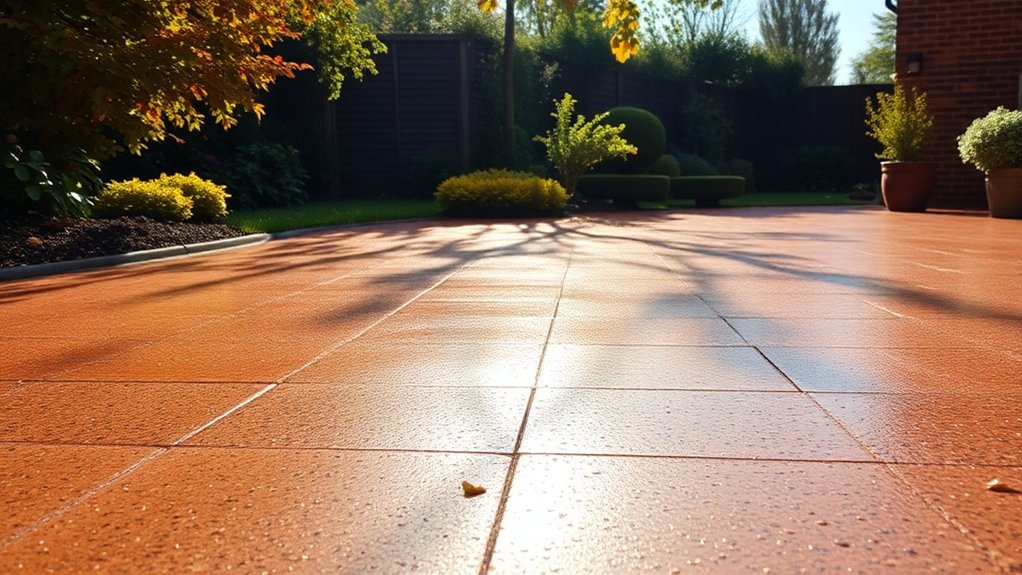
When considering a resin driveway, it’s important to be aware of its environmental impact and local regulations.
Resin driveways offer significant permeability benefits, which help prevent surface water pooling and comply with Sustainable Drainage Systems (SuDS) guidelines.
Here are some key points:
- Resin driveways can drain up to 850 litres of water per minute per square metre, which is more than sufficient for heavy rainfall.
- They’re made from recycled materials, reducing their environmental footprint.
- In Nottinghamshire, planning permission is required for impermeable surfaces over 5m², but permeable options like resin usually don’t need approval.
Cost-Effectiveness and Value of Sealed Resin Driveways
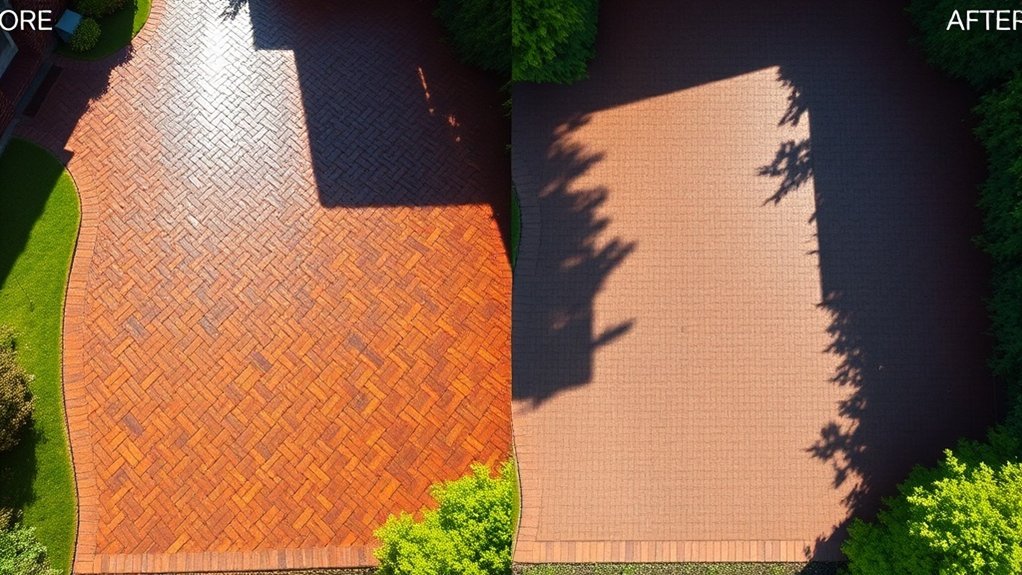
Many homeowners are drawn to the initial look of a resin driveway, but sealing it every 2-3 years is where the real long-term cost-effectiveness lies. This simple step enhances durability, helping to avoid expensive repairs due to cracks and stains.
A protective seal not only shields against the British weather but also keeps the colour vibrant and the finish smooth, which boosts your home’s curb appeal.
By reducing the frequency and effort of maintenance, sealing can lower long-term costs. Using high-quality sealants ensures your driveway retains its attractive appearance, potentially increasing your property’s value when it comes time to sell.
Frequently Asked Questions
Can I Seal My Resin Driveway Myself?
Yes, you can seal your resin driveway yourself. Maintaining your resin driveway properly can extend its life and keep it looking good. By sealing it, you’ll benefit from UV protection and stain resistance, helping to ensure your driveway stays vibrant and durable. For example, sealing can help prevent discolouration from sunlight and make it easier to clean up spills.
What Tools Do I Need for Sealing?
To seal effectively, you’ll need a roller for an even application, a brush for the edges, and masking tape for protection. Using proper sealing techniques not only boosts durability but also improves appearance, offering significant benefits that can extend your driveway’s lifespan.
How Long Does the Sealing Process Take?
The sealing process usually takes between 2 to 4 hours, including drying time. It’s advisable to seal your driveway every 2 to 3 years to improve its durability and appearance, helping to protect it against wear and the elements.
Are There Any Weather Restrictions for Sealing?
When sealing your driveway, consider the weather as a crucial factor. Ideal conditions are mild temperatures and dry skies to ensure the sealer adheres properly without moisture causing issues. For best results, avoid sealing during rain or extreme heat—think of a pleasant spring day. Choose the right weather for a durable finish.
Can I Change the Color When Sealing?
You can’t significantly change the colour when sealing, but you can enhance the existing shades. Explore different colour options and sealing techniques for a more vibrant look, while always following the manufacturer’s guidelines for optimal results.
Conclusion
In summary, sealing your resin driveway in Nottinghamshire is essential for its longevity. Properly sealed driveways can last up to 25% longer than those that aren’t, protecting your investment from wear and environmental damage. Regular maintenance and sealing not only improve durability but also enhance the appearance of your driveway. Don’t skip this important step—keep your resin driveway looking great and standing strong for years to come.

Compare resin and concrete driveways to discover which option provides superior durability and value, but the answer may surprise you.

The rise of resin-bound driveways is transforming outdoor aesthetics, but what hidden advantages might make them the perfect choice for Read more

Get the facts on resin vs. concrete driveways and discover which option could save you money in the long run. Read more