
Are Resin Driveways Slippery When Wet in Nottinghamshire?
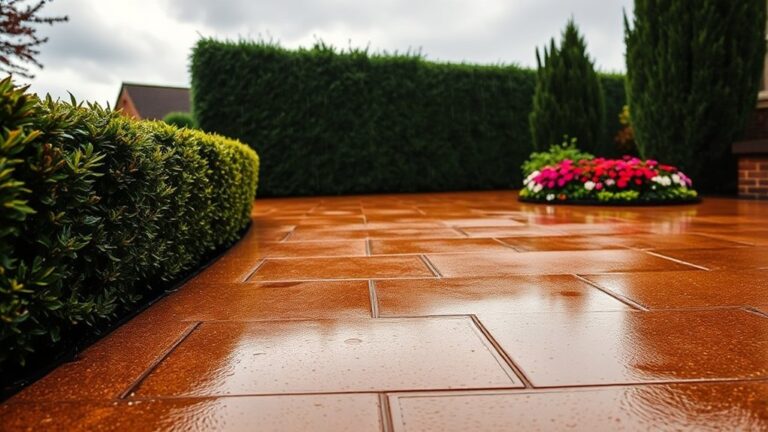
Resin driveways in Nottinghamshire can be safe when designed with proper slip resistance. Incorporating coarse aggregates improves traction, especially in wet weather, and ensures safety standards are met. Regular maintenance, such as cleaning, helps keep the surface clear of debris that could cause slipping. Additionally, the right permeability aids drainage, further reducing risks. For more insights on ensuring a secure surface, consider looking into durability and correct installation practices.
Key Takeaways
Resin driveways can become slippery when wet, especially if fine aggregates are used without anti-slip additives. To improve slip resistance, opt for coarse aggregates (2–5 mm), which provide better grip in wet conditions.
Regular maintenance, like cleaning, helps prevent debris build-up, enhancing safety. Adhering to safety standards is crucial for ensuring adequate traction and reducing slip risks.
Additionally, proper installation and the use of quality materials aid in effective drainage, minimising the chances of hydroplaning on rainy days.
Understanding Slip Resistance of Resin Driveways
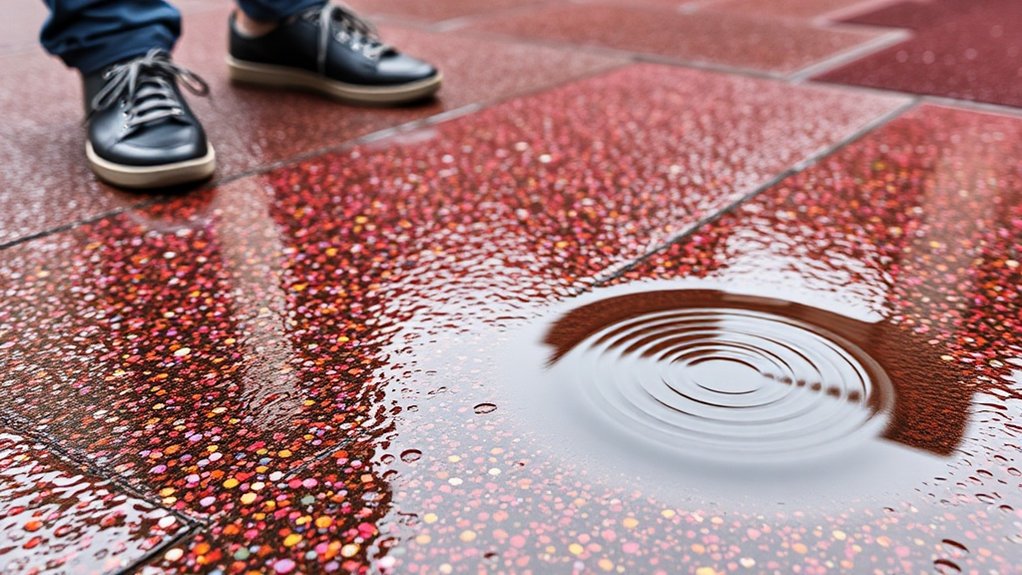
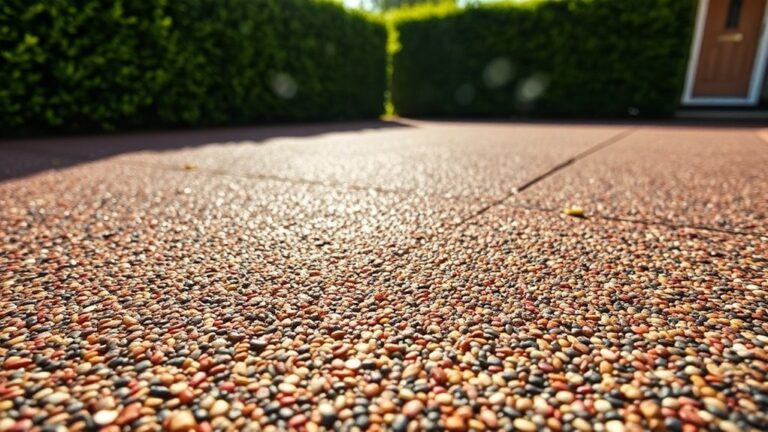
When choosing resin driveways, it’s crucial to understand slip resistance, particularly for safety in wet conditions. The type of resin and aggregate you select significantly impacts slip performance. Coarse aggregates (2–5 mm) create a rougher surface, increasing friction and lowering slip risks. On the other hand, fine aggregates (1–3 mm) can result in a smoother finish, which may reduce slip resistance unless you incorporate anti-slip additives. Resin-bonded systems generally offer better traction than resin-bound systems due to the loose aggregate on the surface. Moreover, natural rounded aggregates provide grip from multiple directions, while angular aggregates improve shear resistance on slopes. Resin driveways also provide a slip-resistant surface due to natural aggregates, enhancing safety in wet conditions. Regular maintenance practices, such as cleaning every 4-6 weeks, help ensure that the surface remains free from debris that could contribute to slipperiness. Always take into account the surface finish method, as it directly affects the aggregate profile and the slip resistance you can expect.
Benefits of Textured Surfaces for Traction
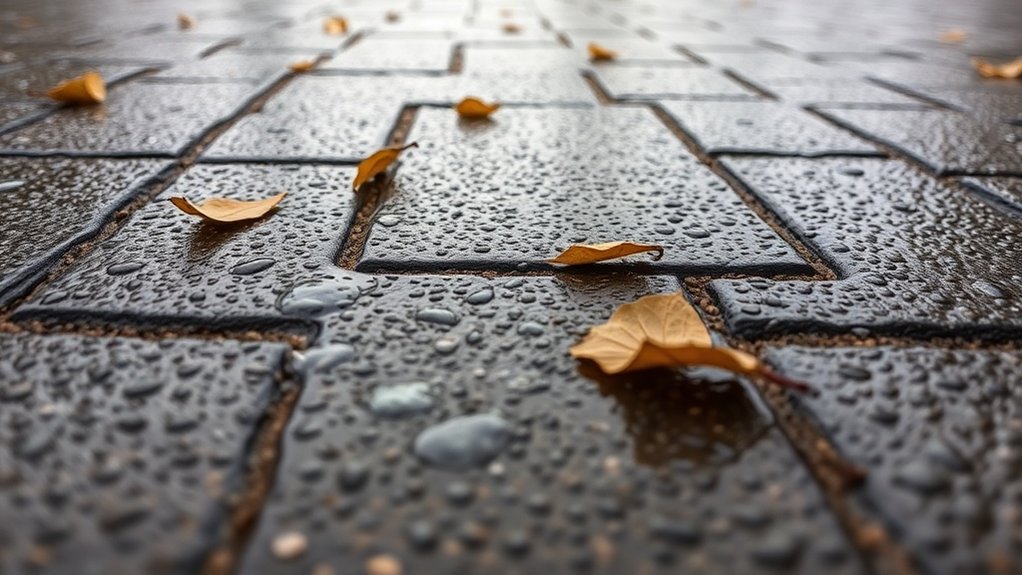
Textured surfaces are essential for improving traction on resin driveways, particularly in unpredictable weather. Coarser aggregates, sized between 2–5 mm, create a rough surface that enhances grip with shoe soles and tyres. Using mixed-size aggregates ensures stability, even when fine particles are wet. Adding materials like crushed glass increases micro-roughness, significantly boosting slip resistance. Furthermore, permeable systems facilitate quick drainage, reducing standing water that can lead to slips. Selecting UV-stable resins helps maintain exposed textures and prevents overly smooth finishes, ensuring a safer surface. Additionally, the durable and resistant nature of resin driveways contributes to their longevity and effectiveness in various conditions. Regular upkeep, such as pressure washing, keeps these textured surfaces effective, maximising traction benefits for your driveway. The combination of professional installation and high-quality materials plays a crucial role in achieving optimal traction and durability.
Compliance With Safety Standards in Nottinghamshire

Maintaining traction on resin driveways isn’t just about selecting the right surface; adhering to safety standards is crucial. In Nottinghamshire, your driveway must comply with BS 8204-6:2008+A1:2010, which ensures slip resistance through appropriate resin types and installation methods. Additionally, ensuring compliance with Sustainable Urban Drainage Systems (SuDS) helps to manage water runoff effectively. Choosing the right aggregate size is essential as it promotes even resin distribution, reducing slip risks for both pedestrians and vehicles. Furthermore, installations must also comply with SUDS regulations, which allow for natural water drainage and help mitigate flooding. Resin driveways are also known for their smooth and even surface, which minimizes tripping and slipping risks. Hiring qualified professionals ensures your driveway meets all these standards, improving safety and durability.
The Role of Permeability in Drainage and Safety
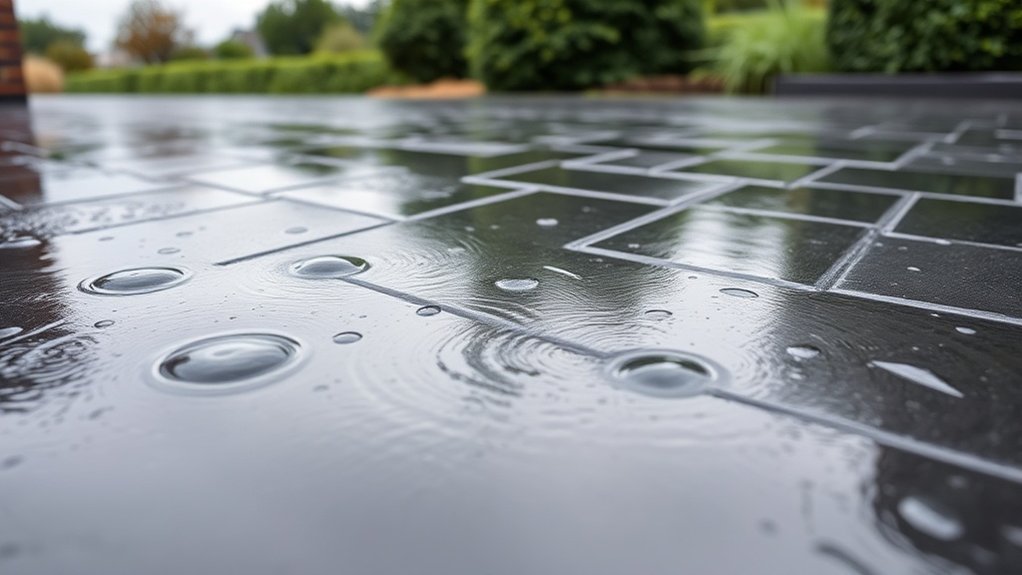
Permeability is crucial for resin driveways, allowing rainwater to drain effectively and preventing puddles.
This drainage solution not only adheres to sustainable urban drainage regulations but also enhances safety for pedestrians and vehicles.
Benefits of Permeable Surfaces
As urban areas expand, effective stormwater management becomes crucial.
Permeable surfaces provide significant benefits by allowing water to soak through, which reduces surface runoff and lowers the risk of urban flooding. This process helps recharge groundwater and eases the burden on drainage systems, preventing damage and minimising sewer backups.
Moreover, permeable pavements enhance safety by reducing hydroplaning risks and improving grip on wet surfaces. They also filter pollutants from stormwater, benefiting the environment.
Enhanced Drainage Solutions
Using permeable surfaces such as resin driveways not only improves the look of urban areas but also significantly enhances drainage and safety.
Here’s how they work:
- Natural Drainage: Rainwater seeps through the porous material, minimising pooling and flooding.
- Stormwater Control: Reduced pressure on local drainage systems helps prevent runoff that carries pollutants.
- Slip Resistance: The surface offers good grip in wet conditions, lowering the risk of accidents.
- Meets Regulations: Complies with UK sustainable urban drainage standards, ensuring long-term performance.
These benefits create a safer environment while supporting the natural water cycle in Nottinghamshire.
Choosing resin driveways means investing in a durable, eco-friendly option that enhances both your property and the community.
How Resin Driveways Prevent Slipping Hazards
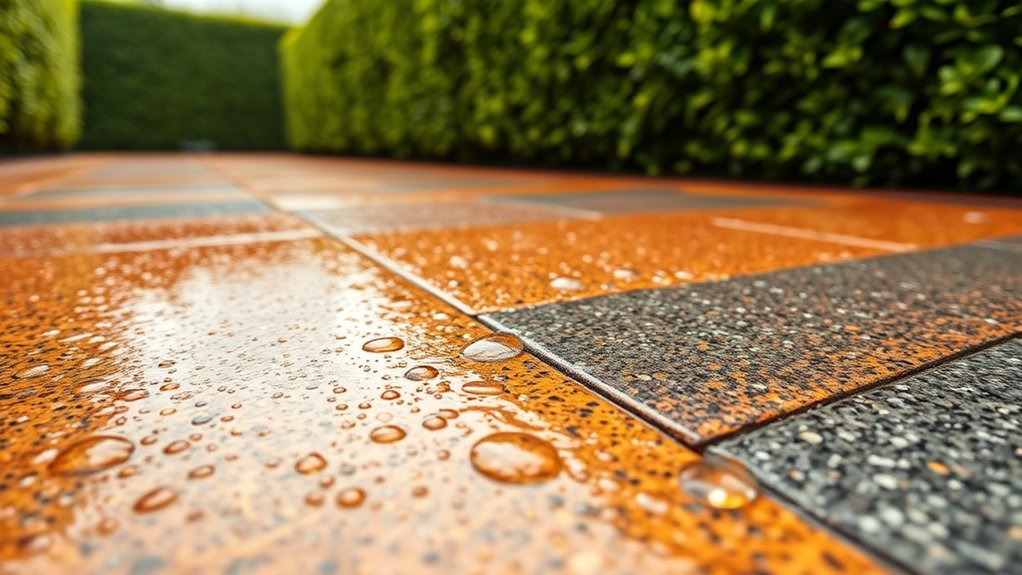
Choosing a resin driveway not only gives you an attractive surface but also enhances safety. The textured aggregates create a rough finish that significantly reduces the risk of slipping, even when it’s wet.
This bound-aggregate surface remains stable and non-slip when properly installed, making it perfect for areas prone to rain. You can customise the coarser aggregate sizes for slopes, further boosting safety.
For added grip, anti-slip additives can be blended into the resin, preserving the aesthetic without sacrificing functionality.
With skid resistance values higher than asphalt, you can rely on your resin driveway for reliable traction all year round. Regular maintenance will help keep these safety features effective.
Safety Features for Families and Elderly Residents

When choosing resin driveways, it’s crucial to consider safety features such as enhanced traction surfaces, especially for families and elderly residents.
These driveways comply with strict slip resistance standards, providing secure footing for everyone, including those using mobility aids like walking sticks or wheelchairs.
Enhanced Traction Surfaces
Enhanced traction surfaces are crucial for the safety of families and elderly residents, offering a dependable grip for everyday activities.
With appropriate materials and design, the benefits include:
- Texture Variations: Different finishes provide excellent grip for both children and seniors.
- Grip Enhancements: Anti-slip features help prevent falls, particularly in wet conditions.
- Durability: Sturdy materials endure heavy foot traffic and retain their traction over time.
- Safety for All: These surfaces are wheelchair-friendly, making them suitable for residents with mobility challenges.
Slip Resistance Standards
Ensuring a safe environment for families and elderly residents involves following slip resistance standards that help prevent falls.
Standards like BS 8204-6:2008+A1:2010 require slip testing to determine the Pendulum Test Value (PTV) of resin surfaces. A wet PTV of at least 36–40 is generally recommended, with higher values needed in areas prone to vehicle skidding or on steep slopes.
Adding anti-slip materials can significantly improve traction, enhancing safety. Proper drainage and surface texture are also important to reduce the risk of hydroplaning.
Regular cleaning is crucial, as dirt and debris can decrease slip resistance. By selecting resin driveways that comply with these standards, you can create a safer environment for everyone, particularly for those who are more vulnerable.
Safe for Mobility Aids
A smooth, seamless surface makes resin driveways a great option for families and older residents using mobility aids. They enhance safety in several ways:
- Continuous Surface: There are no trip hazards for wheelchair users or pushchairs, eliminating gaps that could catch wheels.
- Strength and Stability: They can support heavy mobility equipment without wear, ensuring reliable use.
- Permeable Drainage: They effectively drain water, preventing puddles and ice patches that lead to slips.
- Inclusive Design: Features like flush changes and gentle gradients make navigation straightforward for everyone.
With minimal maintenance needed, resin driveways offer a durable, safe solution that meets the needs of mobility aid users, providing peace of mind for families and older residents.
Durability and Longevity of Resin Driveways

When considering a resin driveway, it’s important to understand its durability and longevity, as these factors affect your investment.
The type of resin you choose, such as polyurethane or epoxy, is crucial; polyurethane provides better UV resistance, while some epoxies may harden quickly but can yellow over time.
The quality of the aggregate also impacts wear resistance—high-density, angular aggregates are more durable than softer stones.
To ensure longevity, it’s essential to have a solid, well-compacted base that promotes drainage and reduces stress from freeze-thaw cycles.
Keep in mind that while residential use typically offers a lifespan of 15 to 25 years, heavy vehicles can significantly shorten this.
Proper installation and regular maintenance can further enhance the durability of your driveway.
Professional Installation and Maintenance Tips
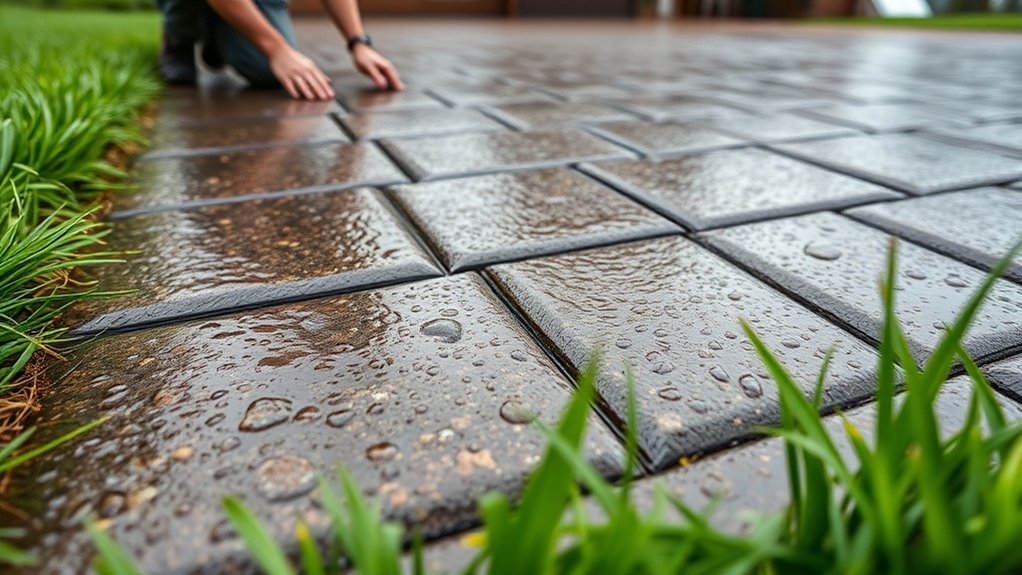
When installing a resin driveway, it’s crucial to understand professional installation and maintenance to ensure optimal performance and safety. Here are some key tips:
- Ground Preparation: Ensure a solid sub-base to avoid movement and water pooling.
- Installation Techniques: Mix resin and aggregate carefully for even binder distribution.
- Aggregate Selection: Opt for aggregate sizes between 2–6 mm to achieve a good balance of permeability and slip resistance.
- Curing Conditions: Monitor temperature and humidity during the curing process to maintain a consistent surface texture.
For ongoing slip resistance, establish a maintenance routine that includes regular sweeping to clear debris.
If considering anti-slip additives, make sure they’re compatible with your resin system.
These practices will help keep your driveway safe and functional.
Customization Options for Aesthetic Appeal

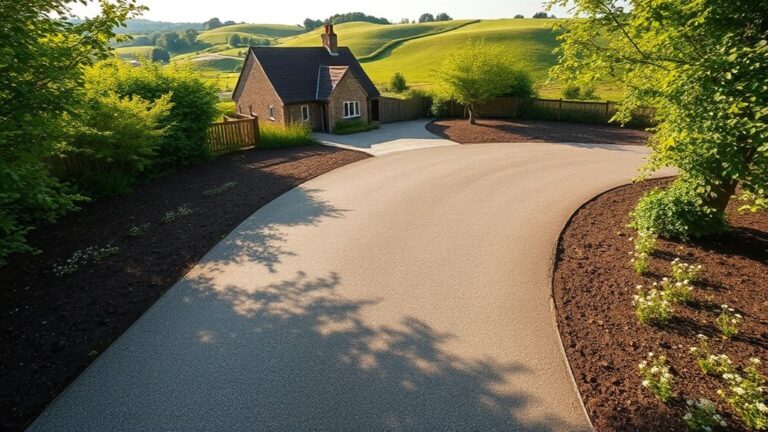
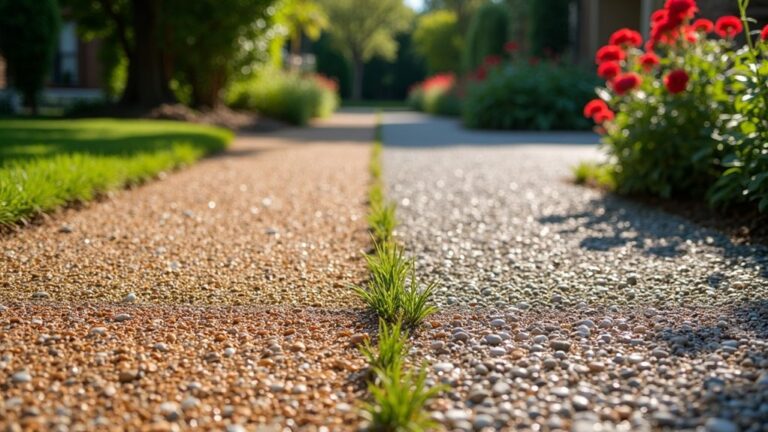
Customization options for resin driveways in Nottinghamshire let you create a distinctive look that enhances your home. You can select from a wide array of colour options and decorative aggregates to personalise your driveway. For instance, combining different coloured aggregates can produce eye-catching patterns, while premium resin gravel adds a touch of elegance.
Here’s a brief overview of your customization choices:
| Feature | Options | Benefits |
|---|---|---|
| Custom Colour Options | Extensive colour palette | Complement your property’s style |
| Decorative Aggregates | Natural and mixed styles | Improve kerb appeal |
| Design Patterns | Unique and intricate | Enrich landscape aesthetics |
With these options, you can enhance your driveway’s appearance while showcasing your personal taste.
Frequently Asked Questions
How Do Weather Conditions Affect Resin Driveway Slip Resistance?
Weather conditions significantly affect the slip resistance of resin driveways. For instance, heavy rain can create a slippery surface, while temperature fluctuations may cause wear that diminishes grip. It’s essential to implement slip prevention measures and carry out regular maintenance to ensure your driveway remains safe and performs well, especially during adverse weather.
Can Resin Driveways Be Installed on Steep Slopes?
Yes, resin driveways can be installed on steep slopes. However, it’s important to consider the right installation techniques and maintenance to ensure stability and traction. For best results, consult professionals who can provide tailored solutions for your specific site.
Are There Different Types of Resin for Driveways?
Yes, there are several types of resin suitable for driveways, including polyurethane and epoxy. Each type has its own advantages, such as flexibility, durability, and UV resistance, which help keep your driveway looking good and performing well for years. For example, polyurethane is often preferred for its ability to withstand varying weather conditions, while epoxy provides a tough surface that’s resistant to stains and chemicals.
How Often Should I Reseal My Resin Driveway?
You should reseal your resin driveway every 1-3 years, depending on the conditions. For instance, if you live in an area with heavy rainfall or frequent traffic, you might need to reseal it more often. Regular maintenance not only enhances the appearance but also increases durability, helping to prevent deterioration and maintain the structural integrity of your driveway over time.
What Happens if My Resin Driveway Gets Damaged?
Damage can reduce the durability of your resin driveway, but there are ways to fix it. You can fill in any cracks or apply sealants to restore the surface. Regular maintenance, like cleaning and resealing, will help keep your driveway looking great and safe for years.
Conclusion
In summary, resin driveways in Nottinghamshire can be both safe and stylish. By opting for textured surfaces and ensuring they are installed correctly, you can enjoy their visual appeal without the worry of slipping when it rains. Adhering to safety standards and maintaining your driveway will not only enhance your property but also keep your family safe. Embrace the combination of aesthetics and safety that resin driveways provide for peace of mind throughout the year.

Compare resin and concrete driveways to discover which option provides superior durability and value, but the answer may surprise you.

The rise of resin-bound driveways is transforming outdoor aesthetics, but what hidden advantages might make them the perfect choice for Read more

Maximize your project's efficiency by understanding the installation times of resin-bound and resin-bonded systems, but which one truly suits your Read more