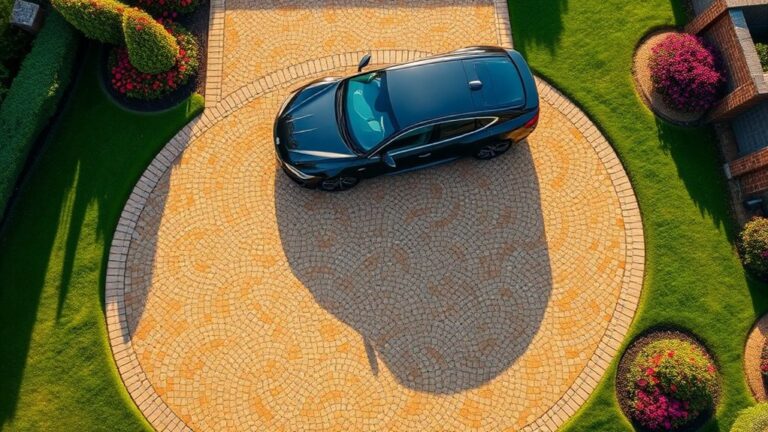
Is a Resin Driveway More Expensive Than Tarmac in Nottinghamshire?
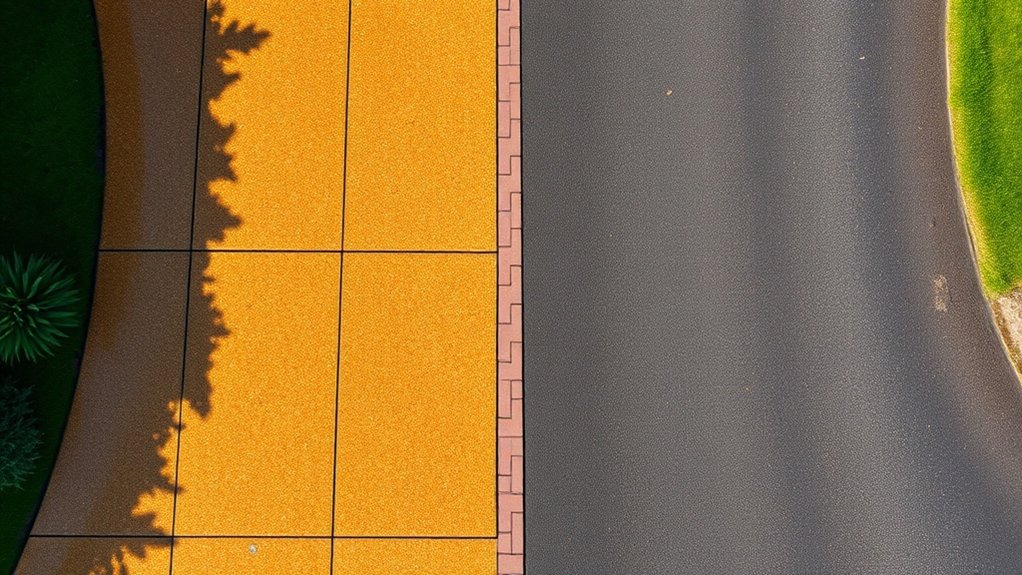
Yes, a resin driveway is generally more expensive than a tarmac driveway in Nottinghamshire. The initial installation costs for resin range from £40 to £120 per square metre, whereas tarmac typically costs between £25 and £50. While resin has higher upfront costs, it often requires less maintenance and is more durable in the long run. When making your decision, consider factors like maintenance, appearance, and overall value.
Key Takeaways
Resin driveways generally cost between £40 and £120 per square metre, whereas tarmac ranges from £25 to £50 per square metre. The initial outlay for resin is higher due to its installation process and materials. However, resin driveways often provide better long-term value, as they require less maintenance than tarmac, which can need regular repairs.
Prices can vary across Nottinghamshire, affecting the overall cost for both options. Ultimately, while resin driveways tend to be more expensive upfront, they may save you money over time with their lower maintenance needs.
Initial Cost Comparison of Resin and Tarmac Driveways
When choosing a new driveway, the initial cost is an important consideration.
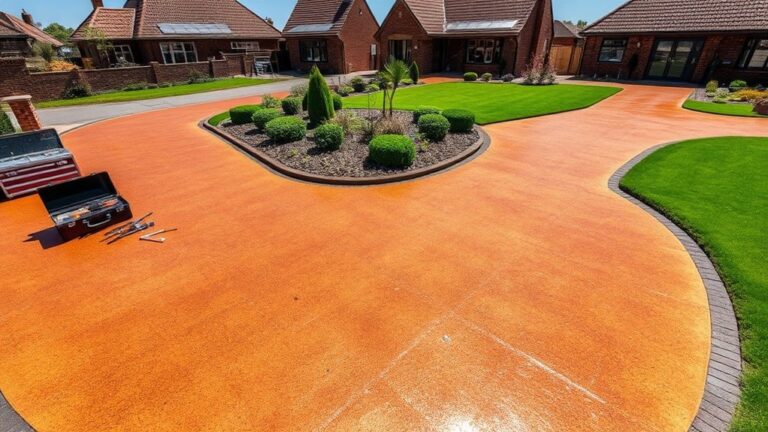
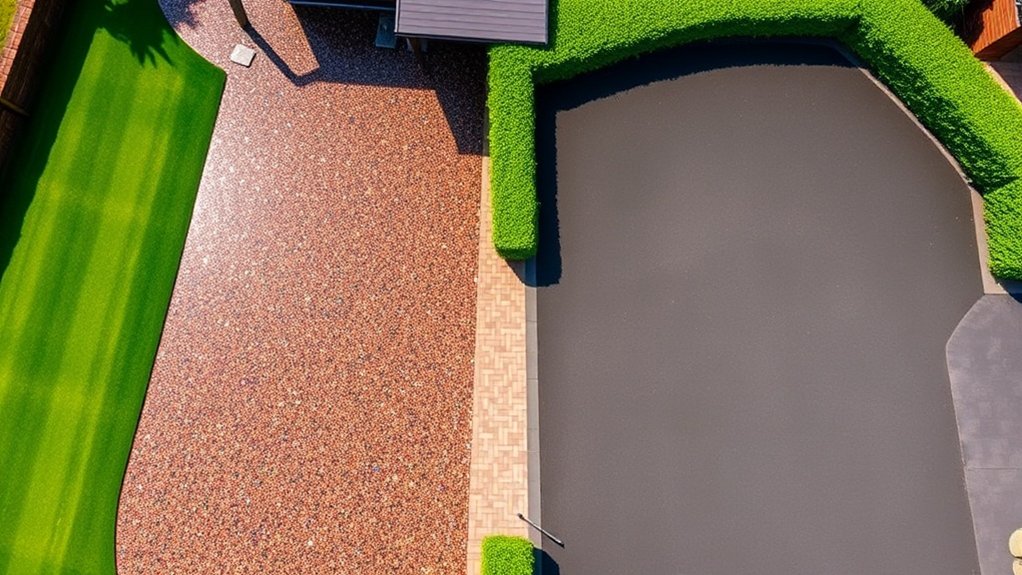
In Nottinghamshire, resin driveways typically cost between £40 and £120 per square metre, with basic options starting at around £40. In contrast, tarmac driveways range from £25 to £50 per square metre. Resin installation may take longer due to the need for mixing materials and curing, but it allows for a more personalised look and offers better durability. Additionally, resin driveways are known for their resistance to cracking, which can further enhance their longevity. Over time, the lower maintenance required for resin can also contribute to significant savings. While the upfront costs for resin are higher, this can lead to greater long-term value thanks to its lasting appearance and strength.
Ultimately, your decision should weigh initial costs against the look you want and how long you expect your driveway to last.
Long-Term Costs: Maintenance and Durability

When looking at long-term costs, maintenance and material lifespan are key factors. Resin driveways require far less upkeep than tarmac, which often needs regular repairs and resealing. With a lifespan of over 20 years, resin not only cuts down on maintenance costs but also offers greater durability, making it a more cost-effective option in the long run. Additionally, resin’s low maintenance nature means that homeowners can enjoy a beautiful driveway without the constant worry of upkeep. Furthermore, the longevity of resin driveways can significantly enhance property value, making them a wise investment for homeowners.
Maintenance Requirements Comparison
When comparing resin and tarmac driveways, their long-term maintenance needs significantly influence costs and durability.
- Resin surfaces require regular sweeping or pressure washing, about once or twice a year, to keep them looking clean and stain-free. Additionally, proper base preparation is essential to ensure the longevity of the resin driveway.
- Tarmac needs less frequent cleaning, but it often requires crack filling and resurfacing, which can increase maintenance frequency over time. Additionally, resin bound driveways are known for being low-maintenance and long-lasting, making them a potentially cost-effective option in the long run.
Both materials are affected by weather; resin’s flexibility helps prevent cracking, while tarmac can soften in heat and crack during freeze-thaw cycles.
Regarding repair costs, resin repairs can be more expensive but keep the surface looking good, whereas tarmac’s lower initial cost might lead to higher long-term expenses due to the need for regular resurfacing.
Understanding these factors is crucial for assessing longevity.
Longevity of Materials
Understanding how long your driveway material will last is crucial for making a smart choice regarding costs and durability.
Resin driveways can last over 20 years with proper installation and offer great resistance to UV damage, frost, and weeds. However, their longevity depends on a stable base; any movement can cause cracks.
Tarmac driveways are also very durable, lasting between 15 to 30 years, and are ideal for areas with heavy traffic. They may need more frequent repairs due to cracking, but these repairs are generally easier and more affordable.
Ultimately, your choice will depend on your specific needs, traffic levels, and how much you’re willing to invest in maintenance.
Aesthetic Appeal: Resin vs. Tarmac
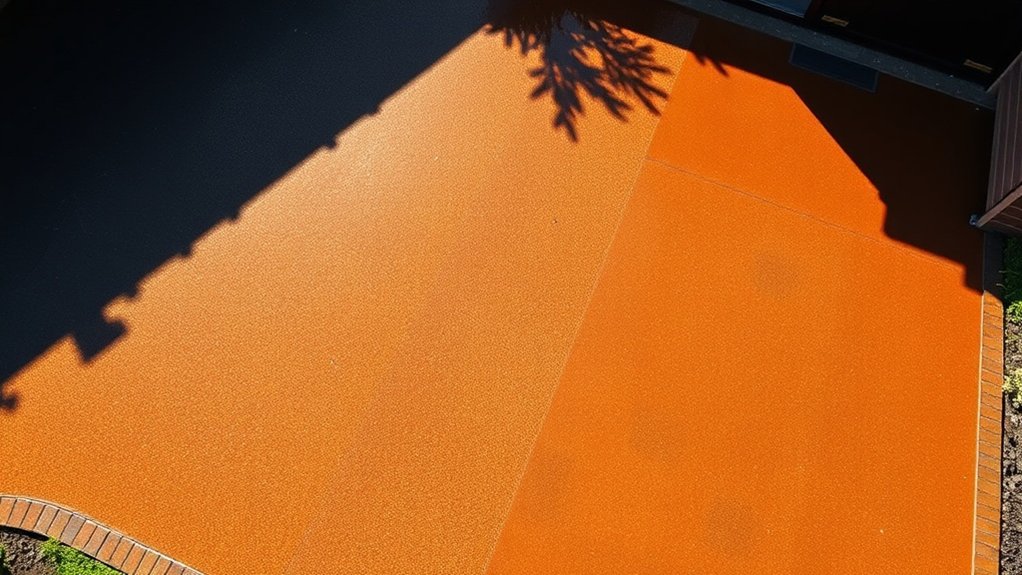
When it comes to aesthetic appeal, resin driveways are a clear winner due to their design flexibility.
They come in a variety of colours and can be customised with different patterns to complement your home’s style.
On the other hand, tarmac offers a more traditional look with limited colour choices, prioritising practicality over personalisation.
Whether you prefer the modern elegance of resin or the classic simplicity of tarmac, your choice will significantly affect your property’s curb appeal.
Design Versatility
While both resin and tarmac driveways serve a practical purpose, their aesthetic appeal is quite different.
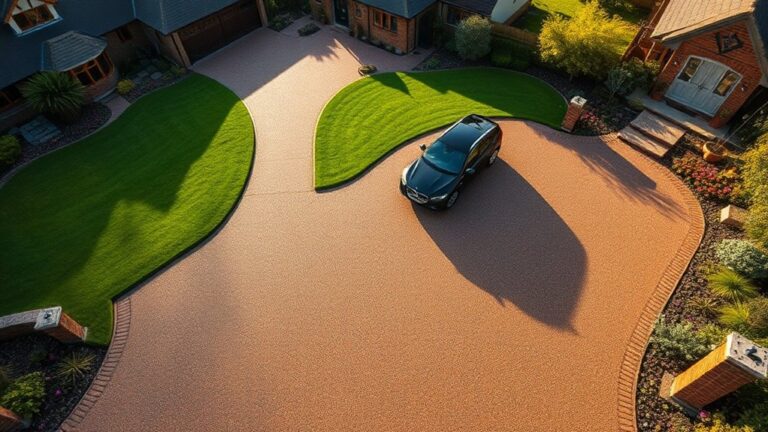
Resin driveways offer remarkable design flexibility, allowing you to get creative with your outdoor space.
- A wide range of vibrant colours to match your property’s style
- Complex patterns, such as geometric shapes and decorative inlays
- Smooth, seamless finishes that highlight natural aggregates
On the other hand, tarmac tends to provide plain, uniform surfaces with limited design options.
While it gets the job done, it doesn’t offer the same artistic touch as resin.
Choosing resin can enhance your property’s curb appeal and allow for a more personalised driveway.
Traditional Appearance
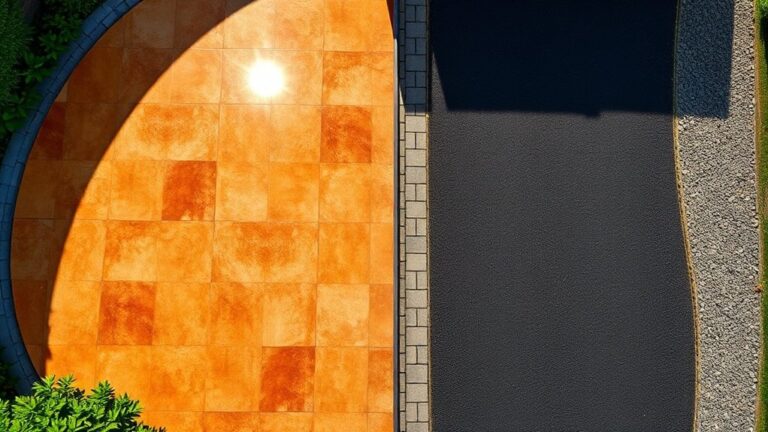
Resin and tarmac driveways each have distinct aesthetic qualities that can affect their fit with different property styles. Tarmac offers a traditional look with its classic black finish, making it ideal for older homes. In contrast, resin driveways come in various colours and patterns, allowing them to mimic natural stone and either complement or contrast with classic architecture.
| Feature | Resin Driveways | Tarmac Driveways |
|---|---|---|
| Aesthetic Variety | High | Limited |
| Surface Finish | Smooth and polished | Textured and rough |
| Longevity | Retains colour and appeal | Prone to fading and cracking |
Ultimately, your choice should balance aesthetics with practical considerations.
Environmental Considerations for Driveway Choices
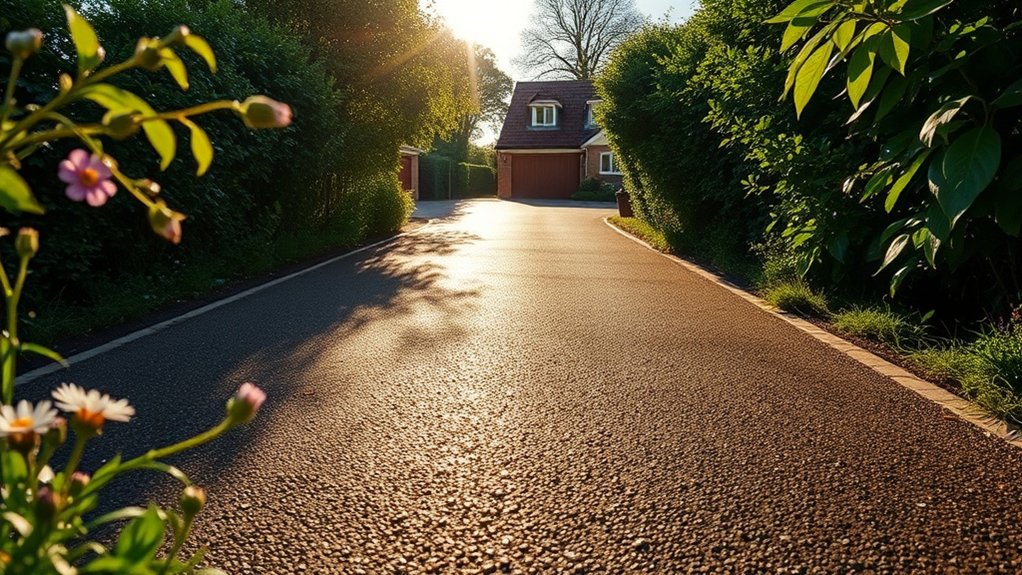
When deciding between a resin-bound driveway and tarmac, it’s important to consider the environmental impact. A resin driveway comes with several sustainability benefits.
- Its permeable surface allows rainwater to drain naturally, which helps reduce the risk of flooding.
- Made from eco-friendly materials, resin driveways use fewer resources and result in a smaller carbon footprint.
- They also promote local biodiversity by preserving soil health.
On the flip side, tarmac is impermeable, leading to increased runoff, pollution, and higher urban temperatures.
It typically requires more maintenance and energy for repairs, which can further harm the environment.
Installation Processes: How They Differ

When comparing the installation processes for resin driveways and tarmac, it’s important to note how each method impacts durability and finish.
Resin driveways require a thorough excavation and a stable base, typically using crushed stone for proper drainage and support. On the other hand, tarmac can often be laid over an existing surface, usually with compacted gravel as the base.
The installation techniques differ significantly: resin involves mixing aggregate stones with a resin binder, while tarmac uses hot bitumen applied with heavy machinery.
Resin takes longer to cure, making it more susceptible to weather conditions during installation, whereas tarmac generally cures faster.
Understanding these differences can help you make the right choice for your driveway needs.
Durability and Strength: A Comparative Analysis
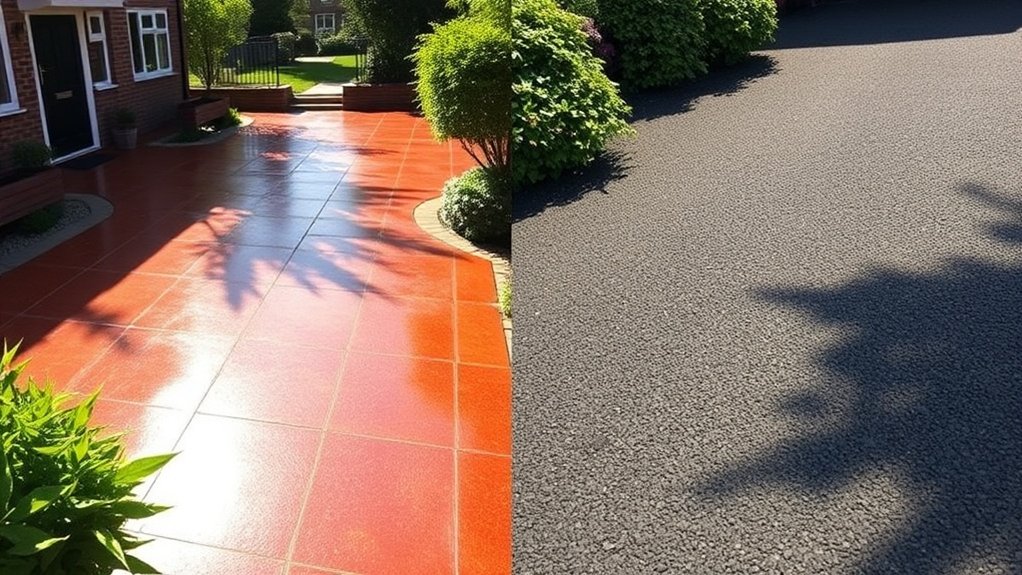
When it comes to durability and strength, tarmac stands out in high-traffic areas, making it suitable for heavy vehicles.
On the other hand, resin driveways are visually appealing but may not hold up well under heavy loads due to their strength limitations.
Repairing tarmac is a straightforward process, whereas fixing resin can be more complicated and expensive.
Resin Strength Limitations
Resin driveways are known for their durability, but they do come with certain limitations. One important factor is load capacity; typically, a standard thickness can support vehicles weighing up to 7.5 tonnes, but heavier loads may compromise the material.
Although resin’s flexibility can help prevent cracking, it’s not a guarantee against extreme conditions.
Proper installation is crucial; inadequate preparation of the sub-base can lead to issues like bubbling and delamination.
It’s important to avoid dry steering to prevent premature wear on the surface.
In summary, resin-bound systems are durable, but being aware of their limitations is vital for keeping them strong and looking good over time.
Regular maintenance and careful usage can significantly extend the life and performance of your driveway.
Tarmac Heavy Traffic Suitability
Resin driveways have their benefits, but tarmac is the better option for handling heavy traffic in Nottinghamshire.
Its layered construction, featuring a surface course and binder layers, ensures impressive durability and strength under substantial loads. Tarmac’s flexibility allows for even load distribution, reducing the chances of cracking from frequent use.
Its resistance to weather also helps maintain its strength, even in Nottingham’s varied climate. When laid to a suitable thickness for heavy use, tarmac can last over ten years with proper upkeep.
Regular sealing boosts its durability, making tarmac a sensible choice for both homes and businesses where heavy traffic is common. Overall, tarmac excels in demanding conditions.
Repair Process Comparison
When it comes to driveways, both tarmac and resin have their pros and cons, especially regarding repairs.
- Tarmac repairs often involve patching and resurfacing, which usually requires heavy machinery.
- Resin repairs, on the other hand, integrate smoothly with the existing surface, leading to less visible disruption.
- For tarmac, minor repairs typically start at around £50.
In terms of costs, tarmac’s repair methods are usually cheaper for small fixes, but expenses can rise significantly with extensive damage.
Resin driveways are more durable but come with higher repair costs due to the need for specialised materials and labour.
In cases of major damage, a full replacement might be more cost-effective for resin driveways.
Ultimately, it’s important to consider not just the upfront costs but also the long-term maintenance and repair implications when making your choice.
Regional Price Variability in Nottinghamshire
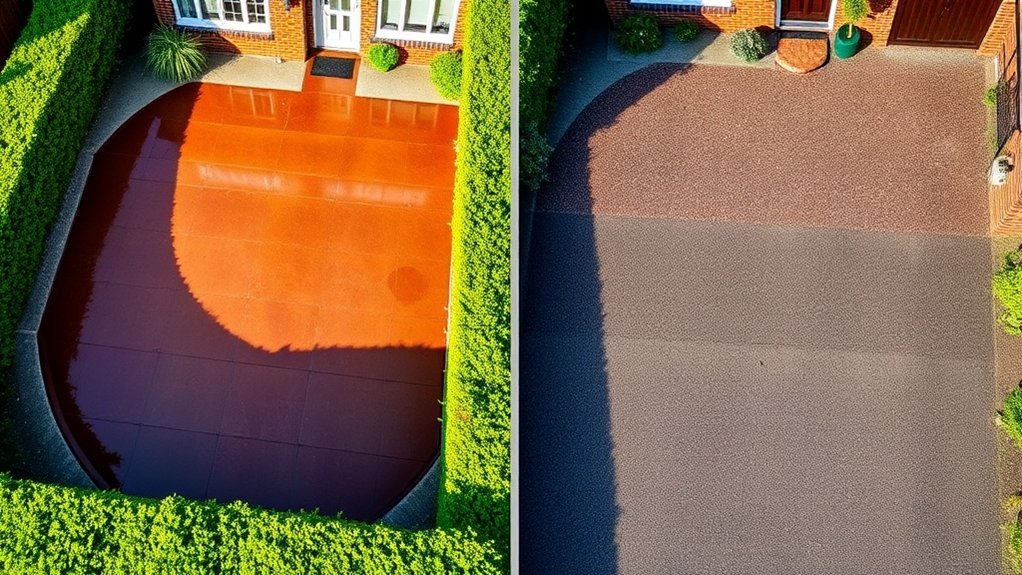
When planning a driveway installation in Nottinghamshire, it’s important to grasp how regional price differences can affect your budget. Prices can vary significantly due to local market conditions, which influence both materials and labour costs.
Generally, urban areas tend to have higher prices compared to rural ones, driven by demand and living standards. For example, if you’re in Nottingham city, you might pay more for certain materials than if you were in a nearby village where those materials are more readily available.
It’s also worth considering local regulations, as planning permissions can lead to additional expenses, depending on your specific location.
Furthermore, keep in mind that prices can spike during peak seasons when demand is high. By taking these factors into account, you’ll be better equipped to manage the costs of your driveway installation in Nottinghamshire.
Pros and Cons of Resin Driveways
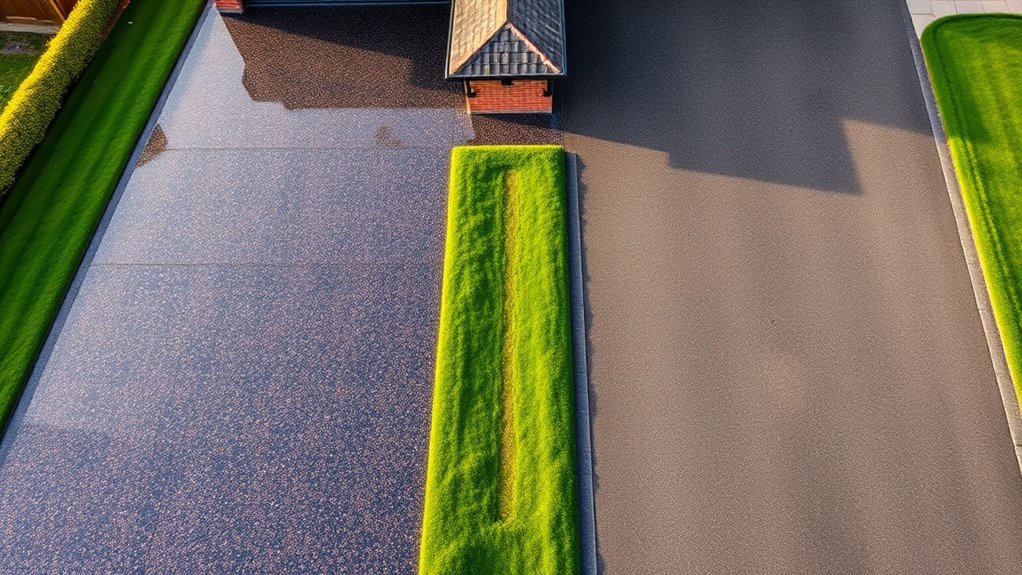
When choosing a driveway material, resin driveways present a mix of advantages and disadvantages.
- Aesthetic Appeal: Resin driveways can significantly enhance your home’s appearance with a range of colours and textures to choose from.
- Durability: They’re tough and can handle everyday use, though they may not be suitable for heavy commercial vehicles.
- Drainage: The permeable nature of resin helps with water drainage, reducing the chances of flooding.
However, while resin driveways are visually pleasing and require minimal maintenance, they can be pricier than other options and may develop moss or stains without regular upkeep.
On the other hand, tarmac is a more budget-friendly choice but lacks the charm and customisation that resin offers.
Ultimately, think about your specific requirements and preferences when selecting the best driveway material for your home.
Pros and Cons of Tarmac Driveways
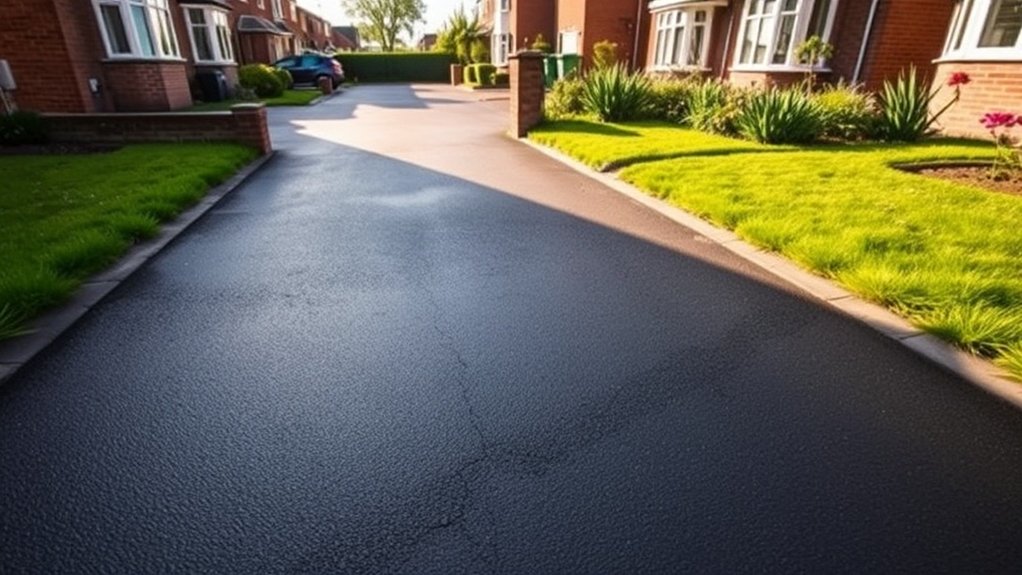
Tarmac driveways may not be as visually appealing as resin alternatives, but they’ve several practical advantages that make them a popular option for UK homeowners.
Tarmac is robust and can handle heavy traffic, typically lasting around 15 to 20 years with proper care. However, it does require maintenance, as it can crack and form potholes, particularly in extreme weather conditions.
Installation is quick and budget-friendly, but be aware that oil spills can mar the surface and detract from its appearance.
To extend its lifespan and keep it looking good, regular sealing every few years is recommended.
While it might lack the charm of more decorative options, tarmac is a reliable choice for those prioritising durability and cost-effectiveness.
Final Thoughts on Cost Effectiveness
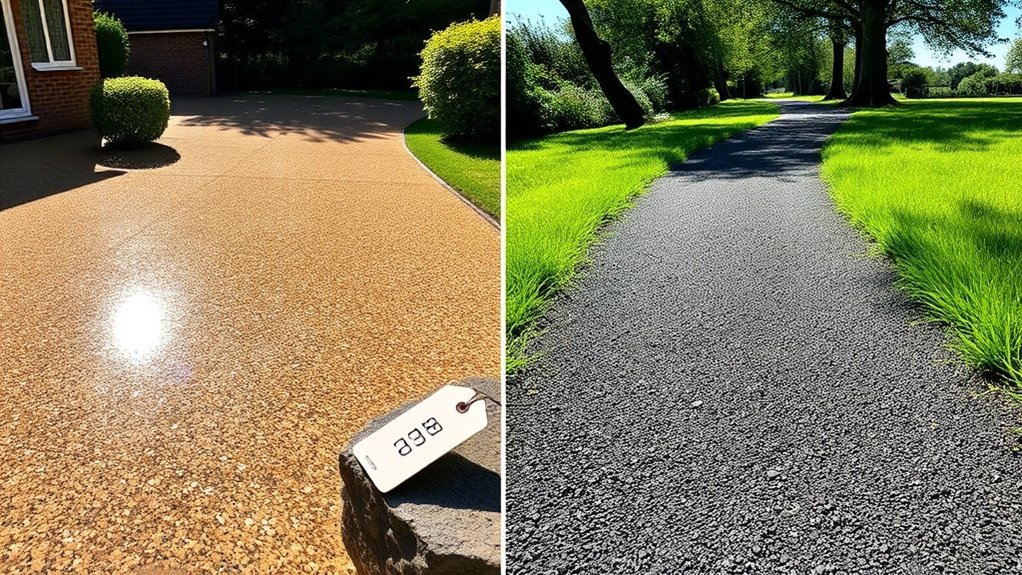
Tarmac driveways are a reliable and cost-effective choice, but resin driveways offer significant long-term savings. Although resin has a higher initial cost, its benefits can lead to lower expenses down the line:
- Exceptional durability, minimising cracks and potholes
- Low maintenance, needing just occasional cleaning
- Attractive appearance that can boost property value
When considering alternatives, resin’s longevity and resistance to water damage make it worth the upfront investment.
While tarmac driveways may be cheaper and quicker to install, they often need more frequent repairs and upkeep.
In the end, a resin driveway could provide better overall value, making it a wise option for homeowners in Nottinghamshire.
Frequently Asked Questions
How Do Weather Conditions Affect Driveway Installation Costs?
Weather conditions can complicate your driveway installation and increase costs. For instance, rain and frost can cause delays and require additional site preparation, which can add to your overall budget. It’s important to consider these weather-related factors when planning your project.
Can I Install a Resin Driveway Myself?
Installing a resin driveway yourself isn’t advisable. It requires specific skills and knowledge about resin materials to mix and cure them properly. For example, getting the right consistency is crucial; too thick or too thin could lead to problems. Hiring a professional ensures the job is done correctly, saving you from costly errors and ensuring a durable finish.
How Long Does the Installation Process Take?
When starting a resin driveway project, you can expect the installation to take between 1 to 3 days. Keep in mind that factors such as site preparation and weather conditions may affect the timeline, so it’s wise to anticipate possible delays.
Are There Any Warranties for Resin or Tarmac Driveways?
Yes, both resin and tarmac driveways come with warranties. Resin driveways generally have warranties that last between 10 to 25 years, while tarmac driveways typically offer coverage of 5 to 10 years. The duration depends on the materials used and the quality of the installation.
What Is the Average Lifespan of a Tarmac Driveway?
A tarmac driveway typically lasts between 10 to 25 years, depending on how well it’s installed and maintained. Regular maintenance can significantly enhance its lifespan and reduce repair costs, making it a wise long-term investment for your home.
Conclusion
When deciding between resin and tarmac driveways in Nottinghamshire, consider your budget and personal preferences. Resin driveways typically have a higher upfront cost but offer greater durability and visual appeal—think of it as choosing a quality pair of shoes over cheaper alternatives. Weigh the long-term benefits against the initial expense to find the best option for your home. A well-selected driveway can significantly enhance your property’s value and appearance for years to come.

Keen to transform your driveway? Discover the essential steps to expertly install a resin driveway and elevate your home's curb Read more

Incorporate essential tips for maintaining your resin driveway's longevity and appearance, ensuring it remains a stunning feature of your home. Read more
Just how do installation quality and weather conditions impact the longevity of your resin driveway? Find out the crucial factors Read more