
Resin Driveway Edging Options Compared
When choosing edging options for resin driveways, it’s essential to consider the type of resin surface you have. For resin bound driveways, block paving or concrete edging provides strong definition and a polished look. If your driveway is resin bonded, flexible or natural stone edging can enhance its appearance while ensuring durability. Each material has distinct features that influence performance and cost. It’s important to understand how these choices will affect your driveway’s aesthetics and longevity, ensuring your design fits both your style and practical needs.
Key Takeaways
- Block Paving Edging: Offers flexibility in design and robust strength, preventing resin spillage while adding visual interest with various patterns.
- Precast Concrete Edging: Delivers a tidy finish and long-lasting durability, making installation simple while providing solid support for your driveway.
- Aluminium Trim Edging: Gives a contemporary appearance with minimal maintenance, though it’s not ideal for areas subject to heavy loads.
- Flexible Edging: Great for creating curves, perfect for unique designs, but should be combined with sturdier materials for added stability.
- Brick and Stone Edging: Brings a classic feel with anti-slip features, enhancing the look with diverse textures that complement resin driveways.
Understanding Resin Driveway Types

When choosing a driveway, it’s important to understand the difference between resin bound and resin bonded options.
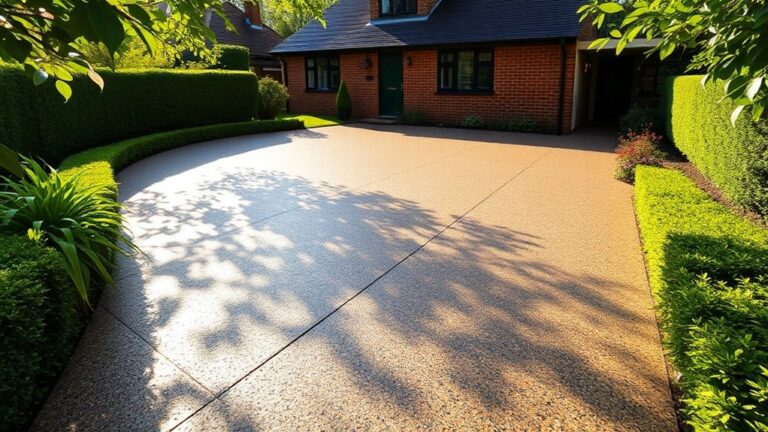
Resin bound driveways mix aggregate stones with clear resin, resulting in a smooth, seamless, and permeable surface. This type is great for drainage, making it an eco-friendly choice. Additionally, their flexible nature helps reduce the risk of cracks over time, which is important when considering the integrity of the existing surface for installation.
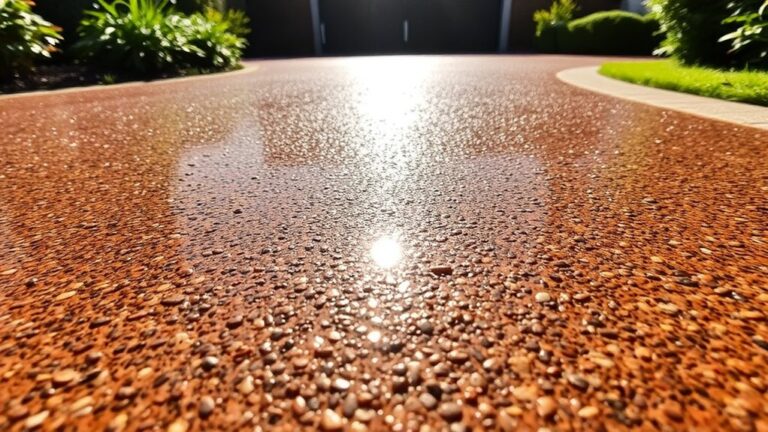
On the other hand, resin bonded driveways involve applying loose stones onto a resin layer, which creates a textured surface but isn’t permeable.
If you live in an area with heavy rainfall, resin bound is the better option. Conversely, if you need a driveway in a low-traffic area where looks are more important, resin bonded might be the way to go.
Ultimately, your decision will depend on factors like durability, environmental impact, and how you want the driveway to look.
Benefits of Resin Bound vs. Resin Bonded

Resin bound driveways are known for their durability, lasting over 25 years with minimal upkeep. They provide a smooth, glossy finish that enhances the look of your property, making them a stylish option for various landscapes. Additionally, resin bound driveways can be repaired more easily if damaged, which adds to their long-term appeal. Moreover, they feature a low-maintenance and weed-resistant surface that makes them an excellent choice for homeowners wanting to avoid regular yard work.
On the other hand, resin bonded driveways are more budget-friendly and simpler to install, making them appealing for those who enjoy DIY projects. However, their non-permeable surface can cause water to pool, which may mean needing extra drainage solutions. While these bonded surfaces offer a rustic charm, they don’t match the long-term durability and low maintenance of resin bound options.
Ultimately, your decision should be based on what matters most to you—whether that’s durability, appearance, or practicality.
Popular Edging Options for Resin Driveways

Selecting the right edging for your resin driveway can enhance both its look and functionality. Block paving edging provides a clear definition and allows for creative designs. Precast concrete is the most popular choice, offering structural support and a uniform appearance, which makes installation straightforward. For a modern finish, aluminium trim edging gives a sleek boundary that requires minimal upkeep. Flexible edging allows for creative curves but should be paired with more durable materials for stability. Lastly, brick and stone edging brings a traditional feel, featuring anti-slip properties and various textures to complement your driveway. Each option has its own installation techniques that can elevate the overall aesthetics of your driveway, making it stand out beautifully. Additionally, selecting the right edging complements the long-lasting surface of resin driveways, enhancing their durability and appeal. Furthermore, choosing the right materials for edging can contribute to the durability of the entire driveway system.
Material-Specific Edging Characteristics
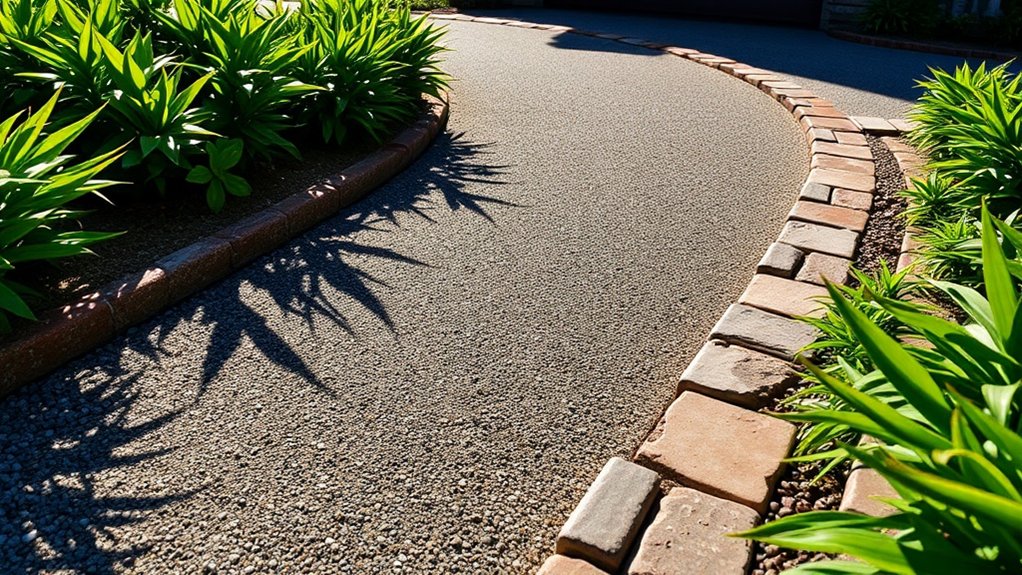
The choice of edging material significantly impacts the performance and appearance of your resin driveway.
Each option has its own strengths that affect both durability and aesthetics:
- Concrete Edging: Provides strong support and a neat finish, enhancing the overall look while ensuring durability.
- Aluminium Edging: Adds a decorative touch but lacks the strength to bear heavy loads; best for gentle transitions.
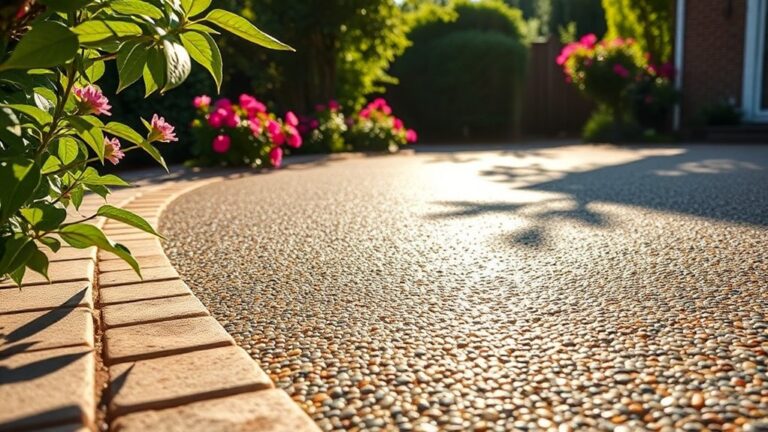
- Block Paving Edging: Offers a balance of strength and design flexibility, allowing you to create unique shapes while preventing resin spillage.
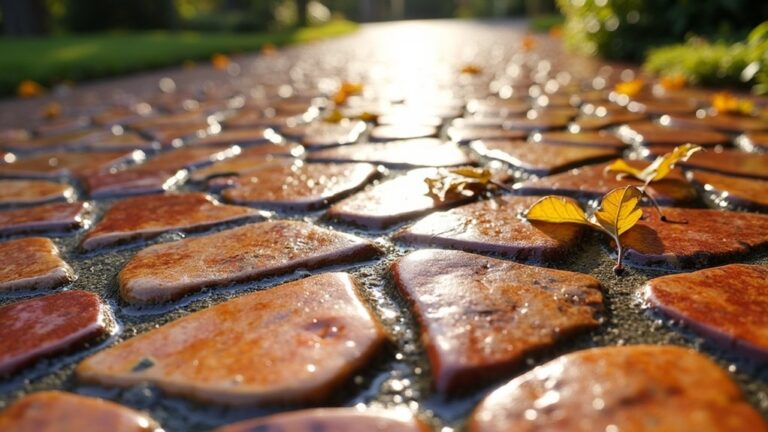
- Natural Stone Edging: Boosts visual appeal with its natural appearance and durability, but may need more upkeep.
Choosing the right edging material ensures your driveway performs well and matches the style of your outdoor space.
Functional Considerations in Edging Selection
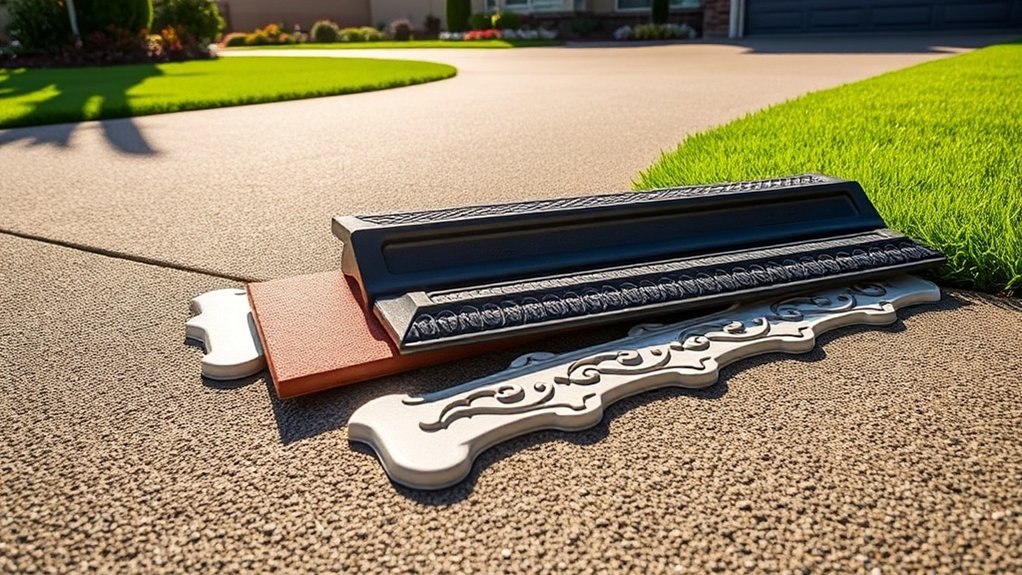
When choosing edging for your resin driveway, it’s important to consider several functional factors that affect both performance and longevity.
Firstly, think about the durability of the edging; a strong barrier will help maintain the shape of the driveway and prevent crumbling, especially in busy areas.
Next, look for edging that promotes effective drainage. This helps reduce water pooling, which can lead to erosion and damage beneath the surface, particularly in wetter climates where excess water can be a problem.
Additionally, good edging acts as a barrier against weeds, helping to keep the resin surface intact.
Installation and Maintenance Factors
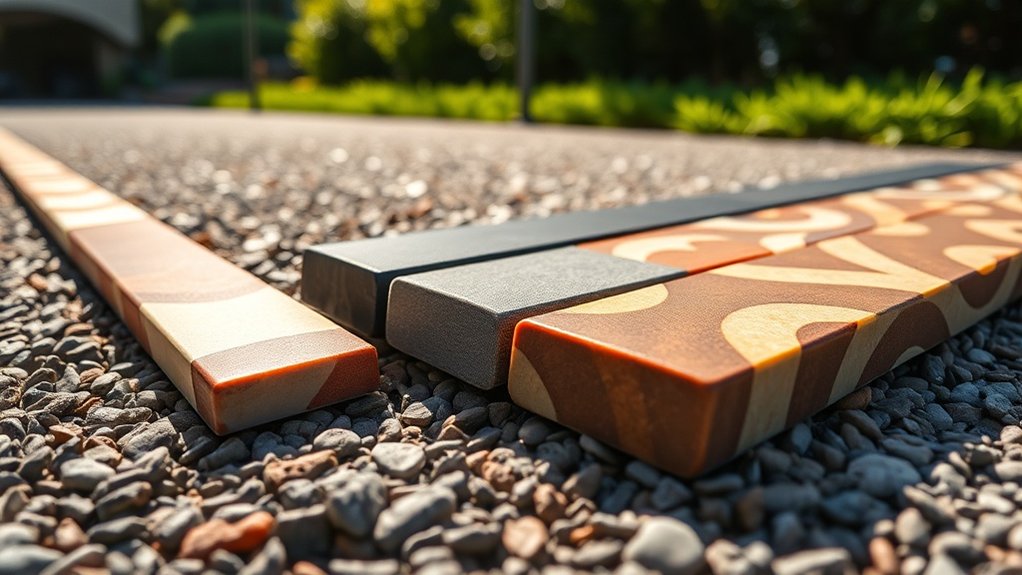
When installing resin driveway edging, it’s vital to ensure a solid sub-base for lasting support and to avoid future problems.
Pay close attention to curing times, as unsuitable conditions can weaken the resin’s bond.
Regular seasonal maintenance, such as inspections and minor repairs, will keep your edging in good shape over time.
For example, checking for cracks or loose sections after heavy rainfall can prevent bigger issues down the line.
Proper Sub-Base Preparation
Proper sub-base preparation is crucial for the durability and stability of your resin driveway. Here are the key steps to follow:
- Choose the right materials: Use MOT type 3 aggregate for strength.
- Ensure a minimum thickness of 100mm: Construct the base in multiple layers for added stability.
- Achieve proper levelling: Clear any debris and check moisture levels, ensuring the surface is dry before installation.
- Control moisture: Prevent adhesion issues by managing moisture. Using geotextile membranes can help with this.
Curing Time Importance
The right sub-base is crucial for effectively curing your resin driveway, which directly affects installation and long-term upkeep.
The curing time determines when it’s safe to access your driveway: you can walk on it after 6-8 hours, but you’ll need to wait 24-36 hours before driving on it. Rushing this process can cause surface damage and reduce your driveway’s lifespan.
Weather plays a significant role in curing times; cooler temperatures can prolong the process, while high heat may cause cracking.
To ensure proper curing, keep an eye on temperatures and avoid wet conditions. By following these guidelines, you can minimise traffic-related damage and boost your driveway’s durability for years to come.
Seasonal Maintenance Considerations
As the seasons change, maintaining your resin driveway is crucial for its longevity and appearance. Here are some straightforward maintenance tips to tackle seasonal challenges:
- Spring/Summer: Clean the driveway thoroughly to remove any winter grime. Check for damage and repair any cracks immediately to prevent further issues.
- Weed Control: Remove weeds promptly to avoid root damage. Manual removal is preferred over herbicides to protect the environment.
- Autumn/Winter: Regularly sweep away leaves and debris to avoid staining. Use plastic shovels when clearing snow to prevent scratching the surface.
- Drainage Management: Ensure drainage channels are clear to prevent water pooling. Use resin repair kits to fix any surface cracks.
Cost and Aesthetic Impact of Edging Choices
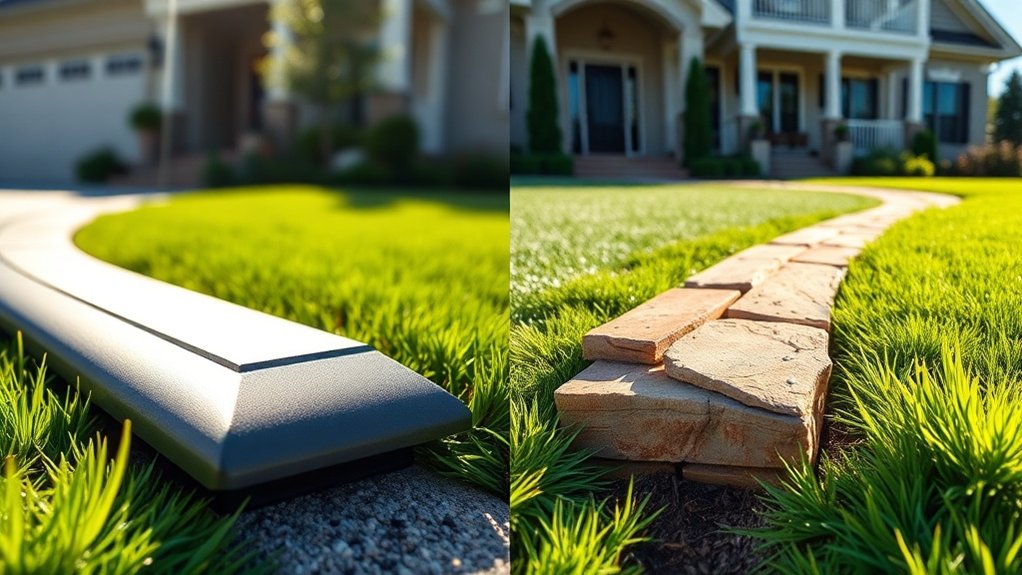
When choosing edging options for your resin driveway, consider budget-friendly alternatives like pre-cast concrete or flexible edging to keep costs manageable without sacrificing style.
For added visual appeal, opt for materials that complement your driveway design, such as block paving, which can create a striking focal point.
Budget-Friendly Options Available
When working with a tight budget for driveway edging, there are several affordable materials that offer both value and visual appeal. Here are some options to consider:
- Concrete Edging: Priced under £10 per linear metre, it’s durable and requires minimal maintenance.
- Plastic or Composite Edging: Costs between £5 and £15 per linear metre, making it a great choice for DIY enthusiasts.
- Timber Edging: Usually available for under £7 per linear metre, it provides a natural appearance, though it may need replacing over time.
- Gravel or Stone Chippings: Typically under £50 per cubic yard, these materials add texture while keeping costs low.
Each option offers a unique style, allowing you to enhance your resin driveway without breaking the bank.
Choose wisely to make the most of your budget!
Visual Appeal Enhancement Techniques
Selecting the right edging for your resin driveway not only marks its boundaries but also boosts its visual appeal.
Consider the colour contrast between your resin surface and the edging material; a bold difference can add visual interest, while subtle blends create a harmonious look.
Durable choices such as block paving and pre-cast concrete give a high-quality finish, enhancing the overall impression of your driveway.
On the other hand, aluminium trim offers a sleek, modern edge that suits contemporary designs.
If you’re after unique patterns, flexible edging allows for creativity but should be made from robust materials for lasting edge durability.
Ultimately, your choice should reflect your personal style and desired effect, balancing cost with the long-term enhancement of your driveway’s appearance.
Frequently Asked Questions
Can I Install Resin Driveway Edging Myself?
Yes, you can install resin driveway edging yourself. Just consider the costs involved, ensure you prepare the area properly, and follow precise mixing and application instructions for a lasting finish. With a bit of effort, you can achieve impressive results!
How Do I Choose the Right Edging Color?
When selecting your edging colour, consider it a frame for your masterpiece. Use colour psychology to achieve design harmony; choose shades that complement your home’s style while also prioritising practicality and ease of maintenance. For instance, if you have a traditional red-brick house, a deep green or navy blue edging can create a striking contrast.
What Is the Lifespan of Resin Driveway Edging?
The lifespan of resin driveway edging generally lasts between 15 and 25 years. Key factors like the quality of materials and proper installation play a significant role in its durability. Simple maintenance, such as regular cleaning and inspections, can help extend its lifespan. For instance, keeping the edges clear of debris can prevent damage and maintain its appearance over time.
Are There Eco-Friendly Edging Options Available?
Yes, there are eco-friendly edging options available! Consider using sustainable materials such as recycled plastic or biodegradable wood. These options not only improve the look of your garden but also help the environment by reducing waste and supporting sustainability.
How Does Weather Affect Resin Driveway Edging?
Weather significantly impacts resin driveway edging. Fluctuations in temperature can lead to expansion and contraction, which may result in cracks. Using high-quality materials and regular maintenance can help mitigate these issues, ensuring your driveway remains durable and functional despite changing weather conditions. For instance, sealing your edging can provide added protection against moisture and temperature variations.
Conclusion
When selecting edging for your resin driveway, it’s essential to consider both appearance and practicality. Do you want your driveway to catch the eye or seamlessly blend with your garden? There are various materials and styles available, allowing you to create a border that complements your home. The right choice will not only enhance your property’s look but also provide a durable solution that reflects your personal style.

How to effectively repair cracks in your concrete driveway hinges on understanding the right techniques; discover the essential steps to Read more

Should you choose a stamped concrete driveway? Discover the benefits and drawbacks that could shape your home's future appeal.

The rise of resin-bound driveways is transforming outdoor aesthetics, but what hidden advantages might make them the perfect choice for Read more