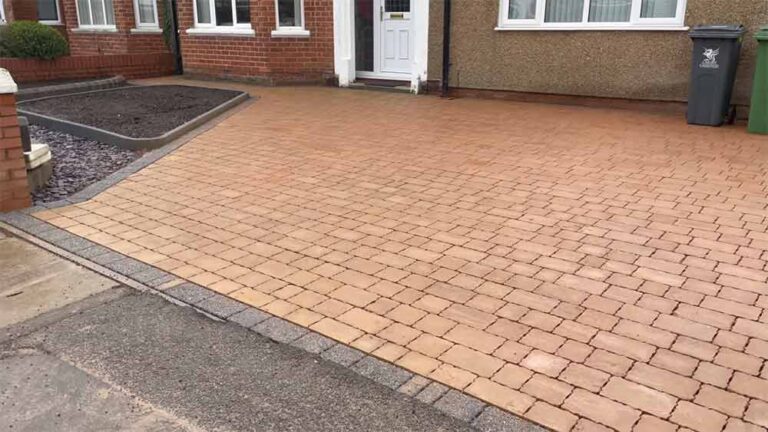
How Long Does A Driveway Need To Cure?
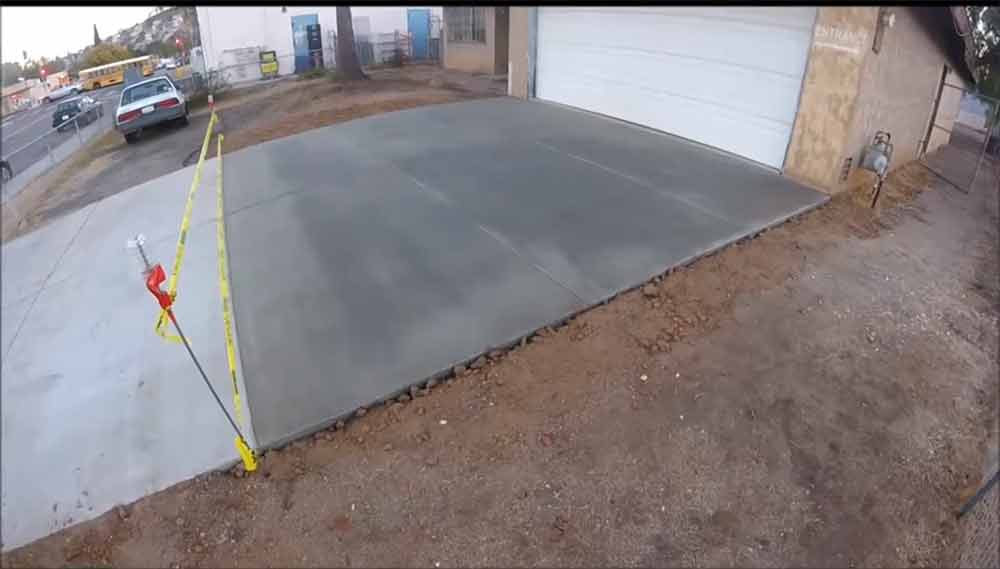
When it comes to driveway installation and paving, one important question often arises: How long does a driveway need to cure to ensure its longevity and durability? The process of curing, where the driveway gains strength and solidifies, is crucial to its ability to withstand foot and vehicle traffic without issues.
So, how long does it actually take for a driveway to cure? Is it a matter of days, weeks, or even months? And what factors can affect the curing time? Let’s delve into the details and find out.
Timeline for a New Concrete Driveway
When it comes to constructing a new concrete driveway, understanding the timeline for curing is essential for a successful project. The curing time can vary depending on various factors, including the specific conditions and circumstances. Here is a general timeline to give you an idea of what to expect:
- Day 1: Pouring the Concrete
- Day 2: Safe to Walk On
- Day 7-10: Strong Enough for Cars
- Day 30: Full Curing and Ready for Traffic
Keep in mind that these timelines are generalised and may vary based on factors such as weather conditions, concrete mix design, and curing methods employed by the contractor.
To ensure the best results for your concrete driveway construction, it is recommended to consult with a professional contractor who specialises in driveway construction, such as Nottinghamshire Driveways. They can provide personalised advice and guidance based on the specific requirements of your project.
Following the appropriate timeline for curing a new concrete driveway is crucial for its long-term durability and performance. By allowing the concrete to cure fully, you will ensure a strong, stable, and aesthetically pleasing driveway that will withstand the test of time.
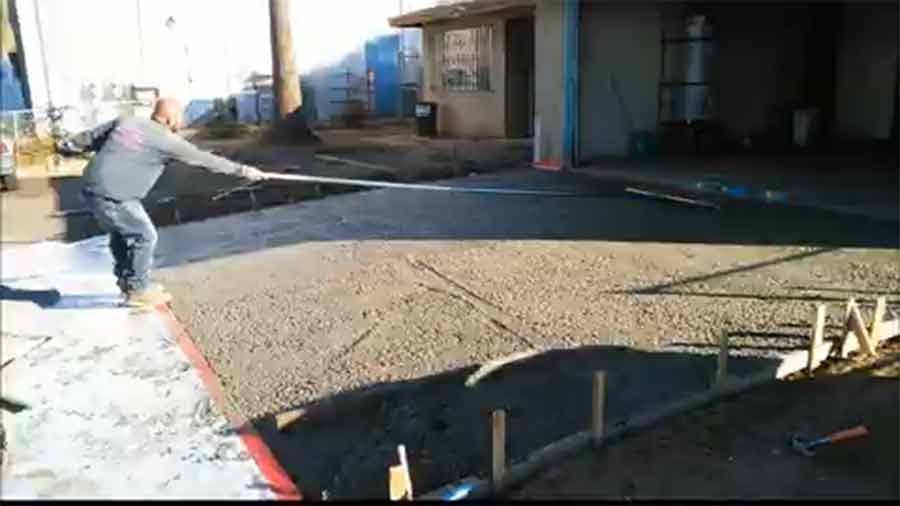
Factors Affecting Curing Time
Several factors can impact the curing time of a concrete driveway. One of the most significant factors is the weather conditions at the time of installation. Concrete curing is most effective when the air temperatures are above 50° F.
Colder temperatures can prolong the curing time or even halt the process altogether. Ideally, the concrete should be placed when the temperatures range between 60° to 80° F, ensuring optimal curing conditions for the driveway.
The water-cement ratio of the concrete mix also plays a crucial role in curing time. Too much water in the mix can negatively affect the strength and durability of the concrete, leading to an extended curing period.
Contractors need to carefully consider the water-cement ratio and may even use water-reducing admixtures to maintain the workability of the concrete without compromising its strength. By using the right mix design and water-cement ratio, contractors can ensure that the concrete cures efficiently, resulting in a strong and durable driveway.
Factors Affecting Curing Time Table
| Factors | Impact on Curing Time |
|---|---|
| Weather Conditions | Colder temperatures can significantly lengthen or stop the curing process. |
| Water-Cement Ratio | Excess water can prolong curing and affect the concrete’s strength and durability. |
Conclusion
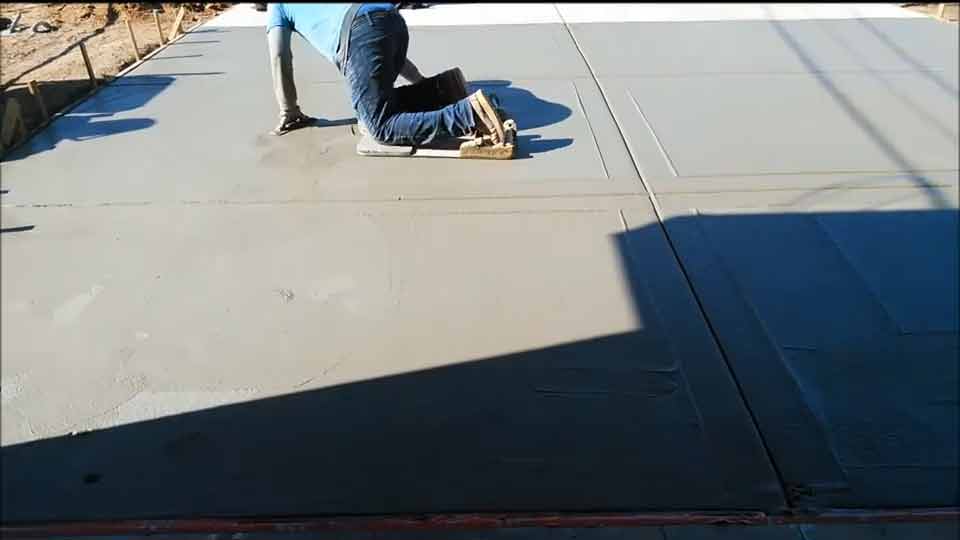
In conclusion, allowing sufficient time for your concrete driveway to cure is crucial for its long-term durability and maintenance.
The recommended curing time for a concrete driveway is typically around 30 days before it is fully ready for all normal foot and vehicle traffic.
However, it is important to follow specific guidelines during the initial curing period to ensure optimal results.
During the first 24-48 hours after installation, it is essential to avoid walking or driving on the concrete surface.
This allows the concrete to properly set and avoid any potential damage. Additionally, heavy vehicles should be kept off the driveway for at least 28 days to allow the concrete to gain sufficient strength.
In addition to considering the curing time, it is important to take into account weather conditions and the water-cement ratio of the concrete mix. Both factors can impact the curing process and the overall strength and durability of the driveway. By enlisting the help of reputable contractors such as Nottinghamshire Driveways (https://nottinghamshire-driveways.co.uk/), you can ensure that the right materials and techniques are used for your concrete driveway.
Maintaining regular driveway maintenance, such as sealing and repairs, is also crucial for preserving the longevity and overall condition of your concrete driveway. By following these guidelines and taking proactive steps to care for your driveway, you can enjoy a beautiful and resilient concrete driveway for many years to come.
For more information you can visit our website and contact us today on 07595 510190 to receive a free quote.
Source Links
- https://www.empirepls.com/blog/
how-long-wait-driving-on-new-concrete - https://www.dcpu1.com/blog/
how-long-does-concrete-take-to-dry/ - https://www.concretenetwork.com/
concrete/concrete_driveways/
how-long-before-you-can-drive-on-concrete.html

'Home is where the heart is,'and a driveway serves as the welcoming path to that cherished abode. As homeowners, we Read more

Are you tired of driving over potholes and uneven surfaces every time you enter your driveway? It's time to pave Read more

Imagine driving down a smooth, pristine road, your tires gliding effortlessly along the pavement. Now, picture the jarring experience of Read more