
City vs. Rural Driveway Regulations: What You Need to Know
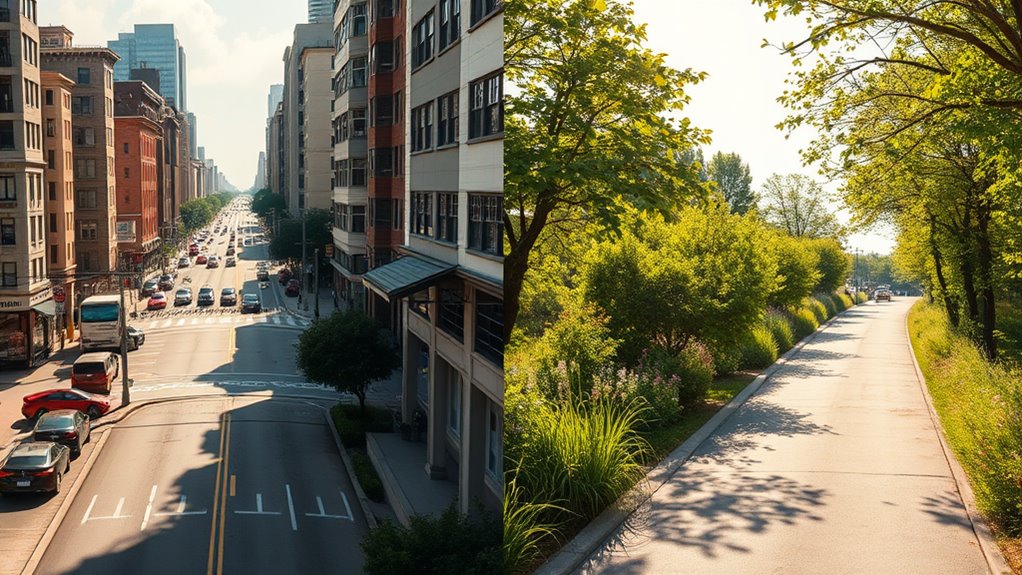
When considering driveway regulations, it is vital to grasp the stark differences between city and rural guidelines. Urban areas impose stringent design and width requirements, while rural locations offer more flexibility. This distinction can greatly impact safety, accessibility, and even property value. As you navigate these regulations, understanding the nuances will be important for your driveway project. What specific factors should you prioritize to guarantee compliance and maximize your investment?
Definition and Classification of Driveways
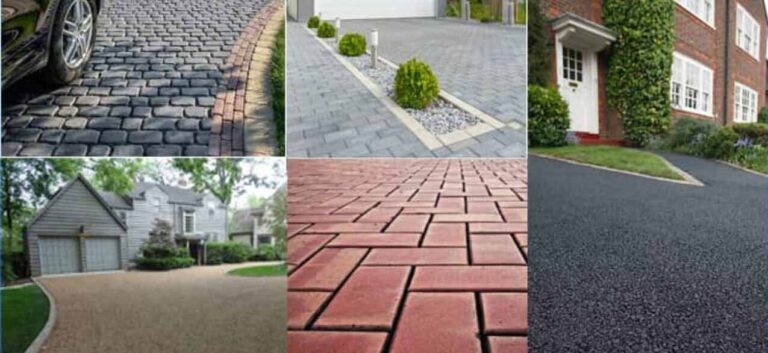
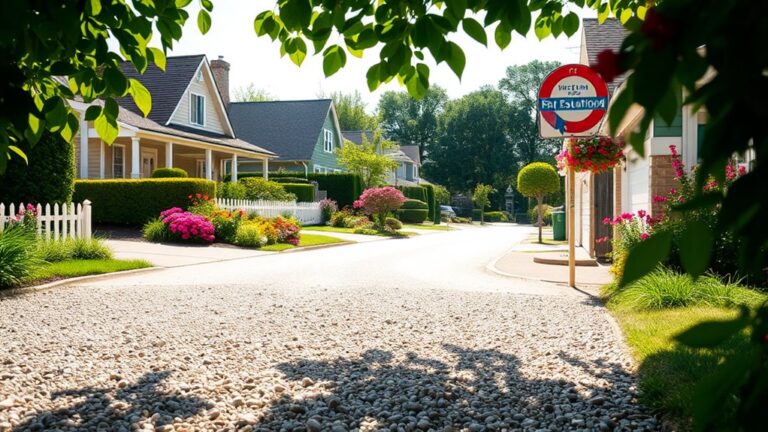
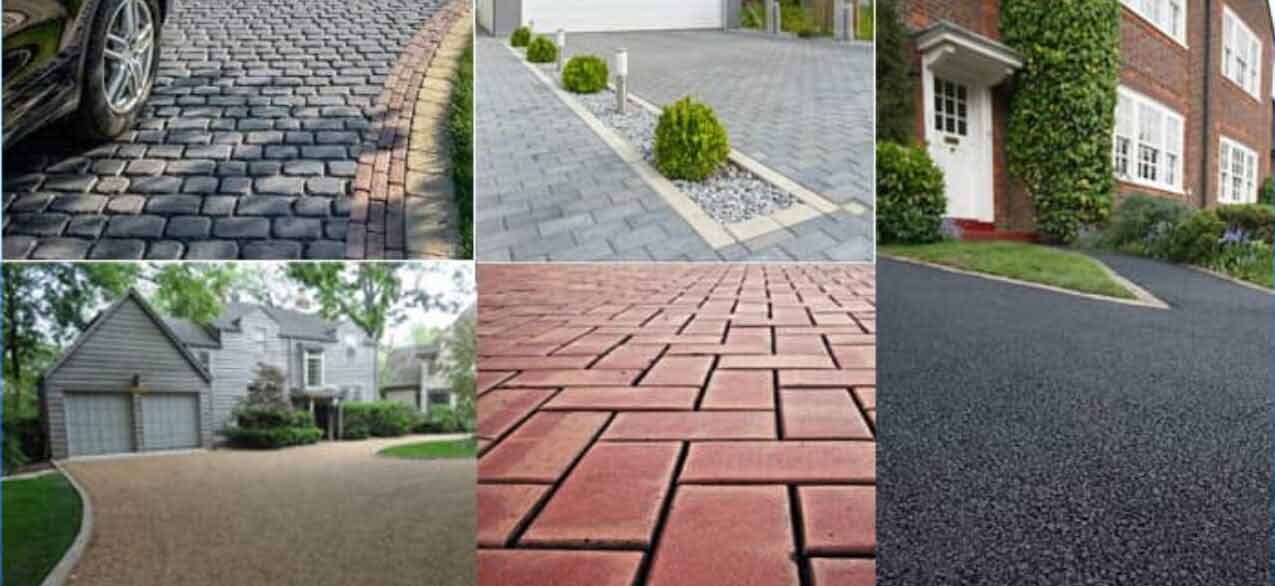
Driveways serve as essential connectors between public roads and individual properties, playing an important role in property accessibility. They come in various driveway materials, such as concrete, asphalt, gravel, and decorative brick, allowing you to choose options that fit your aesthetic preferences. Understanding the classification of driveways is vital, as urban driveways often face stricter regulations due to higher traffic density, while rural driveways tend to be longer and less restrictive. In addition, local zoning laws can dictate not only the placement but also the design of your driveway, ensuring it aligns with the architectural style of your property. In both settings, a well-designed driveway enhances functionality while contributing to the overall aesthetics of the property. The choice of driveway type can greatly affect driveway maintenance techniques that will be required to ensure its longevity and appearance.
Permit Requirements for Driveway Construction
Before you begin on constructing a driveway, it's vital to understand the permit requirements that govern such projects. The application process often involves submitting detailed permit documentation, including sketches with dimensions and material types. Required documents typically include bonds, insurances, and a non-refundable fee.
Here's a quick overview of the process:
| Step | Details | Notes |
|---|---|---|
| Application Submission | In-person or electronic | Depends on local rules |
| Required Inspections | Staked locations with house numbers | Schedule as needed |
| Permit Validity | Specific period unless extended | Check local regulations |
Navigating these requirements is vital for compliance and ensuring your driveway project moves forward smoothly.
Design and Width Regulations for Urban and Rural Driveways
Understanding the design and width regulations for urban and rural driveways is essential for ensuring that your project complies with local standards while accommodating safety and accessibility needs.
Urban driveways require specific widths—typically 24 feet for residential two-way traffic and 30 feet for commercial. These regulations prioritize driveway aesthetics and functionality.
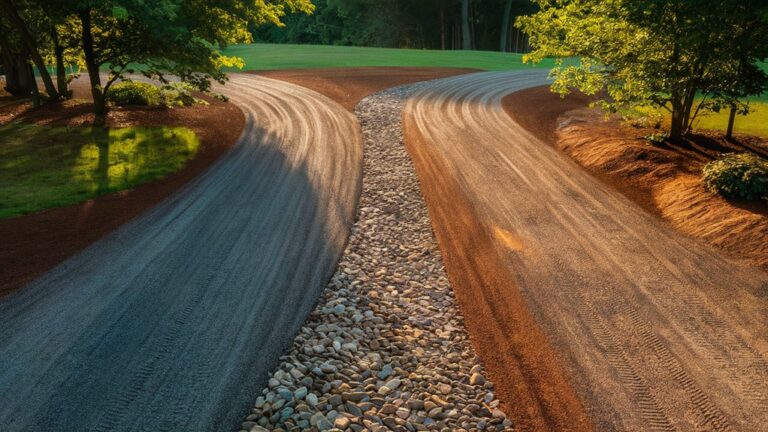
In contrast, rural driveways offer greater design flexibility, often ranging from 12 to 24 feet in width. Additionally, rural guidelines may be less stringent, allowing for varied terrain considerations.
While urban areas demand adherence to strict codes due to higher traffic, rural settings accommodate unique environmental challenges.
Ultimately, knowing these regulations helps you create effective driveways that enhance both safety and property value.
Safety and Accessibility Considerations
Guaranteeing safety and accessibility in driveway design is essential for compliance with regulations and the overall well-being of users.
You'll need to focus on key factors that affect both safety and accessibility standards, particularly sight distance and surface conditions.
- Maintain clear sight distances for drivers entering and exiting driveways.
- Design driveways with paved or stabilized surfaces to minimize hazards.
- Implement features like crowning and ditching to manage water runoff.
- Follow accessibility standards to guarantee all users, including those with disabilities, can safely access roadways.
- Additionally, it is vital to be aware of local regulations regarding driveway setbacks to ensure compliance and avoid disputes.
Environmental Impact of Driveway Design

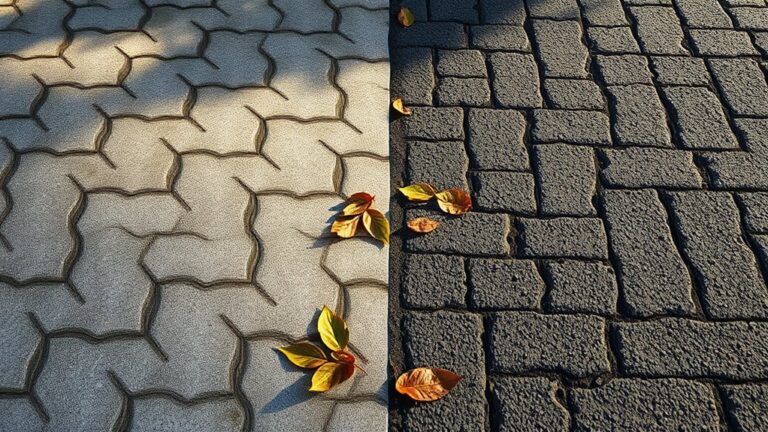
Driveway design can profoundly impact the environment, with traditional materials and methods often exacerbating issues such as stormwater runoff and urban heat. By opting for sustainable materials and innovative designs, you can mitigate these effects. Below is a comparison of various driveway materials and their environmental impacts:
| Material | Environmental Benefit | Drawback |
|---|---|---|
| Crushed Concrete | Reduces landfill waste | May still be non-permeable |
| Crushed Shell | Allows water penetration | Nutrients may attract pests |
| Permeable Pavers | Reduces runoff | Initial cost can be higher |
| Recycled Asphalt | Minimizes resource extraction | Durability concerns |
Choosing eco-friendly options like permeable surfaces not only enhances water quality but also contributes to lower maintenance costs and increased property value. Incorporating materials like gravel grid systems can further promote effective drainage and reduce environmental impact.
Fees Associated With Driveway Permits
The impact of driveway design on environmental sustainability often leads to a need for proper regulation, particularly concerning permit fees.
You'll find significant fee variations depending on your location. Urban areas typically charge between $50 to $200, while rural permits may be less structured and more variable.
Here are some key considerations:
- Chicago bases fees on driveway width, with some exemptions.
- Los Angeles County includes construction inspection fees.
- Rural areas often have diverse local regulations affecting costs.
- Payment methods are increasingly electronic, streamlining the process.
Understanding these fee structures can help you budget effectively and guarantee you comply with local regulations, ultimately leading to a smoother driveway project experience.
Local Economic Factors Related to Driveway Projects
While considering the implications of driveway projects, it's crucial to recognize how local economic factors intertwine with these developments.
Driveway construction creates local employment opportunities, directly benefiting workers and support staff. As demand for housing and services increases, local hotels and restaurants thrive, further stimulating economic activity.
Driveway construction fosters local job growth, bolstering demand for housing and invigorating nearby hotels and restaurants.
Improved driveway access enhances regional economic integration by expanding labor market access and optimizing supply chains, leading to a projected 5-8% boost in labor market efficiency. Additionally, driveway installations contribute to increased property values, making them a worthwhile investment for homeowners.
Access management strategies not only improve safety but also reduce construction costs.
Ultimately, these projects catalyze long-term economic benefits, attracting businesses and increasing property values, which further solidifies the relationship between local employment and economic integration in your community.
Zoning Regulations and Their Effect on Property Value
Understanding how local economic factors influence driveway projects sets the stage for examining zoning regulations and their impact on property value.
Zoning classifications impact property values fluctuations by dictating how land can be utilized. For instance, restrictive zoning can limit property supply, potentially increasing value, while permissive regulations might stabilize prices by allowing more development.
Consider these key points:
- Zoning laws dictate land use and development potential.
- Changes in zoning can lead to significant property value shifts.
- High-density zones often command higher prices due to demand.
- Incompatible uses near residential areas can depress property values.
Navigating these regulations is essential for property owners and investors, as understanding them can reveal opportunities or mitigate risks in real estate.
Frequently Asked Questions
What Materials Are Best for Driveway Construction in Different Areas?
When choosing driveway materials, consider asphalt's advantages for urban durability and cost, while gravel offers rustic charm and reliability in rural settings. Assess your area's climate, budget, and aesthetic to make the best decision.
How Does Driveway Design Impact Home Insurance Rates?
Did you know that well-designed driveways can yield up to 20% in insurance discounts? By prioritizing driveway aesthetics and incorporating durable materials, you not only enhance your property but also potentially lower your home insurance rates.
Are There Any Grants Available for Driveway Construction?
You'll find limited grant options specifically for driveway construction. Most funding sources focus on broader infrastructure projects. However, FEMA assistance could help with repairs after disasters, depending on eligibility and documentation requirements.
What Is the Average Lifespan of a Residential Driveway?
Did you know asphalt driveways last 15 to 30 years? Lifespan factors like climate and installation quality greatly impact durability. Regular driveway maintenance, including sealing and crack filling, can extend that lifespan considerably.
How Can I Improve My Driveway's Drainage System?
To improve your driveway's drainage system, consider effective drainage solutions like channel drains or permeable pavers. These enhance water management, ensuring proper runoff control while minimizing environmental impact and maintaining compliance with local regulations.
Conclusion
In summary, understanding the differences in driveway regulations between urban and rural areas is essential for traversing your property's needs. Think of it as choosing a path through a forest versus a city street; each has its own rules and benefits. By staying informed about width requirements, permits, and zoning regulations, you can enhance safety, accessibility, and property value. So, whether you're paving paradise or just a simple path, make certain you're compliant and ready to roll!

The Dilemma of Homeowners One of the most common and frustrating issues that homeowners face is driveway cracks. These cracks Read more

We all have an idea of how we want our driveways to look; whether it's the feel of a smooth Read more
We all know that the driveway is one of the most important features of any home. It sets the tone Read more