Are Cracks in Driveway Normal?
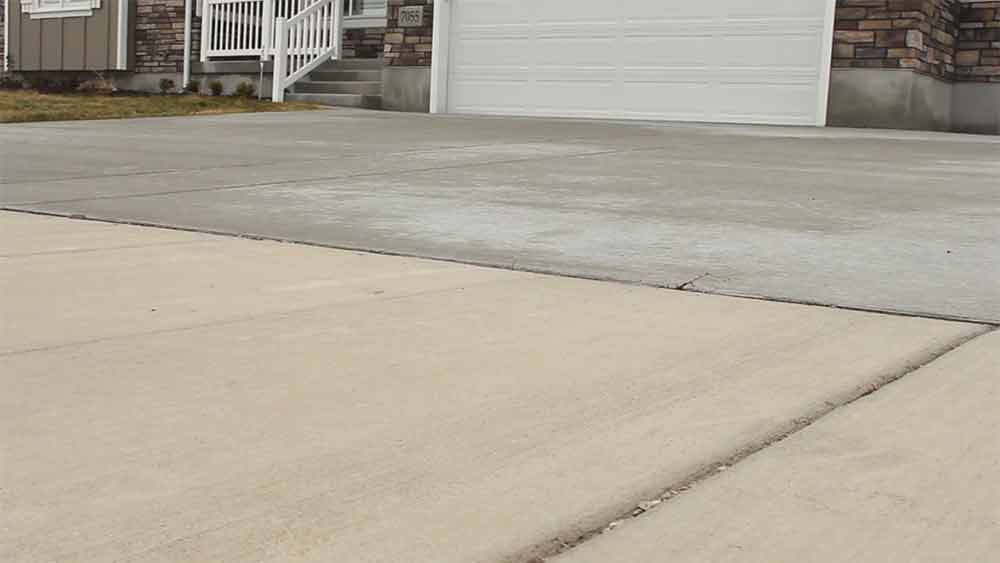
Welcome to Nottinghamshire Driveways, your trusted source for all your driveway installation, paving, and repair needs. If you’ve noticed cracks appearing in your concrete driveway, you’re not alone. We understand that you may have concerns about the structural integrity of your driveway, which is why we’re here to provide expert insights.
Expert driveway installers know that cracks can be a common occurrence, even in well-built driveways. While controlled joints are typically installed to minimise cracking, there’s no guarantee that your driveway won’t develop cracks over time. Factors such as soil composition and installation quality can contribute to their formation.
It’s important to note that not all cracks are cause for alarm. Hairline cracks and shrinkage cracks, which are thin and small, are generally considered normal and do not impact the overall structure of your driveway.
However, if you notice excessive cracking occurring soon after installation, it could indicate improper installation or underlying sub-grade problems.
In such cases, we recommend contacting our team of professional driveway contractors for a thorough inspection.
At Nottinghamshire Driveways, our experts have the knowledge and experience to identify the types and causes of concrete cracks.
In the next section, we’ll explore the different types of cracks that can occur and their underlying causes. Stay tuned!
Types and Causes of Concrete Cracks
Concrete driveways can develop various types of cracks, each with its own causes and implications. Understanding the different types of cracks and their underlying causes can help homeowners identify issues and take appropriate action. Here, we explore the common types of concrete cracks and discuss their potential causes.
1. Hairline Cracks
Hairline cracks are thin cracks that are less than 0.3 mm wide. These cracks are considered normal and do not affect the structural integrity of the driveway. They often occur due to natural shrinkage during the curing process. Hairline cracks are commonly found in newly poured driveways and don’t require immediate repair.
2. Plastic Shrinkage Cracks
Plastic shrinkage cracks are caused by rapid moisture evaporation before the concrete has fully dried. This can happen if too much water is added to the concrete mix. These cracks often appear as interconnected shallow cracks on the surface of the driveway. Proper curing techniques, such as misting the surface with water or covering it with a curing compound, can help prevent plastic shrinkage cracks.
3. Settlement Cracks
Settlement cracks occur when the ground beneath the concrete driveway shifts or settles unevenly. This can be caused by soil erosion, inadequate compaction, or changes in moisture content. Settlement cracks often appear as vertical or diagonal cracks that extend from the surface down into the concrete. If left unaddressed, settlement cracks can worsen over time and lead to more significant damage.

4. Overloading Cracks
Overloading cracks occur when the driveway experiences excessive pressure or weight. This can be caused by heavy vehicles, such as trucks or RVs, regularly parking on the driveway.
Overloading cracks typically appear as wider cracks that are wider at the surface and taper down into the concrete.
Reinforcing the driveway with steel mesh or using thicker concrete can help prevent overloading cracks.
5. Structural Cracks
Structural cracks are wider and more severe cracks that can indicate more significant issues with the driveway’s integrity. These cracks can be caused by poor construction practices, inadequate reinforcement, or unstable ground conditions. If homeowners notice extensive or horizontal cracks in their concrete driveway, it is crucial to consult a professional contractor for a thorough inspection and proper repair solutions.
| Type of Crack | Appearance | Cause |
|---|---|---|
| Hairline Cracks | Thin cracks less than 0.3 mm wide | Natural shrinkage during curing process |
| Plastic Shrinkage Cracks | Interconnected shallow cracks on the surface | Rapid moisture evaporation before drying |
| Settlement Cracks | Vertical or diagonal cracks extending from the surface | Uneven ground settlement or shifts |
| Overloading Cracks | Wider cracks that taper down into the concrete | Excessive pressure or weight |
| Structural Cracks | Wider and more severe cracks | Issues with construction or ground stability |
Repairing Cracks in Concrete Driveways
When it comes to maintaining the integrity and appearance of your concrete driveway, repairing cracks is essential. The good news is that there are skilled driveway installers who can help restore the beauty and functionality of your driveway. If you’re looking for top-rated, reputable, and certified driveway installers in Nottinghamshire, look no further than Nottinghamshire Driveways.
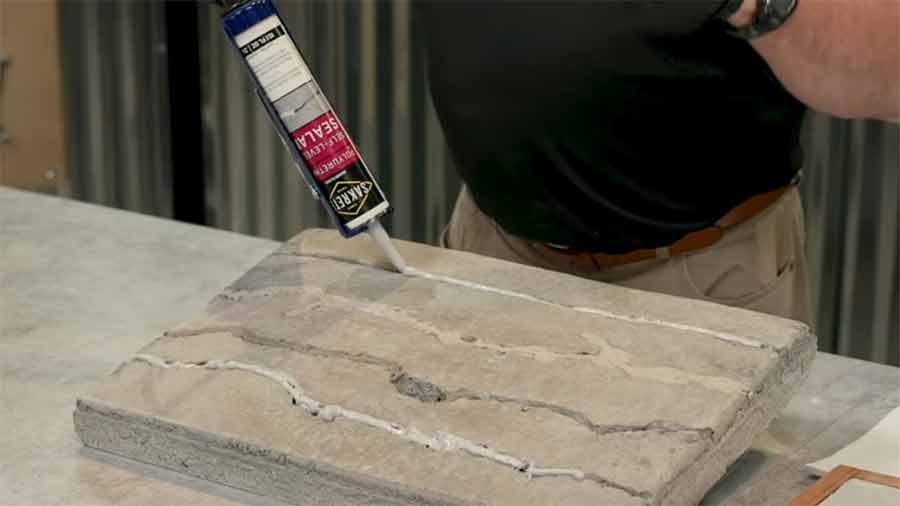
Depending on the type and severity of the crack, different repair methods may be employed. For narrow cosmetic cracks, a resurfacing product can be used to bring back the smooth and polished look of your driveway. Hairline cracks, on the other hand, can be effectively filled with a flexible sealant to prevent water from seeping in and causing further damage.
When dealing with cracks along the edge of your driveway, skilled driveway contractors recommend using a quick-setting cement mixed with an acrylic fortifier. This combination ensures a durable and long-lasting repair. For separated control joints, a self-leveling sealant is applied to maintain the overall appearance of the driveway while preventing water penetration.
However, in cases of wide, jagged cracks accompanied by significant heaving or settling, it may be necessary to consider full slab replacement. Certified driveway installers have the expertise to assess the extent of the damage and provide you with tailored solutions that prioritise long-term durability and function. It’s always wise to consult with professionals like Nottinghamshire Driveways to ensure the best results for your concrete driveway.
For more information you can visit our website and contact us today on 07595 510190 to receive a free quote.
Source Links
- https://allaboutdriveways.com/
concrete-driveway-cracks/ - https://www.angi.com/articles/
does-freshly-poured-concrete
-normally-crack.htm - https://www.bobvila.com/articles/
cracks-in-concrete-driveway/

'Home is where the heart is,'and a driveway serves as the welcoming path to that cherished abode. As homeowners, we Read more

Are you tired of driving over potholes and uneven surfaces every time you enter your driveway? It's time to pave Read more

Imagine driving down a smooth, pristine road, your tires gliding effortlessly along the pavement. Now, picture the jarring experience of Read more