Is There An Alternative To Tarmac
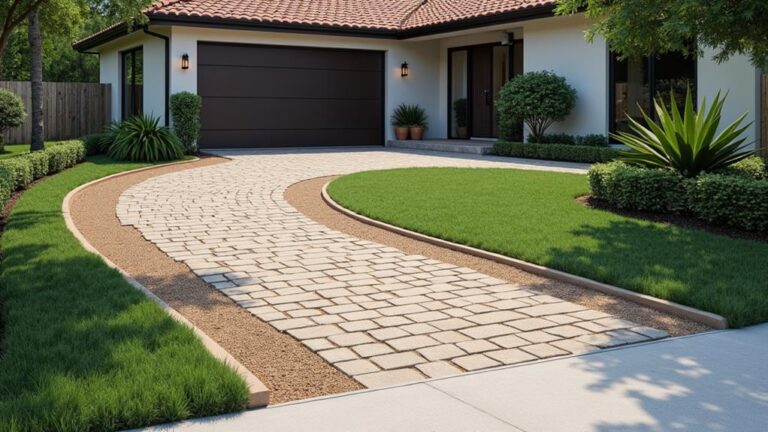
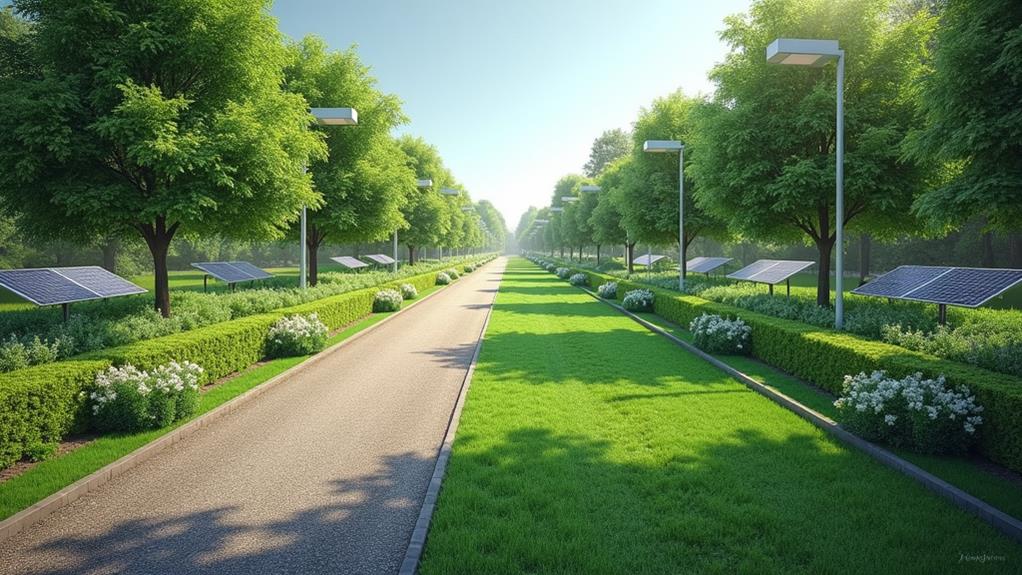
Yes, there are several alternatives to tarmac that you might consider, each with unique benefits tailored to different needs and environmental conditions. Permeable concrete solutions allow for water infiltration, greatly reducing runoff and supporting natural ecosystems. Rubberised asphalt, which incorporates recycled tires, offers enhanced flexibility and durability, proving less prone to cracking. Additionally, recycled plastic roads make use of waste plastic, transforming it into a robust construction material that also tackles pollution. If you’re interested in more sustainable and efficient road materials, these options promise intriguing benefits and could considerably reshape standard road construction approaches. Further exploration will uncover how these innovations meet specific requirements.
Understanding Traditional Tarmac
When considering road surfaces, traditional tarmac remains a popular choice due to its durability and cost-effectiveness. Understanding the composition and installation process is essential to appreciating why it’s so widely used.
Tarmac, fundamentally a mix of crushed stone and tar, is designed for peak performance in a variety of weather conditions. This flexible installation allows it to be tailored to match the aesthetics of any property, adding to its appeal.
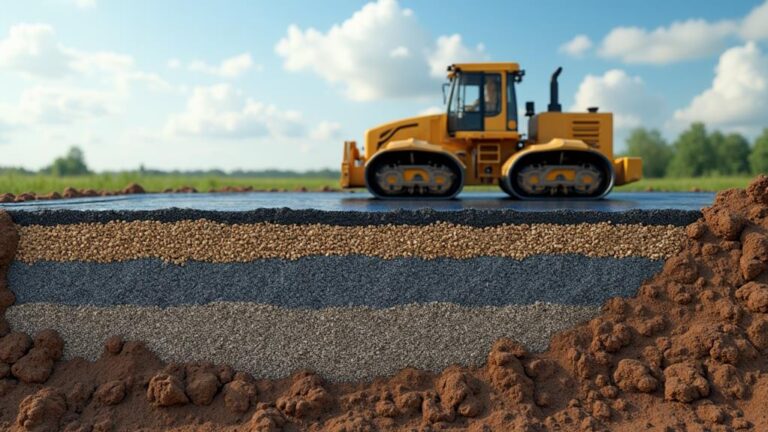
The installation process begins with the preparation of the base, which is critical to guarantee a long-lasting surface. You must verify the base is stable and well-compacted before the tarmac layer is applied. This base typically consists of crushed rock or gravel.
Once this stage is complete, the tarmac mixture is laid down. It’s vital that this is done quickly and efficiently, as the material begins to cool and set soon after it’s mixed.
Compaction is the next step and perhaps the most important. You’ll need heavy rollers to press the tarmac into place, creating a dense, tightly packed surface that resists deformation and wear.
Proper compaction guarantees that the surface is uniform and smooth, which contributes greatly to the longevity of the road.
Benefits of Alternative Materials

Although traditional tarmac has its merits, exploring alternative materials can offer considerable advantages, particularly regarding environmental impact and long-term sustainability.
You’ll find that materials such as permeable concrete, rubberised asphalt, and pervious pavers not only enhance sustainability benefits but also reduce heat absorption, a critical factor in mitigating urban heat islands.
These alternatives often present a favourable durability comparison to traditional tarmac. For instance, rubberised asphalt, which incorporates recycled tires, isn’t only cost-effective but also exhibits greater flexibility under temperature fluctuations, reducing maintenance requirements.
This flexibility means fewer cracks and less frequent repairs, lowering long-term costs and environmental impact.
Additionally, using permeable driveways aligns with Sustainable Urban Drainage Systems regulations, further promoting environmental sustainability by reducing runoff and enhancing groundwater recharge.
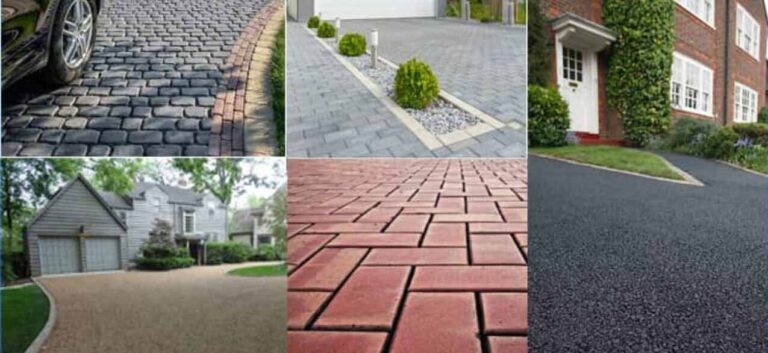
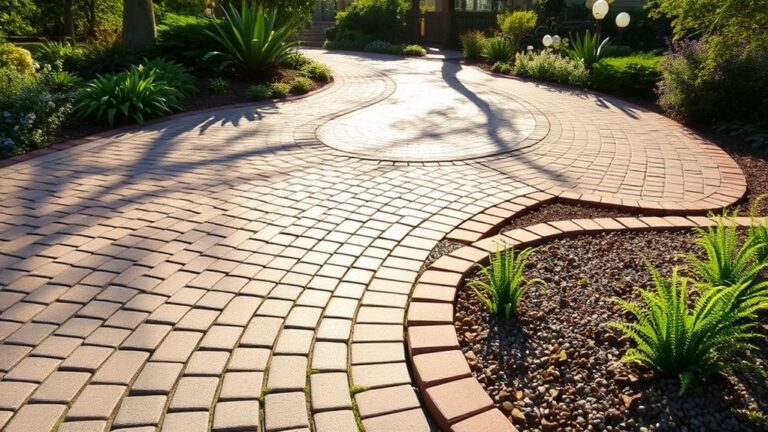
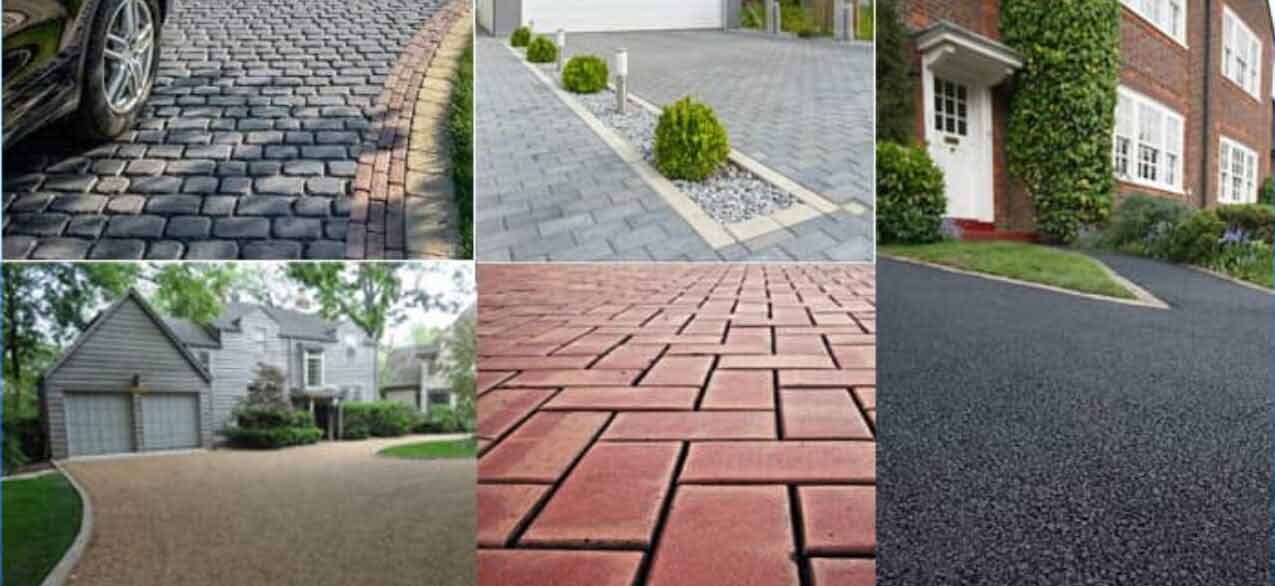
Furthermore, the aesthetic options available with alternative materials can considerably improve the visual appeal of urban and rural spaces. From varied colors and textures to custom designs, these materials can be tailored to blend or enhance the surrounding environment.
In terms of practical benefits, materials like permeable concrete contribute to noise reduction by absorbing sound, a considerable advantage in densely populated areas.
Recycled Plastic Roads
One innovative surface option you might consider is recycled plastic roads. This technology integrates plastic waste into the very infrastructure you drive on, offering a dual benefit of road sustainability and waste management.
Fundamentally, the process involves replacing a portion of traditional bitumen in asphalt with plastic polymers. Since plastic is both durable and flexible, it enhances the asphalt’s performance by increasing its lifespan and resistance to common road damages like cracking and rutting.
You’re not just investing in a road; you’re contributing to a reduction in global plastic waste. By diverting plastics from landfills and oceans, these roads use material that would otherwise harm the environment.
The production of plastic road materials can consume less energy compared to conventional asphalt production, potentially lowering greenhouse gas emissions.
However, it’s vital you’re aware of the specific conditions under which these roads perform effectively. They’re particularly suited to climates that don’t experience extreme high temperatures, as excessive heat can cause the plastic to soften, affecting the road’s integrity.
Before opting for this solution, you’ll need to consult with professionals to assess its viability in your local environmental conditions.
Permeable Concrete Solutions
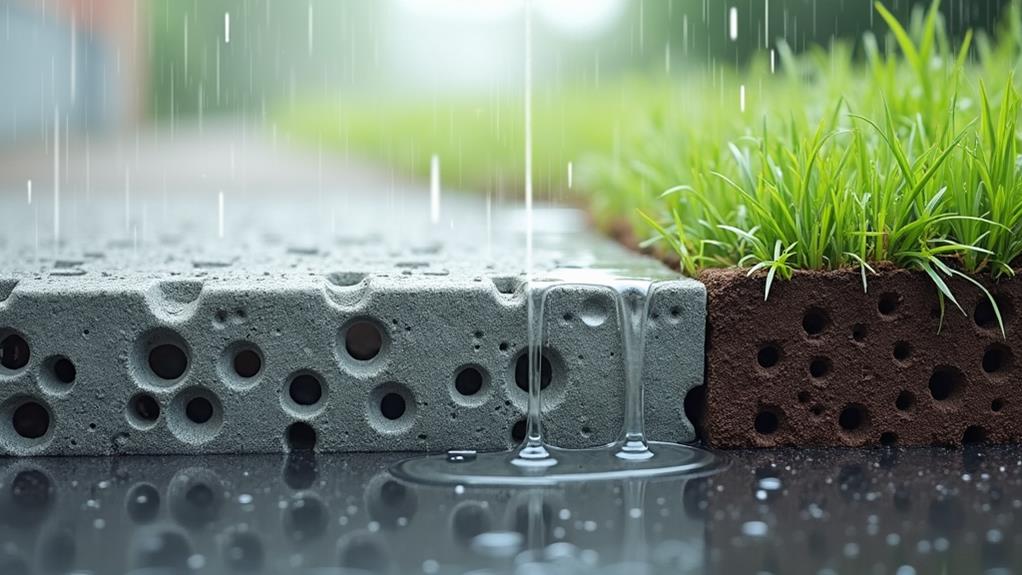
Permeable concrete, a sustainable alternative to traditional surfaces, allows water to pass through it, reducing runoff and preventing erosion. As you explore the options for more eco-friendly building materials, permeable concrete stands out for its ability to facilitate sustainable drainage while supporting robust infrastructure.
Here’s why you should consider using permeable concrete:
- Reduced Water Runoff: By allowing water to seep through, permeable concrete lessens the volume of runoff that must be managed by drainage systems.
- Lower Flood Risk: This material’s porous nature can help mitigate flooding, especially in areas prone to heavy rainfall.
- Groundwater Recharge: Permeable surfaces enable water to return to aquifers, maintaining groundwater levels and supporting overall ecosystem health.
- Pollution Control: As water infiltrates through the concrete, pollutants are naturally filtered out, leading to cleaner water entering the groundwater or local waterways.
- Longevity and Durability: Despite its porous nature, permeable concrete is designed for longevity and can withstand the wear and tear of pedestrian and vehicular traffic.
Opting for permeable concrete not only addresses environmental concerns but also offers a practical solution that doesn’t compromise on performance or durability.
By integrating permeable driveway surfaces, you can enhance the environmental benefits while maintaining a visually appealing and functional infrastructure.
Consider this innovative material for your next project to contribute to a more sustainable future.
Geosynthetic Reinforced Soil
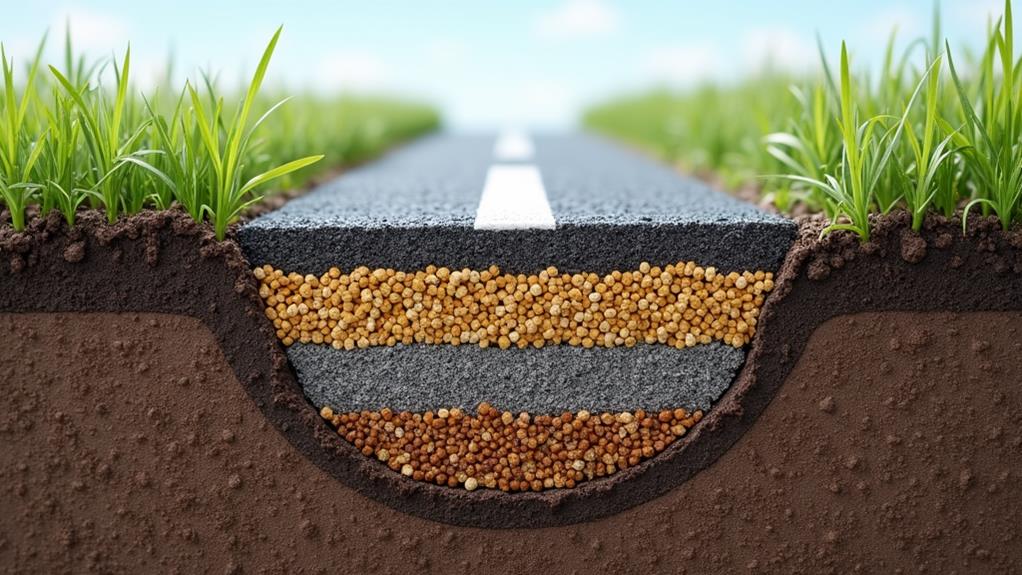
Geosynthetic reinforced soil (GRS) technology offers a revolutionary approach to modern construction, combining soil with geosynthetics to enhance the soil’s mechanical properties. You’ll find that GRS technology is pivotal in soil stabilisation efforts, particularly in environments where soil alone would fail under structural demands.
By integrating geosynthetics, engineers can improve the durability and load-bearing capabilities of the foundational soil, making it suitable for a variety of geotechnical applications.
As you explore GRS, you’ll notice that it primarily involves the use of geotextiles, geogrids, or geomembranes. These materials are strategically placed between layers of soil to reinforce the overall structure. The inclusion of geosynthetics not only stabilises the soil but also aids in preventing erosion and mitigating the effects of environmental stressors.
In practical terms, the application of GRS can considerably reduce construction time and costs compared to traditional methods. It’s also environmentally friendly, as it reduces the need for quarrying additional natural resources.
Additionally, GRS technology adapts well to a range of terrains, making it an ideal choice for roadways, embankments, and retaining walls.
Understanding the structured analysis and technical details of GRS, you’re equipped to evaluate its implications in your next project. This innovative approach bridges the gap between cost-effectiveness and robust infrastructure development.
Future of Road Construction Materials
Building on the innovative use of materials like those in geosynthetic reinforced soil, the future of road construction materials looks promising with emerging technologies poised to further revolutionise this field.
As you explore this area, you’ll find that the focus isn’t just on enhancing durability but also on sustainability and cost-effectiveness. The use of green concrete and other sustainable materials reflects a growing commitment to reducing the environmental impact of road construction.
Here’s what you need to know about the cutting-edge materials shaping road construction’s future:
- High Performance Asphalt: Improved formulations offer better longevity and resistance to weather conditions.
- Bio-Based Materials: These include elements like lignin and resin from plants, reducing reliance on non-renewable resources.
- Recycled Plastics: Used in the sub-base layer, they contribute to waste reduction and resource efficiency.
- Graphene Additives: Increase the strength and performance of traditional asphalt.
- Self-Healing Materials: These materials can repair themselves after minor damage, extending road life and reducing maintenance costs.
Each of these materials offers unique benefits that could dramatically alter how roads are built and maintained.
You’re looking at not just incremental adjustments but potentially transformative changes that could lead to more sustainable, durable, and cost-efficient road infrastructure.
Conclusion
As you explore the horizon of road construction, imagine the network of recycled plastic roads, interwoven like a resilient web beneath your wheels. Envision rain filtering through permeable concrete, reducing runoff, akin to earth breathing. Picture geosynthetic layers fortifying soil, as intricate as nature’s own designs. This isn’t just theoretical; it’s a practical, sustainable shift, ensuring roads not only withstand time but also nurture the environment. The future of road materials is here, merging innovation with earth-conscious wisdom.

The Dilemma of Homeowners One of the most common and frustrating issues that homeowners face is driveway cracks. These cracks Read more

We all have an idea of how we want our driveways to look; whether it's the feel of a smooth Read more
We all know that the driveway is one of the most important features of any home. It sets the tone Read more