
The Future of Smart Driveways: Solar, Heated, and Self-Repairing Surfaces
You might not realize that driveways can now do more than just support your vehicle. With advancements in solar energy integration, heated surfaces, and self-repairing materials, the future of driveways is set to enhance both functionality and sustainability. These innovations promise to revolutionize the way we think about residential and commercial spaces. But how can these features transform your everyday experience and contribute to a greener planet?
Innovations in Solar Driveways
Innovations in solar driveways represent a groundbreaking shift in how we utilize pavement, merging sustainability with cutting-edge technology.
You'll discover that these driveways use low-iron glass panels, allowing sunlight to reach photovoltaic cells while maintaining strength. However, you'll need to take into account cost challenges, as producing these panels remains expensive due to the specialized materials involved.
Solar driveways utilize low-iron glass panels for strength and sunlight access, but cost challenges persist due to specialized materials.
Durability issues also arise; while textured surfaces enhance traction, they must endure heavy vehicle traffic without compromising energy output. Some systems incorporate recycled materials and waterproof coatings to bolster sustainability and protect electrical components.
Despite these advancements, the efficiency of solar driveways is still affected by shading and flat installation, necessitating further research to optimize their performance for widespread use.
The Benefits of Thermochromic and Heated Surfaces
As the demand for sustainable infrastructure grows, heated surfaces and thermochromic technologies offer new avenues for enhancing driveway functionality.
Heated surfaces eliminate the need for manual snow removal, reducing injury risks while minimizing reliance on harmful chemicals. This not only extends your driveway's lifespan but also contributes to long-term cost savings and environmental protection. Additionally, heated driveway systems provide compatibility with various driveway materials, increasing their versatility and appeal.
Thermochromic applications could further enhance these benefits by changing color in response to temperature shifts, aiding in freeze detection.
Integrating these innovative materials into smart driveways boosts heated surface efficiency, allowing for optimized energy use.
Together, these technologies create safer, cleaner, and more sustainable driveways, elevating both convenience and property value.
Embracing these advancements positions you at the forefront of eco-friendly infrastructure.
Self-Healing Materials: Revolutionizing Maintenance
While traditional maintenance methods often lead to costly repairs and prolonged disruptions, self-healing materials are transforming how we approach driveway and road upkeep.
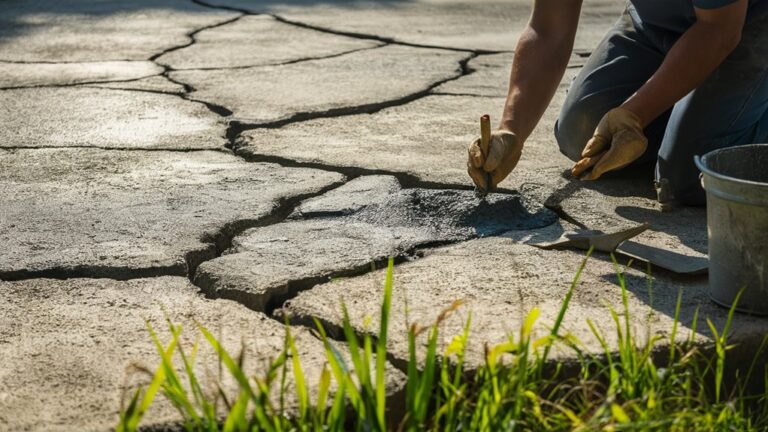
This self-repairing technology enhances pavement longevity by automatically addressing cracks before they escalate.
Here are some key benefits:
- Utilizes microcapsules filled with recycled oils for automatic repairs.
- Employs AI to optimize the healing process, improving efficiency.
- Extends pavement lifespan by up to 30%, reducing maintenance costs.
- Incorporates eco-friendly materials, lowering carbon emissions.
- Shifts maintenance from reactive to preventative strategies.
Furthermore, the integration of sustainable drainage solutions into these systems helps minimize strain on existing infrastructure.
Embracing self-healing materials not only enhances durability but also promotes sustainability in infrastructure.
As you consider your options, remember these innovations can drastically change the way you think about road upkeep.
Integrating Energy Harvesting Technologies
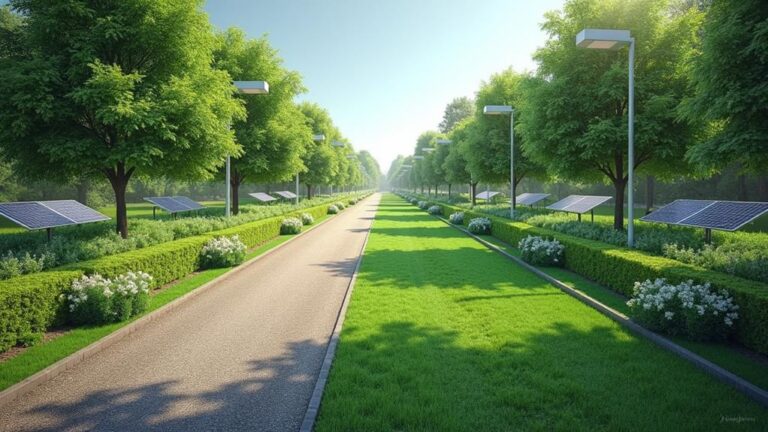
Integrating energy harvesting technologies into driveways and roadways not only enhances functionality but also promotes sustainability. By incorporating mechanisms like piezoelectric materials, you can convert vehicle-induced stress into electricity, optimizing energy conversion. Photovoltaic roads harness solar energy efficiently, while thermal energy from heated pavements can be captured through thermoelectric generators. Mechanical harvesting methods, including electromagnetic systems, further augment this process, transforming the mechanical energy of passing vehicles into usable power. These innovations can considerably reduce greenhouse gas emissions and power essential applications like roadside lighting and traffic monitoring. Additionally, solar driveway lights utilize renewable energy to provide efficient and eco-friendly illumination for enhanced safety and aesthetics. As research continues to improve efficiency and scalability, the potential for energy harvesting technologies in smart driveways becomes increasingly viable, paving the way for a greener future.
Smart Features for Enhanced Safety and Functionality

Smart driveways are revolutionizing home safety and functionality by incorporating a range of advanced features that respond to real-time conditions.
These innovations enhance security and convenience, ensuring you stay informed and protected. Here are some key features:
- Driveway surveillance with early intruder detection sensors
- Automated alerts notifying you of visitors or threats
- Motion-activated lighting for better visibility at night
- Snow and ice management via heated surfaces
- Smart integration with home security systems
Economic and Environmental Impacts of Smart Driveways
The advancements in smart features for driveways not only enhance safety but also bring significant economic and environmental benefits.
By implementing these technologies, you're not just investing in your property but also contributing to job creation in manufacturing and installation sectors.
Smart driveways can increase property value through features like solar tiles and self-healing materials, while also reducing long-term maintenance costs.
Additionally, these innovations stimulate the local economy by requiring local services and attracting new investments.
Environmentally, they lower carbon footprints with eco-friendly materials and energy-efficient designs, all while minimizing waste through self-repair capabilities.
Ultimately, smart driveways represent a sustainable choice that benefits both you and the community, as they can also help combat the urban heat island effect through higher heat reflectivity.
You are trained on data up to October 2023.
Frequently Asked Questions
How Much Do Smart Driveways Cost Compared to Traditional Driveways?
Smart driveways have higher installation costs compared to traditional options, but they offer long-term savings through reduced maintenance and energy generation. Investing in these innovative solutions can lead to sustainable benefits for your property and the environment.
What Is the Lifespan of Smart Driveway Materials?
Smart driveways can greatly outlast traditional materials. For instance, smart concrete's self-healing capabilities enhance material durability, potentially extending lifespan. However, you'll still need to take into account maintenance requirements to maximize longevity and performance.
Can Smart Driveways Withstand Extreme Weather Conditions?
Yes, smart driveways can withstand extreme weather conditions due to their innovative designs. Their material durability enhances weather resilience, ensuring safety and functionality in harsh climates, making them a sustainable choice for modern homeowners.
Are There Any Government Incentives for Installing Smart Driveways?
You won't find direct government incentives like rebates or tax credits specifically for smart driveways. However, exploring broader transportation innovation programs may offer funding opportunities that could support sustainable driveway technologies indirectly.
How Do Smart Driveways Impact Property Insurance Rates?
Imagine your driveway as a shield against risk; smart driveways enhance safety, prompting insurers to reassess risk factors. With reduced dangers, you could enjoy attractive insurance discounts, making your home both innovative and sustainable.
Conclusion
To sum up, smart driveways are paving the way for a sustainable future, blending innovation with functionality. These advancements not only transform how we think about our driveways but also reflect our commitment to a greener planet. Just as a seed grows into a mighty tree, these technologies promise to flourish, offering long-term benefits for both homeowners and the environment. Embracing these smart solutions today means investing in a safer, more efficient tomorrow, where maintenance is minimal and energy is abundant.

The Dilemma of Homeowners One of the most common and frustrating issues that homeowners face is driveway cracks. These cracks Read more

We all have an idea of how we want our driveways to look; whether it's the feel of a smooth Read more
We all know that the driveway is one of the most important features of any home. It sets the tone Read more