Understanding The Technology And Benefits Of Heated Driveways

Are you tired of shoveling snow and constantly salting your driveway during the winter months? What if there was a technology that could eliminate these tedious tasks and make your life easier? Introducing heated driveways – the innovative solution to snow and ice removal.
Heated driveways, also known as snow-melting systems, are a game-changer in the world of driveway maintenance. Gone are the days of waking up early to shovel the snow or worrying about slippery surfaces. These systems utilise heating elements placed on or under the driveway surface to melt snow and ice, ensuring safe and clear paths.
But how do heated driveways work, and what are the benefits of installing one? Join us as we delve into the technology, types, installation, and costs of heated driveways. Discover how this innovation can transform your winter experience and revolutionise the way you maintain your driveway.
Types of Heated Driveways
Heated driveways come in two main types: built-in systems and heated mats. Built-in systems can utilise either circulating heated water or low-voltage electric radiant heat technology.
Circulating heated water systems involve tubing installed under the driveway surface.
The heated water, mixed with an anti-freeze, melts the snow and ice. Low-voltage electric systems use a grid of wires beneath the driveway to generate heat.
Heated mats, on the other hand, are portable and contain a heating element that melts snow and ice in a specific area of the driveway. These mats are designed to be driven over without damage.

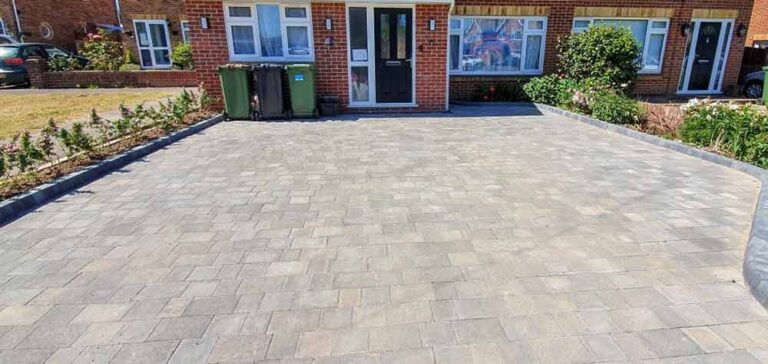
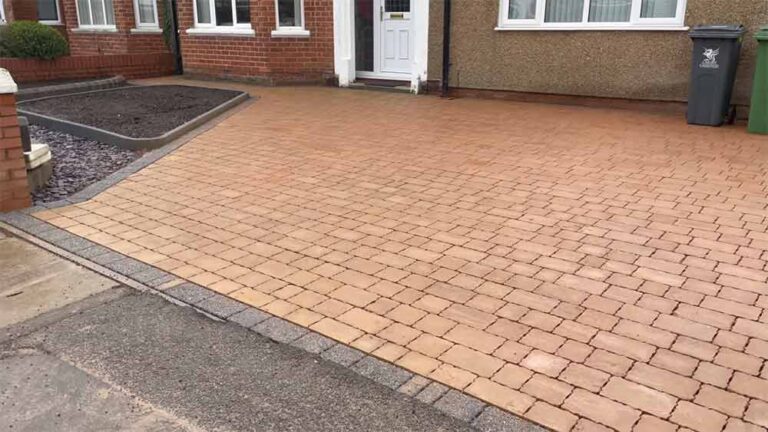
When it comes to the driveway material itself, options such as block paving, resin, gravel, and tarmac can all be compatible with heated driveway systems.
Comparison table of Heated Driveway Types
| Heated Driveway Type | Heating Method | Driveway Material Compatibility |
|---|---|---|
| Built-in Systems – Circulating Heated Water | Tubing with heated water | Block Paving Driveway, Resin Driveway, Gravel Driveway, Tarmac Driveway |
| Built-in Systems – Low-voltage Electric | Grid of wires | Block Paving Driveway, Resin Driveway, Gravel Driveway, Tarmac Driveway |
| Heated Mats | Portable mats with heating elements | Block Paving Driveway, Resin Driveway, Gravel Driveway, Tarmac Driveway |
Installation and Cost of Heated Driveways
The installation of a heated driveway involves several key steps to ensure efficient snow melting and long-term durability. The process typically includes:
- Excavation: The existing driveway surface is carefully removed to create a suitable foundation for the heating elements.
- Insulation: Insulation boards are installed to prevent heat loss and ensure optimal performance.
- Heating Element Placement: The heating elements, whether water-based tubes or electric grids, are strategically laid out across the driveway area.
- Control System Installation: A control panel is installed to regulate the heating system and allow for customisable settings.
- Backfilling: Once the heating elements and control system are in place, the area is backfilled with gravel or sand for added stability.
- Paving: Finally, the paving material, such as asphalt or concrete, is poured over the heating system to create a seamless and functional heated driveway.
The cost of installing a heated driveway can vary depending on various factors, including the size of the driveway and the type of heating system chosen. On average, the labour and installation costs for a two-car driveway spanning approximately 640 square feet can range from £12,800. A smaller one-car driveway, around 320 square feet, may cost around £4,800, while a larger driveway can exceed £25,000.
Cost Breakdown:
| Item | Average Cost |
|---|---|
| Hydronic System (per square foot) | £15 – £30 |
| Electric System (per square foot) | £10 – £20 |
| Hydronic System (system only) | £4,200 – £8,700 |
| Electric System (system only) | £3,200 – £5,800 |
It is important to consider not only the initial installation costs but also the ongoing operating costs when planning for a heated driveway. Factors such as the severity of the winter, electric rates, and the specific type of system chosen can all affect the long-term expenses. Consulting with professional driveway contractors and considering different paving materials, such as tarmac driveways, can help determine the most suitable and cost-effective solution for your needs.
Conclusion

Heated driveways offer numerous benefits, including convenience, safety, and cost savings. By eliminating the need for manual snow removal, they provide a hassle-free solution for homeowners. They also help prevent slips and falls on icy surfaces, reducing the risk of injuries.
While the initial installation costs can be high, the long-term savings on professional snow removal services and potential damage to the driveway surface can make heated driveways a worthwhile investment. Additionally, heated driveways can extend the lifespan of the driveway by preventing damage from freeze-thaw cycles.
It is important to consider factors such as the compatibility of the driveway material with heated systems and the type of system that best suits your needs. Consulting with driveway contractors, like Nottinghamshire Driveways, and exploring different options can help you make an informed decision. They can provide expert advice and offer services for resurfacing and landscaping to ensure your heated driveway is both functional and aesthetically pleasing.
For more information you can visit our website and contact us today on 07595 510190 to receive a free quote.
Source Links
- https://www.thespruce.com/cost-of
-heated-driveway-systems-4117474 - https://www.warmzone.com/snow
-melting/about-heated-driveways/ - https://www.greenwavedist.com/
blog/heated-driveway/how
-does-a-heated-driveway-work/

'Home is where the heart is,'and a driveway serves as the welcoming path to that cherished abode. As homeowners, we Read more

Are you tired of driving over potholes and uneven surfaces every time you enter your driveway? It's time to pave Read more

Imagine driving down a smooth, pristine road, your tires gliding effortlessly along the pavement. Now, picture the jarring experience of Read more