How Weather Conditions Affect Block Paving Driveways
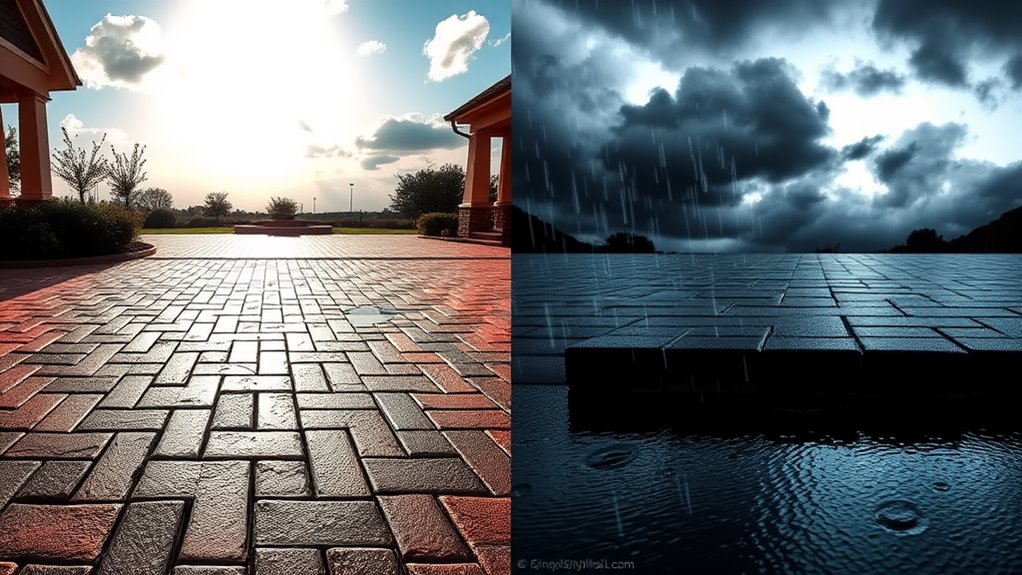
Did you know that nearly 70% of block paving driveways suffer from wear and tear due to adverse weather conditions? Temperature fluctuations can cause thermal expansion, leading to cracks and gaps. Meanwhile, moisture plays a critical role in destabilizing the structure. As you consider these factors, it's crucial to understand how different elements interact with your driveway's materials and what steps you can take to preserve its integrity.
The Impact of Temperature on Block Paving
When temperatures fluctuate, block paving can undergo significant changes that affect its structural integrity and longevity.
Thermal expansion occurs as pavers expand in warmer conditions, potentially leading to gaps and cracks. Conversely, colder temperatures cause contraction, which can expose joints and increase the risk of water infiltration.
The materials used in block paving have varying thermal expansion coefficients, impacting their response to these temperature fluctuations. Additionally, extreme temperatures can compromise the stability of the aggregate base beneath the pavers, resulting in uneven settlement over time.
To mitigate these effects, regular maintenance checks are essential, ensuring any temperature-induced issues are promptly addressed. Understanding these dynamics is vital for maintaining the durability of your block paving, especially considering the long-term maintenance costs associated with different materials.
Moisture and Rain: Risks for Paver Integrity
Moisture and rain pose important risks to the integrity of block paving driveways, as they can lead to various forms of damage that compromise stability and durability.
Excess moisture can cause erosion between pavers, leading to shifting and a loss of structural integrity. Water accumulation under the pavers creates a fluid cushion that destabilizes the entire system.
Excess moisture can erode paver joints, causing shifting and compromising the driveway's structural integrity.
Rain-induced pooling exacerbates these issues, particularly if drainage solutions are inadequate. Furthermore, excessive moisture promotes the growth of moss and algae, creating slip hazards.
To mitigate these risks, effective moisture management is essential. Implementing permeable pavers, ensuring proper installation, and regularly sealing surfaces can greatly enhance the resilience of your driveway against moisture-related damage.
Wind Effects on Paver Stability and Appearance
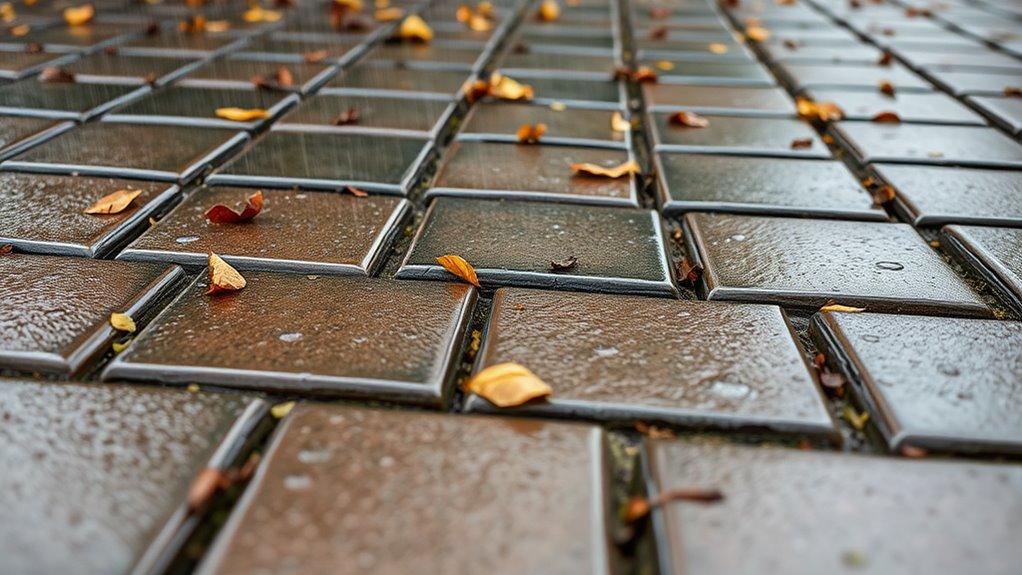
While moisture poses considerable risks to block paving driveways, wind also plays an essential role in affecting their stability and appearance.
Strong winds can carry debris that scratches paver surfaces, especially harmful during storms. Wind uplift, although less common, can impact pavers not securely anchored, particularly on elevated decks.
Significant wind speeds and directional angles, such as 45°, greatly influence uplift risks. To mitigate these effects, employing paver anchoring systems like steel trays, adhesives, and thicker pavers with hold-down washers is necessary.
Locking pavers as a single unit can prevent individual movement, ensuring stability. It's important to adhere to local building codes and understand regional wind patterns for best design and placement of your driveway. Additionally, understanding the environmental impact of the materials used can help in selecting pavers that withstand harsh weather conditions.
Humidity's Role in Block Paving Durability
Humidity substantially impacts the durability of block paving, as it directly affects moisture retention and the overall condition of the paving materials.
High humidity can lead to excessive moisture retention, promoting algae and moss growth between blocks, which makes surfaces slippery and unattractive. This moisture also accelerates concrete deterioration and can compromise the structural integrity of the bedding layers.
Effective humidity management is essential for moisture prevention; applying sealants protects blocks from moisture penetration, while proper drainage systems prevent water accumulation.
Regular cleaning and joint repair guarantee stability, reducing long-term impacts such as discoloration and structural degradation. Additionally, weed-resistant properties of certain driveway materials can help maintain a cleaner and more durable surface over time.
Neglecting these aspects can result in increased maintenance costs and a shortened lifespan for your block paving installations.
The Dangers of UV Exposure and Sunlight
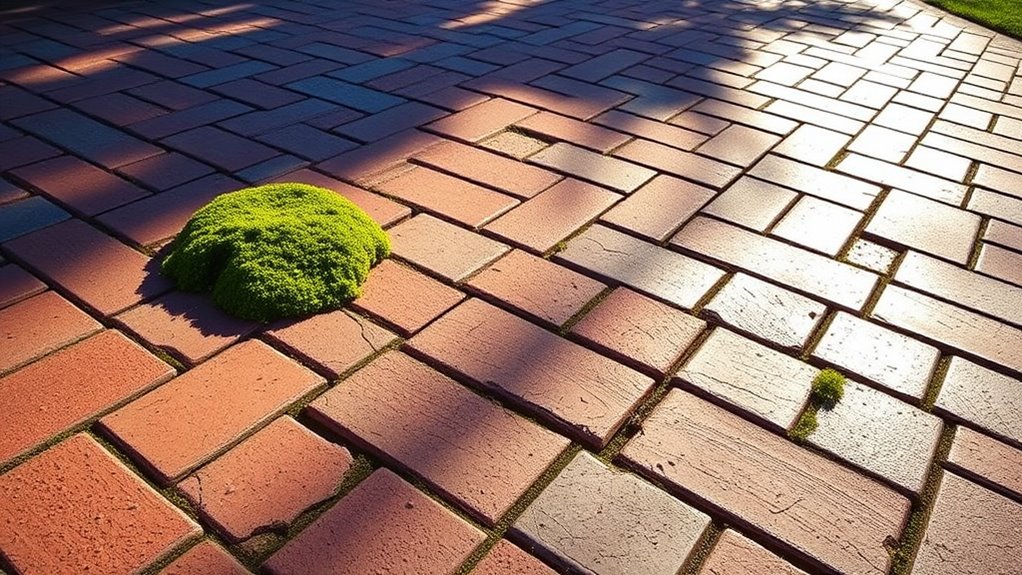
As UV rays penetrate the surface of block paving, they initiate a series of detrimental effects that can greatly compromise the integrity of your driveway.
The UV effects lead to sunlight degradation, manifesting in several ways:
- Material Degradation: Continuous UV exposure breaks down the binders in asphalt, making it brittle and prone to cracking.
- Cracking and Breakup: Degraded particles result in visible cracking and structural deterioration.
- Color Discoloration: Asphalt surfaces fade over time, losing their original sheen and appeal.
These factors contribute to an accelerated aging process, reducing your driveway's lifespan and increasing maintenance costs. Additionally, choosing the right driveway surface materials can play a significant role in mitigating these effects.
Accelerated aging reduces your driveway's lifespan and leads to increased maintenance costs.
To maintain your driveway's integrity, consider preventive measures against UV damage, ensuring long-lasting performance and appearance.
Seasonal Considerations for Paving Installation
Selecting the appropriate season for paving installation is vital, as each season presents unique challenges and advantages that can greatly influence the project's success.
Spring's moderate temperatures allow for effective site evaluation, but rainfall can cause delays.
Summer, with its warm and dry conditions, enhances productivity and accelerates curing, making it the ideal time for installation.
Conversely, fall offers stable weather and favorable temperature ranges, perfect for pre-winter paving. However, decreasing daylight hours may limit project scheduling.
Winter poses significant challenges due to cold temperatures and potential snow, making it less suitable for installation. Additionally, understanding the importance of drainage installation is crucial to ensure that water does not compromise the integrity of the newly paved surface.
Understanding these seasonal timing considerations is essential for effective project scheduling and ensuring a successful paving outcome.
Climate Adaptation and Material Selection for Driveways
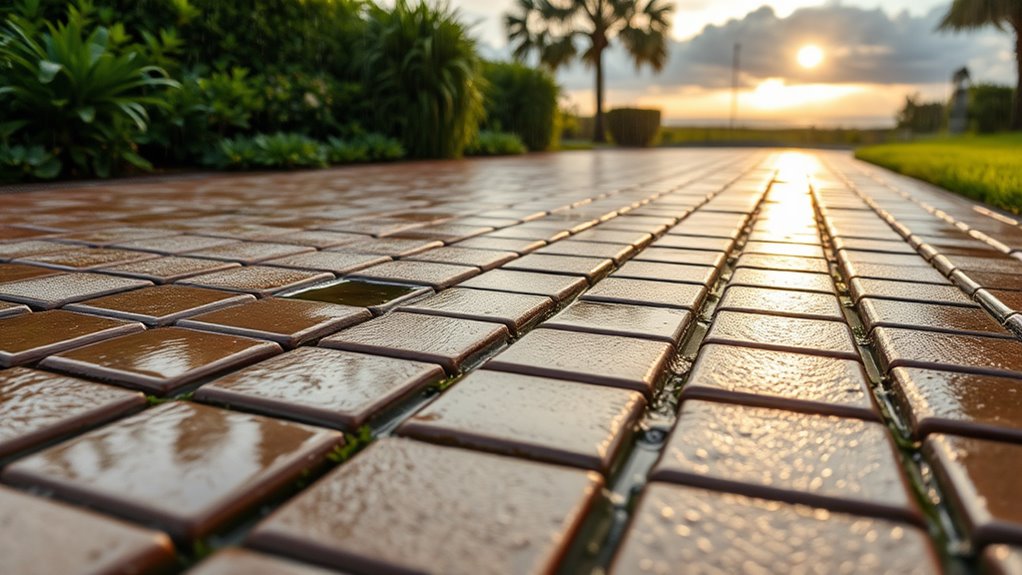
When planning a driveway installation, understanding climate adaptation and material selection can greatly impact the longevity and performance of your pavement.
To guarantee durability, consider the following climate resilience strategies:
- Material Selection: Choose polymer-modified asphalt for elasticity and resistance to cracking, especially in freeze-thaw zones.
- Sustainable Options: Utilize permeable paving made from recycled materials to enhance water management and reduce runoff.
- Cool Pavement Coatings: Implement reflective coatings to mitigate the urban heat island effect and extend pavement lifespan. Additionally, incorporating eco-friendly materials can further enhance sustainability and promote natural water absorption.
Frequently Asked Questions
How Often Should I Seal My Block Paving Driveway?
You should seal your block paving driveway every 2 to 5 years, depending on usage and sealant type. Regular sealing maintains appearance and durability, enhancing sealing benefits like protection against stains and wear over time.
What Are the Best Materials for High-Temperature Climates?
For high-temperature climates, you'll want heat resistant materials like porcelain pavers for durability and UV protection. These materials minimize thermal expansion, reduce fading, and guarantee your surfaces remain cool and aesthetically pleasing over time.
Can I Install Block Paving During Winter Months?
You can install block paving during winter months, but be aware of installation challenges like frost damage. Guarantee proper precautions, such as insulated protection and monitoring curing conditions, to achieve a durable and secure finish.
How Can I Prevent Weeds in My Block Paving?
To prevent weeds in your block paving, implement effective weed control strategies like sealing joints, using polymeric sand, and maintaining regular cleaning. These paving solutions greatly reduce weed proliferation, ensuring your driveway remains tidy and functional.
What Maintenance Is Needed After Heavy Rainfall?
After heavy rainfall, you should implement effective drainage solutions and conduct thorough surface cleaning. Regular inspections for erosion and debris removal will enhance stability, ensuring your block paving remains aesthetically pleasing and structurally sound over time.
Conclusion
In summary, understanding how weather conditions affect your block paving driveway is essential for its longevity. For instance, studies show that driveways exposed to high humidity can experience a 30% increase in algae growth, leading to safety hazards and aesthetic deterioration. By implementing proper drainage solutions and regular maintenance, you can greatly mitigate these impacts. Choosing the right materials based on your climate can also enhance durability, ensuring your driveway remains functional and visually appealing for years to come.

The Dilemma of Homeowners One of the most common and frustrating issues that homeowners face is driveway cracks. These cracks Read more

We all have an idea of how we want our driveways to look; whether it's the feel of a smooth Read more
We all know that the driveway is one of the most important features of any home. It sets the tone Read more