
The Pros And Cons Of Block Paving Driveways: What You Need To Know?
Are you tired of your old, cracked concrete driveway? Are you looking for a durable and aesthetically pleasing alternative? Look no further than block paving driveways! These driveways are made up of individual blocks that interlock to create a sturdy surface that can withstand heavy use and extreme weather conditions.
But before you make the decision to invest in a block paving driveway, it’s important to weigh the pros and cons. While block paving offers many benefits, such as customisation options and long-term durability, there are also some downsides to consider, such as cost and maintenance requirements.
By understanding the advantages and drawbacks of block paving driveways, you can make an informed decision that meets your needs and budget while providing a safe and secure entrance to your home.
Key Takeaways
- Block paving driveways are a durable and aesthetically pleasing option that can withstand heavy use and extreme weather conditions.
- However, they are more expensive than other types of driveways, and the installation process can be more complex and time-consuming.
- Regular maintenance, including proper cleaning methods, seasonal care, and sealing benefits, is essential to increase their lifespan.
- The choice between block paving and other materials depends on individual preferences and practicality factors.

Durability and Longevity of Block Paving Driveways
You’re probably wondering how long your block paving driveway will really last, right? Well, the good news is that block paving is a highly durable and long-lasting option for your driveway.
The installation process involves laying individual blocks tightly together, creating a solid surface that can withstand heavy vehicles and foot traffic. Additionally, block paving is weather-resistant, meaning it can endure harsh weather conditions like rain, snow, and extreme temperatures without cracking or shifting.
Another advantage of block paving is its minimal environmental impact. The blocks are made from natural materials like clay, concrete, or stone, which are sourced sustainably. Moreover, the installation process does not require any heavy machinery, which reduces noise pollution and carbon emissions.
Overall, if you’re looking for a driveway that can stand the test of time and minimise its impact on the environment, block paving is an excellent choice.
Aesthetic Appeal and Customisation Options
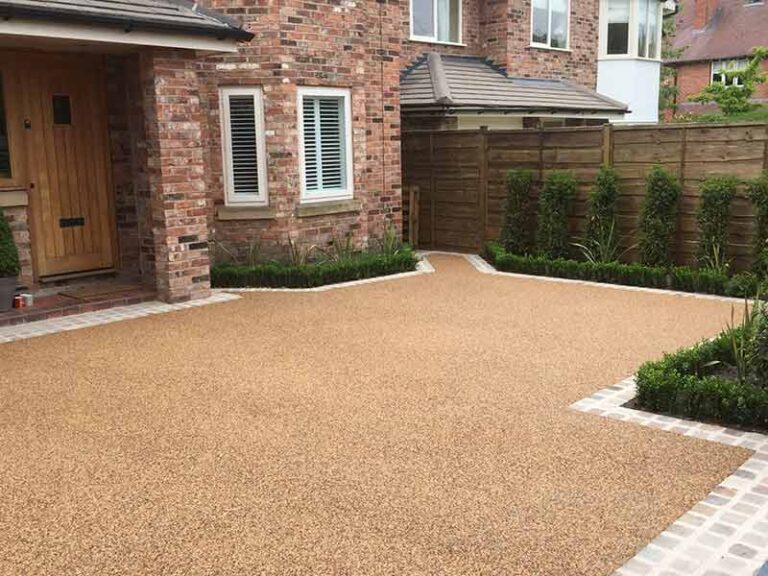
If you’re looking for a way to add some personal flair to your home’s exterior, block paving offers a range of beautiful and unique customisation options. One of the biggest advantages of block paving driveways is the ability to choose from a wide variety of color options, pattern designs, and texture variety. This allows you to create a customised look that perfectly complements the style of your home.
When it comes to colour options, block paving driveways offer an almost endless selection. From classic shades of gray and beige to bold and bright colours like red and blue, there’s sure to be a colour that suits your taste.
In addition to colour, block paving also provides a range of pattern designs, such as herringbone and basket weave, that can further enhance the aesthetic appeal of your driveway.
Lastly, the texture variety of block paving can create a unique feel underfoot that adds to the overall experience of arriving home. With so many customisation options, block paving driveways offer a great way to make a lasting impression on your guests and neighbours.
Cost Considerations
Now, let’s talk about how much this type of driveway will cost you. Block paving driveways can be more expensive than other types of driveways, but they also have a longer lifespan and require less maintenance.
The cost of a block paving driveway depends on several factors, including the size of the area, the complexity of the installation process, and the material options you choose. For example, if you choose high-quality materials like granite or sandstone, the cost will be higher than if you choose more affordable materials like concrete.
Additionally, the installation process can be more complex and time-consuming if you have a sloping driveway or need to install drainage systems. It’s important to factor in the cost of materials and installation when considering a block paving driveway, but also consider the environmental impact and long-term benefits of this type of driveway.
Maintenance Requirements
Did you know that regular maintenance of your block paving driveway can significantly increase its lifespan by up to 20 years? Proper cleaning methods, seasonal care, and sealing benefits are essential in maintaining the quality and appearance of your driveway.
Cleaning methods for block paving driveways vary depending on the type of dirt or stain. Regular cleaning with a stiff brush and water can remove dirt and debris, while oil stains can be removed using a degreaser. Pressure washing is also a commonly used method to effectively clean block paving driveways. However, caution must be taken when using this method as excessive pressure can damage the surface. Additionally, seasonal care such as removing snow and ice and avoiding the use of salt can prevent damage to the driveway. Sealing benefits include protection against oil and water damage, as well as preventing the growth of weeds and moss. Overall, proper maintenance of your block paving driveway can prolong its lifespan and keep it looking great for years to come.
Comparing Block Paving to Other Driveway Materials
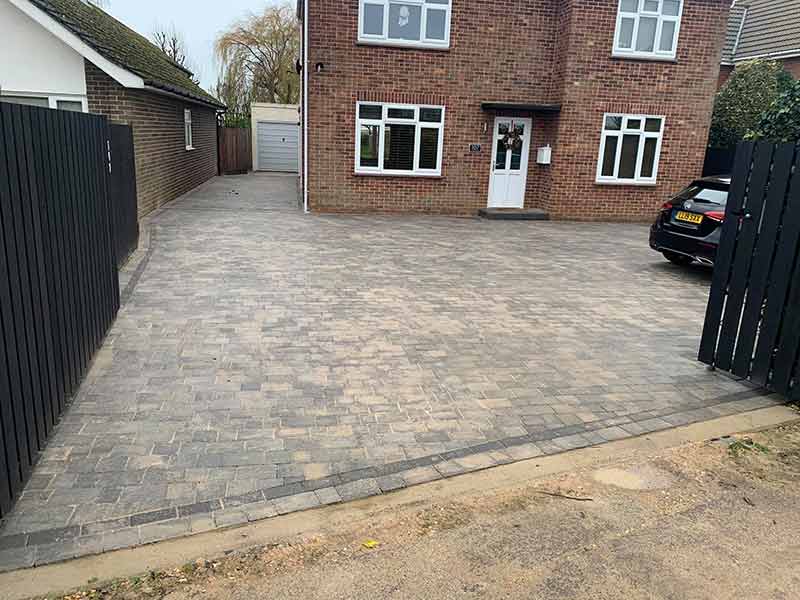
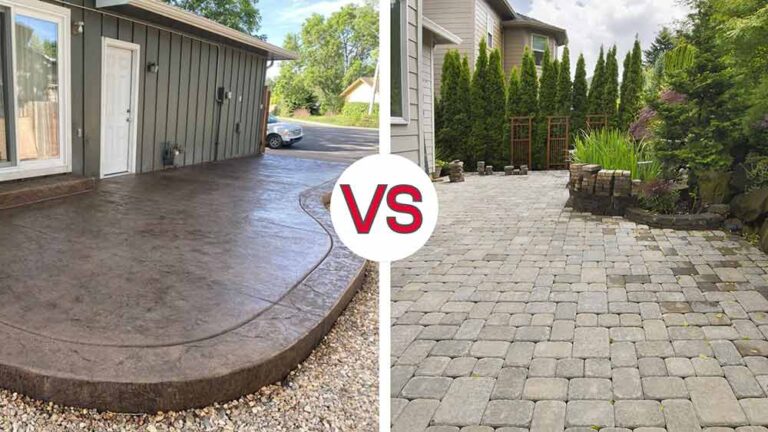
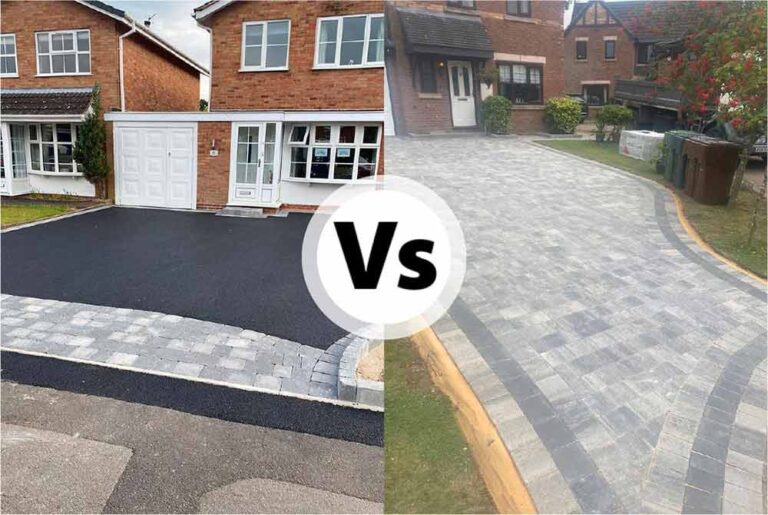
Comparing block paving to alternative materials for driveways reveals the distinct advantages and disadvantages of each option. While block paving is known for its durability and aesthetic appeal, it’s important to consider other materials such as asphalt, concrete, and gravel.
The installation process for block paving is longer and more intricate than other options, but it can provide a more visually appealing and customisable look. However, block paving may not be the most practical option for larger driveways due to the higher cost and longer installation time.
In terms of environmental impact, block paving is a better option than asphalt and concrete as it allows for better drainage and reduces the risk of water runoff. Ultimately, the choice between block paving and other materials will depend on individual preferences and practicality factors such as budget, maintenance, and expected lifespan.
Conclusion
Well, well, well. You’ve made it to the end of this article on the pros and cons of block paving driveways. Congratulations! You’re now equipped with the knowledge to make an informed decision on whether or not to invest in a block paved driveway.
Let’s recap, shall we? On the one hand, block paving driveways offer durability and longevity, as well as a wide range of bespoke options. On the other hand, they can be quite costly and require regular maintenance.
But fear not, there are other driveway materials out there that may better suit your needs and budget.
In all seriousness, choosing a driveway material is no laughing matter. It’s a decision that will affect the look and functionality of your home for years to come. So take your time, do your research, and don’t be afraid to ask for professional advice.
And remember, whether you go with block paving or another material, a well-maintained driveway is a happy driveway.
For more information you can visit our website and contact us today on 07595 510190 to receive a free quote.
When it comes to enhancing the outdoor space of your home, a paved patio or walkway can not only provide Read more

Are you considering a new driveway installation? Resin driveways have become increasingly popular for their attractiveness, durability, and low maintenance. But Read more

When it comes to choosing a new driveway, the decision can be tough. Should you go for a sleek and simple tarmac drive or Read more