Pavers Vs. Concrete: Which Adds More Value?
When it comes to enhancing the outdoor space of your home, a paved patio or walkway can not only provide functional benefits but also add aesthetic value. However, deciding between pavers and concrete can be a daunting task. While both options have their unique advantages and disadvantages, homeowners often wonder which one can potentially increase the resale value of their property.
In this article, we will compare pavers and concrete in terms of their appearance, durability, maintenance, and resale value to determine which one is a more valuable investment for homeowners.
As the old saying goes, ‘first impressions are everything,’ and the exterior of a home is no exception. A well-designed and visually appealing outdoor space can not only impress visitors but also add value to the property.
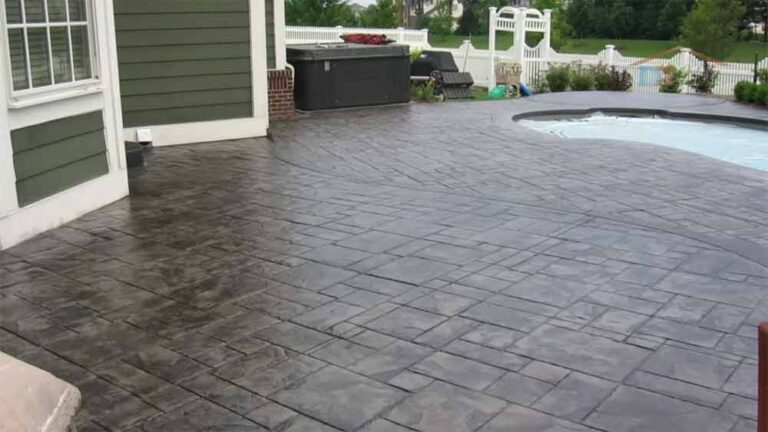
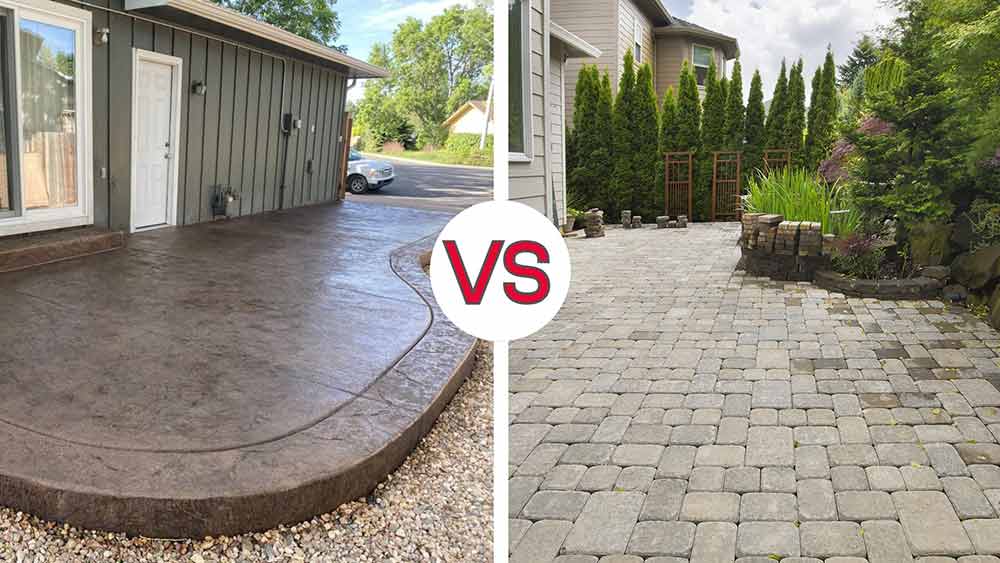
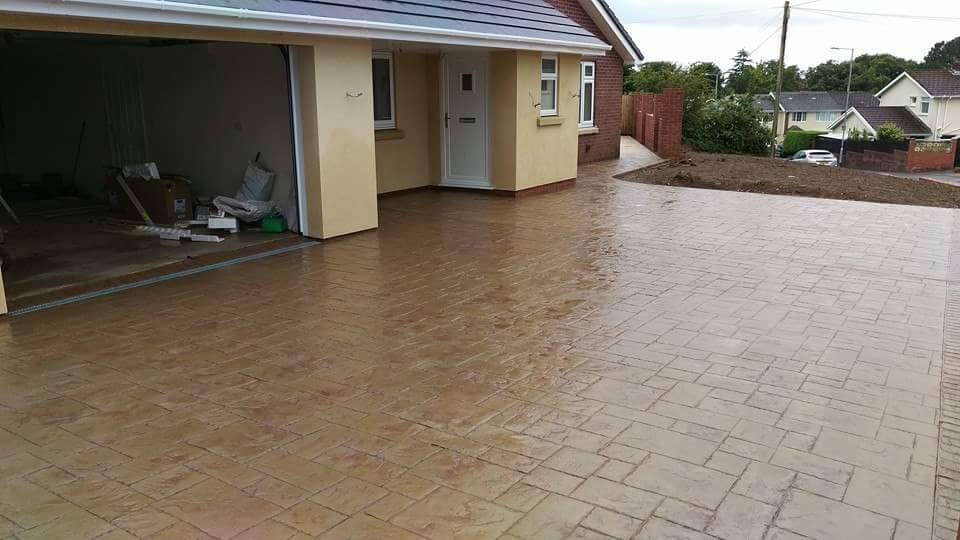
Pavers and concrete are two popular options for creating a functional yet stylish outdoor space. Pavers are available in various colors, shapes, and patterns, which can be mixed and matched to create a unique design. Concrete, on the other hand, can be stamped or stained to mimic the appearance of other materials, such as brick or stone.
In the following paragraphs, we will explore the advantages and disadvantages of pavers and concrete in terms of their appearance, durability, maintenance, and resale value.
Appearance and Design
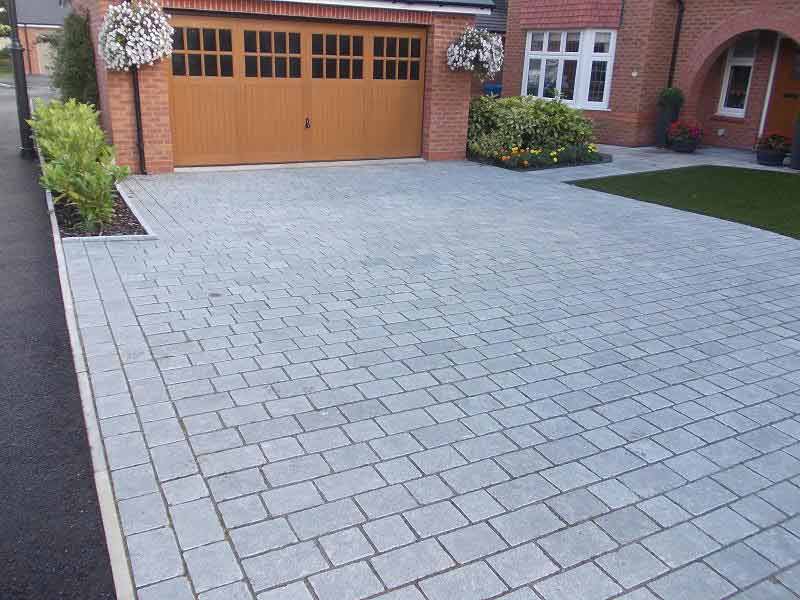
In terms of aesthetic appearance, while concrete may offer a more cost-effective option, pavers provide an almost limitless array of colours and designs. Traditional blends remain the most popular, but solid colours have become more popular in recent years. Additionally, smaller rectangular pavers that resemble handmade cobblestones in European cities are available.
These design options make pavers a more versatile and visually appealing choice for homeowners looking to add value to their homes.
While authentic pavers are more expensive than stamped concrete, the cost comparison must also take into account the maintenance and repair costs of each option.
Surface cracks in concrete can cost up to £500 to repair, while pavers are more durable and resistant to cracking and splitting.
Pavers are also easier to repair, making them a more practical and cost-effective choice in the long run. Overall, the wide range of colour options and the durability of pavers make them a better investment for homeowners looking to add value to their homes.
Durability and Maintenance
The durability and maintenance of pavers and concrete are crucial factors to consider when choosing between the two materials for outdoor spaces. While concrete is initially cheaper than pavers, it tends to crack and deteriorate over time. Pavers, on the other hand, are more durable and resistant to crack and splitting, making them a better long-term investment.
Pavers can last for 50 years or more and come with lifetime warranties, while concrete typically lasts for 20 to 30 years. Additionally, pavers are easier to repair than concrete, and damaged pavers can be replaced without affecting the rest of the patio or walkway.
While pavers may be more expensive upfront, their long-term benefits outweigh the cost comparison with concrete. Pavers require less maintenance and are more versatile in design, making them a more attractive option for homeowners. Maintenance costs for pavers are also typically lower than those for concrete, as pavers only require occasional cleaning and re-leveling.
Furthermore, a well-designed patio or walkway made of pavers can add significant value to a home and generate over 80% ROI for homeowners. Overall, while concrete may seem like a more cost-effective option at first, the durability and long-term benefits of pavers make them a better investment in the long run.
Resale Value and ROI
Maximising the resale value and ROI of a property is a critical consideration for homeowners, and selecting the right outdoor material can be a key factor in achieving this goal. When comparing pavers and concrete, both materials have the potential to add value to a property.
However, market trends suggest that homeowners are increasingly choosing pavers over concrete due to their investment potential. Pavers offer a distinct advantage in terms of aesthetic appeal, customisation options, and durability. They are available in an almost infinite array of colors and designs, which can make a property stand out in a crowded market. Moreover, since pavers are more durable and resistant to cracking and splitting than concrete, they can increase a property’s value over time.
Research has also shown that a well-designed patio can add as much as £25,000 to the overall value of a home and generate over 80% ROI for homeowners. This is particularly true for properties located in areas with warm weather or high tourism rates, where an outdoor living space is highly desirable.
Therefore, while concrete may be a more cost-effective option than pavers, it may not offer the same investment potential as pavers in terms of maximising resale value and ROI. Ultimately, the choice between pavers and concrete will depend on the homeowner’s budget, design preferences, and long-term investment goals.
Frequently Asked Questions
What are the environmental impacts of using pavers vs. concrete?
When comparing pavers and concrete, the environmental sustainability of each option should be considered. Pavers have a lower carbon footprint due to their manufacturing process, and maintenance requirements are typically less intensive than those for concrete.
How does the cost of installing pavers or concrete compare to other outdoor home improvement projects?
Outdoor home improvement projects vary in cost, but investing in a well-designed patio with pavers or concrete can provide a significant return on investment. Compared to other projects, the cost can range from £2,400 to £15,000, but the long-term benefits make it worth it.
Can pavers or concrete be used for other outdoor features like driveways or walkways?
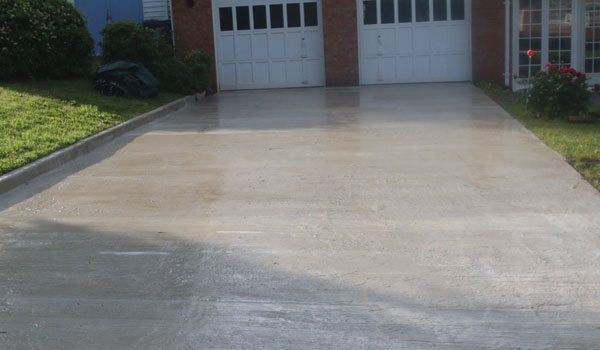
Pavers and concrete are both versatile materials that can be used for driveways and walkways. Stamped concrete offers a variety of finishes, while poured concrete is durable. Pavers provide more design options and are more resistant to cracking.
What are the benefits of using stamped concrete over traditional poured concrete?
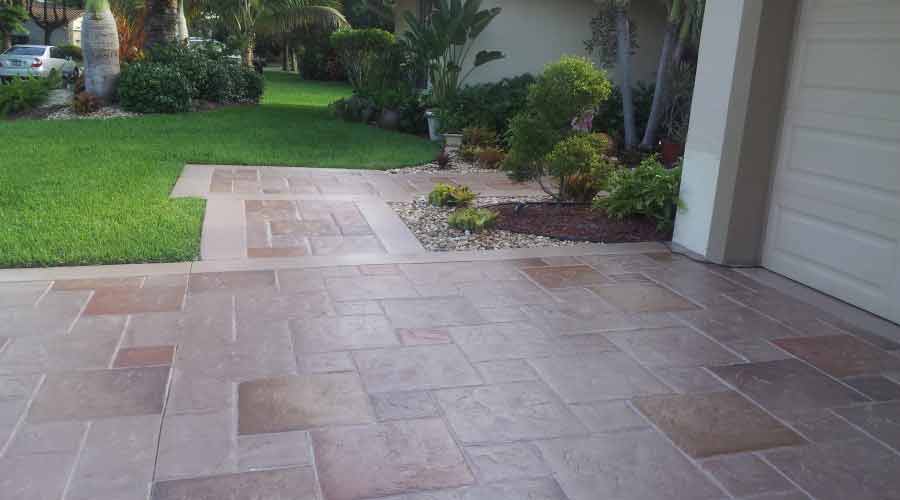
Stamped concrete offers a wide range of design ideas for outdoor spaces, including intricate patterns and textures that mimic natural materials. While stamped concrete requires regular maintenance to prevent cracking and fading, it can be a cost-effective and durable option for driveways, walkways, and patios. Some maintenance tips for stamped concrete include using a protective sealant, avoiding harsh chemicals, and cleaning regularly with a mild detergent and water.
Are there any safety concerns with using pavers, such as slipping or tripping hazards?
Slip resistance and maintenance requirements are important considerations when using pavers. The type of paver and installation method can affect slip resistance, while maintenance requirements vary depending on the material used and the climate. Professional installation and regular maintenance can minimise these safety concerns.
For more information you can visit our website and contact us today on 07595 510190 to receive a free quote.
Choosing the right material for your driveway is a crucial decision that can have a significant impact on your home's Read more
Concrete driveways are a practical and popular choice for homeowners looking to enhance the curb appeal of their property. The Read more
As you pull into your driveway, you want to feel secure knowing that the concrete beneath your tires is strong Read more