How Thick Does Concrete Need To Be For A Driveway?
As you pull into your driveway, you want to feel secure knowing that the concrete beneath your tires is strong enough to withstand the weight and frequency of your vehicle. But how thick does concrete need to be for a driveway? The answer is not a simple one. It depends on several factors that you need to consider before pouring your driveway.
Before you start your driveway project, you need to understand the weight and frequency of the vehicles that will be using it. A crucial consideration, the thickness of the concrete will depend on how often and how heavy the vehicles will be.
A family car will put less stress on the concrete than a heavy-duty truck, for example. Understanding this will help you determine the appropriate thickness for your driveway, ensuring it can support the weight of your vehicles without cracking or breaking.
So, let’s dive into the factors that influence the thickness of concrete for your driveway.
Key Takeaways
- Factors that affect concrete thickness for driveways include weight and frequency of vehicles, durability requirements, soil quality and subbase stability, compaction and proper drainage solutions, reinforcement options for strength and durability, and extreme weather conditions.
- When choosing the right thickness for a driveway, considerations include traffic patterns and wear and tear, aesthetics, resistance to cracking and damage, and longevity and cost-effectiveness.
- Subbase preparation is crucial for a strong and long-lasting driveway, including compaction to 95% maximum density, density tests for maximum density, proper drainage to prevent water pooling, and soil quality for stability and weight-bearing capacity.
- To ensure a strong and long-lasting driveway, it is important to focus on soil quality, subbase preparation, compaction, drainage, and reinforcement options.

Factors That Influence Concrete Thickness for Driveways
If you want your driveway to last, you’ll need to consider factors like the weight of your vehicles and the soil conditions when deciding on the thickness of your concrete.
The thickness of concrete required for your driveway depends on various factors and is not a one-size-fits-all solution. One of the primary factors to consider is the weight and frequency of vehicles that will use the driveway. The thickness of the concrete will be different for a driveway that is used by a small car compared to a driveway that is used by a heavy truck.
Cost implications, aesthetic preferences, and durability requirements are other crucial factors that influence the thickness of the concrete for your driveway.
A thicker concrete slab will cost more, but it will also be more durable and able to withstand the weight of heavy vehicles. Aesthetically, a thicker slab can look more substantial and more significant, but it may also look out of place on a small driveway.
Durability requirements should also be considered, as thicker concrete is more resistant to cracking and other forms of damage. With these factors in mind, it’s essential to choose the right thickness of concrete for your driveway to ensure that it lasts for years to come.
Weight and Frequency of Vehicles – A Crucial Consideration
When you drive your car or park your SUV on your newly paved surface, it’s important to consider the weight and frequency of your vehicles. Different types of vehicles have varying weights and frequencies of use, which can affect the durability and longevity of your driveway.
For instance, heavy trucks and buses will require a thicker concrete layer than a regular car or light-duty truck. Another factor to consider is traffic patterns. If you have a high volume of traffic on your driveway, it will likely experience more wear and tear, which can cause cracks and potholes.
To ensure the longevity of your driveway, it’s important to choose a thickness that can withstand the weight and frequency of your vehicles and traffic patterns. By doing so, you can ensure that your pavement durability is maximised, and you can avoid costly repairs in the future.
With this in mind, let’s move on to the subsequent section about climate and weather conditions – how they affect concrete thickness.
Climate and Weather Conditions – How They Affect Concrete Thickness
With extreme weather conditions becoming more frequent, it’s crucial to consider the impact that climate and weather can have on the durability of your paved surface. Concrete durability is affected by seasonal changes and temperature variations.
Extreme heat can cause concrete to expand and crack, while freezing temperatures can cause it to contract and crack as well. This can lead to costly repairs and maintenance in the long run. To combat these issues, it’s important to choose the right thickness of concrete for your driveway based on your climate and weather conditions.
In areas with extreme temperature fluctuations, a thicker layer of concrete may be necessary to ensure the durability and longevity of your paved surface. By taking these factors into account, you can ensure that your driveway will withstand the test of time and the elements.
When it comes to building a strong foundation, soil quality and subbase play a crucial role in ensuring the stability and durability of your driveway.
Soil Quality and Subbase – Building a Strong Foundation
Ensuring a strong and stable foundation for your paved surface starts with assessing the soil quality and preparing a solid subbase. The thickness of the concrete for your driveway will depend on the type and quality of subbase that you lay down. Compaction is an important factor in the stability of your subbase. The subbase should be compacted at least 95% of its maximum density, which can be determined by a density test. This ensures that the subbase will not shift or settle over time, which can lead to cracking and damage to the surface layer.
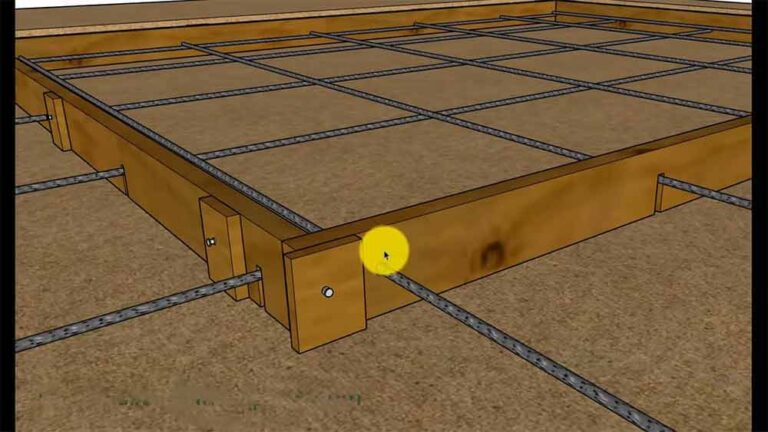
In addition to compaction, proper drainage solutions must be considered when building a solid foundation for your driveway. Proper drainage helps prevent water from pooling under the surface layer, which can also lead to cracking and damage over time. Reinforcement options, such as reinforcement bars or fibers, can also be added to the concrete to increase its strength and durability. By accounting for soil quality, subbase preparation, compaction, drainage, and reinforcement options, you can ensure a strong and long-lasting driveway. What Is The Best Size Gravel For A Driveway?
| Factor | Importance |
|---|---|
| Soil Quality | Determines the stability and weight-bearing capacity of the subbase |
| Compaction | Ensures the subbase is stable and will not shift or settle over time |
| Drainage Solutions | Prevents water from pooling under the surface layer, which can lead to cracking and damage |
| Reinforcement Options | Increases the strength and durability of the concrete such as with the addition of steel or synthetic fibers, or the use of wire mesh or rebar. |
Frequently Asked Questions
How long does it take for concrete to dry and become drivable?
The drying process varies based on weather impact, but expect at least 24 hours for the surface to be drivable. Curing time may take up to 28 days for full strength.
Can stamped concrete be used for a driveway?
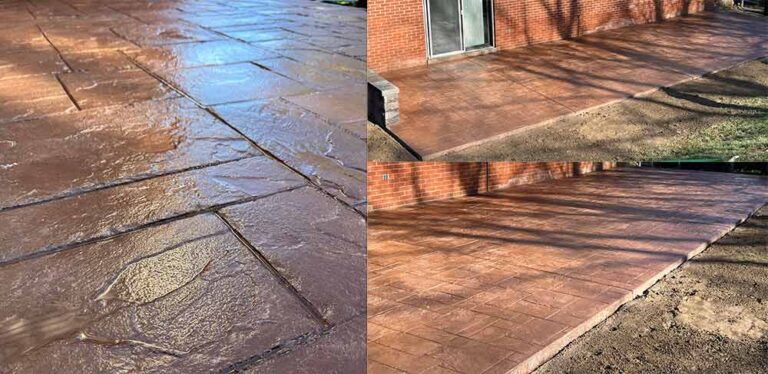
Yes, stamped concrete can be used for a driveway. It offers benefits like unique design options and durability, but requires regular maintenance. Cost comparison varies based on the design and installation complexity. Gain control and style with stamped concrete.
What is the average lifespan of a concrete driveway?
Maintaining a concrete driveway is crucial for a longer lifespan. Regularly repairing cracks and sealing options can extend its life. The average lifespan of a concrete driveway is 30 years, but with proper maintenance, it can last up to 50 years.

Is a concrete driveway better than an asphalt driveway?
When comparing concrete and asphalt driveways, consider cost, maintenance, and durability. While concrete is more expensive and requires sealing, it lasts longer and can handle heavier loads. Ultimately, the decision depends on your priorities and budget.
Do I need to apply a sealer to my concrete driveway?
To protect your concrete driveway from weathering, oil stains, and fading, you should apply a sealer. There are two types: penetrating and film-forming. Reapply every 2-3 years for best results. Gain power over driveway maintenance with proper sealing.
Conclusion
Congratulations! Now you know how thick your concrete driveway needs to be. However, it’s important to keep in mind that factors such as the weight and frequency of vehicles, climate and weather conditions, and soil quality and subbase are all crucial in determining the thickness of your driveway.
When it comes to the foundation of your driveway, it’s best not to cut corners. Investing in a strong and sturdy subbase will ensure that your driveway lasts for years to come. It’s also important to consult with a professional to make sure that your driveway meets all necessary requirements and regulations.
With these tips in mind, you’ll be well on your way to a reliable and long-lasting driveway. Remember, you get what you pay for!
For more information you can visit our website and contact us today on 07595 510190 to receive a free quote.
Choosing the right material for your driveway is a crucial decision that can have a significant impact on your home's Read more
Concrete driveways are a practical and popular choice for homeowners looking to enhance the curb appeal of their property. The Read more
When it comes to enhancing the outdoor space of your home, a paved patio or walkway can not only provide Read more