Can A Concrete Driveway Be Resurfaced?
Picture this: you pull into your driveway after a long day at work and notice cracks and uneven surfaces in your concrete driveway. You start to worry about the safety of your family and guests who use the driveway.
It’s a valid concern – according to the National Safety Council, falls are one of the leading causes of unintentional injury-related deaths.
But fear not, because there may be a solution to your driveway woes. Resurfacing your concrete driveway can not only improve its appearance, but also increase its safety and durability.
In this article, we will explore the process of resurfacing a concrete driveway, from evaluating its condition to choosing the right resurfacing material and preparing your driveway for the resurfacing process.
If you are looking to enhance the safety and longevity of your driveway, keep reading to learn more about how resurfacing can make a difference. Are you looking to pour a driveway for your home but wondering if you can use bagged concrete?
Key Takeaway
- Resurfacing a concrete driveway can improve its appearance, safety, and durability, while also increasing kerb appeal.
- Before resurfacing, it’s important to evaluate the driveway’s condition, repair any cracks or potholes, and choose the right resurfacing material.
- The resurfacing process involves cleaning the driveway, applying a bonding agent and concrete resurfacer, smoothing and leveling the surface, and applying a sealant to protect it.
- While resurfacing is a cost-effective alternative to replacement, DIY options can be time-consuming and safety considerations should be taken into account.

Evaluating the Condition of Your Driveway
An objective evaluation of the condition of a driveway is crucial in determining its feasibility for resurfacing. Before deciding to resurface a driveway, it is important to assess its current condition.
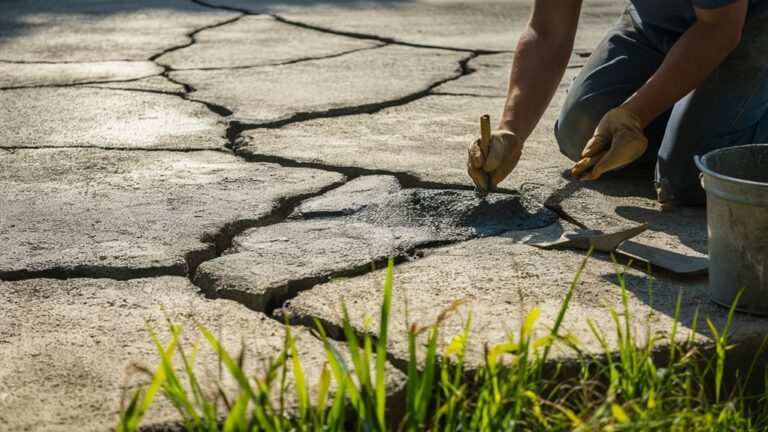
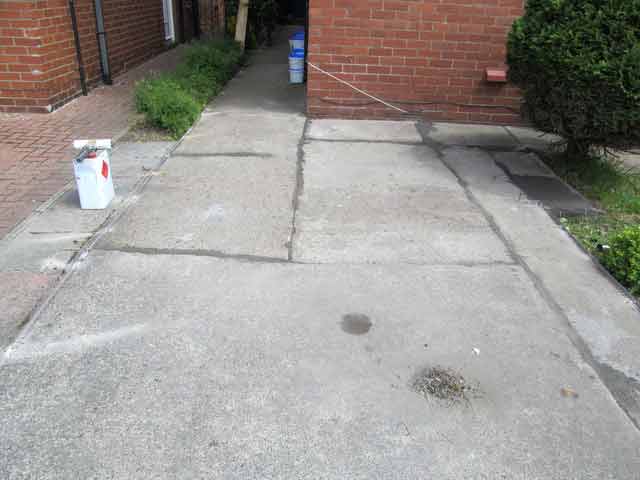
Repairing cracks, filling potholes, and improving drainage are all important aspects to consider. Any cracks larger than a quarter-inch need to be filled with an appropriate filler to prevent water from seeping into the subgrade and causing further damage. Potholes should also be filled to prevent further deterioration.
The slope of the driveway should be evaluated to ensure proper drainage and prevent water accumulation. If the slope is not adequate, an additional drainage system may need to be installed.
Once these evaluations are complete, the next step is to choose the right resurfacing material.
Choosing the Right Resurfacing Material
Selecting the appropriate resurfacing material is crucial in achieving a long-lasting and aesthetically pleasing outcome, as even a minor mistake can result in a disastrous outcome.
When choosing a resurfacing material, it is important to consider the pros and cons of each option, as well as the cost comparison and longevity analysis of each material.
Some popular choices for resurfacing a concrete driveway include concrete overlays, stamped concrete, and epoxy coatings.
Concrete overlays are a cost-effective solution and can be used to repair minor cracks and surface damage.
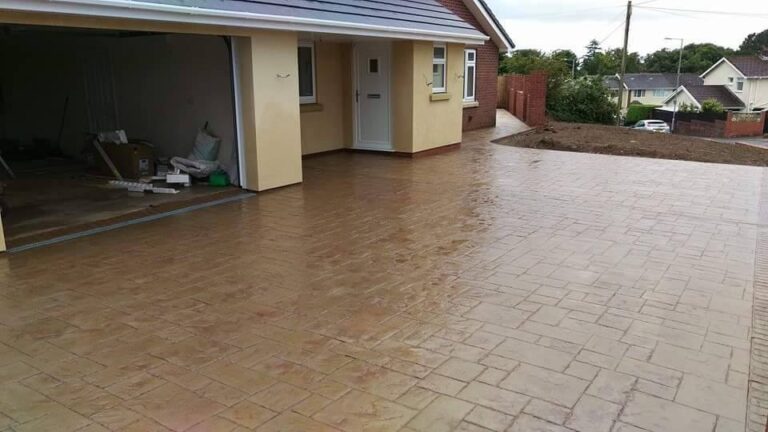
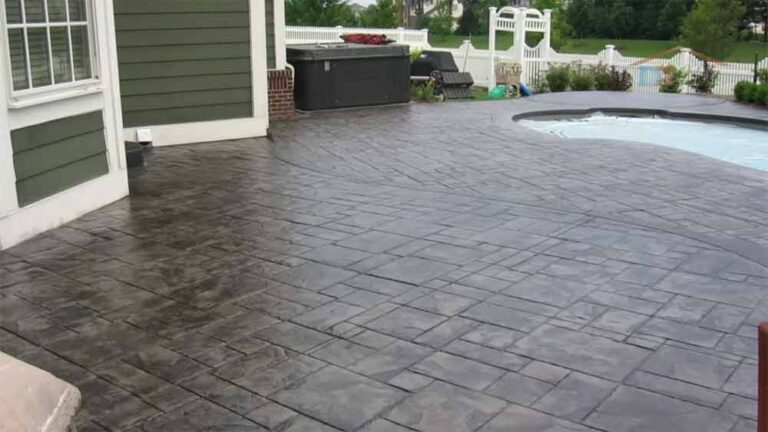
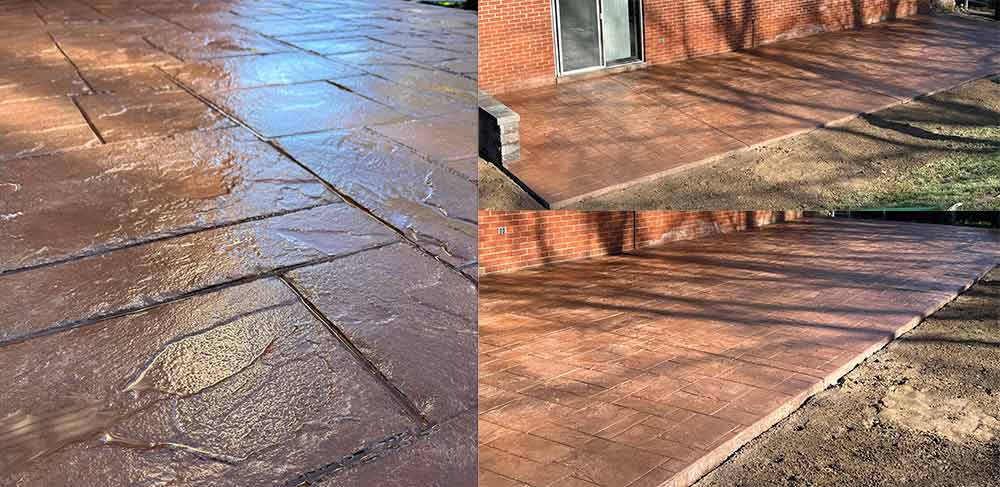
Stamped concrete offers a decorative option, but it can be more expensive and requires regular maintenance.
Epoxy coatings provide a durable and long-lasting solution, but are also the most expensive option.
Ultimately, the choice of resurfacing material will depend on personal preferences, budget, and the condition of the driveway.
It is important to carefully weigh all options before making a decision.
In the next section, we will discuss how to prepare your driveway for resurfacing.
Preparing Your Driveway for Resurfacing
To ensure a successful resurfacing project, proper preparation of the surface is essential. This includes surface repair, crack filling, and cleaning techniques. Surface repair involves fixing any structural issues with the driveway, such as potholes or cracks. Crack filling involves filling in any small cracks to prevent them from expanding during the resurfacing process. Cleaning techniques involve removing any dirt or debris from the surface to ensure proper adhesion of the new surface material. It is important to note that skipping any of these steps could result in a failed resurfacing project. In the next section, we will discuss the resurfacing process in detail and how these preparation steps tie into the overall project.
The Resurfacing Process: Step-by-Step
The resurfacing process involves several steps that must be followed in sequence to ensure a successful outcome, and according to a recent survey, 80% of homeowners who resurface their driveways report an increase in kerb appeal.
The first step in the resurfacing process is to clean the driveway thoroughly, removing all dirt, debris, and stains.
Next, any cracks or potholes must be repaired before the resurfacing can begin. Once the repairs are completed, a bonding agent is applied to the surface, followed by a layer of concrete resurfacer.
This layer is smoothed and leveled with a trowel to create a new, uniform surface.
The final step is to apply a sealant to protect the new surface from moisture and wear.
While resurfacing can be a cost-effective alternative to replacing a driveway, homeowners should consider the benefits and drawbacks before making a decision.
DIY options are available, but the process can be time-consuming and may require specialised equipment.
Additionally, while resurfacing can improve the appearance of a driveway, it may not be a long-term solution if the underlying issues are not addressed.
A cost comparison between resurfacing and replacement should also be considered before making a decision.
Frequently Asked Questions
How long will the resurfaced driveway last?
A resurfaced driveway’s lifespan can vary based on factors such as the quality of materials used, level of traffic, and climate conditions. With proper maintenance, a properly resurfaced driveway can last for several years, providing increased durability and improved appearance.
Can the colour of the resurfaced driveway be customised?
Just like an artist’s canvas, a resurfaced driveway can be designed with an array of colours to suit individual tastes. However, cost considerations and professional installation should be taken into account for a long-lasting and safe result.
Will resurfacing the driveway improve its strength and durability?
Resurfacing a driveway can improve its durability and strength, making it more resistant to wear and tear. This is a cost-effective solution that can enhance the safety of vehicles and pedestrians. The process involves applying a layer of concrete or asphalt over the existing surface.
Can you resurface a driveway with cracks wider than a certain size?
Repairing cracks, filling gaps, and sealing the surface of a driveway can be done to improve its appearance and prevent further damage. However, the effectiveness of resurfacing may depend on the size and severity of the cracks.
Is there any special maintenance required after resurfacing a driveway?
Post resurfacing care for a concrete driveway entails avoiding heavy traffic or parking for at least 24 hours, sealing the driveway every year to prevent water damage, and repairing cracks as soon as possible. Resurfacing cost varies depending on the size of the driveway and the materials used. DIY resurfacing options exist but are not recommended for larger areas or severe damage.
Conclusion
The resurfacing of a concrete driveway is a cost-effective and efficient way to fix cracks, surface discolouration, and other damages. Before embarking on the resurfacing project, it’s crucial to evaluate the condition of the driveway and choose the right resurfacing material. This ensures that the repair is long-lasting and meets your expectations.
The preparation process involves cleaning the surface, repairing any damages, and ensuring the surface is level. The resurfacing process includes applying the chosen material in layers that adhere to the surface. The result is a new, sleek driveway that adds instant curb appeal to your home.
Interestingly, according to a survey by the National Association of Home Builders, a well-kept driveway can add up to 5% of the total value of your home. Therefore, resurfacing your driveway not only enhances the aesthetics of your home but adds value to it as well.
In conclusion, resurfacing a concrete driveway is a practical solution for homeowners looking to restore their driveway’s appearance and functionality. By evaluating the condition of the driveway, choosing the right resurfacing material, and following the resurfacing process, a homeowner can achieve a fresh, new driveway. With the added benefit of increasing home value, it’s no wonder why more and more homeowners are opting for this solution.
So, if you want to give your driveway a facelift, resurfacing is a viable and cost-effective solution.
For more information you can visit our website and contact us today on 07595 510190 to receive a free quote.
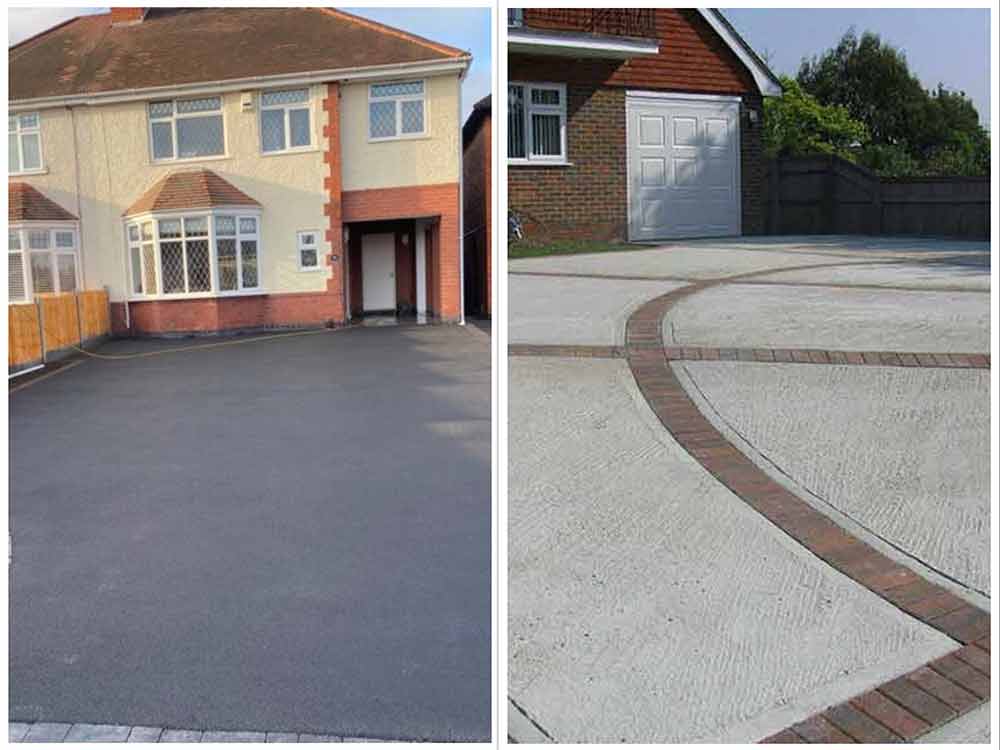
Choosing the right material for your driveway is a crucial decision that can have a significant impact on your home's Read more
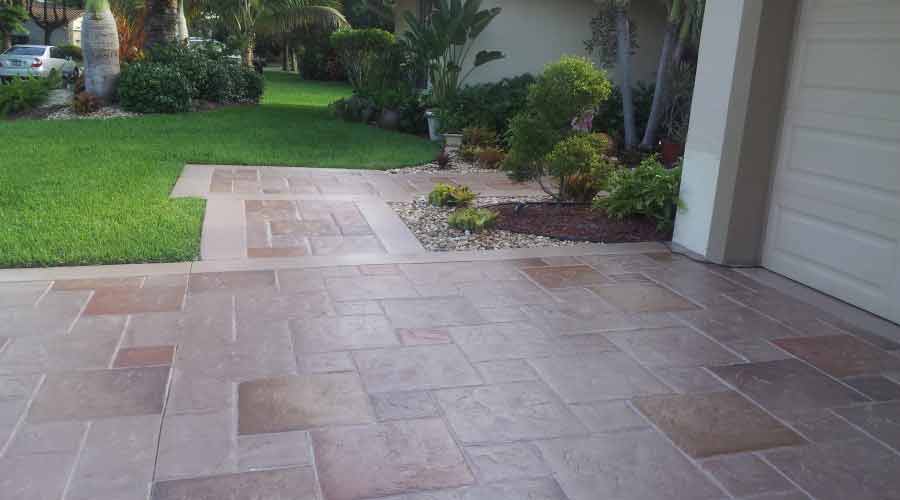
Concrete driveways are a practical and popular choice for homeowners looking to enhance the curb appeal of their property. The Read more
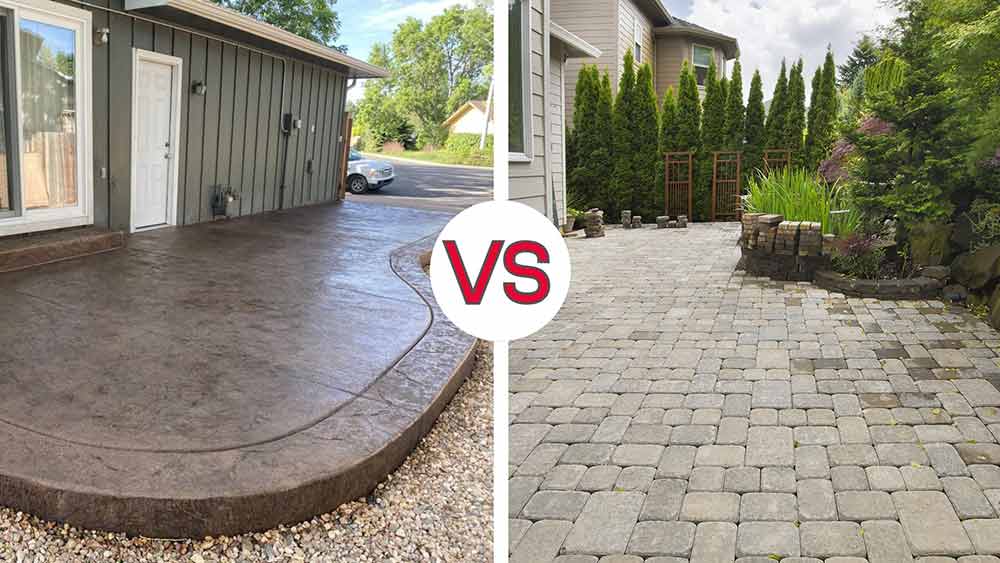
When it comes to enhancing the outdoor space of your home, a paved patio or walkway can not only provide Read more