Is DIY Resin Installation Worth the Risk?
DIY resin installation can present serious health risks, such as respiratory problems and skin irritation due to hazardous chemicals. It’s crucial to follow safety measures, including wearing gloves and masks, but accidents can still occur. The steep learning curve and the possibility of costly mistakes may negate any savings you’d gain from opting for professional installation. While the idea of personalisation is attractive, it’s important to carefully consider these risks. Take the time to explore the potential hazards and weigh the pros and cons before making your decision.
Key Takeaways
Is DIY Resin Installation Worth the Risk?
- DIY resin installation can save you money, but it’s important to consider the health risks associated with exposure to toxic chemicals.
- If you lack experience, you might make costly mistakes that can compromise the quality and durability of your project.
- Always use proper safety measures, including protective gear and good ventilation, to reduce health risks during installation.
- Be prepared to invest a significant amount of time, as there’s a steep learning curve and careful preparation and mixing are crucial.
- Before diving into a DIY resin project, weigh the benefits of personalisation against the potential for subpar results and long-term health concerns.
Understanding the Health Risks of DIY Resin
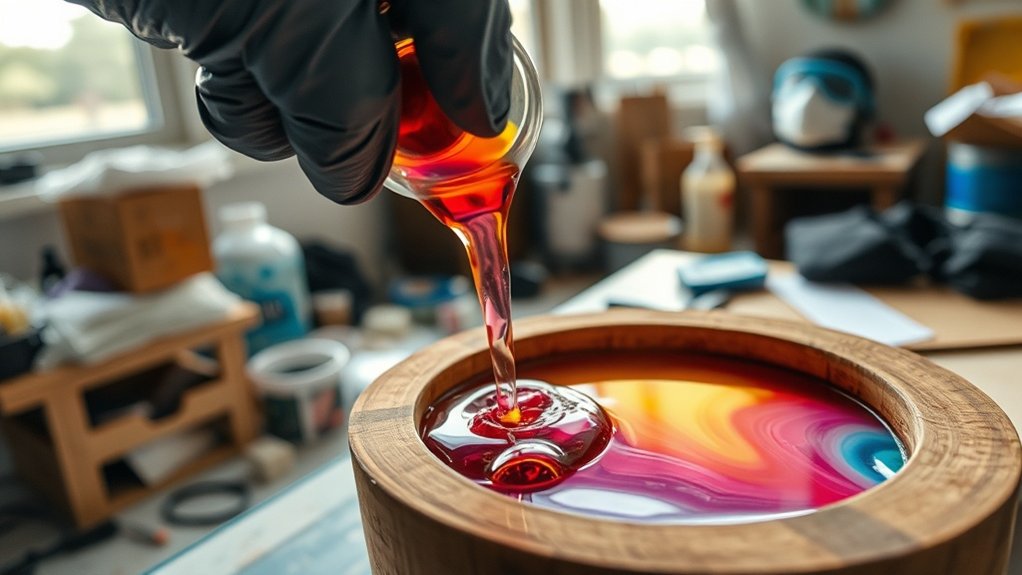
When engaging in DIY resin projects, it’s crucial to be aware of the health risks involved. Many common resin ingredients, such as bisphenol-A diglycidyl ether (BADGE) and styrene, can pose serious hazards. These substances have been linked to health issues like hormone disruption and increased cancer risks. Exposure can occur through inhaling vapours, skin contact with uncured resin, or even from sanding dust. Symptoms may include respiratory irritation, headaches, and skin problems. Repeated exposure can lead to allergic reactions or long-term respiratory issues. Additionally, many consumer-grade resins don’t carry adequate warning labels, so it’s essential to educate yourself about the risks before starting your projects. BADGE exposure has been shown to correlate with health issues such as cancer and reproductive problems, emphasizing the importance of understanding material safety data sheets (MSDS) for safe usage.
Essential Safety Practices for DIY Resin Projects
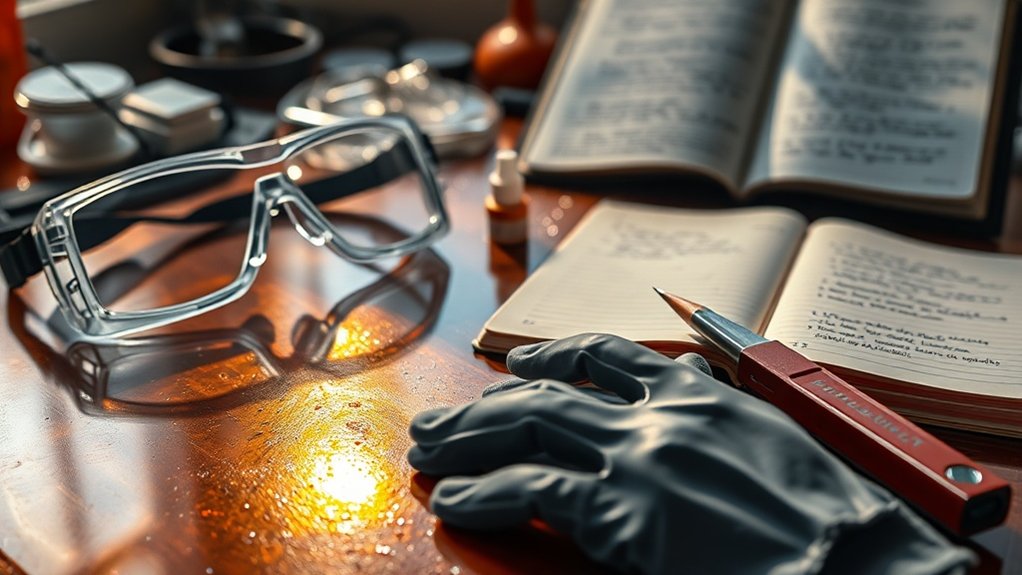
To ensure a safe and enjoyable DIY resin experience, it’s important to adopt key safety practices right from the start.
First, wear the right safety gear: disposable nitrile gloves, safety goggles, and a respirator mask with organic vapour filters are essential. Long-sleeved clothing offers extra skin protection, and tying back long hair helps prevent contamination. Additionally, understanding the safety concerns associated with resin can help you take necessary precautions before starting your project. Remember that using eco-friendly materials can contribute to a lower carbon footprint while you work.
Set up your workspace with good ventilation and cover surfaces with plastic or silicone mats to catch any spills.
Keep your tools and cleaning supplies close by to reduce unnecessary movement during your project. Always create a child- and pet-free zone to prevent accidental exposure.
Common Chemical Hazards in DIY Resin Applications

DIY resin projects can be enjoyable, but they also pose various chemical hazards that you should be aware of. One of the main concerns is volatile organic compounds (VOCs), which can cause respiratory problems and irritation. Ensuring proper ventilation is crucial to reduce the accumulation of VOCs. Additionally, uncured resin can irritate the skin and eyes, with spraying significantly increasing these risks. Here’s a brief overview of common hazards:
| Hazard Type | Effects | Safety Measures |
|---|---|---|
| VOC Exposure | Respiratory issues, headaches | Ensure good ventilation |
| Skin Irritation | Chemical burns, allergic reactions | Wear gloves and suitable protective clothing |
| Dust Exposure | Respiratory sensitisation | Use respirators and dust extraction systems |
Prioritise your respiratory safety to protect yourself during DIY resin work. Awareness of epoxy safety risks is essential to effectively manage these hazards.
Evaluating the Long-term Toxicity Concerns

Engaging in DIY resin projects can be fulfilling, but it’s crucial to be aware of the long-term toxicity concerns linked to resin exposure.
Prolonged contact with uncured resin can lead to significant health issues, such as respiratory irritation and skin sensitisation.
Here are key points to consider:
- Chronic inhalation of resin fumes can result in lasting lung damage.
- Repeated skin contact may cause allergic dermatitis, leading to rashes and irritation.
- Certain resin solvents have been associated with neurological impairments.
- Even after application, insufficiently cured resin remains a hazard.
- Always ensure proper ventilation and wear protective gear, such as gloves and masks.
- Ensuring proper mixing of resin and aggregates is essential for enhancing durability, which may help mitigate some health risks during installation.
Stay safe while you create!
Weighing the Pros and Cons of DIY Resin Installation
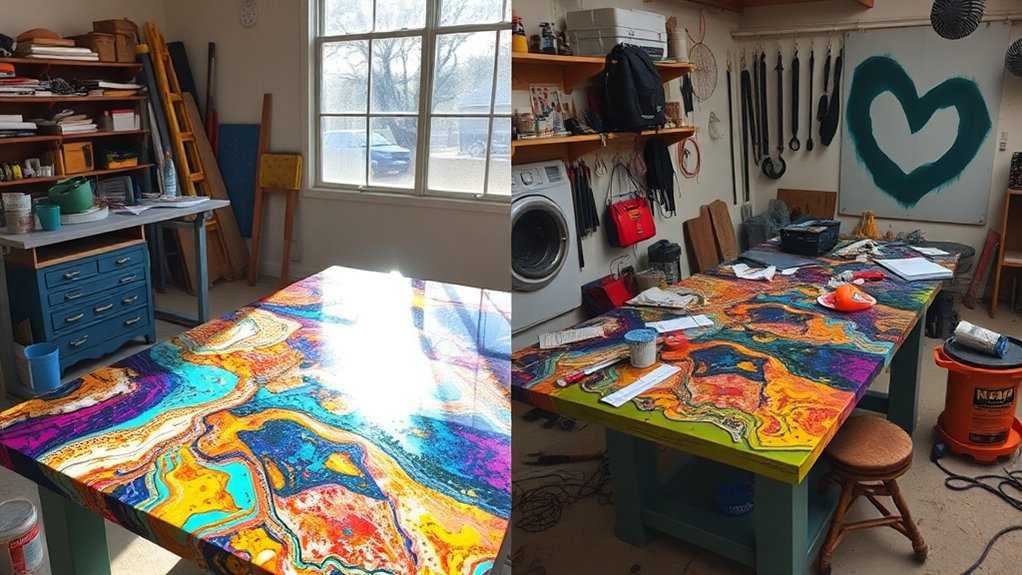
When contemplating DIY resin installation, it’s crucial to carefully evaluate the pros and cons, as your choice can significantly affect both the outcome and your budget.
One clear advantage of going DIY is the potential cost savings, as you can avoid the steep labour charges associated with professional installations. However, you need to consider the skills required; successful installation hinges on your ability to prepare the substrate properly and mix the resin accurately. Without prior experience, you could face expensive mistakes, such as uneven surfaces or cracking.
Additionally, be prepared to invest considerable time, as you’ll likely encounter a steep learning curve and have to deal with changing weather conditions.
While DIY allows for personalisation of your project, the risk of subpar quality and durability issues might counterbalance any financial benefits. Ultimately, your decision should reflect your skill level and readiness to manage these risks. Proper base preparation is essential for optimal performance and can make or break your project.
Frequently Asked Questions
Can I Use DIY Resin Outdoors Safely?
You can use DIY resin outdoors, but it won’t provide dependable durability or weather resistance. Its poor UV stability and susceptibility to moisture can cause it to degrade quickly. For better performance and longevity, it’s worth considering professional options instead.
What Are the Signs of Resin Exposure?
Signs of resin exposure include respiratory irritation, skin irritation, headaches, and stomach upset. Be alert for difficulty breathing or skin burns, as these may indicate resin toxicity. Always prioritise safety when handling resin materials.
How Should I Dispose of Leftover Resin?
When disposing of leftover resin, ensure it is fully hardened to minimise environmental impact. Seal it in containers and adhere to local regulations. Use designated drop-off points for safe disposal. Protect the environment while keeping yourself safe!
Are There Safer Alternatives to Epoxy Resin?
Yes, consider using safer materials such as bio-based resins or UV-curable options. These eco-friendly alternatives lower toxicity risks and still deliver durable results, making your projects healthier and more sustainable. Always check the specific applications before using them.
How Can I Tell if My Resin Is Cured?
You can tell your resin is cured when it feels hard, is non-sticky, and passes the fingernail test. Keep an eye on the curing time and notice any changes during the process for the best results.
Conclusion
Ultimately, whether DIY resin installation is worth the risk depends on your comfort with safety measures. Many enthusiasts find that investing in proper protective gear and understanding the materials significantly reduces health risks and enhances their creative experience. By considering the advantages and disadvantages and staying informed about chemical hazards, you can enjoy resin projects while prioritising safety. It’s a balance that can lead to rewarding results!

How to effectively repair cracks in your concrete driveway hinges on understanding the right techniques; discover the essential steps to Read more

Should you choose a stamped concrete driveway? Discover the benefits and drawbacks that could shape your home's future appeal.

The rise of resin-bound driveways is transforming outdoor aesthetics, but what hidden advantages might make them the perfect choice for Read more