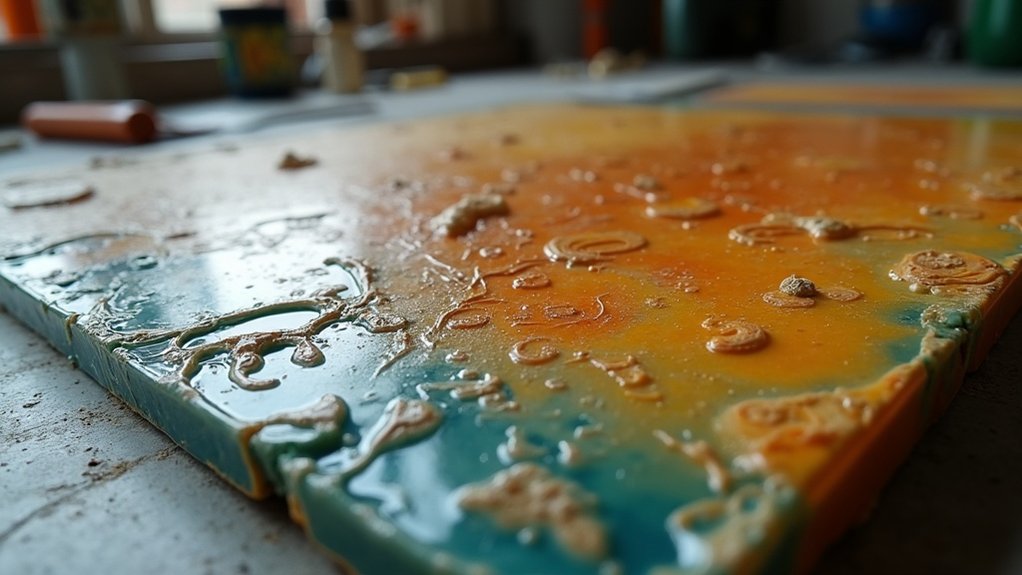
My Resin Surface Is Fading: What Next?
If your resin surface is fading, start by identifying the causes: UV exposure, temperature fluctuations, and chemical interactions can all play a role. Clean the area thoroughly, then use medium-grit sandpaper to prepare any damaged spots for better bonding. Fill in any cracks with resin and finish with a UV-resistant seal coat. To improve durability, opt for high-quality resins that include UV inhibitors, and keep the surface clean with regular sweeping. For more tips on maintaining and restoring your resin surfaces, consider the following strategies.
Key Takeaways
- Determine the cause of fading, such as UV exposure, temperature changes, or chemical damage, to decide on the repairs needed.
- Clean the faded surface thoroughly to ensure no debris affects the bonding during repairs.
- Lightly sand the damaged areas with medium-grit sandpaper to improve adhesion for repair materials.
- Fill any cracks or imperfections with gravity-fed resin injection, then polish the surface for a smooth finish.
- Apply a UV-resistant seal coat to protect against future fading and prolong the surface’s life.
Understanding the Causes of Fading in Resin Surfaces

When considering the fading of resin surfaces, it’s important to understand the key factors involved. The primary cause of colour loss is UV degradation, where ultraviolet radiation breaks down chemical bonds in the resin, destabilising the pigments. To address this, using UV stabilisers and choosing resin products with a light resistance level of VI or higher is crucial, particularly for outdoor use. Additionally, employing a weather resistant resin surface can further enhance its longevity against fading. Thermal stability is also significant; high temperatures can cause organic pigments to decompose, leading to faster fading. Inorganic pigments tend to resist heat better, making them a more suitable option for extreme environments. Additionally, heat stability is a critical factor to consider when selecting pigments, as it affects the longevity of color in various applications.
Environmental Impact on Color Retention

Understanding the environmental factors affecting colour retention in resin surfaces is crucial for preserving their appearance and lifespan. UV radiation is a major factor, leading to the breakdown of resin and colourants, especially vibrant shades like reds and blues. For outdoor use, it’s advisable to choose colourants with light resistance levels between VI and VIII. Additionally, temperature fluctuations can cause resin surfaces to become brittle and may lead to premature fading. Environmental pollutants, such as acid rain and saltwater, can also damage resin surfaces, speeding up deterioration. Furthermore, fluctuations in temperature and moisture can lead to yellowing and chalking. To mitigate these issues, select resins and additives that offer chemical resistance. Ultimately, the choice of colourants significantly impacts their durability against these environmental challenges. Investing in high-quality materials can enhance the longevity of driveways and protect against fading.
Importance of Professional Installation
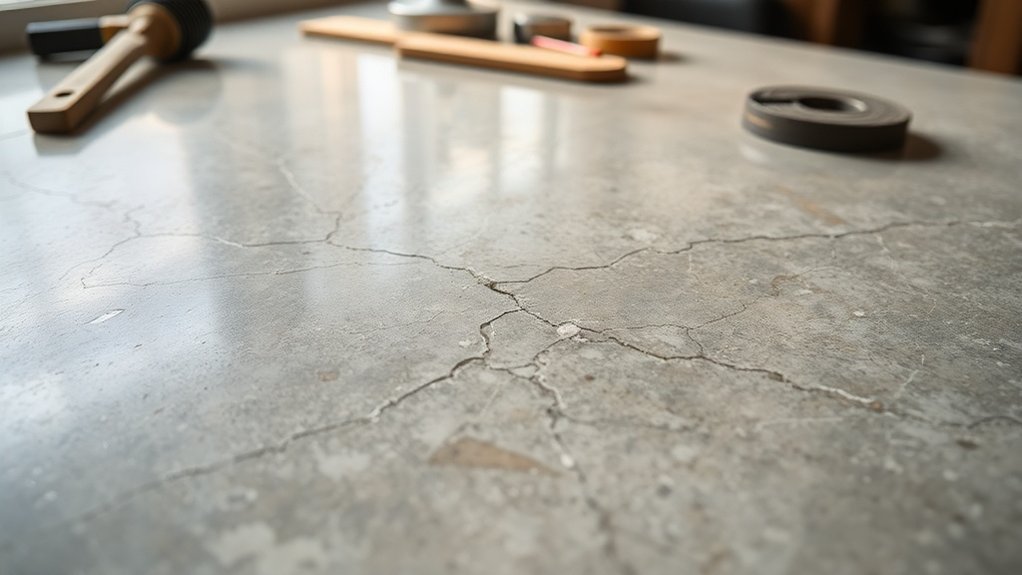
The importance of professional installation can’t be overstated when it comes to resin surfaces. Expert installers ensure proper surface preparation, such as cleaning and repairing any underlying issues, which helps prevent future problems. They also perform moisture testing to improve the bonding strength of the resin and use high-quality primers for better adhesion. By selecting the right materials for specific environments, professionals can ensure the ideal resin-to-aggregate ratio, which helps reduce fading and degradation over time. Skilled installers manage the application conditions, controlling layer thickness and using specialised tools to maintain consistency throughout the process. Additionally, choosing professional installation ensures a fully porous surface that allows for efficient water drainage, further enhancing the longevity of your resin surface. Moreover, they understand the importance of proper base preparation to prevent issues like reflective cracking. Choosing professional installation not only gives you peace of mind with manufacturer-backed warranties, reducing the risk of cracking or delamination, but it also provides you with tailored maintenance guidelines for your resin surface, ensuring its longevity and performance.
Chemical Exposure and Its Effects

Chemical exposure significantly impacts the quality and lifespan of resin surfaces, leading to problems like fading and deterioration. Substances such as solvents, acids, and common household cleaners can cause discolouration and brittleness.
Furthermore, the presence of bisphenol-A in epoxy resins introduces serious health risks, particularly when exposed to heat or reactive materials. As these chemicals seep into the resin, they weaken its structure and contribute to fading.
UV radiation can worsen these effects, especially if the resin lacks proper UV protection. Regular contact with harmful chemicals can diminish the resin’s stability, resulting in a loss of shine and overall appearance.
To maintain the look and durability of your resin surface, it’s essential to protect it from such exposures.
The Role of Traffic and Wear
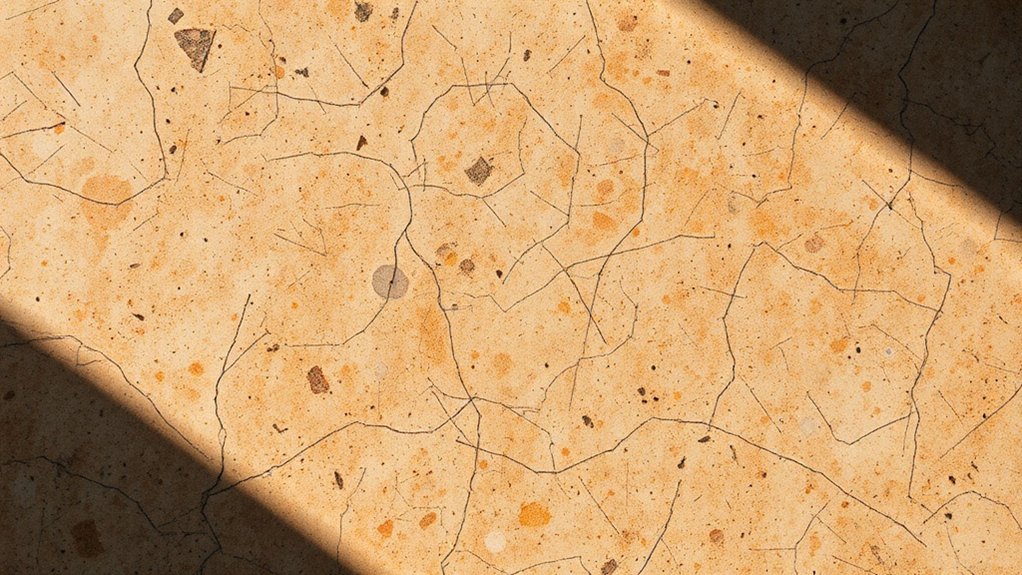
When considering resin surfaces, the effect of heavy foot and vehicle traffic is significant, as it leads to increased wear and fading.
This is particularly evident in commercial areas where the strain on the surface is greatest. To ensure your installation lasts, it’s essential to establish a maintenance schedule that caters to the specific challenges of high usage.
For instance, regular cleaning and inspections can help prolong the surface’s lifespan and maintain its appearance.
Impact of Heavy Traffic
Heavy traffic has a significant impact on resin surfaces, affecting their durability and integrity.
Larger vehicles, such as vans and lorries, can cause substantial wear, resulting in cracks, ruts, and potholes if the resin mix isn’t properly designed for heavy loads.
It’s crucial to understand traffic patterns; prolonged parking of heavy vehicles can worsen damage unless you use specific heavy-duty resins.
Fortunately, resin surfaces are flexible, which helps them withstand substantial weight and enhances their resilience.
Moreover, resin-bonded surfaces tend to be more robust against wear than resin-bound options.
Wear From Foot Traffic
Resin surfaces are designed to endure significant wear from foot traffic, making them suitable for both homes and businesses. Their strength comes from the combination of natural aggregates and high-quality polyurethane resin, which helps prevent cracking and fading, ensuring long-lasting surfaces.
| Feature | Benefit | Importance |
|---|---|---|
| Durability | Withstands abrasion | Keeps surfaces looking good |
| Flexibility | Adapts to ground movement | Reduces the risk of cracks |
| Texture | Slip-resistant | Improves safety |
| Drainage | Effective water management | Lowers the risk of wear and slipping |
These qualities enable resin surfaces to cope with high foot traffic while maintaining their shape and appearance, making them a sensible choice for busy environments.
Maintenance for High Usage
Maintaining resin surfaces under heavy use requires careful attention to the impact of foot traffic and wear.
To ensure the longevity of your resin and keep it looking good, consider these essential tips:
- Limit Heavy Loads: Avoid placing excessively heavy items or dragging sharp tools on the surface, as this can lead to chipping and indentations.
- Regular Cleaning: Make it a habit to sweep regularly to remove debris. This helps prevent drainage blockages and moss growth, which can worsen wear.
- Prompt Repairs: Check the surfaces consistently for any cracks. Use resin-specific repair kits promptly to maintain both the appearance and strength of the surface.
Addressing Debris Accumulation
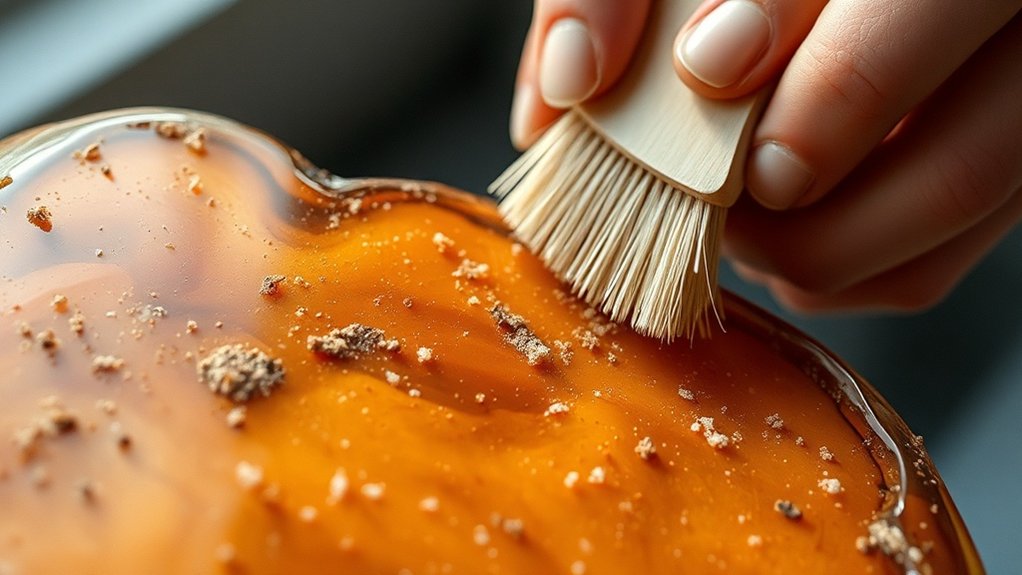
To keep your resin surface in good condition, it’s important to sweep regularly to prevent debris from piling up.
Seasonal cleaning can also improve drainage and reduce organic matter build-up.
Regular Sweeping Practices
Regular sweeping is crucial for maintaining the quality of your resin surfaces. Following effective sweeping techniques helps to reduce debris build-up and protect the surface.
Here are three essential practices:
- Broom Selection: Choose a stiff-bristled broom specifically made for outdoor use to effectively remove stubborn debris.
- Sweeping Pattern: Sweep in a gentle circular motion or follow the direction of the aggregate pattern to avoid damaging the surface.
- Frequency: Aim to sweep weekly, and increase this during autumn when leaves are falling to prevent staining and moisture retention.
Seasonal Cleaning Techniques
As the seasons change, effective cleaning techniques are vital for maintaining resin surfaces.
Start with a thorough spring clean to remove winter dirt, salt, and organic matter. Use a low-pressure washer, keeping the nozzle at a safe distance to protect the resin.
During summer, regular washes are important to prevent UV fading by removing dirt that can cause damage.
In autumn, clear away leaves and prepare the surface for winter moisture. Always rinse with clean water to prevent residue build-up.
For stubborn stains, use mild detergents and a soft-bristled brush to keep your resin surface looking clean and protected all year round.
Preventing Organic Matter
To maintain resin surfaces, it’s essential to adopt proactive measures to prevent the build-up of organic matter, which can cause deterioration over time.
Here are some effective treatment options:
- Activated Carbon Filtration: This method effectively removes larger organic compounds, minimising the risk of fouling.
- Coagulation and Clarification: Using coagulants can help to clump together and remove organic debris.
- Ultrafiltration/Nanofiltration: These advanced techniques are effective at eliminating high molecular weight organics.
Regular maintenance, such as sweeping and applying protective coatings, can further prevent organic matter from adhering.
Tackling organic fouling proactively is more cost-effective than dealing with damage later.
Effective Prevention Strategies for Fading

How can you effectively prevent fading in resin surfaces?
Start by choosing high-quality resin formulations that include UV inhibitors for better protection.
Use protective coatings like exterior-grade clear coats and UV-resistant sealants to safeguard your artwork.
When displaying your resin pieces, position them in shaded areas and avoid reflective surfaces that can increase UV exposure.
Keep your items away from extreme temperatures and maintain humidity levels below 75% to avoid moisture-related issues.
Ensure proper mixing techniques for thorough curing, and enhance durability and vibrancy by sanding with fine grits and applying a clear topcoat.
This comprehensive approach will significantly extend the life and appearance of your resin surfaces.
Maintenance Tips for Keeping Your Resin Surface Vibrant
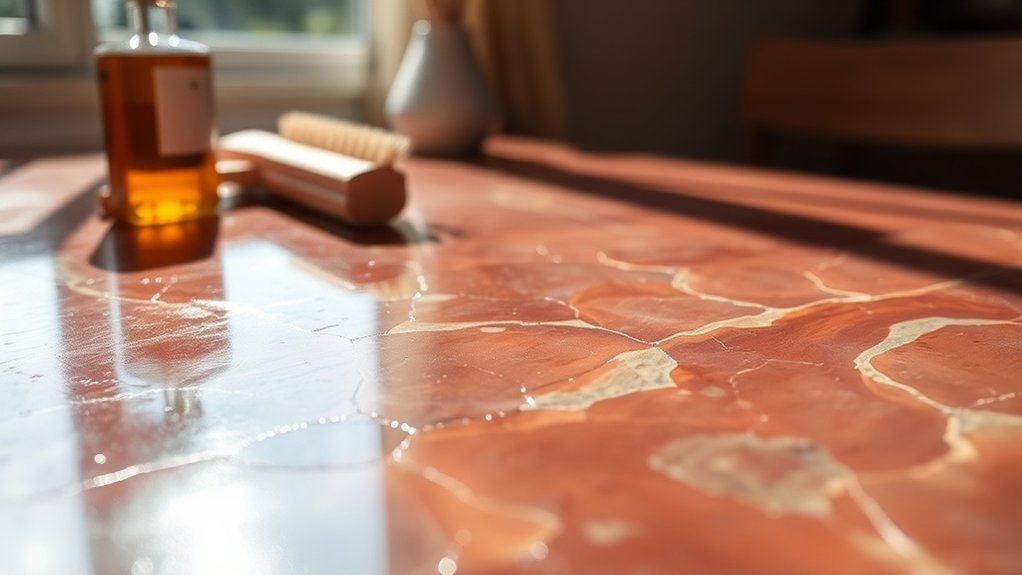
To maintain the vibrancy of your resin surface, regular upkeep is essential. Here are some straightforward tips for effective maintenance and rejuvenation:
1. Routine Cleaning: Sweep regularly and use a garden hose or a gentle pressure washer for cleaning.
For a deeper clean, apply pH-neutral detergents and rinse thoroughly to bring back the shine.
2. Stain Management: Tackle stains quickly, especially from oil or chemicals.
Use absorbent materials like cat litter for spills and treat rust stains with a mixture of lemon juice and salt.
3. Weed Control: Opt for biodegradable treatments for moss and weeds.
Regularly tidy the edges to prevent organic growth and manually pull out any weeds as needed.
Repairing Fading and Damage: A Step-by-Step Guide

To repair fading and damage on resin surfaces effectively, start by identifying the causes of discolouration and deterioration.
Once you’ve established these issues, you can apply targeted repair techniques to restore the surface.
This guide will take you through each step, ensuring a durable and visually appealing finish.
Identify Fading Causes
Understanding the causes of fading is essential for effective repair, as various factors contribute to the deterioration of resin surfaces. Identifying these causes can enhance colour stability and ensure the longevity of resin materials.
Here are three key factors to consider:
- UV Exposure: Extended exposure to sunlight can degrade pigments, resulting in gradual discolouration, particularly in bright colours like reds and blues.
- Weather Conditions: Fluctuations between wet and dry conditions, along with temperature changes, can worsen fading.
- Surface Preparation: Inadequate surface preparation, improper mixing, or insufficient sealing can lead to uneven colour distribution and heighten the risk of fading.
Execute Repair Techniques
Repairing fading and damage on resin surfaces requires a clear approach for effective results.
Begin by thoroughly cleaning the surface to remove dirt and oils, then ensure it’s completely dry. Use medium-grit sandpaper to sand the damaged area, creating a rough profile for better adhesion.
Check for any cracks; if you find them, use gravity-fed resin injection to fill these gaps, ensuring no air bubbles remain. After filling, remove any excess resin and sprinkle fine sand to restore texture.
For epoxy surfaces, sand away any discolouration, apply a thin UV-resistant seal coat, and then add a topcoat that matches the original colour.
Be mindful of the curing times for the different resin types, and finish off with polishing for a smooth finish.
Enhancing Durability: Long-Term Solutions

To enhance the durability of resin surfaces, it’s crucial to focus on material quality, surface preparation, and protective measures. Here are some straightforward strategies:
- Select high-quality resin: Choose between epoxy or polyester based on your specific needs, and consider adding additives to boost strength and resistance.
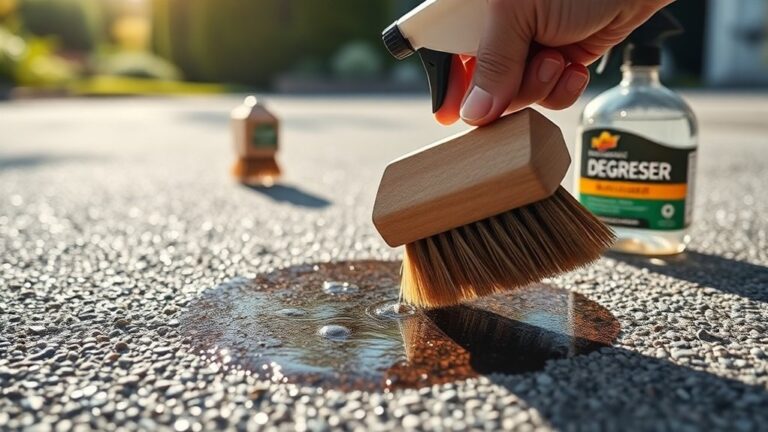
- Carefully prepare surfaces: Ensure surfaces are thoroughly cleaned, degreased, and profiled to promote optimal adhesion. Employ abrasion techniques to create a robust bond.
- Use protective coatings: Apply UV-resistant and scratch-resistant finishes to protect the resin from environmental harm.
Implementing these strategies can significantly prolong the life of your resin surfaces.
Seasonal Care for Resin Surfaces

To keep your resin surfaces looking their best all year round, seasonal care is important.
In spring and summer, give them a thorough clean to remove any winter grime and check for frost damage. Deal with any spills right away to stop them from hardening.
In autumn, sweep up leaves and clear drainage areas to prevent water build-up. Use biodegradable treatments to stop moss from growing and check for any wear and tear early on.
During winter, use plastic shovels for clearing snow and steer clear of harsh de-icing chemicals. Regularly remove debris to avoid mildew.
Throughout the year, use mild detergents for cleaning and tackle stains promptly.
Following these simple maintenance tips will help keep your resin surfaces vibrant and durable.
Frequently Asked Questions
Can I Paint Over a Faded Resin Surface?
Yes, you can paint over a faded resin surface. Start by thoroughly cleaning and sanding it to ensure proper preparation. Use a suitable primer for better adhesion and durability of the paint. For instance, if you’re refreshing an old garden bench, this process can help restore its appearance effectively.
How Often Should I Reseal My Resin Surface?
You should reseal your resin surface every 2 to 5 years, depending on conditions. Factors such as foot traffic and sunlight exposure affect how often you need to reseal. For instance, a driveway that sees heavy use may require more frequent resealing compared to a garden path. Regular maintenance is key to ensuring your resin surface remains durable and visually appealing.
What Are the Best Products for Cleaning Resin Surfaces?
For cleaning resin surfaces, use mild dish soap combined with warm water for effective maintenance. Steer clear of abrasive cleaners; gentle products like Resin Quick Clean are also very effective.
Is It Possible to Restore Faded Resin Without Professional Help?
Yes, you can restore faded resin using simple DIY methods such as sanding, cleaning, and applying new resin layers. Techniques like these, along with UV sealants, can improve the appearance and protect against future fading, all without the need for professional help.
How Does Temperature Affect Resin Surface Fading?
Temperature extremes significantly speed up resin surface fading, especially when paired with UV exposure. High temperatures can lead to degradation of the resin, while low temperatures may hinder proper curing. This results in uneven finishes and makes the resin more susceptible to environmental damage over time. For instance, leaving resin items in a hot car can cause them to fade more quickly, while chilly conditions might lead to a brittle surface.
Conclusion
To maintain the vibrancy and durability of your resin surface, it’s crucial to recognise the causes of fading and take preventative measures. For example, a homeowner in sunny Florida routinely applied UV protectant and used a pH-neutral cleaner, successfully preventing fading despite the harsh sunlight. By following proper maintenance tips and promptly addressing any wear, you can significantly extend the life of your resin surface, keeping it looking good and resilient against environmental factors.

Incorporate essential tips for maintaining your resin driveway's longevity and appearance, ensuring it remains a stunning feature of your home. Read more
How to fix discolouration in resin surfaces effectively can restore your project’s beauty, but the right techniques are crucial for Read more

Ineffective maintenance can lead to unsightly scratches on resin surfaces, but with the right techniques, you can keep them looking Read more