
How to Avoid Scratching Resin Surfaces
To prevent scratching resin surfaces, regularly sweep away dirt with a soft broom and clean using warm water and mild soap with a microfiber cloth. Check your tools for any damage and use gentle maintenance techniques. Use protective mats and coasters to reduce direct contact and shield against impacts. Additionally, choose the right type of resin, as this affects its durability and scratch resistance. For more effective maintenance tips and protective strategies, consider researching reliable practices to extend the life of your resin surfaces.
Key Takeaways
- Regularly use soft cloths or microfiber cloths for cleaning to reduce the risk of scratches on resin surfaces.
- Use protective mats and coasters to prevent direct contact and protect resin from heavy objects.
- For deeper cleaning, opt for warm water and mild soap, avoiding harsh chemicals that can dull the surface.
- Inspect your resin surfaces monthly to catch scratches early and address them promptly to prevent further damage.
- Choose suitable cleaning tools, such as non-metal brushes and plastic scrapers, to avoid scratching during maintenance.
Proper Cleaning Techniques

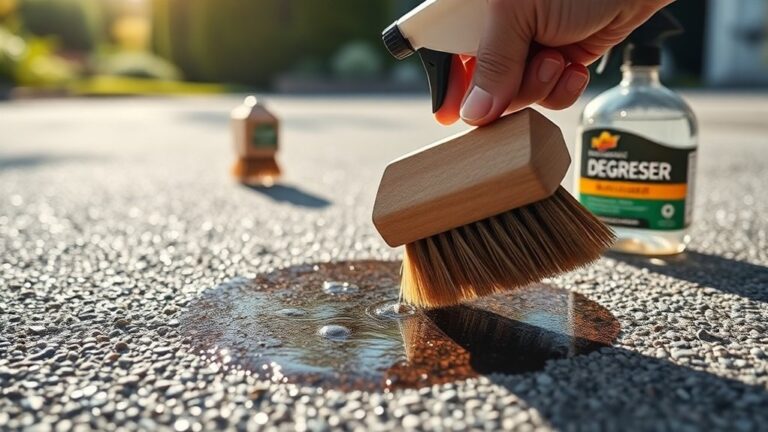
When cleaning resin surfaces, it’s important to use the right techniques to avoid damage and keep them looking good. Regularly sweep away loose dirt and debris to prevent scratches and stains. Use a soft broom, as abrasive brushes can harm the surface. For deeper cleaning, use warm water and mild soap with a microfiber cloth, and avoid harsh chemicals that can dull the resin’s shine. If you encounter stains, act quickly to stop them from setting. Spot clean with a mild detergent and a soft-bristle brush, using gentle pressure. Always rinse thoroughly to remove any residues and let the surfaces dry naturally. Following these steps will help prevent stains and extend the life of your resin surfaces, as improper cleaning can lead to resin damage. Regular maintenance, including using a stiff-bristled broom, is essential for preserving the integrity of the surface.
Safe Tools for Maintenance

When maintaining resin surfaces, choosing the right tools is crucial to avoid scratches and damage. Regularly inspecting tools for signs of wear, such as cracks or dull edges, can help ensure you are using safe options for snow clearance and maintaining the look and integrity of your resin surfaces. Additionally, proper maintenance practices are essential for prolonging the lifespan of your resin surfaces. Focus on recommended cleaning tools, safe options for snow clearance, and the use of protective mats and coasters. Each of these choices helps maintain the look and integrity of your resin surfaces.
Recommended Cleaning Tools
To keep resin surfaces in good condition, it’s important to choose the right cleaning tools. Use soft cloths or microfiber towels to wipe surfaces without causing scratches. For stubborn residues, a soft brush, like a toothbrush, can help remove debris while protecting the surface. Plastic scrapers or spatulas are ideal for carefully removing excess resin. When sweeping, opt for non-metallic stiff brooms or soft-bristled brushes to prevent abrasions. For larger areas, consider using leaf blowers or vacuum cleaners with plastic parts. Regular sweeping helps prevent debris accumulation which can compromise the resin surface’s integrity. Always soak your cleaning tools in suitable solutions, such as rubbing alcohol, before use to reduce the risk of scratching. Additionally, maintaining a permeable surface can help mitigate unwanted staining and prolong the clarity of your resin surfaces.
Safe Snow Removal Options
Effective snow removal from resin surfaces needs careful tool and technique selection to avoid damage.
To ensure safe winter maintenance, consider these snow removal methods:
- Use plough blades with rubber or polyurethane edges; avoid metal to prevent scratching the surface.
- Choose plastic snow shovels instead of metal, which can chip the resin.
- Opt for snow blowers fitted with plastic or rubber-edged components to minimise damage.
- Clear snow regularly before it builds up, reducing strain on the resin.
Protective Mats and Coasters
Protective mats and coasters are crucial for preserving the quality of resin surfaces, significantly lowering the chances of scratches and damage.
Mats made from soft materials like silicone or rubber act as a barrier against abrasive items and catch dust or debris that could harm the resin. Coasters made from cork, felt, or silicone help prevent moisture rings and heat marks that can cause discolouration or surface damage.
By reducing direct contact, both mats and coasters help maintain the shine and smoothness of resin finishes.
It’s important to clean these accessories regularly to remove dirt build-up and keep them effective.
Using these tools is a smart way to care for your resin surfaces and extend their lifespan.
Protective Accessories for Resin Surfaces
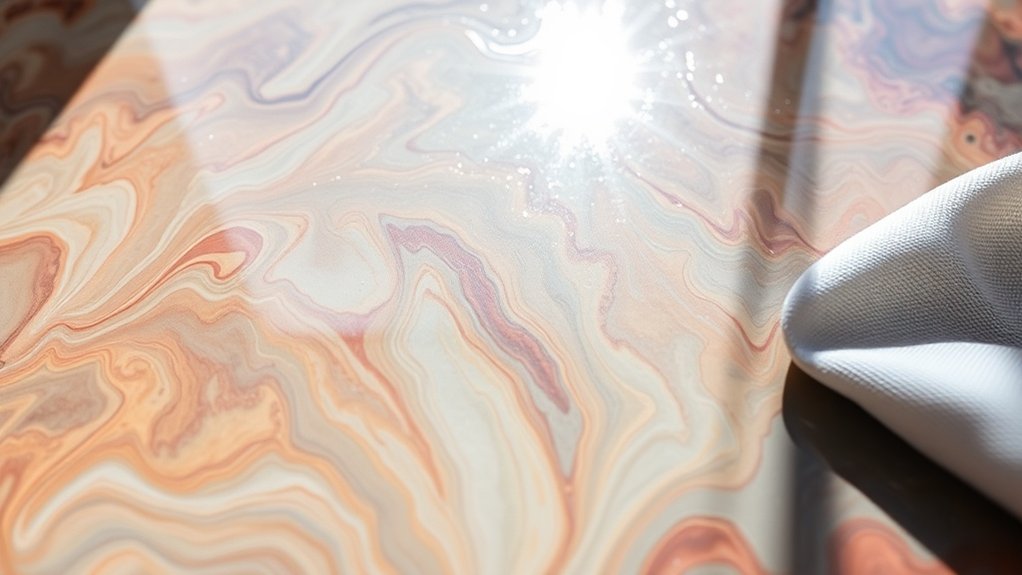
To effectively protect resin surfaces, use soft cloths and protective mats.
Soft cloths help prevent scratches during cleaning or handling, keeping your resin in top condition.
Protective mats provide cushioning against impacts and act as a barrier against spills, helping to maintain a tidy workspace.
Soft Cloth Usage
When caring for resin surfaces, using the right soft cloth is essential to minimise the risk of scratches and maintain the surface’s integrity.
Here are some straightforward guidelines:
- Opt for microfiber or soft cotton cloths to avoid scratching; steer clear of paper towels and rough materials.
- Wipe gently with a damp cloth and mild soap, applying minimal pressure to protect the resin finish.
- Check cloths regularly for debris or dirt before use to ensure they’re clean.
- Dry thoroughly with a clean, dry soft cloth after cleaning to prevent water spots that can look like scratches.
Protective Mats Benefits
To maintain the integrity of resin surfaces, it’s important to use the right cleaning materials alongside protective accessories like mats.
Protective mats offer several key benefits, including durability and slip resistance. They help prevent direct abrasion from heavy objects and distribute weight evenly, which reduces pressure points that can cause scratches. High-density polyethylene mats reduce friction, protecting surfaces from damage. Their textured surfaces enhance grip, keeping equipment stable and preventing accidental scuffs.
These mats can be customised for different resin applications, providing protection against environmental factors and wear. They’re also easy to clean and reusable, leading to cost savings over time while extending the lifespan of your resin surfaces and preserving their appearance.
Investing in protective mats is essential for ensuring long-term surface integrity.
Best Practices for Handling Resin Items
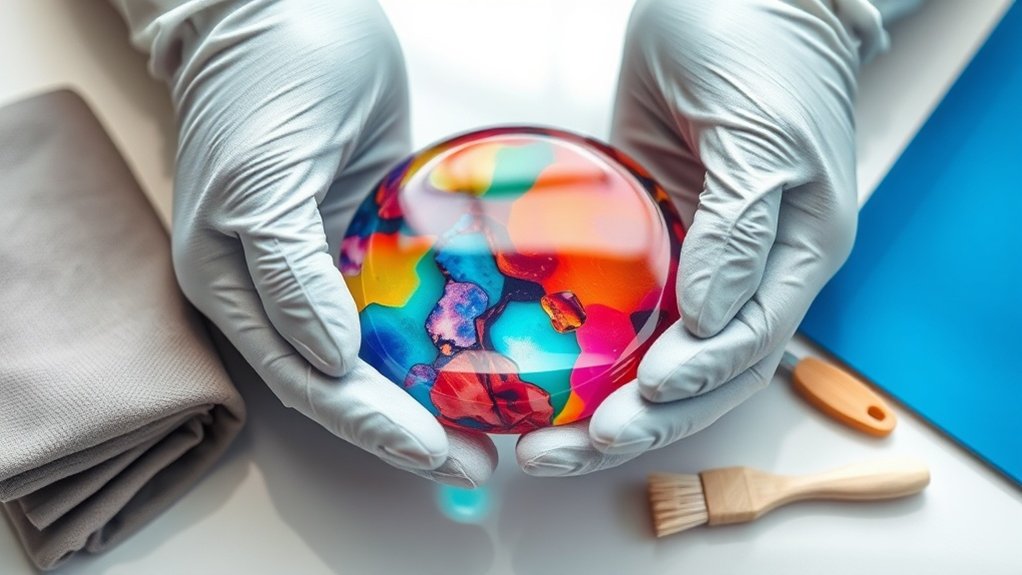
Effective handling of resin items requires a careful approach to minimise the risk of damage. To ensure the durability of your resin pieces, follow these precautions:
- Prepare Your Workspace: Ensure your area is clean and well-ventilated, with stable temperature and humidity levels to avoid surface imperfections.
- Use Proper Techniques: Instead of dragging heavy objects, use load-bearing planks to distribute weight evenly. This prevents sharp pressure points that could cause damage.
- Handle with Care: Lift items gently to avoid drops or knocks that might chip or scratch the surface.
- Wear Protective Gear: Use smooth, clean gloves to minimise contamination and prevent accidental abrasion during handling.
Repairing Minor Scratches
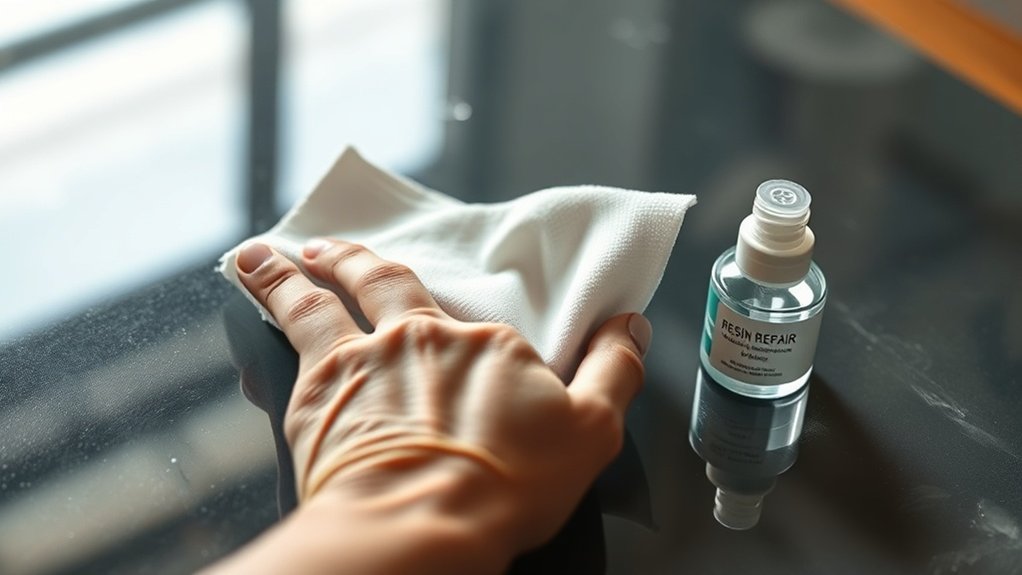
When you spot minor scratches on your resin surfaces, it’s best to act quickly to prevent further damage and maintain the item’s appearance. Start by cleaning the area with mild soap and water, then dry it using a microfiber cloth. For light scratches, employ wet sanding, beginning with 1000–1500 grit sandpaper. Gradually move to finer grits like 2000 and 3000 to smooth the surface. After sanding, polish with a soft cloth or buffing pad and a specialised compound to restore the shine. Here’s a quick guide to the process:
| Step | Action | Purpose |
|---|---|---|
| Clean | Soap and water | Remove debris |
| Sand | Wet sanding | Smooth out scratches |
| Polish | Use polishing compound | Restore shine |
Choosing the Right Resin Type
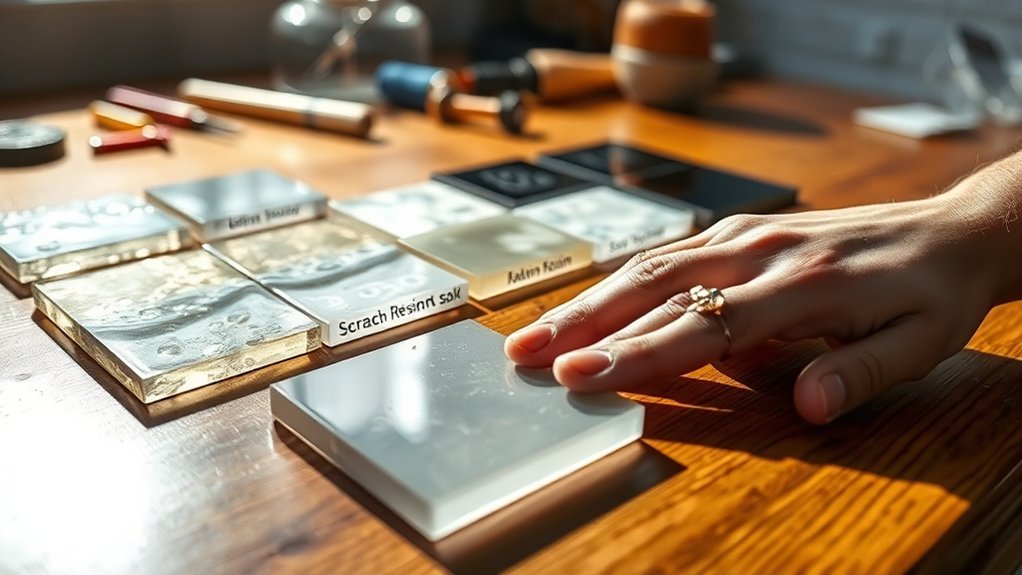
Choosing the right type of resin is crucial for achieving the level of scratch resistance and durability you need for your project.
Different resins have varying degrees of durability, which can significantly affect the final quality of your surface. Here’s a straightforward comparison of the main types:
- Epoxy Resin: Known for its high hardness and excellent scratch resistance, making it ideal for surfaces that need to withstand wear and tear.
- Polyurethane Resin: Offers a degree of flexibility and impact resistance, though scratch resistance varies depending on its hardness.
- Polyester Resin: Generally less scratch resistant and more brittle; it’s often chosen for applications where rigidity is essential.
- UV Resin: Cures quickly but has limitations in thickness, which can affect scratch resistance; best suited for smaller crafts.
Selecting the appropriate resin will ensure your project stands up to daily use while maintaining its appearance.
Environmental Considerations

Choosing the right type of resin is crucial for a successful project, but it’s also essential to consider the environmental impact of your materials and processes.
Selecting sustainable resins can significantly lower VOC emissions, which are detrimental to both indoor air quality and the environment. High VOC levels can pose health risks, particularly in poorly ventilated areas, so opting for eco-friendly alternatives ensures a safer workspace.
Good ventilation during application is key to reducing exposure to these compounds.
Additionally, it’s important to follow proper waste disposal practices: allow any unused resin to cure before disposal and treat contaminated materials as hazardous waste.
Regular Maintenance and Inspections

Regular maintenance and inspections of resin surfaces are vital for extending their lifespan and maintaining their appearance. A proactive maintenance routine can significantly minimise the risk of scratches.
Here are some key steps to consider:
- Carry out monthly visual inspections to identify any scratches or chips early on.
- Arrange for annual professional cleaning to tackle hidden wear and tear.
- Keep a record of the resin’s condition with photos or notes for future reference.
- Clean thoroughly at least every few months to avoid dirt buildup.
Frequently Asked Questions
Can I Use Vinegar or Bleach to Clean Resin Surfaces?
Avoid using vinegar or bleach on resin surfaces. Vinegar can gradually weaken them, and bleach can cause discolouration and degradation, along with safety concerns. Instead, stick to mild soap or specialised cleaners for effective maintenance.
How Often Should I Reapply Protective Coatings on Resin?
You should reapply protective coatings on resin every 3 to 5 years for residential surfaces, and every 1 to 3 years for commercial ones. This timing can vary based on how often the resin is maintained and the types of protective coatings used. For instance, if you have a resin patio at home, a 5-year interval might suffice, but in a busy café, you may need to reapply every year.
Are There Specific Pets That Are Safer Around Resin Surfaces?
Yes, smaller pets and those with softer paw pads tend to behave more safely around resin surfaces. For example, breeds like Cavalier King Charles Spaniels or Dachshunds are less likely to cause damage compared to larger, more active dogs that might scratch the surface.
What Is the Best Way to Store Resin Items Long-Term?
Storing resin items long-term is akin to protecting delicate glass. Use light-proof, airtight containers and keep them in a cool, dry place to ensure the quality of your resin items is preserved and to prevent any degradation or contamination over time.
Can Sunlight Affect the Longevity of Resin Surfaces?
Yes, sunlight can significantly impact the longevity of resin surfaces. Prolonged exposure to UV rays can result in discolouration, brittleness, and structural damage. It’s important to use UV-stable resins and minimise direct sunlight to improve durability and extend the lifespan of your resin items. For instance, if you’re using resin for outdoor furniture, consider placing it in shaded areas or using protective covers when not in use.
Conclusion
To keep your resin surfaces looking their best, treat them like a treasured item that needs care. Use the right cleaning methods and safe tools, and check for any signs of wear regularly to minimise the risk of scratches. Simple steps, like using a soft cloth or sponge and avoiding abrasive cleaners, can make a significant difference. Show your resin items the respect they deserve, and they’ll stay vibrant and beautiful for years to come.

Incorporate essential tips for maintaining your resin driveway's longevity and appearance, ensuring it remains a stunning feature of your home. Read more
How to fix discolouration in resin surfaces effectively can restore your project’s beauty, but the right techniques are crucial for Read more
Follow these essential steps to flawlessly patch small holes in resin, and discover tips for achieving a seamless finish that Read more