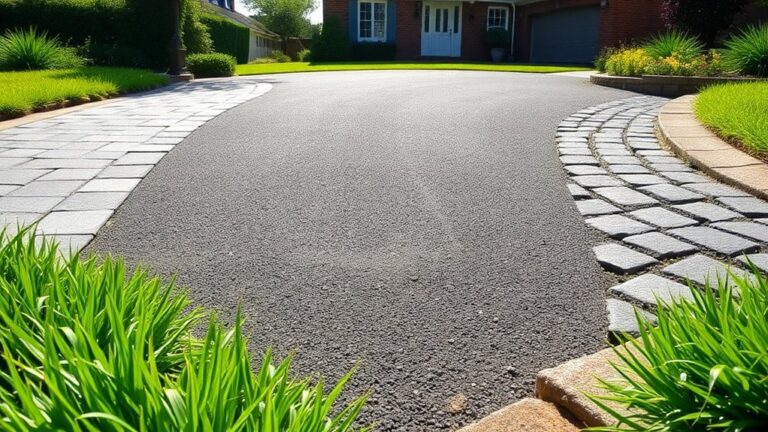

What’s the Lifespan of Resin Bound Surfaces in Nottinghamshire?
In Nottinghamshire, resin bound surfaces generally last between 15 to 25 years with proper maintenance. If you use high-quality materials and have a skilled installation, this lifespan can extend to over 30 years. Factors like the quality of the resin, installation methods, and local environmental conditions all play a role in durability. Regular maintenance, such as cleaning and resealing, is vital for ensuring longevity. By paying attention to these factors, you can maximise the lifespan of your resin bound surface.
Key Takeaways
Resin bound surfaces in Nottinghamshire generally last between 15 to 25 years, provided they are well-maintained. Using high-quality materials and installation methods can extend their lifespan beyond 25 years. Premium UV-stable resin options can offer durability for up to 30 years. With proper upkeep, resin surfaces typically deliver around 20 years of service before significant repairs are needed. In comparison, tarmac surfaces last only 10 to 15 years, making resin bound surfaces a more durable choice.
Understanding Resin Bound Surfaces
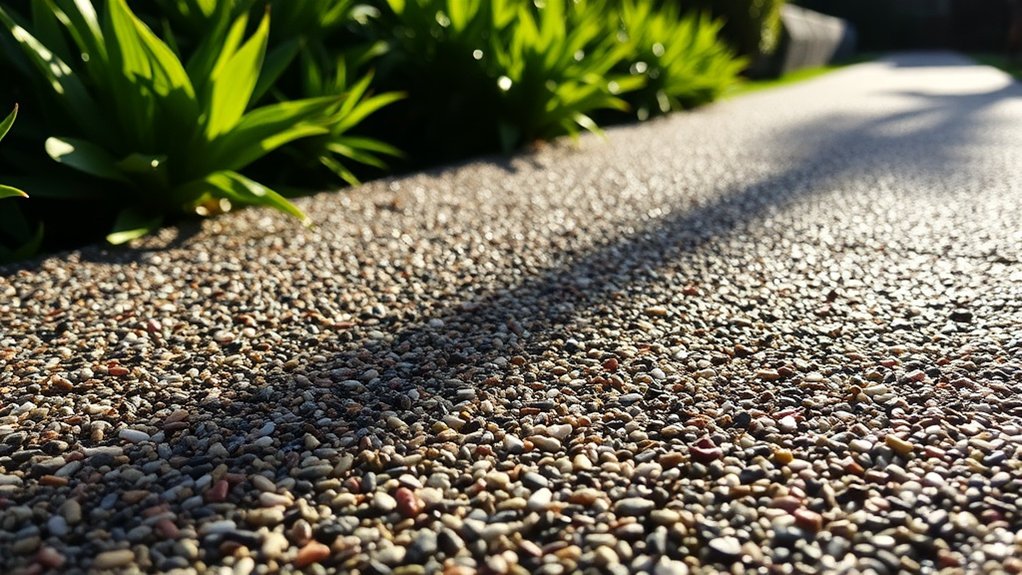
Resin bound surfaces offer a stylish and practical solution for various applications, combining clear resin with natural aggregates to create a seamless and durable finish. Choosing the right type of resin, such as aliphatic UV-stable polyurethane, ensures flexibility and resistance to UV damage, which extends the life of the surface. The selection of aggregates is crucial; typically, sizes between 1 and 5 mm are used to achieve optimal compaction and permeability for effective water drainage. This permeable nature allows for improved local water quality by filtering pollutants. The mixture is applied with a trowel to create a flat, smooth surface that fully encapsulates the aggregate, preventing scattering. Not only do resin bound surfaces look great, but they also comply with Sustainable Urban Drainage Systems (SUDS) regulations, making them an excellent choice for driveways, pathways, and outdoor areas, all while enhancing durability and safety. Additionally, proper installation is essential for ensuring that the surfaces remain permeable and effective at managing rainwater drainage.
Factors Influencing Lifespan

When considering the lifespan of resin bound surfaces, the quality of installation, environmental factors, and maintenance practices are crucial. Ensure that a professional handles the installation and that materials are sourced properly to enhance durability. For instance, if you live in a region with heavy rainfall, it’s important to choose a resin that can withstand wetter conditions. Regular maintenance, such as cleaning and resealing, will also significantly extend the life of your surfaces. Additionally, proper drainage is essential to prevent water pooling, which can lead to premature wear. Choosing the right type of resin and aggregates is important for ensuring the longevity of your driveway.
Installation Quality Impact
The quality of installation is crucial for the longevity of resin bound surfaces, as professional workmanship directly affects their durability and performance. Skilled installers use effective techniques to create a stable base that can handle heavy loads and prevent shifting. Proper preparation of the substrate is essential; a well-compacted base that’s free from organic materials reduces the risk of issues like cracking or lifting. Getting the right mix of resin and aggregate is vital for strong bonding, while proper laying methods improve permeability and overall strength. Additionally, ensuring a minimum base layer thickness of 100mm for optimal performance is key to preventing future instability. Paying attention to detail during installation not only enhances the appearance but also minimises potential problems, ensuring a long-lasting and resilient surface for your driveway or pathway. This is especially important because proper installation helps maximize lifespan.
Environmental Conditions Influence
The quality of installation is crucial for the performance of resin bound surfaces in different environmental conditions. Factors such as local climate, weather resistance, and the properties of the resin itself significantly affect durability.
Nottinghamshire’s temperate climate is generally advantageous, but the frequent freeze-thaw cycles can damage the surface if water seeps in and freezes. Prolonged exposure to UV rays can degrade non-UV-resistant resin, resulting in fading and reduced strength.
Effective drainage systems are vital to prevent pooling, as standing water can hasten deterioration. Additionally, high humidity levels can encourage algae growth, further compromising surface integrity.
Maintenance Practices Importance
Regular maintenance is crucial for extending the lifespan of resin bound surfaces.
It’s important to clean them regularly; frequent sweeping removes debris that can trap moisture, while pressure washing gets rid of stains and organic growth. Avoid using harsh chemicals, as they can damage the resin matrix. Make sure to clean up spills quickly to prevent material breakdown.
Effective repair techniques, like detecting cracks or loose stones early, can stop further damage.
Seasonal inspections are also key to spotting potential drainage issues or structural wear. Furthermore, applying UV-resistant sealants every 5-8 years helps prevent fading and brittleness, ensuring durability.
Maintenance Practices for Longevity
To ensure the longevity of resin bound surfaces in Nottinghamshire, regular maintenance is crucial.
Start with routine cleaning: use a stiff-bristled broom to sweep away debris and a soft-bristled brush in winter to prevent scratches. Rinse the surface occasionally to keep it looking fresh, but avoid harsh chemicals.
Tackle any debris and weeds promptly to prevent staining and damage from roots. If spills occur, clean them up quickly with mild detergent to stop them from soaking in.
Seasonal care is important; after winter, clear away salt and grit, and check for any weather-related wear.
It’s wise to schedule professional maintenance every 1-2 years for deep cleaning, and re-seal every 2-5 years for optimal protection.
Following these straightforward practices will significantly prolong the life of your resin bound surfaces.
Comparing Resin Bound to Other Surfacing Options

When comparing resin bound surfaces to other surfacing options, there are clear differences in lifespan, maintenance, and durability.
Resin bound surfaces can last 15 to 25 years with minimal upkeep. In contrast, tarmac and gravel often need more regular maintenance and typically have shorter lifespans.
Furthermore, resin bound surfaces are less prone to cracking and erosion, making them a robust choice for a variety of settings.
Lifespan Comparison
When considering surfacing options, it’s important to compare the lifespan of resin bound surfaces with alternatives like tarmac, block paving, and concrete.
- Resin bound surfaces generally last between 10 to 30 years, depending on quality and installation.
- Tarmac typically needs resurfacing every 10-15 years, while resin bound surfaces can last over 20 years.
- Block paving usually lasts 15-20 years, but can suffer from shifting and weed growth.
- Concrete can last up to 30 years, but is more susceptible to cracking compared to the flexible nature of resin bound surfaces.
Additionally, resin bound surfaces allow for various colour and texture options, enhancing their visual appeal while remaining durable against the British weather.
Maintenance Requirements
Resin bound surfaces are notably easier to maintain than options like block paving, tarmac, and concrete.
Regular upkeep mainly involves simple tasks, such as sweeping with a stiff brush weekly or monthly to remove debris. An occasional wash with water and a mild pH-neutral detergent will help keep the surface looking fresh.
Every 5 to 8 years, applying a UV-stable sealant can protect against staining and fading.
Unlike block paving, resin bound surfaces are impermeable, which significantly reduces weed growth and further lessens maintenance.
Damage Resistance
Resin bound surfaces aren’t only easy to maintain but also offer superior damage resistance compared to traditional options like tarmac, block paving, and concrete.
Here’s how they stand out:
- UV-stable formulations prevent yellowing and fading over time.
- Freeze-thaw resistance ensures they withstand the UK’s unpredictable weather without cracking.
- Flexible materials can adapt to ground movement, which helps reduce damage caused by pressure.
- Seamless design stops weeds from growing and limits shifting, unlike block paving.
Environmental and Practical Benefits

When exploring paving options, resin bound surfaces stand out due to their environmental and practical advantages. These surfaces are permeable, allowing rainwater to drain effectively and meeting SUDS (Sustainable Urban Drainage Systems) regulations, which helps mitigate local flooding. They also incorporate recycled materials, such as rubber from old tyres, highlighting their eco-friendly credentials.
| Environmental Benefits | Practical Applications |
|---|---|
| Reduces surface water runoff | Perfect for driveways and paths |
| Enhances local water quality | Great for commercial areas |
| Lowers carbon emissions | Increases property value |
| Minimal maintenance required | Customisable in colours and finishes |
With a lifespan of 15 to 40 years, resin bound surfaces are highly durable, making them an excellent choice for a variety of projects.
Local Insights on Installation and Care
To ensure a successful installation and maintenance of resin bound surfaces, it’s important to be aware of local practices and requirements.
Here are some key installation tips based on insights from local contractors:
- Prepare the base: Make sure it’s thoroughly cleaned and primed to avoid issues later.
- Follow mixing ratios: Stick to the specified ratios for durability; shortcuts can lead to problems.
- Plan for expansion joints: Properly placed joints can help prevent cracking.
- Schedule regular maintenance: Routine cleaning and prompt repairs will keep your surfaces looking great.
Choosing a qualified contractor can help you sidestep common mistakes and ensure quality.
Expected Lifespan Estimates in Nottinghamshire
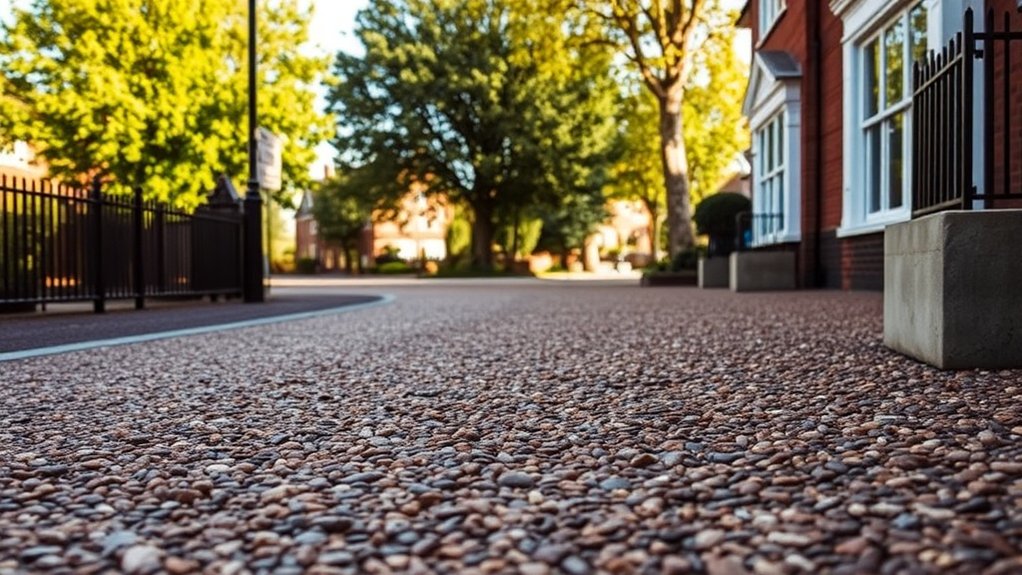
Knowing the expected lifespan of resin bound surfaces in Nottinghamshire is important for homeowners considering this paving option.
Generally, these surfaces can last between 15 and 25 years with proper installation and maintenance. If you choose high-quality materials and professional techniques, many installations may last over 25 years, with premium options using UV-stable resin potentially lasting up to 30 years.
On average, well-maintained resin bound driveways provide around 20 years of service. In comparison to other materials, resin is notably durable; for example, tarmac typically requires resurfacing after 10–15 years.
To maximise lifespan, prioritise quality materials, ensure proper sub-base preparation, and carry out regular maintenance to extend the life of your resin bound surface.
Frequently Asked Questions
Can I Install Resin Bound Surfaces Myself?
You can install resin bound surfaces yourself, but be mindful of the challenges involved. Proper preparation of the substrate, getting the mixing ratios right, and choosing the right weather conditions are crucial for a successful installation. For example, if the ground is not level or the mix isn’t accurate, it could lead to costly repairs down the line. If you’re unsure, it might be worth considering hiring a professional.
What Colors Are Available for Resin Bound Surfaces?
When considering colour options for resin bound surfaces, you’ll find a wide range from natural earthy shades to bright, vibrant colours. Custom blends and textures allow for personalised designs, resulting in a unique and attractive finish. For instance, you might choose a warm terracotta for a rustic look or a striking blue for a modern touch.
How Does Resin Bound Compare in Cost to Other Materials?
Resin bound surfaces may have a higher initial cost, but they provide excellent durability and require less maintenance than traditional materials. Their long lifespan means you won’t need to replace them as often, making them a more cost-effective option for homeowners in the long run. For instance, while tarmac may need repairs after a few years, resin bound driveways can last for decades with minimal upkeep.
Are Resin Bound Surfaces Safe for Pets?
If your friend’s dog enjoys a good run, you’ll be pleased to know that resin bound surfaces are safe for pets. Their smooth texture and durable finish mean they’re resistant to scratches and easy to clean, making them perfect for lively animals.
Can I Install Heating Underneath Resin Bound Surfaces?
Yes, you can install heating beneath resin bound surfaces. To ensure optimal durability, start with a stable sub-base. Always follow the manufacturer’s guidelines to ensure efficiency and prevent damage to the heating elements during and after installation.
Conclusion
In Nottinghamshire, a properly installed resin bound surface can last over a decade with the right care. Think of it like maintaining a well-kept garden; regular upkeep is essential for long-lasting results. By being aware of the factors that influence longevity and committing to routine maintenance, you can ensure your investment stands the test of time. Choosing the right surfacing not only boosts your property’s appeal but also shows your dedication to quality and aesthetics, much like the timeless beauty of the local countryside.
Just how do installation quality and weather conditions impact the longevity of your resin driveway? Find out the crucial factors Read more
See how the lifespan of resin driveways in Nottinghamshire can vary and what factors influence their longevity. Discover essential maintenance Read more
Maximize the longevity of your resin driveway in Nottinghamshire's unpredictable weather; discover how to ensure it stands the test of Read more