
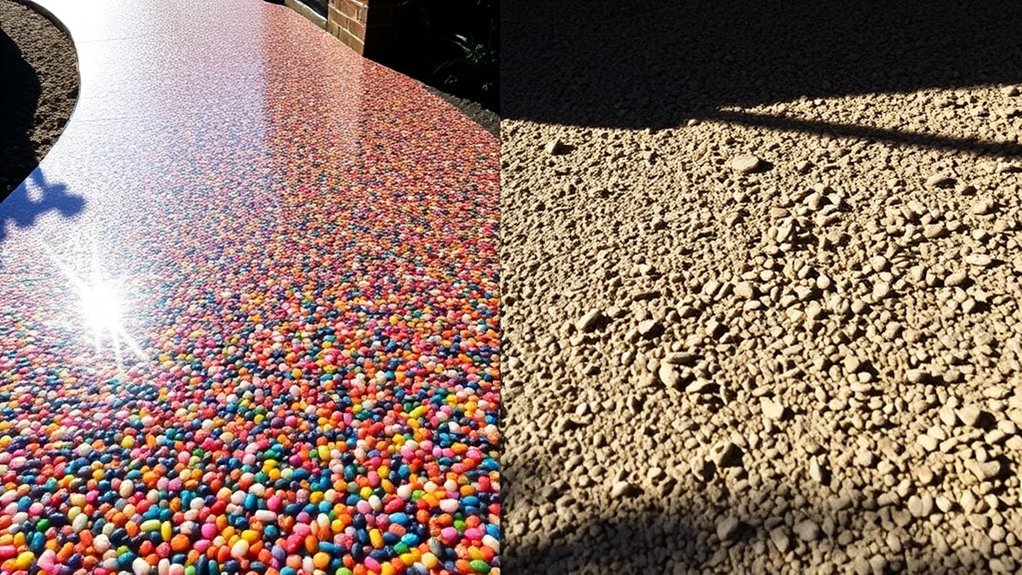
What’s the Difference Between Resin Bound and Bonded in Nottinghamshire?
In Nottinghamshire, resin bound systems provide a smooth, fully permeable surface that effectively manages drainage, reducing the risk of water pooling and flooding. On the other hand, resin bonded systems have a textured, non-permeable finish, which can heighten the risk of flooding if drainage isn’t adequately addressed.
Resin bound installations are generally more complex and durable, lasting between 15 to 40 years with minimal maintenance. In contrast, resin bonded options are cheaper but tend to require more upkeep. Each type has its own aesthetic appeal and suitability based on your project’s needs. Consider the pros and cons carefully to make the best choice for your space.
Key Takeaways
- Resin bound systems are fully permeable, which helps reduce flood risk, while resin bonded surfaces are non-permeable and can lead to increased surface water runoff in Nottinghamshire.
- Installing resin bound surfaces requires skilled trowelling and a porous subbase, whereas resin bonded systems can be applied quickly over existing hard surfaces.
- Resin bound surfaces provide a smooth finish and a wide range of colour options, while resin bonded surfaces have a rough texture and fewer colour choices.
- The durability of resin bound surfaces typically lasts between 15 to 40 years with minimal maintenance, unlike resin bonded surfaces, which require more upkeep.
- Both systems must comply with SuDS regulations, and if you’re considering changes in conservation areas, planning permission may be necessary.
Understanding Resin Bound and Bonded Systems
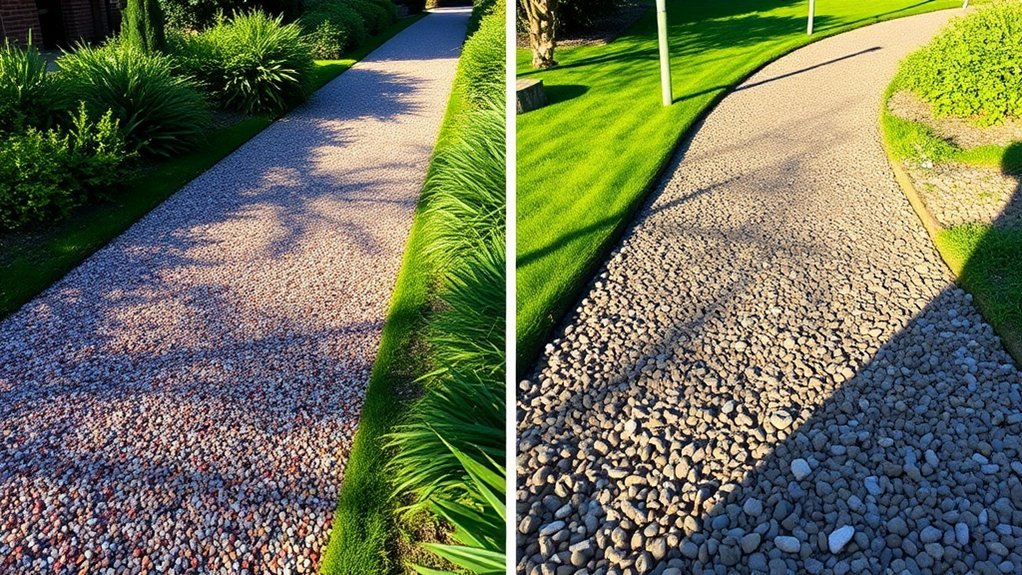
Understanding the differences between resin bound and resin bonded systems is crucial for choosing the right option for your project.
Resin bound systems use advanced resin chemistry, combining polyurethane or specialist two-part resins with kiln-dried aggregates, resulting in a smooth, fully encapsulated finish. The installation involves mechanical mixing and trowelling, creating a durable surface. Additionally, resin bound surfaces are rainwater permeable, which helps prevent puddles and drainage issues, offering superior colour retention over time.
On the other hand, resin bonded systems involve applying a surface resin and then scattering loose aggregates, which gives a textured look. This method often uses quicker broadcast-and-roll techniques for installation.
While resin bound systems offer more design flexibility and longevity, resin bonded systems may suit those seeking a traditional appearance, although they tend to require more maintenance.
Consider your project’s specific needs and aesthetic preferences when making your choice.
Key Differences in Permeability and Drainage
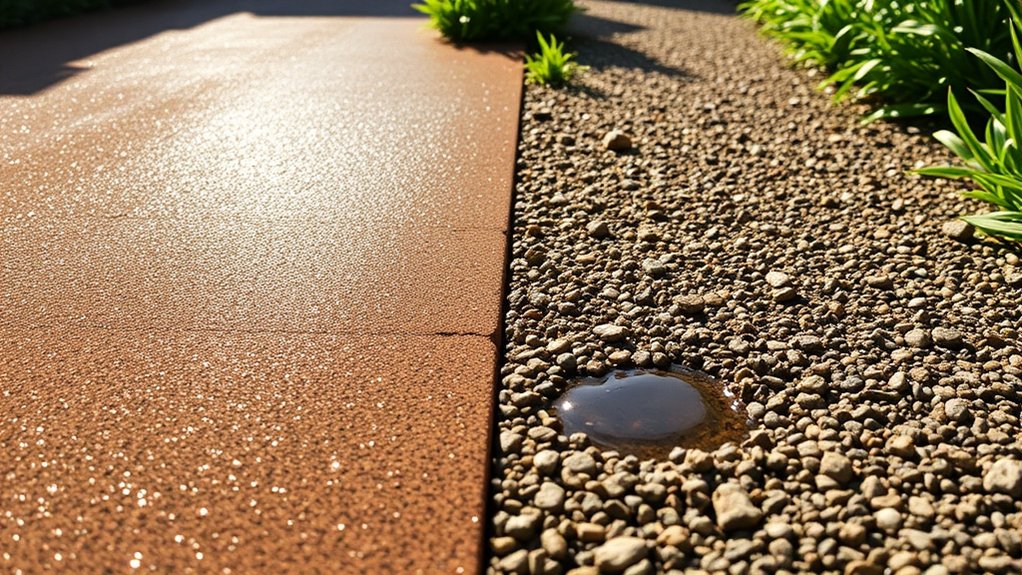
Resin bound and resin bonded surfaces are popular choices for outdoor surfacing, but they differ significantly in permeability and drainage, which can affect your project.
Resin bound surfaces are fully permeable, allowing thousands of litres of water to pass through each square metre per hour. This helps to reduce runoff and local flooding, aligning with Sustainable Drainage Systems (SuDS) regulations and promoting environmental sustainability. Additionally, this fully permeable design prevents standing water and puddles, which are common issues with traditional materials. Proper installation and maintenance of resin bound driveways are essential for ensuring SuDS compliance, further enhancing their effectiveness.
On the other hand, resin bonded surfaces are non-permeable, which can lead to puddles without proper drainage solutions. This often requires unsightly soakaways or drains, increasing flood risk during heavy rain.
Therefore, opting for a resin bound system can improve drainage and safeguard your property against water damage.
Aesthetic Appeal: Resin Bound vs. Resin Bonded
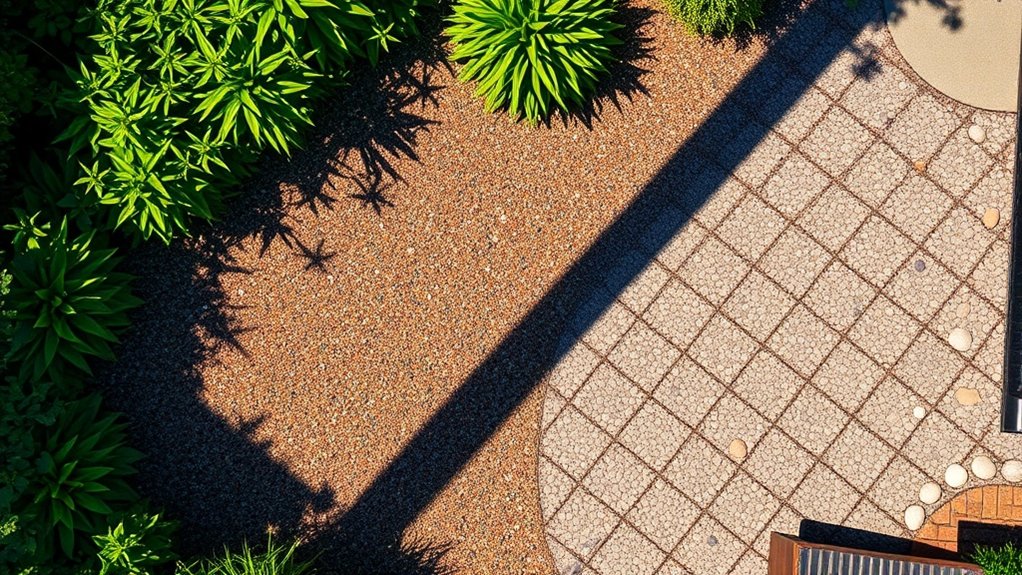
When deciding between resin bound and resin bonded surfaces, aesthetic appeal is key. Here’s a comparison of their textures: resin bound provides a smooth, seamless finish that adds a modern touch, while resin bonded has a rough, textured look, perfect for traditional settings. Additionally, the flexibility of resin in both types can enhance durability and appearance over time.
| Feature | Resin Bound | Resin Bonded |
|---|---|---|
| Surface Texture | Smooth, even | Rough, uneven |
| Colour Customisation | Wide range | Limited options |
| Ideal Applications | Contemporary designs | Heritage properties |
| Visual Appeal | Sleek elegance | Rustic charm |
| Walking Comfort | Comfortable | Slip-resistant |
Ultimately, your choice will hinge on whether you prefer a contemporary style or a more traditional, textured finish. The high porosity of resin bound gravel allows for effective water drainage, enhancing its appeal for modern landscaping applications.
Durability and Maintenance Considerations
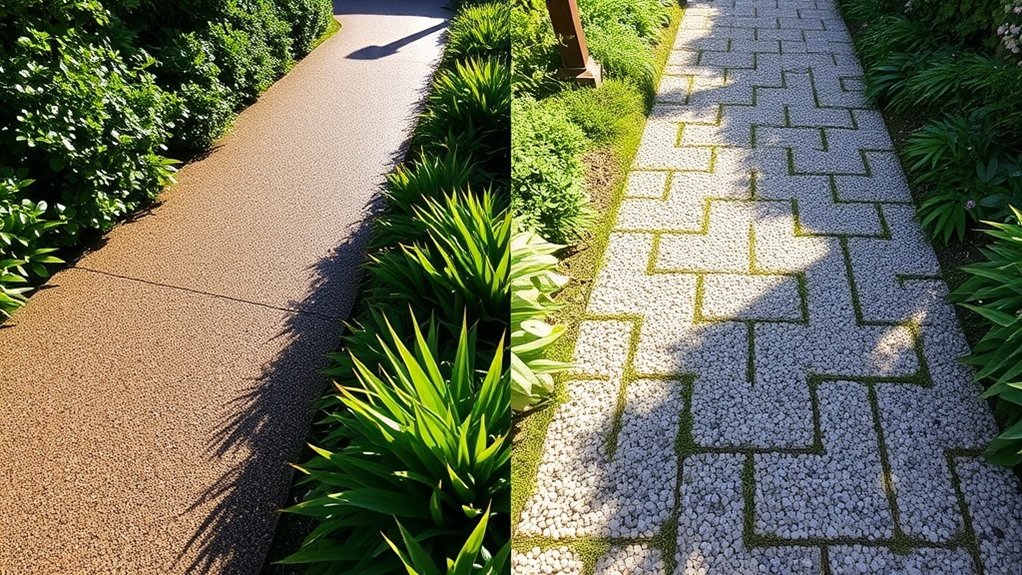
When considering the durability and maintenance of resin surfaces, it’s important to note the key differences between resin bound and resin bonded systems.
Resin bound surfaces are highly durable and require very little maintenance.
In contrast, resin bonded surfaces may need more frequent upkeep due to the risk of stones becoming loose.
Knowing the expected lifespan and maintenance requirements of each will help you make a well-informed decision for your project.
Wear Resistance Comparison
Understanding the wear resistance of resin-bound and resin-bonded surfaces is key when choosing for your property.
Resin-bound surfaces provide excellent durability, resisting cracking and stone displacement even under heavy usage. With a lifespan of 15 to 40 years and minimal maintenance, they’re a reliable option.
On the other hand, resin-bonded surfaces have notable drawbacks, such as flaking and the loosening of aggregates, which can create bald patches, especially in high-traffic areas.
While they outperform gravel, their wear issues develop more quickly than those of resin-bound surfaces.
If you value longevity and low maintenance, resin-bound is the better choice for high-traffic areas and long-term use.
Maintenance Requirements Overview
Resin-bound and resin-bonded surfaces each have distinct maintenance needs that affect their lifespan and performance.
For resin-bound surfaces, regular upkeep is key—sweep weekly and give them a low-pressure wash every season to keep dirt at bay.
On the other hand, resin-bonded surfaces require immediate attention if aggregate becomes loose, and you might need to re-coat them with resin and aggregate to make repairs.
It’s crucial to establish a cleaning routine; manually removing weeds and using targeted herbicides can help manage unwanted vegetation.
Additionally, both types need proper drainage to avoid water pooling, so check regularly, especially after heavy rainfall.
Lifespan Expectations and Factors
When considering the lifespan of resin-bound and resin-bonded surfaces, it’s important to understand the factors that affect their durability.
Resin-bound systems typically last between 10 and 25 years or more, provided they’re installed correctly on a stable sub-base. In contrast, resin-bonded surfaces often depend on the condition of the underlying substrate, which can lead to a shorter lifespan.
Environmental factors play a significant role; for example, exposure to freeze-thaw cycles and UV light can deteriorate both types of surfaces. Opting for UV-stable resins can help improve their longevity.
Proper installation is crucial—issues like poor compaction or inadequate drainage can result in failures for both systems.
Ultimately, choosing the right type for your specific needs, particularly in high-traffic areas, is vital for ensuring performance and durability.
Cost Analysis: Resin Bound vs. Resin Bonded
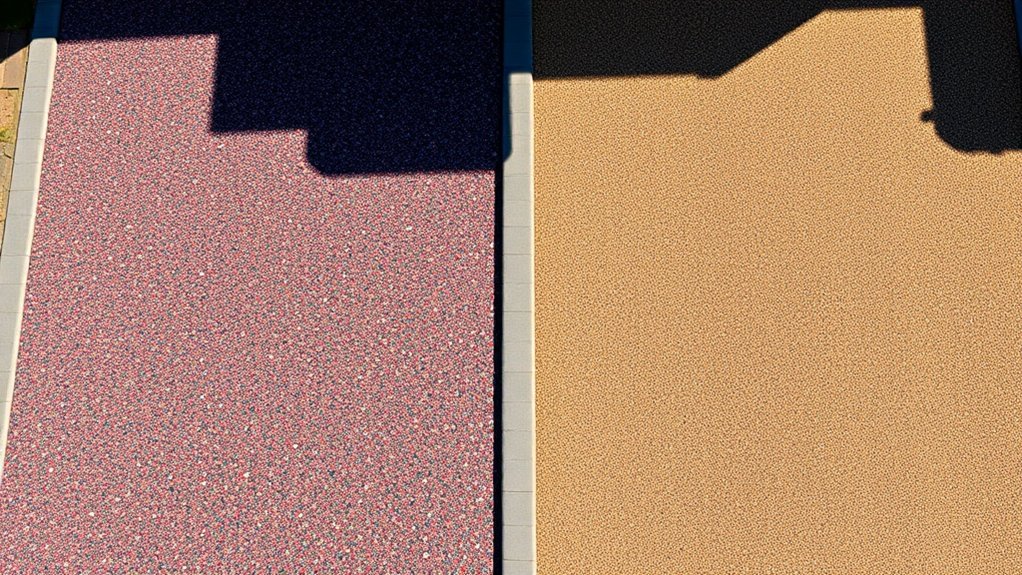
When comparing the costs of resin bound and resin bonded surfaces in the UK, there are notable differences in installation prices.
Resin bound typically costs between £50 and £120 per square metre, reflecting the higher quality and preparation required. In contrast, resin bonded surfaces are more affordable, ranging from £15 to £30 per square metre.
It’s important to consider the long-term value as well.
Resin bound systems usually offer superior durability and lower maintenance costs over time, making them a worthwhile investment in the long run.
Installation Cost Comparison
When considering the installation of resin bound and resin bonded surfaces, costs can vary significantly based on various factors.
For resin bound surfaces, you can typically expect to pay between £50 and £250 per m², with local specialists in Nottingham quoting about £70 to £120 per m².
On the other hand, resin bonded surfaces are much more affordable, costing around £15 to £30 per m².
In terms of installation time, resin bound surfaces require more labour and preparation, meaning the process may take longer.
Conversely, resin bonded systems can often be completed more quickly.
Keep these costs and timelines in mind to make an informed choice that suits your budget and project needs.
Long-term Value Assessment
Understanding the long-term value of resin bound versus resin bonded surfaces is crucial for making a wise investment. While resin bound systems may have a higher initial cost, their long-term benefits make them worthwhile.
- Resin bound surfaces need less maintenance, which lowers ongoing costs.
- Their durability means repairs are less frequent, promoting sustainability.
- Resin bonded systems might be cheaper at first, but they often lead to higher repair and replacement costs due to stone loss.
- The eco-friendly nature of permeable resin bound designs improves drainage and water management.
In the end, choosing resin bound surfaces can lead to lower total ownership costs and greater longevity, making them a smarter investment for your property over time.
Installation Complexity and Requirements
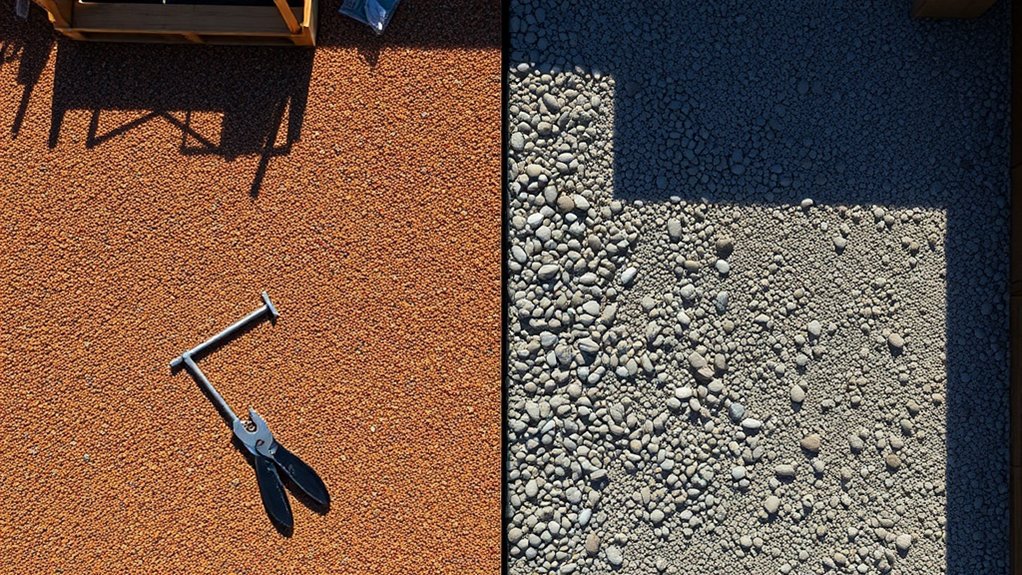
When it comes to resin bound and resin bonded systems, their installation processes and requirements are quite different. Understanding these differences can help you decide which option suits your project best.
| Aspect | Resin Bound | Resin Bonded |
|---|---|---|
| Subbase Preparation | Needs a porous subbase | Can be applied to existing non-porous surfaces |
| Application Process | Involves mixing resin with aggregates thoroughly | Applies resin first, then scatters stone over it |
| Professional Expertise | Requires skilled mixing and trowelling | Needs precision in resin application |
| Time Constraints | Involves multiple stages, taking longer | Can be completed in a single day on a suitable base |
| Material Needs | Requires a larger volume of resin for porosity | Uses less resin, with more exposed loose stone |
Both systems demand professional expertise to ensure strong bonding and durability, so attempting a DIY approach may lead to complications.
Local Planning Regulations in Nottinghamshire
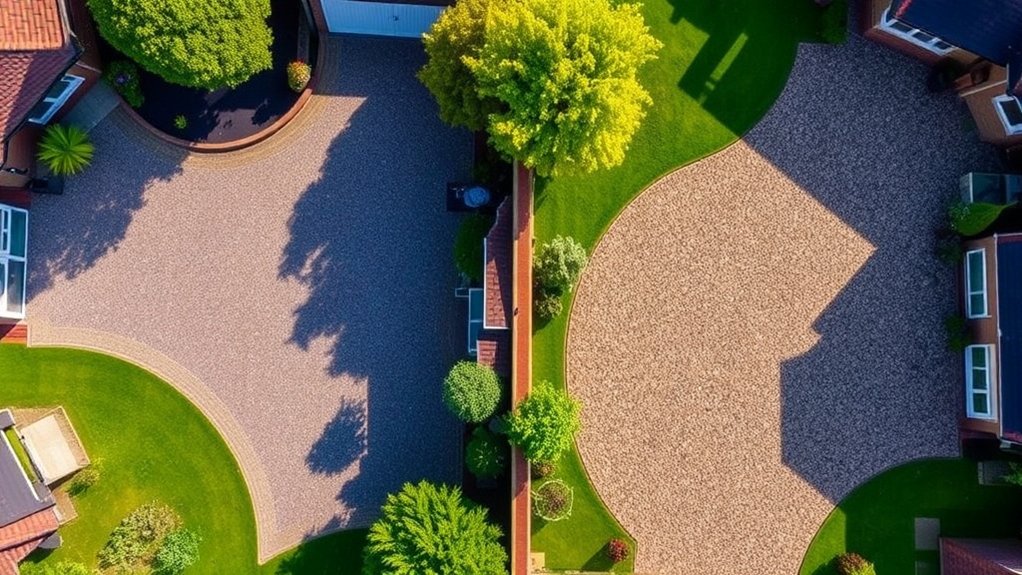
When considering resin bound or bonded surfaces in Nottinghamshire, it’s important to follow Sustainable Drainage Systems (SUDS) regulations to effectively manage surface water.
If your property is historic, there may be additional factors to consider that could influence your installation choices.
Familiarising yourself with these local planning regulations is crucial to ensure your project meets legal standards and maintains the character of the area.
SUDS Compliance Requirements
To comply with local planning regulations in Nottinghamshire, developers must follow specific Sustainable Drainage Systems (SuDS) requirements that align with national standards.
These requirements can be challenging, particularly with the integration of SuDS in projects.
- Create a SuDS Management Plan to ensure ongoing maintenance.
- Retain the first 5mm of rainfall on-site to minimise runoff.
- Engage early with your Local Planning Authority to agree on designs.
- Follow the runoff hierarchy, giving priority to rainwater reuse.
Historic Property Considerations
Understanding local planning regulations for historic properties in Nottinghamshire is crucial for both developers and homeowners.
When making adaptations to historic properties, you must comply with conservation area guidelines, which often require planning permission for changes to driveways. Any repairs or modifications to boundary walls or fences also need approval.
If you’re considering using non-permeable materials like concrete for your driveway, you may need permission, whereas permeable options, such as resin-bound surfaces, usually do not.
Ensure that your driveway dimensions meet the specified requirements, including minimum widths and turning space.
Pay attention to runoff management, especially in flood-prone areas near the River Trent.
Always ensure your plans align with local management strategies to maintain the historical character of the area and adhere to regulations.
Weather Suitability for Nottinghamshire Conditions
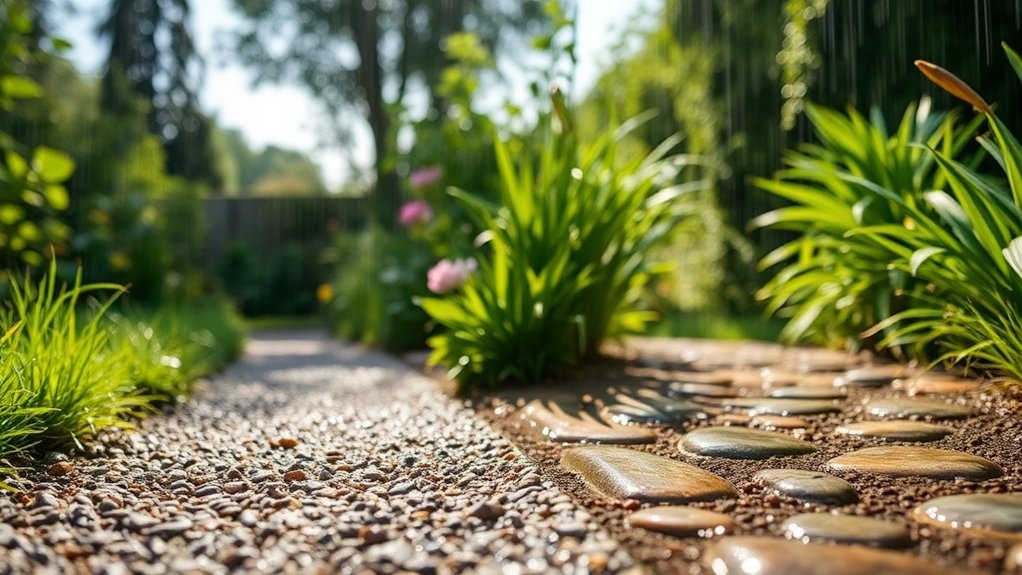
Nottinghamshire has an oceanic climate, characterised by cold, wet winters and mild, rainy summers. When selecting surfaces for outdoor use, it’s crucial to consider how the weather affects performance.
- Resin bound surfaces are ideal for this climate as they offer excellent drainage, helping to prevent water accumulation.
- Bonded surfaces may face challenges with moisture, particularly during extended periods of rain.
- Both types can endure Nottinghamshire’s average wind speeds of 19.6 kph without issue.
- However, be mindful of potential snow and ice in winter, which can impact the durability of these surfaces.
In essence, opting for resin bound surfaces may provide a more reliable choice for outdoor applications in Nottinghamshire’s variable weather.
Heritage and Aesthetic Considerations for Historic Properties

When choosing surfacing options for historic properties, it’s crucial to balance aesthetics with modern functionality.
Resin bonded surfaces can effectively mimic traditional gravel drives, featuring a coarse texture and varied colours that align with heritage aesthetics, making them a good choice for conservation compliance.
On the other hand, resin bound installations offer a smooth, contemporary finish that mightn’t suit the character of listed buildings.
Local conservation officers usually require sample panels and matching aggregates to ensure visual consistency with period materials.
The reversibility of bonded systems also means they’ve minimal impact on underlying substrates, which is particularly important for sensitive sites.
Ultimately, selecting the right surfacing material is about preserving the authenticity of your historic property while meeting contemporary needs.
Long-term Value Assessment for Homeowners
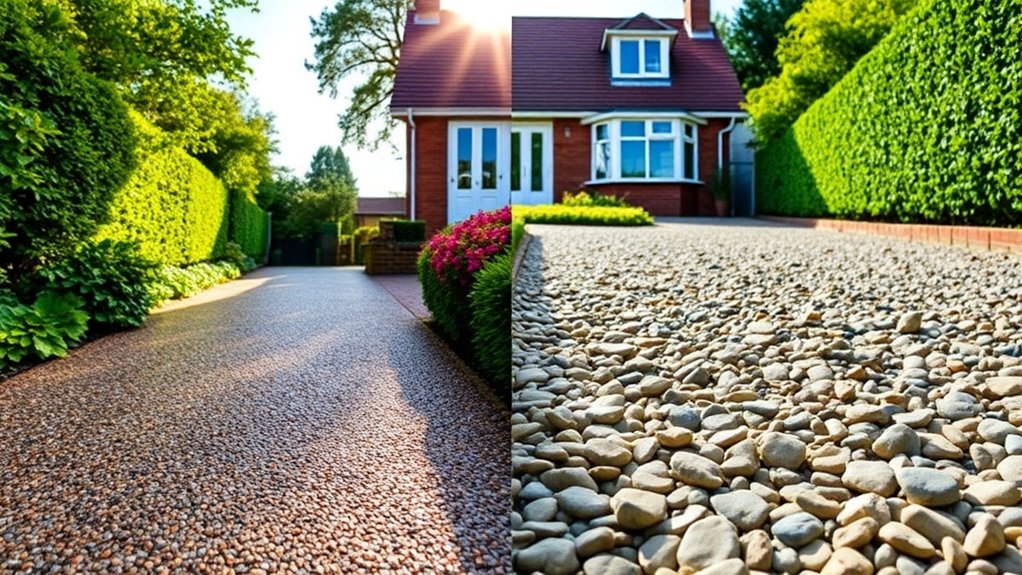
When assessing long-term value for homeowners, it’s important to consider how different surfacing options affect durability, maintenance, and overall costs.
- Resin bound surfaces can last over 25 years with minimal upkeep, appealing to homeowners who prioritise longevity.
- Resin bonded surfaces tend to need more frequent repairs, which can drive up total ownership costs, even if the initial price is lower.
- The environmental benefits of resin bound systems are significant, as they allow for water permeability and help reduce surface runoff.
- With resin bound surfaces, there’s less tracking of dirt and debris, leading to a cleaner property.
Choosing the Right Option for Your Project in Nottinghamshire
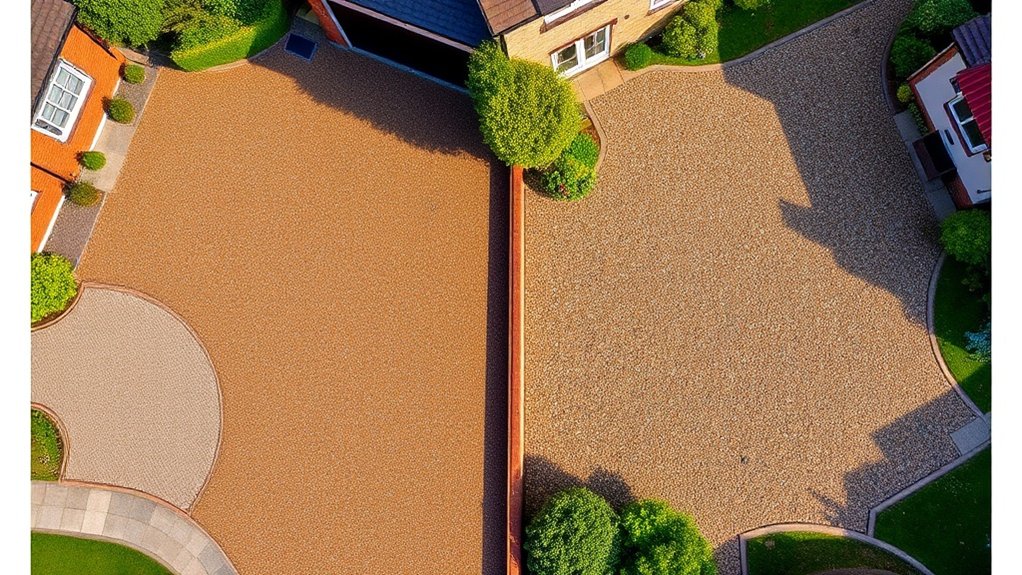
Choosing the right surfacing option for your project in Nottinghamshire means considering several important factors: installation methods, permeability, appearance, durability, and cost.
If your project is in an area prone to heavy rainfall, resin bound surfacing is an excellent choice due to its full permeability, which significantly reduces flood risk.
On the other hand, if you need a quicker installation and a lower upfront cost, resin bonded surfacing might be more suitable, especially for existing surfaces.
Think about your installation preferences as well. Resin bound needs a properly prepared base, while resin bonded can be applied directly over concrete or tarmac.
Aesthetically, resin bound offers a contemporary, customisable finish, whereas resin bonded gives a more traditional gravel look.
Ultimately, assess these factors against your specific requirements to ensure you make the best choice for your project.
Frequently Asked Questions
Can I Install Resin Bound or Bonded Myself?
You can try installing resin bound or bonded surfaces yourself, but it can be quite challenging. Hiring professionals ensures accuracy and durability. It’s important to know the correct techniques, as mistakes could lead to issues that might end up costing more than hiring an expert. Weigh your options carefully to avoid expensive problems down the line.
How Long Does Installation Typically Take for Each Type?
For resin bound installations, you can expect the process to take between 1 to 3 days, depending on the complexity of the job. In contrast, resin bonded installations are usually completed within 1 to 2 days, as they require less preparation and have a quicker application process.
Are There Color Options Available for Both Systems?
Yes, both systems offer colour options. Resin bound provides a wide range of design choices with a variety of colours available, while resin bonded has more limited options but can include decorative aggregates for added flair.
How Do Temperature and Humidity Affect Installation?
Temperature and humidity significantly affect installation. In cold or humid conditions, there’s a risk of incomplete curing and weak bonding. For example, if you’re laying tiles in a damp environment, they may not adhere properly. On the other hand, excessive heat can speed up the curing process, which might complicate your application and lead to premature wear. It’s crucial to monitor these factors to ensure a successful installation.
What Maintenance Tools Are Recommended for Resin Surfaces?
For proper maintenance of resin surfaces, use a stiff-bristled broom for regular cleaning, a pressure washer for deeper dirt removal, and a pH-neutral detergent for spot cleaning. A resin repair kit is also essential for fixing small damages, helping to maintain the surface’s longevity and performance.
Conclusion
In summary, choosing between resin bound and resin bonded systems depends on your needs. Resin bound is more permeable and visually appealing, while resin bonded is more cost-effective and easier to install. Take into account the climate and heritage considerations in Nottinghamshire to make an informed decision. Focusing on performance and your personal preferences will help you find a durable surface solution that lasts. Choose wisely for lasting beauty and functionality!

Maximize your project's efficiency by understanding the installation times of resin-bound and resin-bonded systems, but which one truly suits your Read more

How do resin-bound driveways balance beauty and functionality, and are they the right choice for your home? Discover the pros Read more

Get the scoop on the pros and cons of resin-bonded driveways and discover what makes them a popular choice for Read more